Television series
Auschwitz: The Nazis and the Final Solution
- Crime
- Very dark
A BBC landmark that reconstructs Auschwitz's history through testimony from survivors and perpetrators, dramatic re-enactments, and archival evidence. It's methodical, unflinching, and deeply considered—not exploitative sensationalism but serious historical documentation. For anyone who needs to understand how industrial genocide happened, and how ordinary people enabled it.
Should you watch it?
Watch it if you want a patient, methodical history of how the camp was built and run, and you are willing to sit with the perpetrators' own bureaucratic logic in their own words.
Skip it if you want a gentle entry point or relief from grim material, because this stays with the horror for six hour-long episodes and rarely lets up.
What it asks of you: Six hour-long parts, each one dense with names, dates and camp logistics, so it rewards steady attention over a single sitting.
Not sure? Find tonight's pick in a minute.
If you liked this
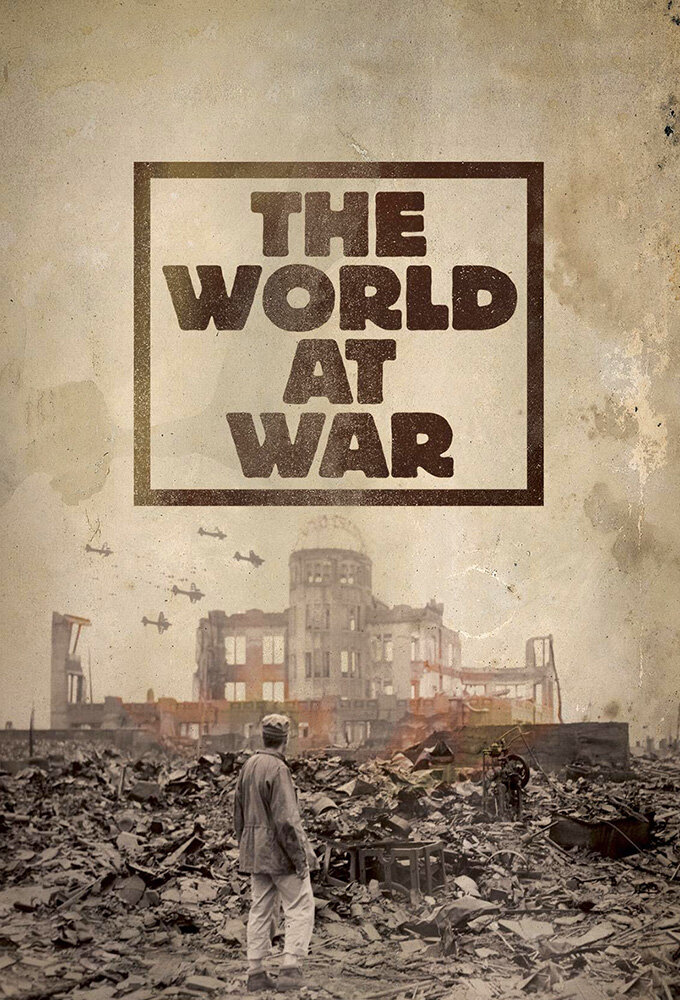
The World at War1973
The definitive WW2 documentary series uses interviews, archives, and storytelling to explore the war's scope and horror. If you want comprehensive context around what led to and followed Auschwitz, this is essential.
But Twenty-six episodes is a serious commitment. Some sections feel dated in their pacing by modern standards.
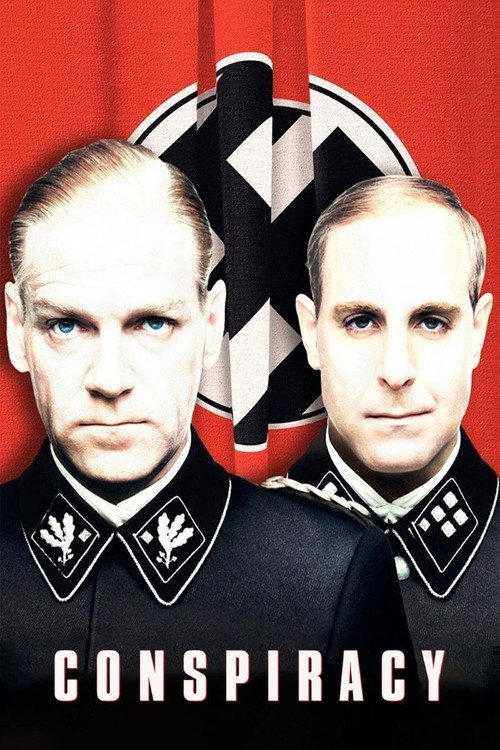
Conspiracy2001
A tense, intelligently written drama about the Wannsee Conference where Nazi officials formalized the Final Solution. Kenneth Branagh and Stanley Tucci are superb; it makes the machinery of genocide viscerally real.
But It's confined to a conference room for most of its runtime. If you need action or movement, the static intensity might feel claustrophobic.
Night and Fog1956
Alain Resnais's 32-minute film is a profound meditation on Auschwitz itself—what remains, what's been erased, how we remember atrocity. Poetic and devastating in equal measure.
But Its abstract, essayistic approach won't satisfy anyone looking for straightforward historical narrative or testimony.

Not sure tonight? Get a pick in a minute, starting from Auschwitz: The Nazis and the Final Solution
The wildcard
Something you would not have found on your own.
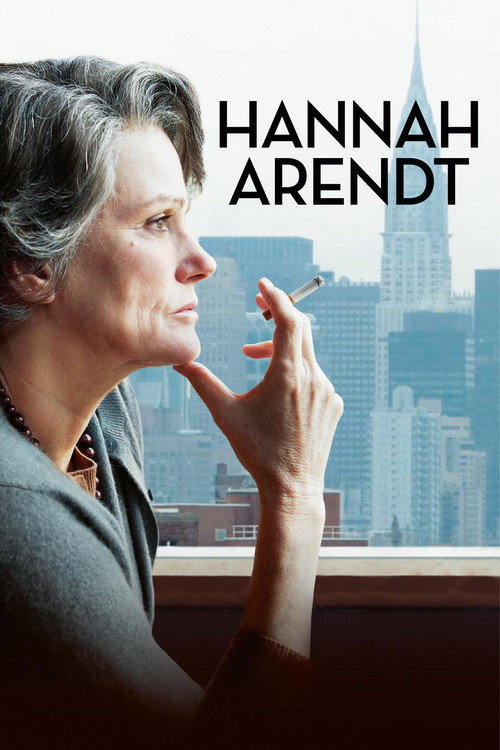
Hannah Arendt2012
Both are concerned with understanding the perpetrators' mentality rather than solely centering victims. Both ask: how do we comprehend the ordinary person who enabled genocide?
A German-Austrian drama about the philosopher watching the Eichmann trial and wrestling with the concept of 'the banality of evil.' It reframes how we think about perpetrators—not monsters, but ordinary bureaucrats following orders.
But It's a philosophical drama about an intellectual, not a historical epic. Long conversations about ideas rather than action will bore anyone wanting narrative propulsion.
More like this (6)
Shoah1985
Claude Lanzmann's nine-hour oral history lets survivors and witnesses speak at length about the Holocaust. Uncompromising, repetitive in a way that hammers truth home, absolutely necessary.
But Nine hours. No archival footage. Long silences and pauses. Demands extraordinary patience and emotional endurance.

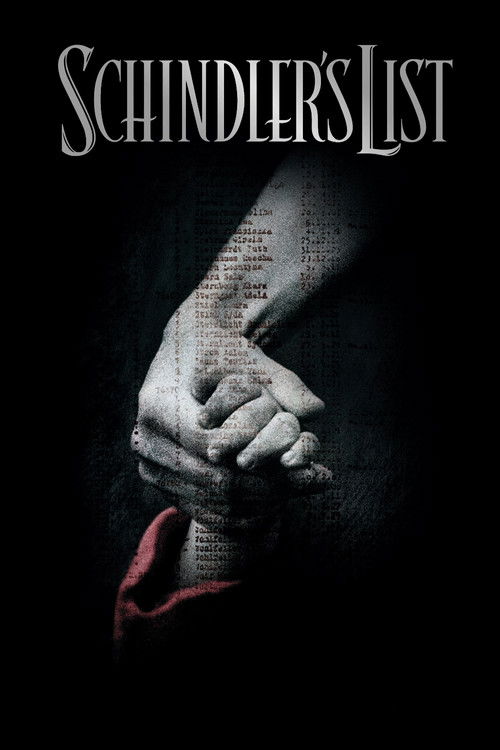
Schindler's List1993
Spielberg's dramatization of Oskar Schindler saving Polish Jews is narratively gripping and visually stunning. It's introduced millions to Holocaust history with moral clarity and emotional force.
But Its narrative shape—the heroic individual who saves people—risks softening the systematic totality of what the Nazis built. Some find it too clean.
The Act of Killing2012
An extraordinary film where Indonesian death-squad leaders re-enact their own killings. It's unsettling, philosophically complex, and forces you to confront how perpetrators justify atrocity to themselves.
But It's deeply uncomfortable by design. The moral ambiguity and theatrical approach might feel inappropriate when the murders are real and recent.

Come and See1985
A Soviet film about a boy conscripted into WW2 that becomes a hallucinatory descent into the brutality of Nazi occupation. Visually stunning and psychologically devastating.
But It's nihilistic, graphic, and offers no catharsis or redemption. Some will find it unwatchable rather than enlightening.

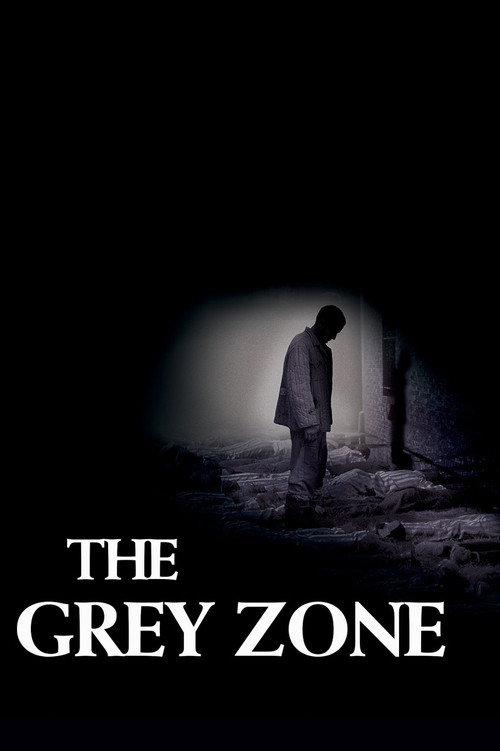
The Grey Zone2001
Tim Blake Nelson's film focuses on the Sonderkommando—Jewish prisoners forced to dispose of victims—and the moral impossibility of their situation. Historically grounded and philosophically rigorous.
But It's bleak, morally complicated, and offers no heroes. Some will find the hopelessness unbearable.
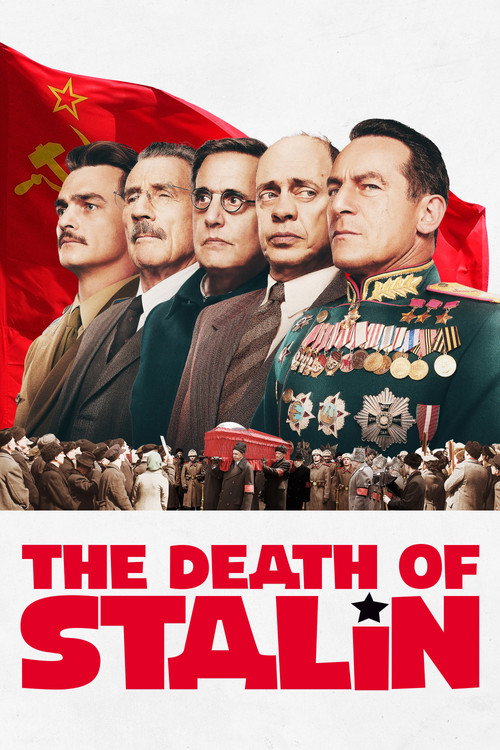
The Death of Stalin2017
Both explore how totalitarian systems function internally—the ideology, the chain of command, the rationalization. One is grim documentary, one is savage comedy, but both ask: how does evil become bureaucracy?
Armando Iannucci's black-and-white Soviet political satire is about power, manipulation, and propaganda in Stalin's inner circle. It's irreverent, darkly hilarious, and structurally about how regimes maintain control through fear and lies.
But Comedy about totalitarianism will feel tone-deaf to some. The satire may minimize genuine suffering. It's also Russian history, not the Holocaust specifically.
People
Cast
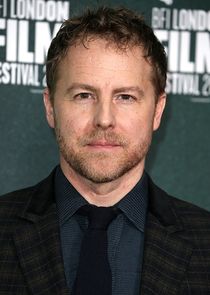 Samuel WestNarrator