
Film
Heartbeat Detector
A corporate psychologist administers a lie-detector test that unearths a Nazi past within a major multinational. French director Nicolas Klotz's 2007 film is a methodical, intellectually fierce thriller about complicity, erasure, and how history embeds itself in institutions. Tense and deliberately paced, it's for viewers who want their thrillers to ask uncomfortable questions.
Should you watch it?
Watch it if you like slow-burning paranoid thrillers where the unease builds through conversation and small silences rather than chases, and you enjoy watching a quiet, watchful man read the people across from him.
Skip it if you want a tight, propulsive plot, since this is long and talky, with conversations that circle the same ground and a conspiracy that unfolds at a deliberate crawl.
What it asks of you: Roughly two and a half hours, deliberate and measured in its rhythm, it rewards steady attention more than any single jolt, and the tension is cumulative.
Not sure? Find tonight's pick in a minute.
If you liked this
Spotlight2015
Methodical investigation exposing institutional malfeasance, built on dialogue and incremental discovery rather than action. Same patient unwinding of a cover-up that reaches deep into power structures.
But Slow in the way that requires you to care about procedure and process. It doesn't explode; it accumulates.

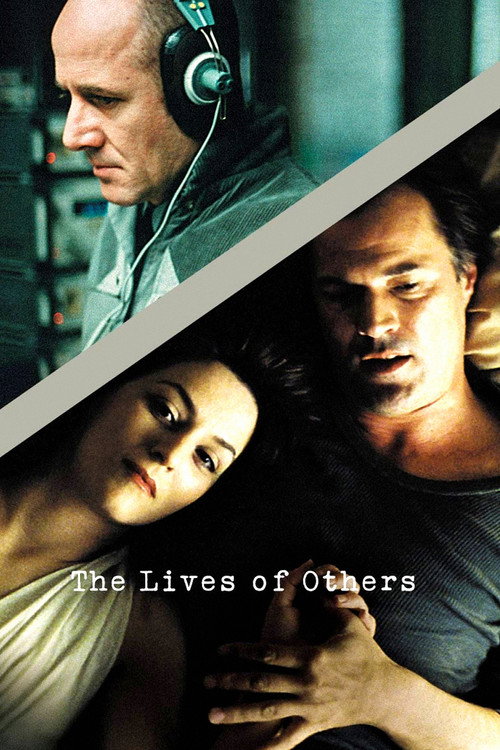
The Lives of Others2006
East German surveillance thriller with a moral architecture equally concerned with complicity and conscience. Both films ask what we know and when we're forced to know it, with intelligence and gravity.
But Bleak and introspective rather than viscerally thrilling. The tension is philosophical, not kinetic.
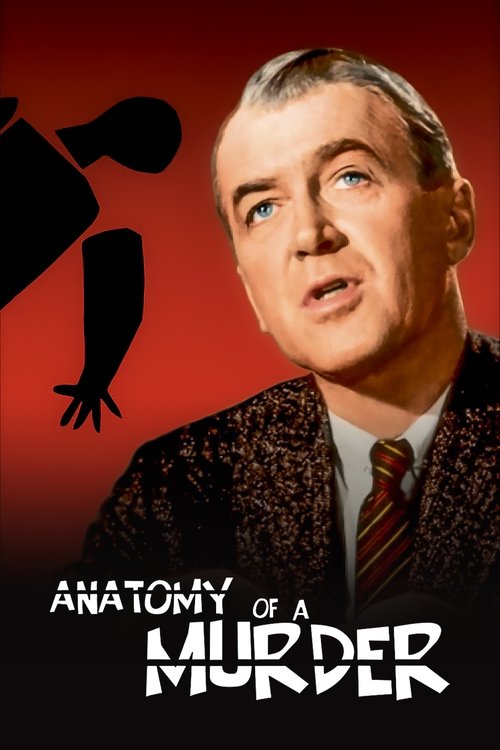
Anatomy of a Murder1959
A lawyer digs into the real story behind a crime, uncovering uncomfortable truths about his client and his town. Shares the commitment to dialogue, cross-examination, and moral ambiguity under institutional pressure.
But Three-and-a-half hours of courtroom argument. If you want plot momentum, you'll be restless.
Not sure tonight? Get a pick in a minute, starting from Heartbeat Detector
The wildcard
Something you would not have found on your own.
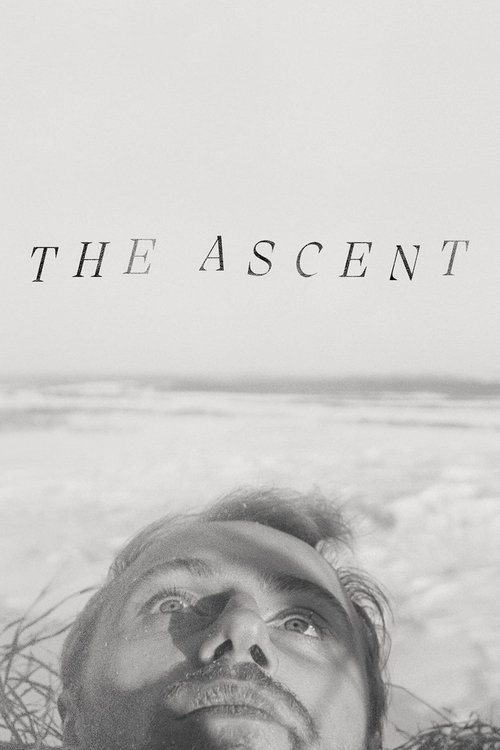
The Ascent1977
Both excavate the moral compromises hidden within institutional systems; both use WWII and its aftermath as a lens for examining how history embeds itself in the present through individuals and their choices.
Two Soviet partisans navigate occupied Belarusian woodland during WWII. Larisa Shepitko's black-and-white masterpiece is a spiritual and moral inquiry into suffering, betrayal, and the search for meaning under totalitarian pressure—a different medium asking the same questions about complicity and conscience.
But Soviet-era cinematography and pacing will feel alien. The philosophical register is high and demanding. Very hard to find in good prints.
More like this (8)
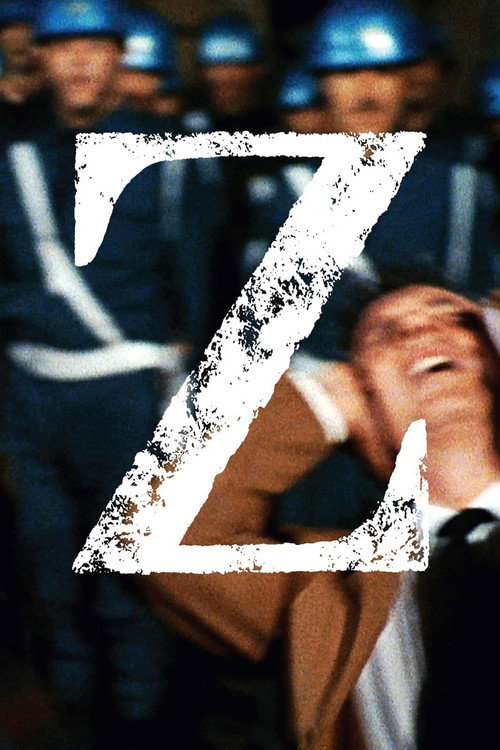
Z1969
Political thriller about a coverup reaching into the highest levels of government. Costa-Gavras constructs a machine that exposes how official narratives erase inconvenient facts.
But Dated visual style and some theatrical acting. The political context is specific to 1960s Greece, which requires some historical goodwill.
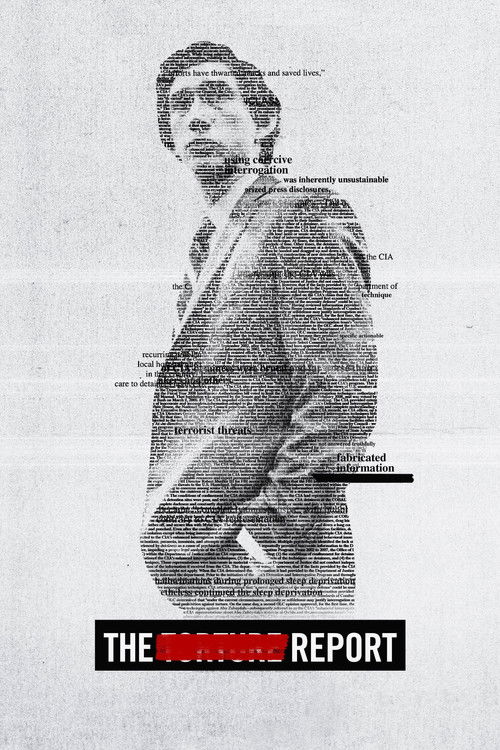
The Report2019
Senate staffer investigates CIA torture programmes, discovering institutional obstruction and evasion at every level. Another film about how power protects itself through silence and misdirection.
But Repetitive by design—the same bureaucratic walls keep appearing. If you need variety, this exhausts rather than satisfies.
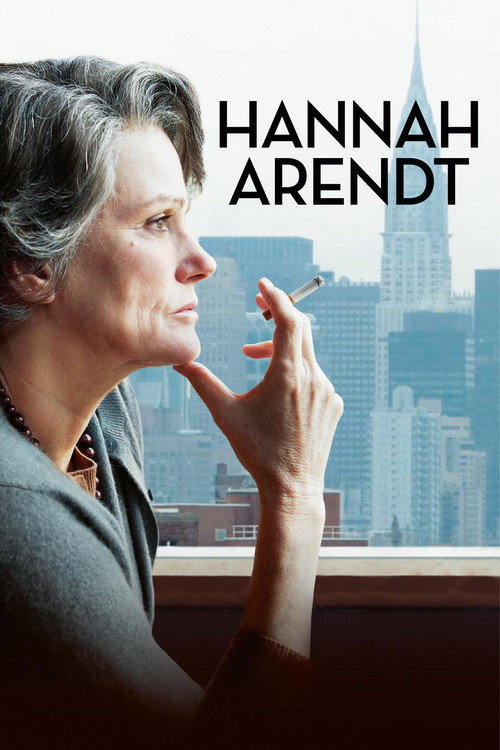
Hannah Arendt2012
Philosopher wrestling with the banality of evil after the Eichmann trial. Shares the film's concern with how ordinary people enable atrocity through careerism and moral laziness.
But Very talk-heavy. Barbara Sukowa's performance is intellectual rather than conventionally dramatic.
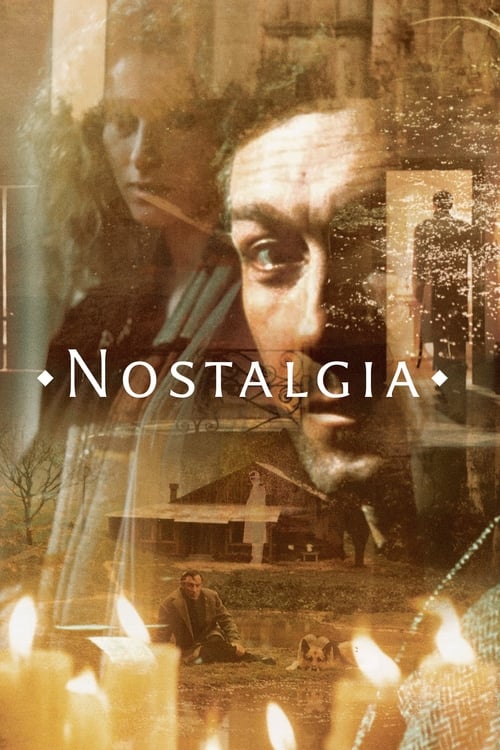
Nostalgia1983
Tarkovsky's long meditation on history, memory, and the weight of the past—thematically aligned with the film's exploration of how history haunts the present.
But Glacially paced, philosophical to the point of abstraction. Demands an almost meditative patience from viewers.
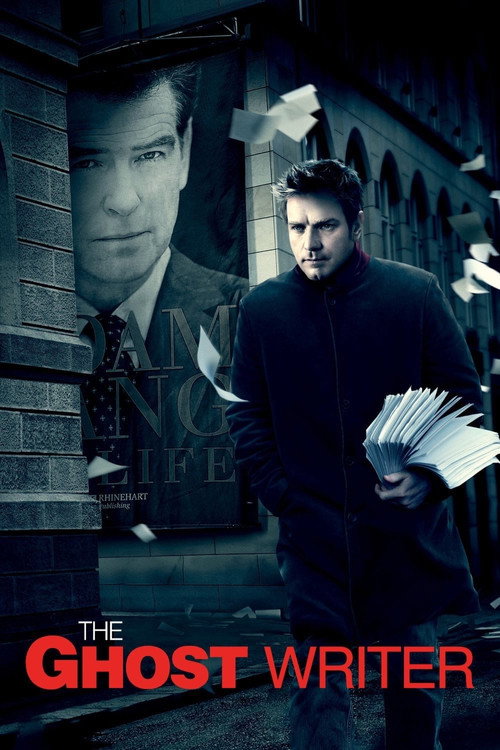
The Ghost Writer2010
Ghostwriter uncovers a former prime minister's wartime secrets. Polanski's paranoid thriller has the same architecture: a secret that compromises everything it touches.
But Schematic and somewhat hollow—the politics matter less than the mechanism. The ending divides people sharply.
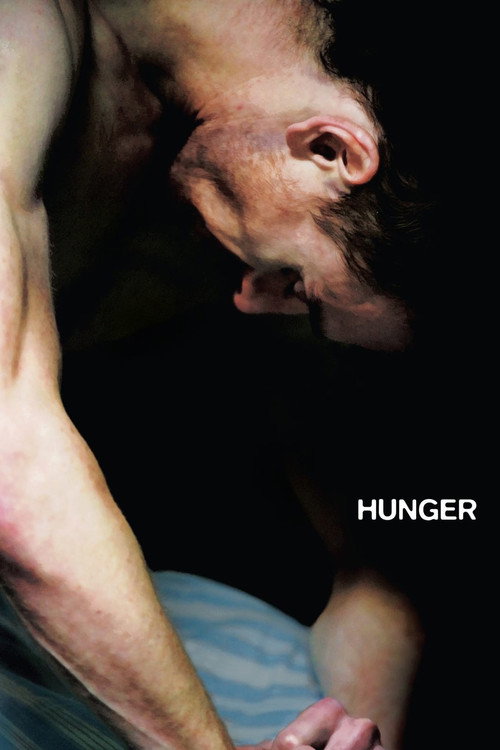
Hunger2008
A man chooses starvation as protest, and Steve McQueen tracks the ideological rigidity on both sides. Both films depict how conviction can harden into monolith, and the cost.
But Extremely difficult to watch. The final act is almost unbearable. This is not escapist cinema.
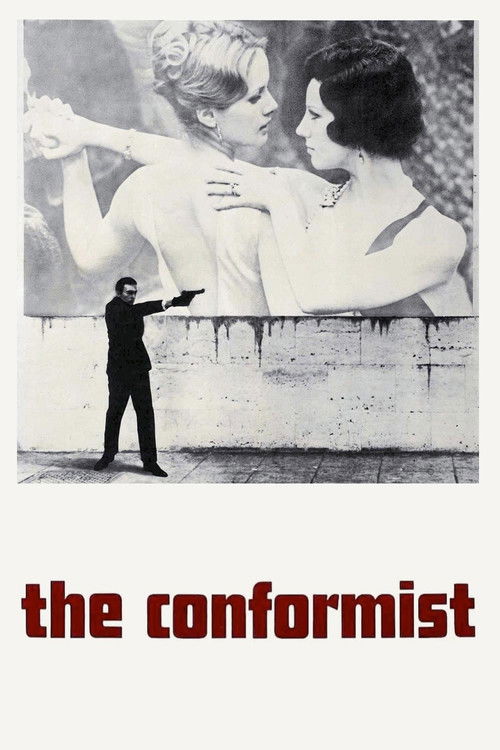
The Conformist1971
Both are portraits of how ordinary men enable atrocity through careerism, deference, and the human hunger to belong to something larger than themselves.
Bernardo Bertolucci's 1970 masterpiece: a man complies with fascism to belong, leading him to moral catastrophe. Visually rapturous where Heartbeat Detector is austere, but the engine is identical—the seduction of institutional belonging over conscience.
But Requires active decoding. The style is layered and symbolic. Some find it more interested in how it looks than what it means.
Stalker1979
Both are films about the burden of knowing something true and dangerous, and the moral vertigo of being forced to see what institutions prefer to remain hidden.
Tarkovsky's sci-fi meditation on desire, faith, and the corrupting nature of hidden knowledge. A guide leads two men through a mysterious zone toward a room rumoured to grant wishes—a metaphor for how we chase revealed truths and what the pursuit costs us.
But Nearly three hours of walking and talking, with minimal plot. Hypnotic for some, punishingly slow for others. Science fiction in name only.

People
Cast
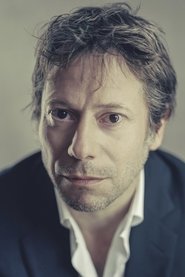 Mathieu AmalricSimon Kessler
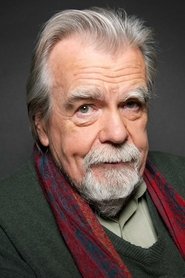 Michael LonsdaleMathias Jüst
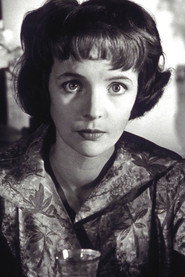 Édith ScobLucy Jüst
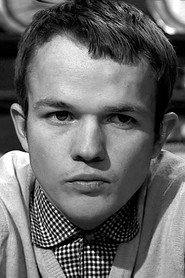 Lou CastelArie Neumann
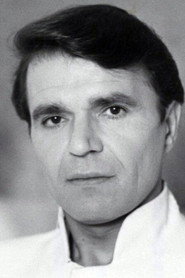 Jean-Pierre KalfonKarl Rose
 Valérie DrévilleLynn Sanderson
 Laëtitia SpigarelliLouisa
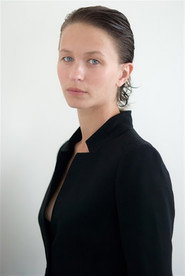 Delphine ChuillotIsabelle
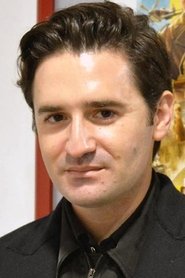 Nicolas MauryTavera
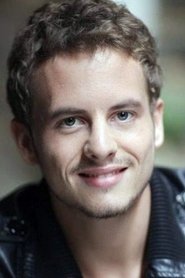 Rémy CarpentierJacques Paolini
Directing
- Nicolas KlotzDirector
Writing
- François EmmanuelStory
- Elisabeth PercevalWriter
Production
- Isabelle UngaroCasting
- Stéphane BatutCasting
- Jean-Christophe GigotExecutive Producer
- Michel ZanaProducer
- Sophie DulacProducer