
Film
The Shop on Main Street
A 1965 Czechoslovak masterpiece about a carpenter tasked with managing a Jewish widow's button shop under Nazi occupation. It's a chamber piece of moral suffocation—intimate, quietly devastating, with no easy answers. For anyone who wants their conscience genuinely troubled by cinema rather than reassured.
Should you watch it?
Watch it if you have a soft spot for quiet moral portraits, where a timid man's small compromises pile up until he has to look squarely at himself, and the film trusts you to notice.
Skip it if you need fast plotting or constant incident, since its opening stretch is patient character study with little to grip beyond small-town routine and petty compromise.
What it asks of you: Two hours and eight minutes of unhurried scenes, where the moral weight accumulates quietly rather than arriving in set-piece bursts.
Not sure? Find tonight's pick in a minute.
If you liked this
Come and See1985
A Soviet film about a boy conscripted into WWII that achieves what most war films only pretend to: it shows how occupation and violence annihilate childhood and innocence without sentiment or mercy.
But It is one of the most relentlessly punishing films ever made. There are stretches where the suffering feels almost unbearable to witness.

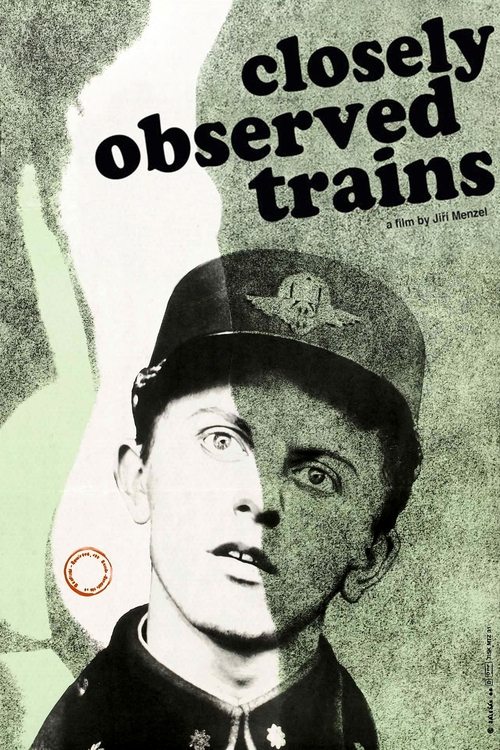
Closely Watched Trains1966
A Czech New Wave jewel about a young railway worker under Nazi occupation. It has The Shop's moral ambiguity and darkly comic tone, but finds moments of tenderness and even hope within the same historical machinery.
But The tone shifts between comedy and tragedy can feel jarring if you're expecting consistency. Some will find the lightness inappropriate given the subject matter.
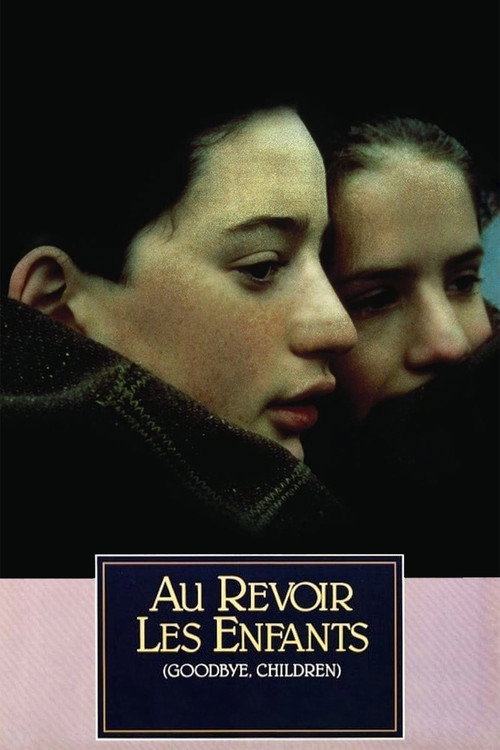
Au Revoir les Enfants1987
Loïs Malle's semi-autobiographical film about friendship between a Catholic boy and a Jewish boy in a French boarding school during WWII. It shares The Shop's focus on ordinary people navigating impossible moral situations.
But The pacing is deliberate and restrained. If you need dramatic confrontations or clear villains, the subtlety may feel slow.
Not sure tonight? Get a pick in a minute, starting from The Shop on Main Street
The wildcard
Something you would not have found on your own.
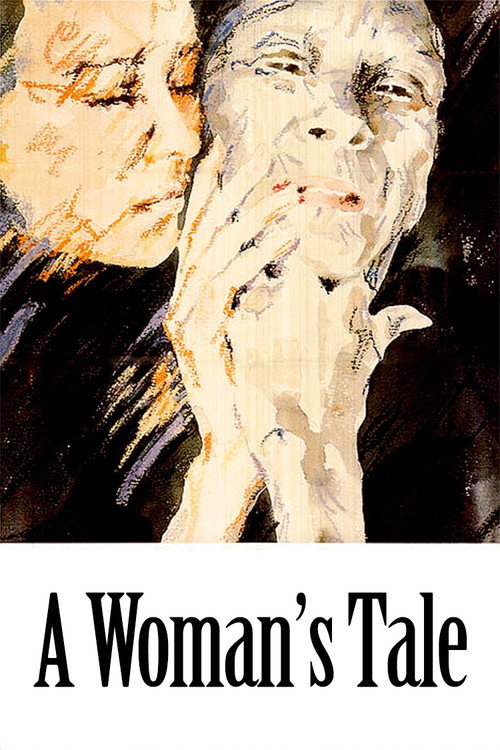
A Woman's Tale1991
Kamińska's final film role: the same actor playing an old woman facing the end of life, but this time as protagonist rather than symbol, in a film equally committed to unseemly realism and human grace.
Paul Cox's Australian film about an aging woman dying of cancer who insists on living fully until the end. It shares The Shop's refusal to sentimentalize human dignity in extremity—Ida Kamińska, the actress who played Rozalie, gives a final, extraordinary performance here.
But It's a quiet, intimate chamber piece about mortality that offers no narrative comfort. Some will find it too specific to aging and death to connect with.
More like this (8)
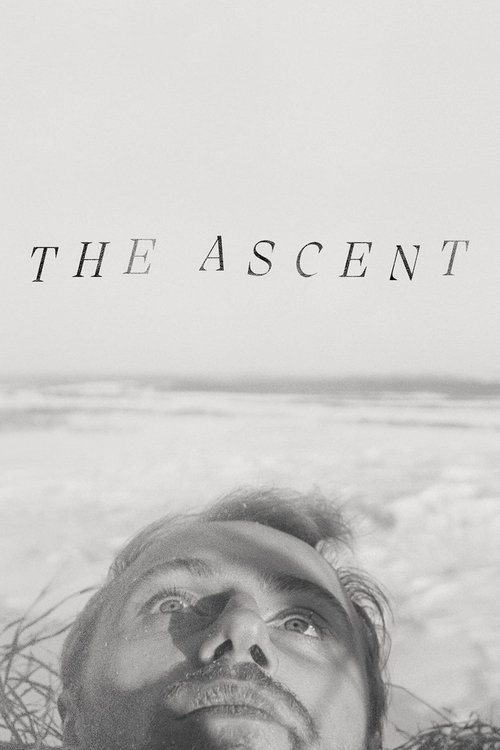
The Ascent1977
Two Soviet partisans hide in a village while wounded, forcing the inhabitants to choose between survival and conscience. Andriy Konchalovskiy creates the same suffocating moral pressure as The Shop, but in landscape and silence rather than dialogue.
But It's in Russian with subtitles and shot in bleak black-and-white. The philosophical weight and slow burn won't appeal to those wanting action or narrative momentum.
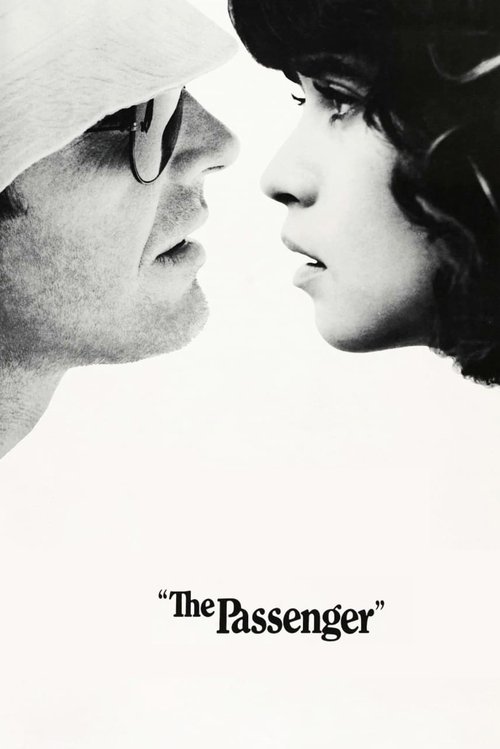
The Passenger1975
Michelangelo Antonioni's film about a man who assumes another identity, which gradually reveals itself as a study of complicity and moral evasion. It has The Shop's quiet examination of how ordinary people accommodate themselves to wrong.
But Antonioni is an acquired taste. Long takes and minimal plot can feel tedious if you're not attuned to observational cinema about internal states.
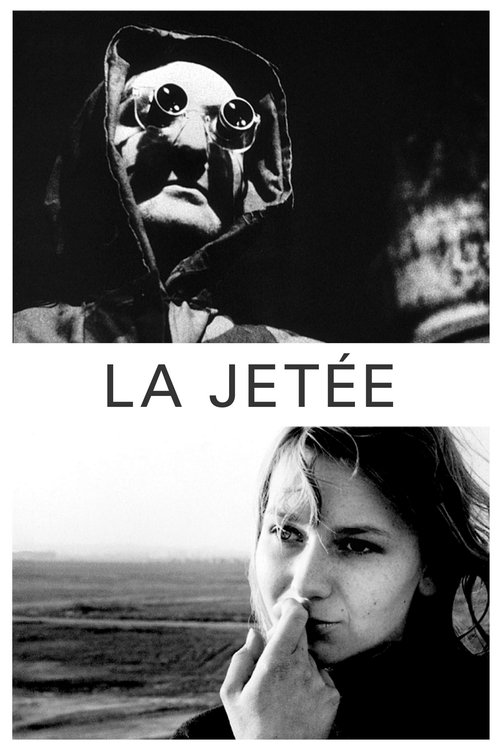
La Jetée1962
A Chris Marker science fiction film told almost entirely in still photographs, about a man traversing time after a nuclear catastrophe. It shares The Shop's focus on how individuals experience impossible historical moments, but through a radically different formal approach.
But At 28 minutes, it feels more like an experimental poem than a traditional film. The photograph-based medium is a barrier for viewers expecting conventional cinematography.
The Lives of Others2006
A Stasi agent in East Berlin becomes morally transformed through surveillance work. It matches The Shop's exploration of how proximity to another person's humanity can crack an ordinary person's moral certainties.
But Some find it too tidy in its redemption arc, offering catharsis where The Shop offers only anguish. The political context may feel less urgent than WWII.

Shoah1985
Claude Lanzmann's nine-hour documentary consists entirely of interviews with perpetrators, witnesses, and survivors. It approaches The Shop's moral questions from the opposite direction—testimony rather than fiction—but with equal moral seriousness.
But Nine hours is a genuine commitment. The absence of archival footage and reliance on voice and faces demands a different kind of attention than most viewers are trained for.

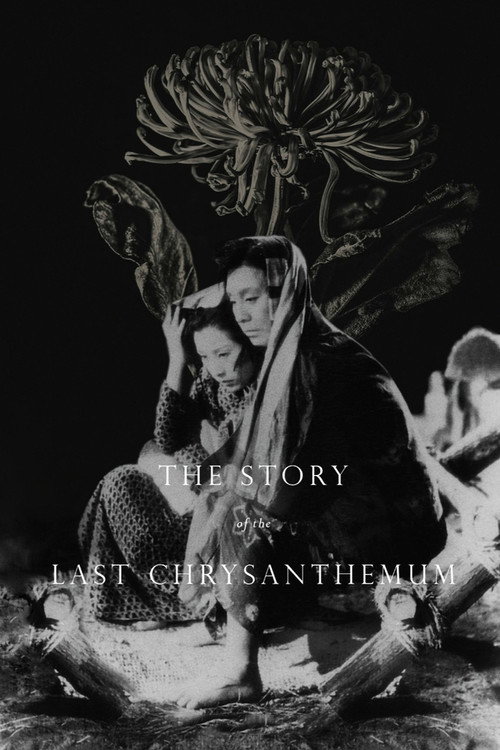
The Story of the Last Chrysanthemum1939
A Kenji Mizoguchi film about an actor who sacrifices everything for his art. It shares The Shop's interest in ordinary people's moral compromises and the cost of ambition within systems larger than themselves.
But It's a 1939 Japanese film in black-and-white, and its emotional register is distant and formal. The pacing is glacial by modern standards.
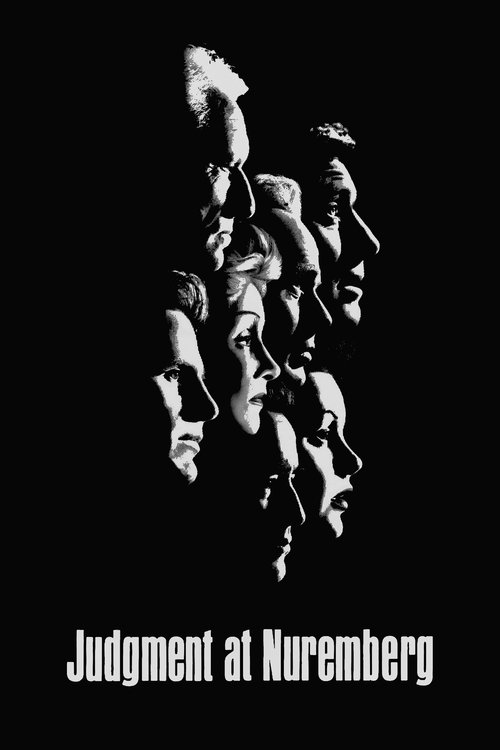
Judgment at Nuremberg1961
Both examine the question 'What is responsibility?' but from opposite ends: the carpenter and the widow at the ground level, the judges and prosecutors in the formal machinery that created the ground conditions for that carpenter's moral trap.
Stanley Kramer's courtroom drama about the prosecution of Nazi judges. Where The Shop shows how ordinary people become complicit through inaction, this shows how institutional authority uses law to rationalize complicity at the highest levels.
But It's a long courtroom film with extended speeches. The moral arguments, though important, can feel rhetorical compared to The Shop's intimate moral suffocation.
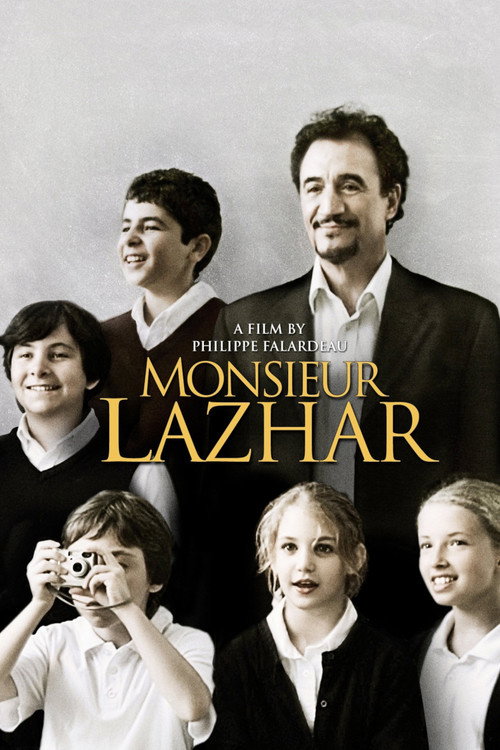
Monsieur Lazhar2011
Same structural question pursued in a completely different register: what does one person's kindness accomplish against institutional forces? The Shop answers bleakly; this one finds a quieter, sadder answer through children and immigration rather than war.
A Québécois film about an Algerian immigrant who becomes a substitute teacher in a Montreal elementary school after a traumatic death. It mirrors The Shop's structure: a quiet outsider bringing unexpected humanity to an institution, and the cost of that choice when systems fail.
But It's subtle and Canadian in register—gentle where The Shop is quietly grim. Some may find it too understated, and the emotional stakes feel less extreme than WWII occupation.
People
Cast
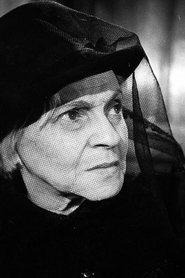 Ida KamińskaRozalia Lautmannová
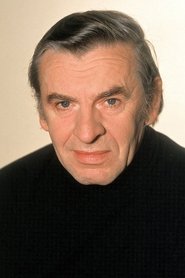 Jozef KronerAntonin 'Tono' Brtko
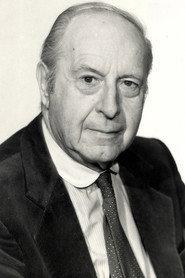 František ZvaríkMarkus Kolkocký
- Hana SlivkováEvelyna Brtková
- Martin HollýImro Kuchár
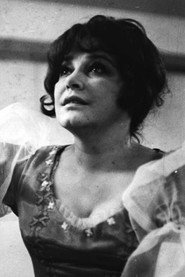 Elena Zvaríková-PappováRuzena Kolkocká
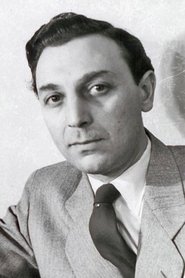 Martin GregorJozef Katz
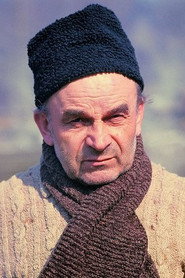 Adam MatejkaPiti Báci
- Mikuláš LadižinskýMarian Peter
- Alojz KramárBalko
- Eugen SenajBlau
Directing
- René MattesAssistant Director
- Tomáš ŠkrdlantAssistant Director
- Elmar KlosDirector
- Ján KadárDirector
- Juraj HerzFirst Assistant Director
Writing
- Miloš BrožCreative Producer
- Ladislav GrosmanNovel
- Elmar KlosScreenplay
- Ján KadárScreenplay
- Ladislav GrosmanScreenplay
Production
- Jaromír LukášAssistant Production Manager
- Jordan BalurovAssistant Production Manager
- Karel FeixExecutive Producer
- Jaroslav ProkopLine Producer
- Ladislav HanušProduction Manager
- Jaromír LukášUnit Production Manager