
Film
Only the Animals
A French crime drama where a woman's disappearance during a snowstorm unravels the hidden lives of five people connected to her. Told in interlocking perspectives, it's a slow-burn investigation that privileges character psychology over plot mechanics. For viewers patient with ambiguity and drawn to morally murky rural noir.
Should you watch it?
Watch it if you are drawn to slow, morally tangled crime stories where the mystery matters less than the rural silences and the way ordinary people carry their secrets, a little like the patient unease of Simenon's provincial novels.
Skip it if you want the investigation to drive the plot forward; this is a film of long pauses, overlapping perspectives and a mood that settles in rather than pulls you along.
What it asks of you: It asks for close attention and patience across a little under two hours, with a cold, quiet tone that rewards you for noticing small looks and gestures rather than following clues.
Not sure? Find tonight's pick in a minute.
If you liked this
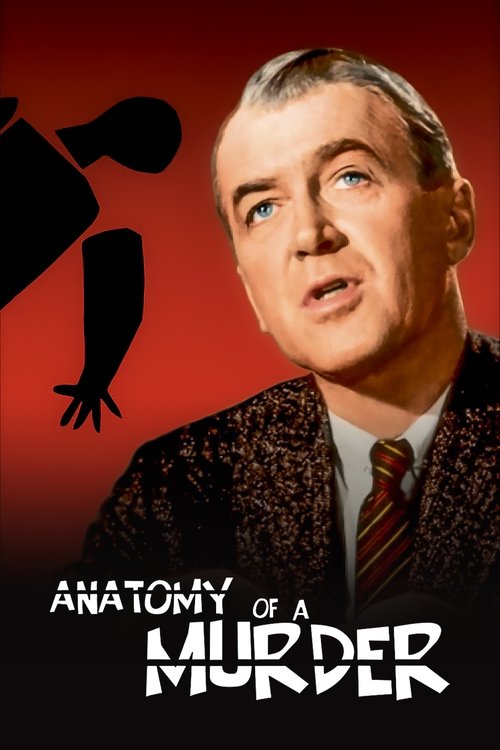
Anatomy of a Murder1959
A foundational courtroom drama that builds its power from competing narratives and unreliable testimony. Like Only the Animals, it trusts the audience to sit with contradiction and judge for themselves.
But Nearly four hours long and concerned with procedural detail rather than action. The pacing is measured to the point of glacial.
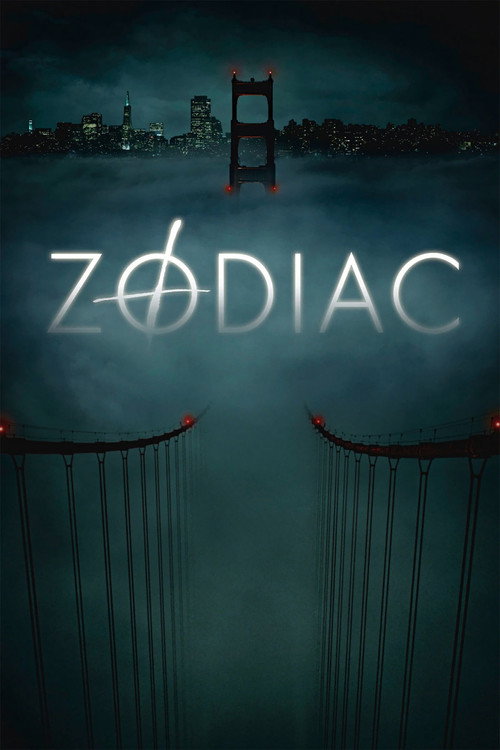
Zodiac2007
Fincher's obsessive procedural about a killer hunted across decades. Both films treat investigation as psychological portrait, more interested in how obsession shapes the hunters than in the hunted.
But Very long, very dense, and the resolution may feel unsatisfying if you're after closure. The real story is internal.
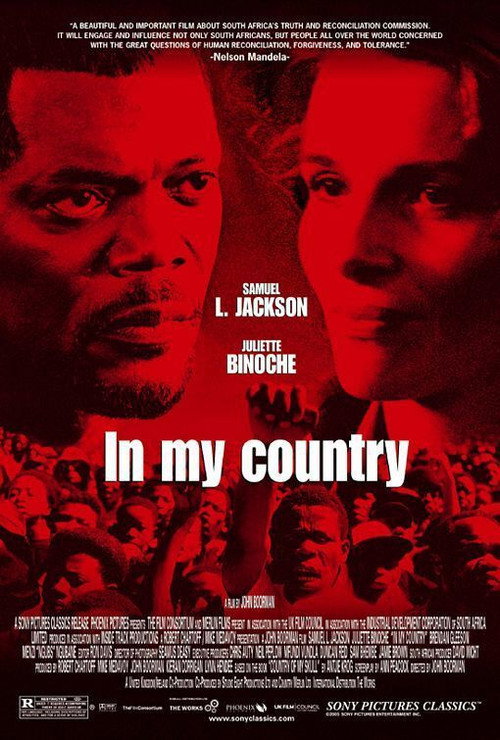
In My Country2004
Truth and reconciliation commission drama set in post-apartheid South Africa. Like Only the Animals, it examines how secrets bind people together and how revelation destroys them.
But The political context may feel removed from your experience, and the emotional beats are heavy-handed at moments.
Not sure tonight? Get a pick in a minute, starting from Only the Animals
The wildcard
Something you would not have found on your own.
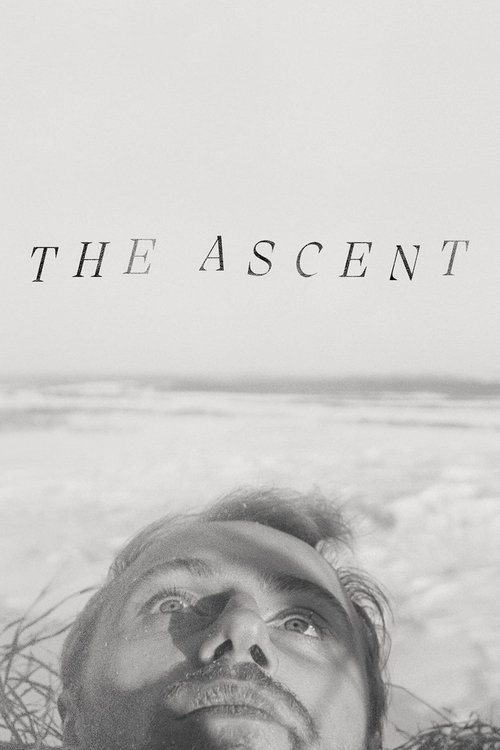
The Ascent1977
Both films treat a specific crime or transgression as a lens for examining how ordinary people navigate moral corruption and complicity within their own communities.
Two Soviet partisans on a doomed mission during WWII encounter a village, temptation, and moral tests. Like Only the Animals, it uses landscape and moral choice as its true subject, and the investigation of conscience is more compelling than plot.
But Black-and-white, Soviet-era pacing, and deeply Christian allegory. The abstraction will alienate those wanting narrative momentum or genre satisfaction.
More like this (8)
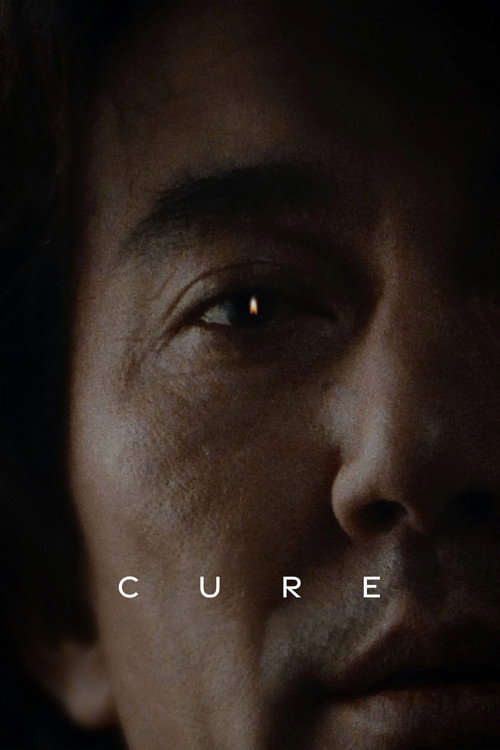
Cure1997
A Japanese crime film that treats investigation as philosophical inquiry. Both work by suggestion and atmosphere rather than exposition; both suggest that understanding motive may be impossible.
But Deliberately opaque and unsettling. If you want clarity, you will not find it, and the film seems to enjoy that.
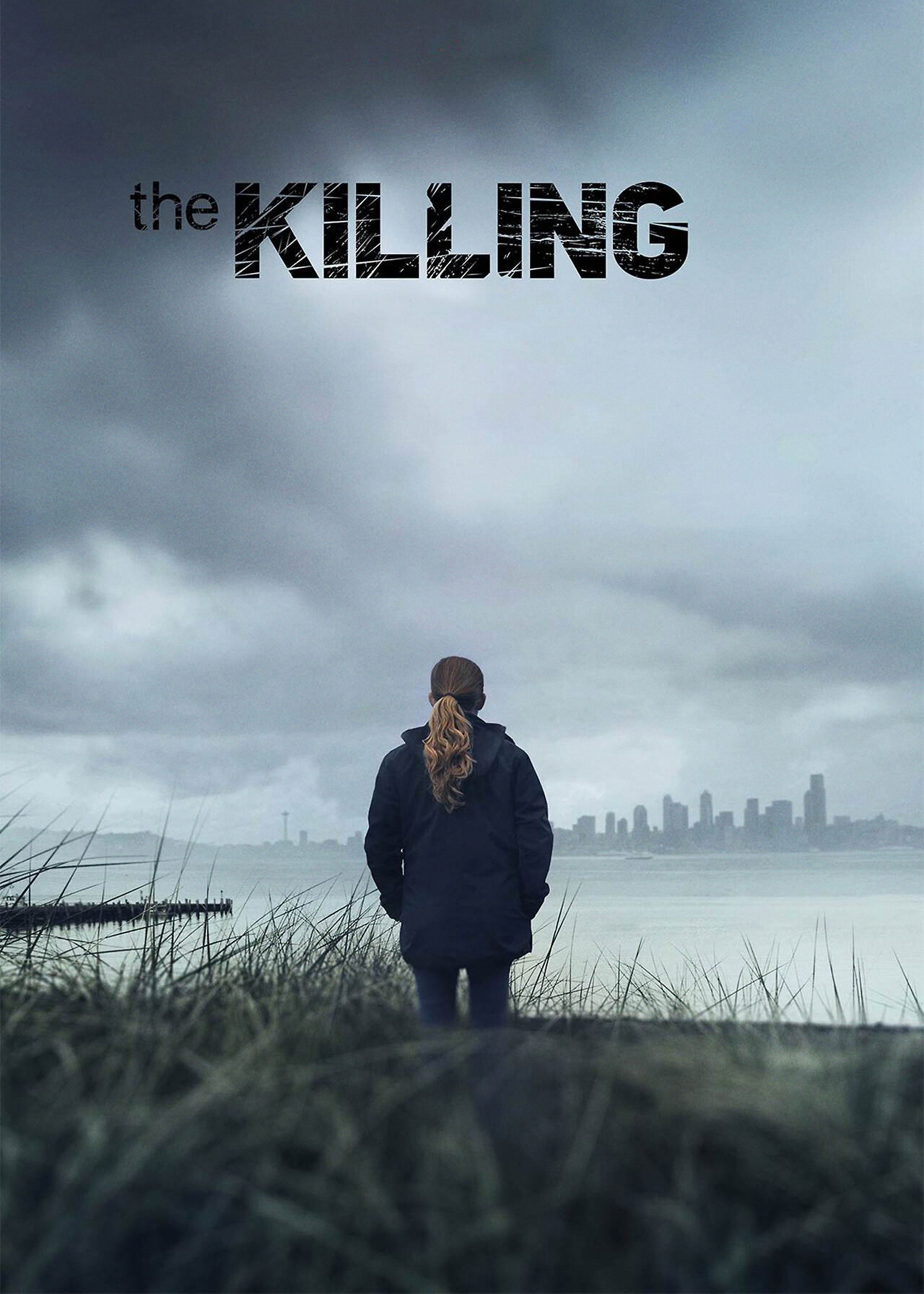
The Killing2011
Danish noir about a murder investigation that slowly reveals the fractures in a community. It shares the same patient, character-first approach and the same willingness to let ambiguity stand.
But Forty episodes is a commitment, and the slow burn will test you. Not every revelation feels earned.
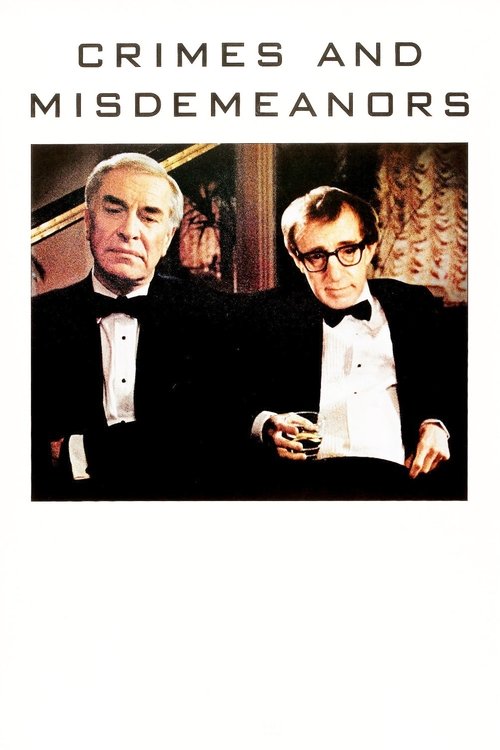
Crimes and Misdemeanors1989
Allen's moral tragedy about a man who commits murder and lives with it. Both films are concerned with guilt, complicity, and how small communities enable terrible secrets.
But Dated gender politics and a tonal shift into comedy that some find jarring. The philosophy can feel heavy-handed.
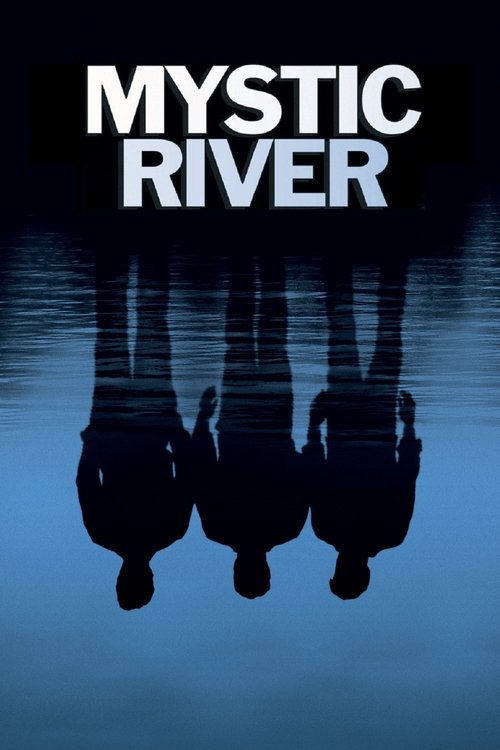
Mystic River2003
Three men haunted by childhood trauma and adult crime. Eastwood's film shares the focus on how violence ripples through a network of connected lives, and the same sense that truth may be worse than mystery.
But Grim and bleak throughout. Some plot points feel manipulative in retrospect, and the ending is bruising.
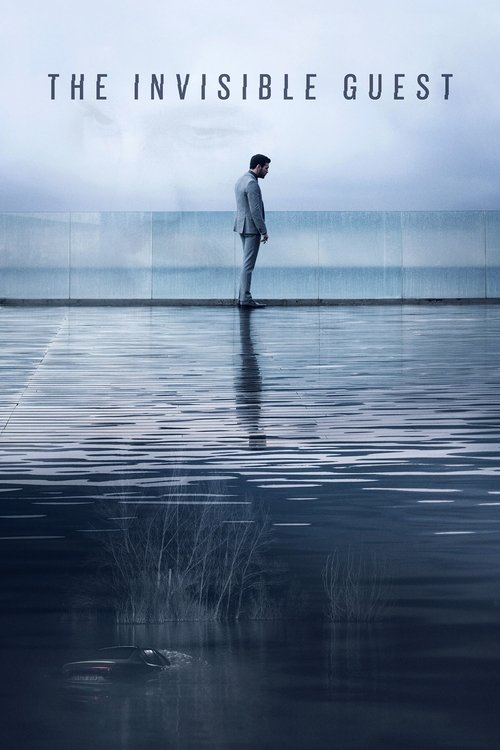
The Invisible Guest2017
A Spanish thriller about a murder mystery told through shifting testimonies and secrets. Like Only the Animals, it's constructed as a series of revelations that remake everything you thought you knew.
But Relies heavily on plot mechanics and twist logic. If you guess the structure early, the appeal drains away.
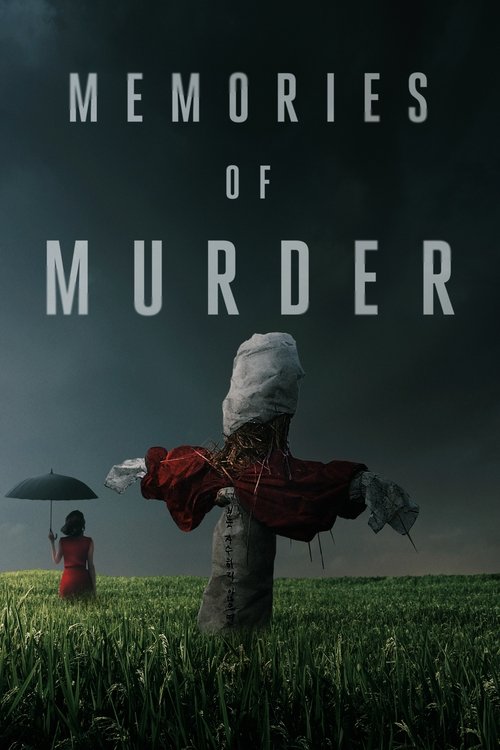
Memories of Murder2003
Bong Joon-ho's investigation of serial killings in 1980s South Korea. Both films are about the gap between what happened and what can be proven, and how that gap destroys faith.
But Brutal violence and a deeply unsettling final scene. The tone shifts between procedural and nightmare in ways that can feel destabilizing.
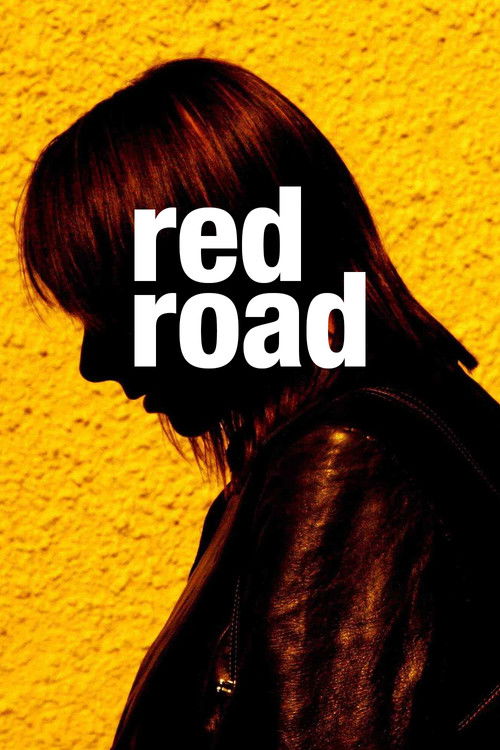
Red Road2006
Both withhold crucial information about a central character until the final act, reframing everything you've understood about motive and culpability. The revelation is not cathartic—it's corrosive.
A Scottish CCTV operator becomes obsessed with a man on her screens, and the film quietly demolishes every assumption you've made about her motivations and morality. Both are investigations where the investigator becomes the most unreliable witness.
But The plot twist feels designed to provoke rather than illuminate, and some will read it as misogynistic. Bleak and punishing in its view of human nature.
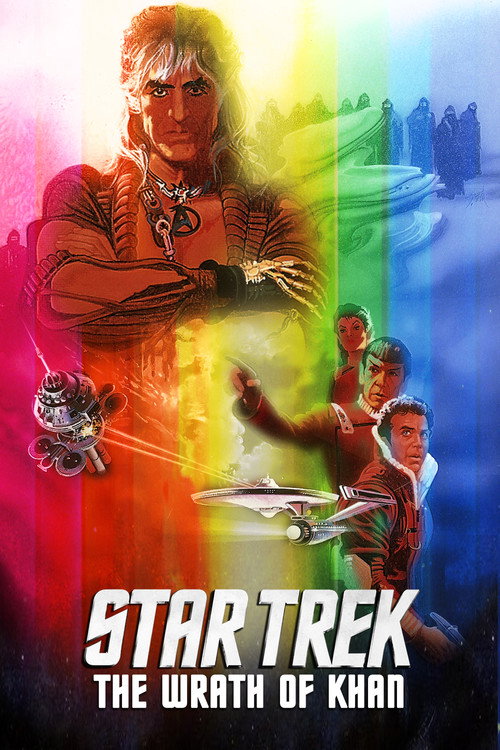
Star Trek II: The Wrath of Khan1982
Both are structured around the revelation of hidden connections and old betrayals between characters. Both ask: how much of what is happening now is actually about what happened before? Both suggest the answer is everything.
A space opera about two men locked in a conflict rooted in years of hidden resentment and buried history. Both films work by excavating the past and showing how old wounds shape present violence in ways characters don't fully understand.
But If you're not a Trek fan, the genre trappings may feel silly. The parallel structure to Only the Animals only works if you accept the film's philosophical register.
People
Cast
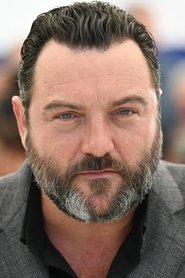 Denis MénochetMichel Farange
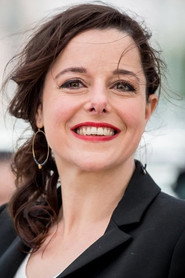 Laure CalamyAlice Farange, Michel's wife
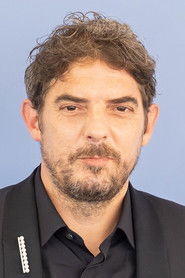 Damien BonnardJoseph Bonnefille, isolated farmer
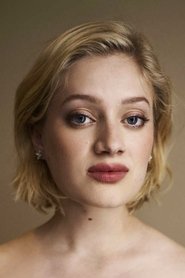 Nadia TereszkiewiczMarion, young lover
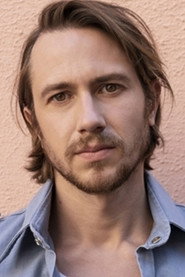 Bastien BouillonGendarme Cédric Vigier
 Valeria Bruni TedeschiEvelyne Ducat
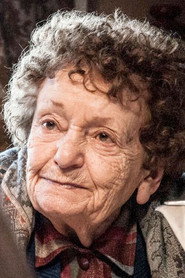 Jenny BellayMadame Calvet
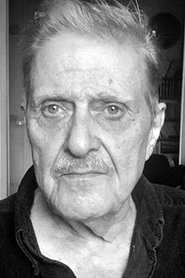 Fred UlysseAlice's father
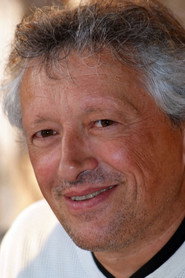 Roland PlantinGuillaume Ducat
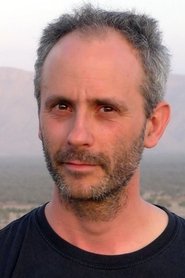 Colin NielCooperative seller
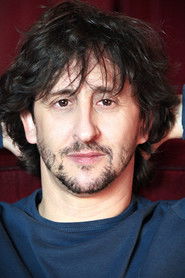 David FaureCamping Guy
- Bruno CanredonTV journalist
Directing
- Dominik MollDirector
- Thierry VerrierFirst Assistant Director
- Estelle Bonnet-GérardScript Supervisor
Writing
- Colin NielNovel
- Dominik MollScreenplay
- Gilles MarchandScreenplay
Production
- Agathe HassenforderCasting
- Gerhard MeixnerCo-Producer
- Roman PaulCo-Producer
- Barbara LetellierProducer
- Carole ScottaProducer
- Caroline BenjoProducer
- Simon ArnalProducer
- Diego Urgoiti-MoinotProduction Manager