
Film
The Zero Theorem
- Mystery
- Strange
Terry Gilliam's fever dream about a brilliant misanthrope convinced existence is meaningless, hired by a vast corporation to prove it mathematically. Gorgeously grotesque production design, baroque dialogue, and Christoph Waltz at peak neurotic intensity. It's hypnotic and punishing in equal measure—for viewers who find beauty in formal ambition and don't mind when films refuse to comfort you.
Should you watch it?
Watch it if you love dense, cluttered, anarchic satire where a bleak joke about modern life keeps tipping into genuine melancholy, and you don't mind a film that feels like someone's fevered private obsession.
Skip it if you want a tidy plot that pays off in neat steps, because this one wanders, repeats its gags and asks you to sit with its gloom.
What it asks of you: Expect a loud, visually crowded ride that runs at the pace of a restless mind rather than the clock, asking patience with long stretches of drifting.
Not sure? Find tonight's pick in a minute.
If you liked this
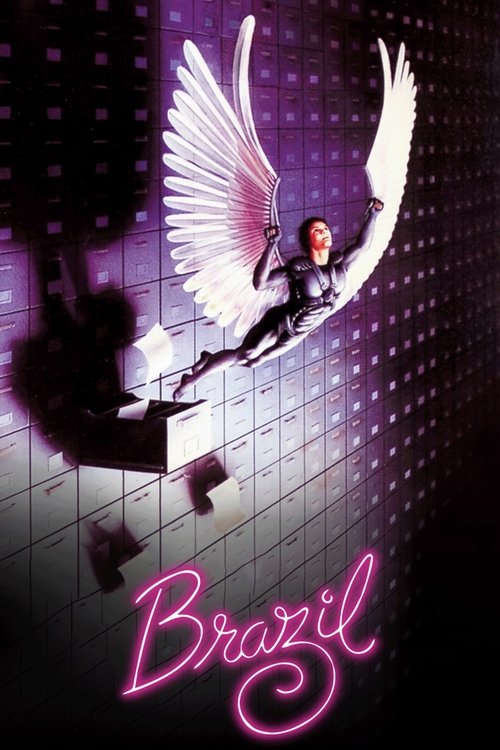
Brazil1985
The spiritual predecessor: Gilliam's own masterpiece about an individual crushed by an absurd bureaucratic system, made with the same visual invention and dark humanism. Essential viewing to understand where Gilliam's obsessions originate.
But It's longer, denser, and even more narratively chaotic. The ending is genuinely difficult to sit with, and the print quality on many versions is poor.
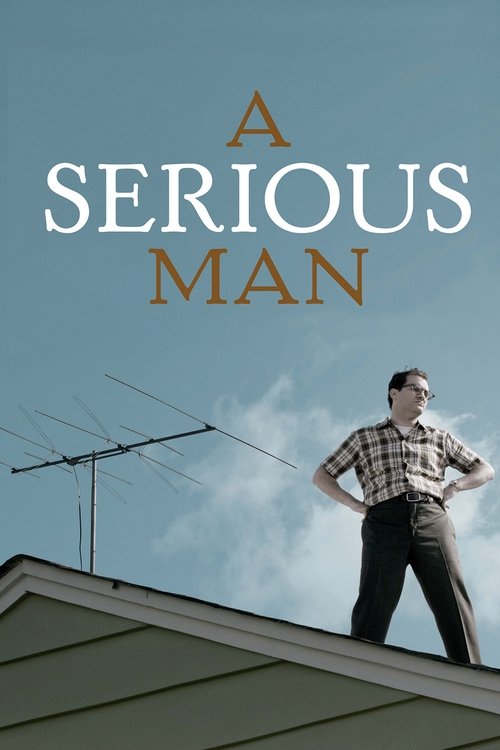
A Serious Man2009
A modern American Job narrative: good man gets systematically destroyed by forces beyond understanding, filmed with precise, escalating dread. Similar philosophical unease wrapped in a tighter, grimmer package with real comedic bite.
But The Coens' detachment can feel cold. It's bleaker than *Zero Theorem* without the baroque visual compensation, which some find punitive.
Synecdoche, New York2008
Charlie Kaufman's only directorial feature: an ambitious artist spirals into solipsistic collapse while building an impossible work. Both films wrestle with meaning-making through surrealist aesthetics and feature obsessed protagonists undone by their own minds.
But It's nearly two and a half hours of dense, recursive sadness with little comic relief. The narrative deliberately resists clarity, which frustrates as often as it fascinates.

Not sure tonight? Get a pick in a minute, starting from The Zero Theorem
The wildcard
Something you would not have found on your own.
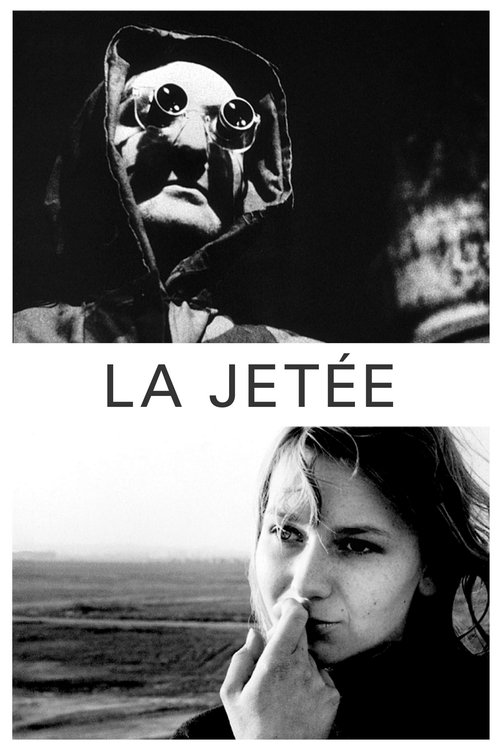
La Jetée1962
Both interrogate whether existence can be understood logically; both use sci-fi as a Trojan horse for philosophical meditation rather than action or spectacle.
Chris Marker's 28-minute science fiction poem made almost entirely of still photographs and narration. Pure ideas about time and consciousness made visible through form itself—achieves more philosophical depth in half an hour than most features manage in two.
But It's radically minimalist; if you need plot momentum and human drama, this will feel like a gallery installation rather than a film.
More like this (8)
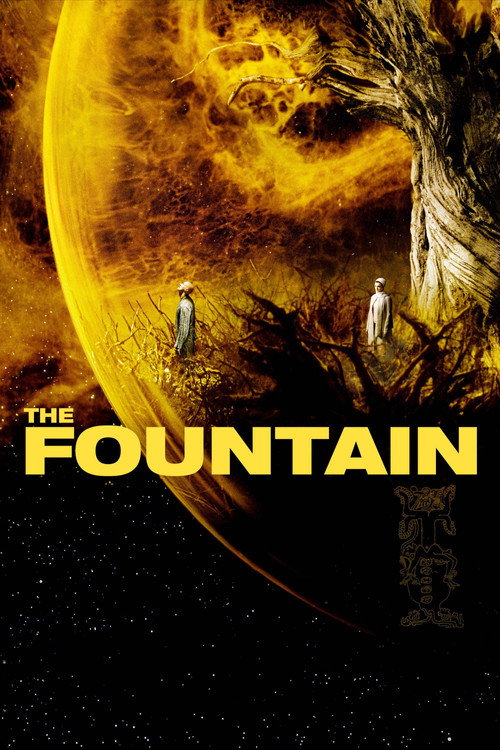
The Fountain2006
Darren Aronofsky's most audacious film: three love stories across time, bound by a search for meaning and transcendence. Wild formal ambition and genuine emotional stakes, with visual language as important as plot.
But It's willfully oblique and asks you to meet it in abstraction. Many find it indulgent; the special effects, while striking, show their age badly.
Under the Skin2014
Jonathan Glazel's glacial sci-fi: an alien surveys humanity with detachment and horror. Shares *Zero Theorem*'s sense of alienation and philosophical estrangement, told almost entirely through mood, sound design, and what you don't see.
But Glacially paced and almost plotless. Long stretches of ambiguous silence and driving footage test patience; the inciting incident arrives without fanfare.

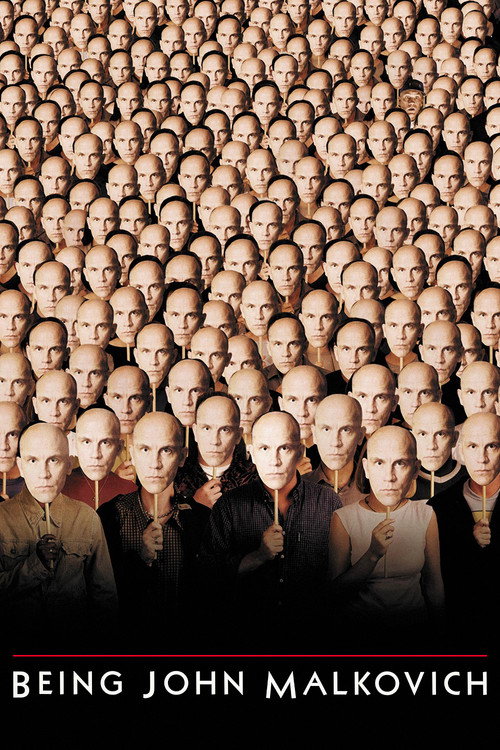
Being John Malkovich1999
Spike Jonze and Charlie Kaufman's debut: a portal into an actor's head becomes a meditation on identity, desire, and meaning. Absurdist premise executed with precision and genuine heart, funny and unsettling in turns.
But The sexual content and manipulation at its core can feel creepy and unresolved. Some find the magical realism precious rather than profound.
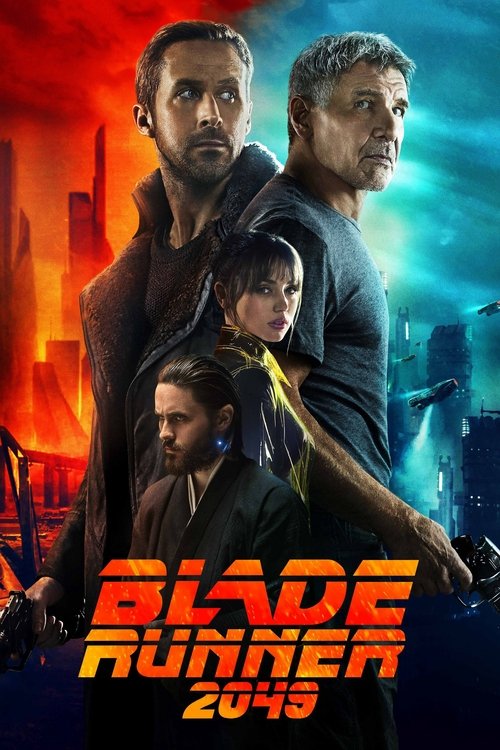
Blade Runner 20492017
Denis Villeneuve's three-hour meditation on purpose and authenticity, framed as a noir mystery. Staggeringly beautiful cinematography in service of existential questions about whether meaning matters if you're not human.
But Virtually no plot momentum despite its length. If you don't buy into the existential wrestling, you're watching a slow, distant film about nothing happening.
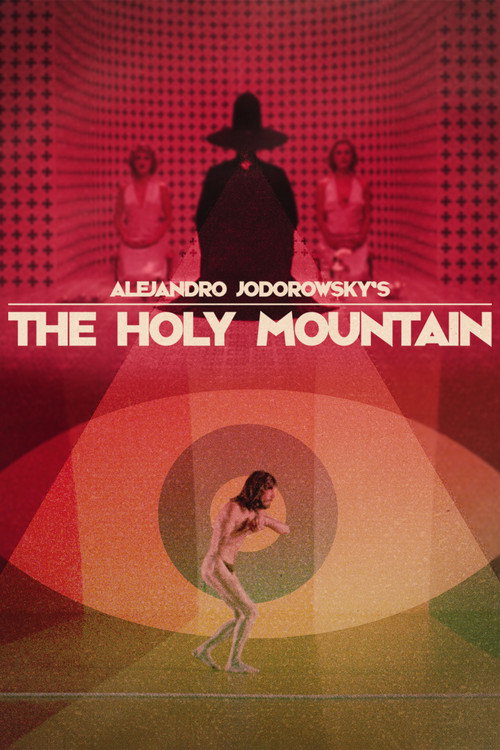
The Holy Mountain1973
Jodorowsky's surrealist masterpiece: spiritual pilgrimage through a nightmarish landscape of symbolic grotesquerie. If *Zero Theorem* makes you crave more baroque weirdness in service of genuine philosophical questions, this is it.
But Aggressively strange, often gross, and entirely resistant to conventional interpretation. It's a provocation as much as it's a film.
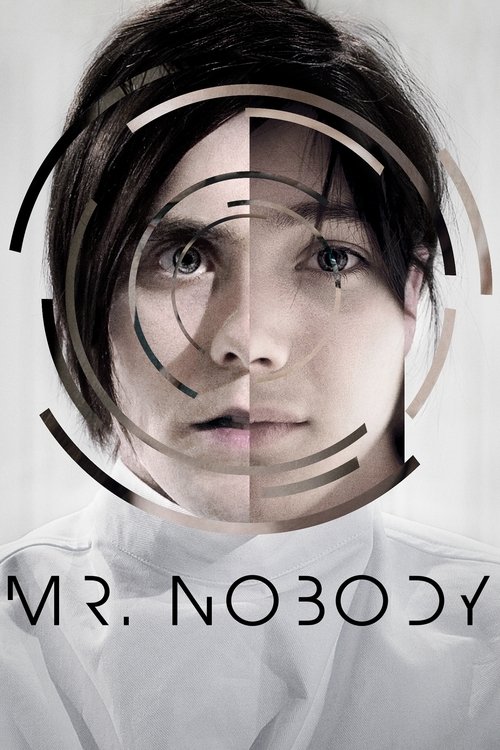
Mr. Nobody2009
Marc Forster's sprawling, multiverse-hopping meditation on choice and consequence. A similarly ambitious attempt to visualize abstract philosophy through color and narrative fracture, with surprising emotional warmth.
But At two and a half hours, it frequently collapses under its own conceptual weight and can feel like a beautiful, expensive mess.
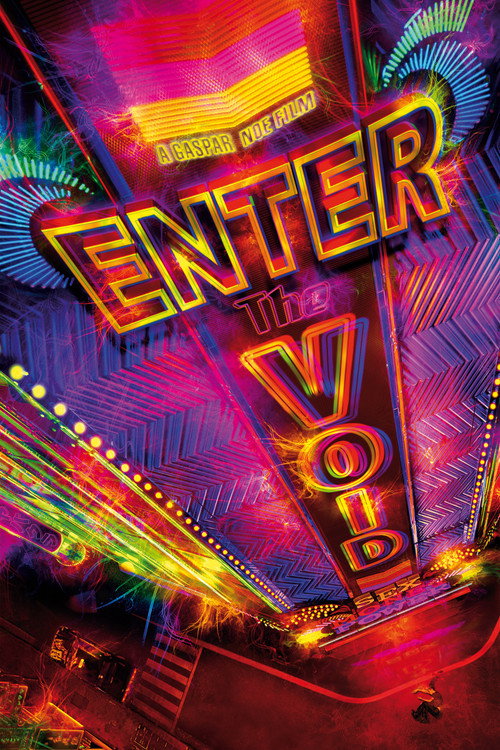
Enter the Void2010
Both trap you inside a alienated consciousness that can't connect to the world; both treat the search for meaning as a journey through garish, overstimulating landscapes.
Gaspar Noé's first-person descent through Tokyo's neon underworld and the afterlife, shot in continuous POV. Formally daring in a way that makes *Zero Theorem* look restrained—a genuine attempt to visualize consciousness itself through image.
But Deliberately nauseating; repetitive electronic soundtrack, strobe effects, and an almost plotless structure designed to alienate rather than entertain. Can induce actual discomfort.
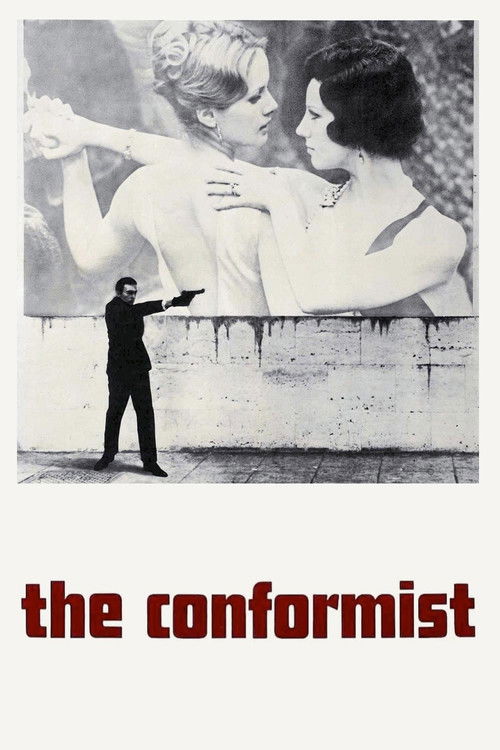
The Conformist1971
Both feature protagonists whose disconnection from human feeling becomes total; both suggest that accepting the system's logic is the only escape from confronting meaninglessness.
Bernardo Bertolucci's masterpiece about a man who disappears into ideology to escape his own alienation. Visually baroque and morally complex, using design and color as weapons—a political thriller that's also a portrait of existential emptiness.
But It's slow, internally focused, and concerned with ideas rather than events. The fascist politics at its center are disturbing without offering catharsis.
People
Cast
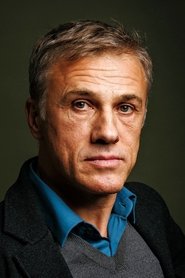 Christoph WaltzQohen Leth
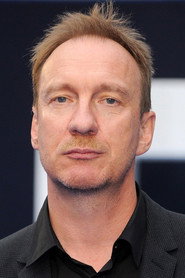 David ThewlisJoby
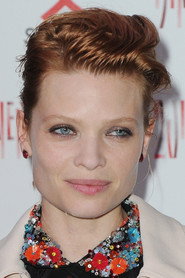 Mélanie ThierryBainsley
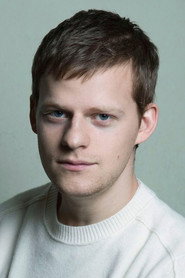 Lucas HedgesBob
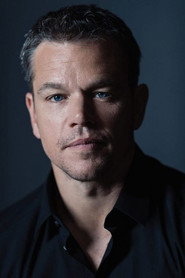 Matt DamonManagement
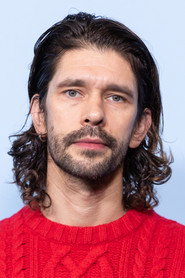 Ben WhishawDoctor 3
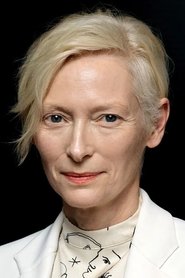 Tilda SwintonDr. Shrink-Rom
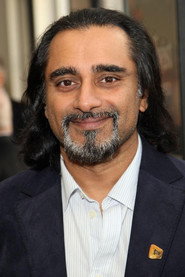 Sanjeev BhaskarDoctor 1
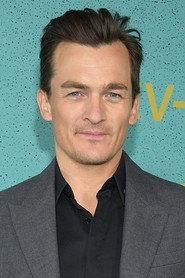 Rupert FriendTV Presenter
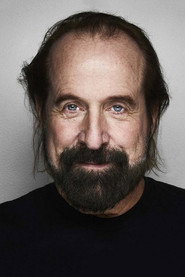 Peter StormareDoctor 2
- Margarita DoyleMancom Computerised Lips
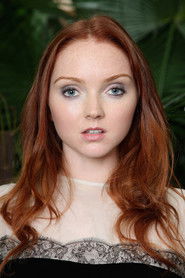 Lily ColeWoman in Street Commercial
Directing
- Terry GilliamDirector
- Andra BarbuicaScript Supervisor
- Ruxandra GhițescuScript Supervisor
Writing
- Pat RushinScreenplay
Production
- Ana Maria BulataCasting
- Irene LambCasting
- Christoph WaltzCo-Producer
- Patrick NewallExecutive Producer
- Sorina DumitruLocation Manager
- Andreea StanculeanuProducer
- Andrei BonceaProducer
- Chris CurlingProducer
- Dean ZanuckProducer
- Jean LabadieProducer
- Nicolas ChartierProducer
- Phil RobertsonProducer
- Zev ForemanProducer