
Film
Film
Buster Keaton's final film is a haunting 20-minute parable about surveillance and the impossibility of hiding. Spare and conceptual, it strips away the comedian's trademark physical gags for something darker—a man hunted by an omniscient presence he can never escape. Quietly devastating, especially knowing it was made when Keaton was in his seventies.
If you liked this
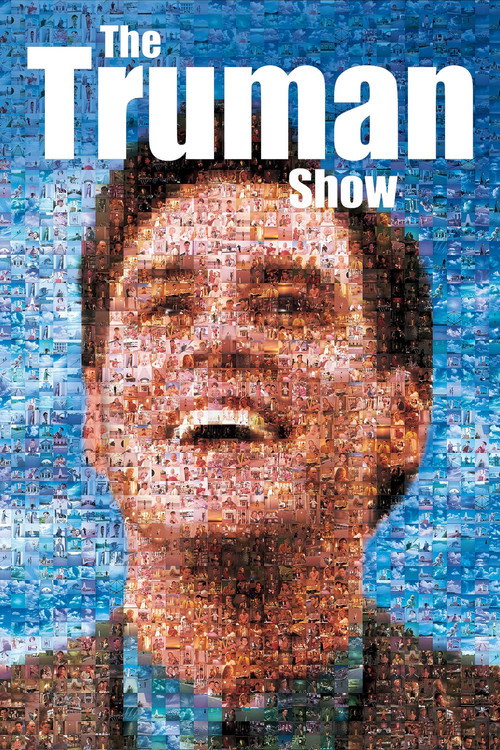
The Truman Show1998
A man discovers his entire world is constructed and watched. Like Keaton's film, it's about the suffocating horror of constant observation, but wraps it in Carrey's desperation and Weir's visual wit.
But Its philosophical dread gets undercut by Hollywood sentiment and a tidy, hopeful ending that contradicts what the premise actually means.
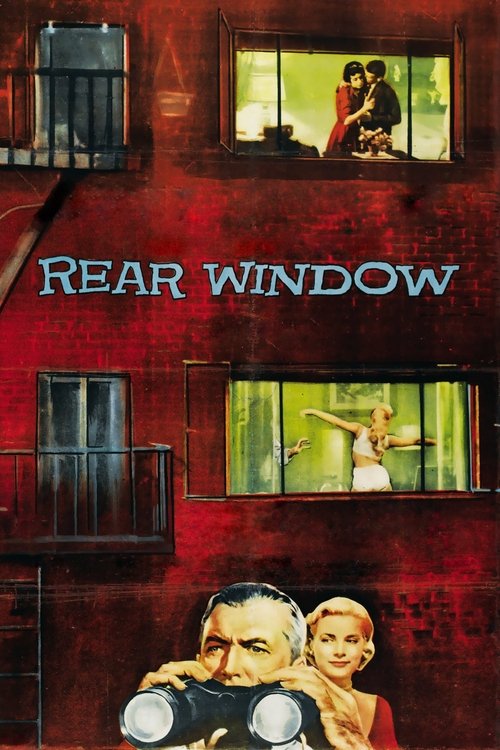
Rear Window1954
Hitchcock's masterpiece about watching and the moral cost of voyeurism. It has Keaton's understanding that observation is violation, but channels it through suspense and a man paralyzed in every sense.
But It's a thriller first, so it prioritises plot momentum over the slow, suffocating dread that makes Keaton's version so uncomfortable.
Stalker1979
Tarkovsky's three-hour meditation on desire, surveillance, and what we're willing to risk for what we think we want. Shares Keaton's sense of inexorable, invisible forces closing in.
But Glacially paced. Tarkovsky trusts you to sit with silence and uncertainty in ways modern cinema has trained you not to tolerate.

Not sure tonight? Get a pick in a minute, starting from Film
The wildcard
Something you would not have found on your own.
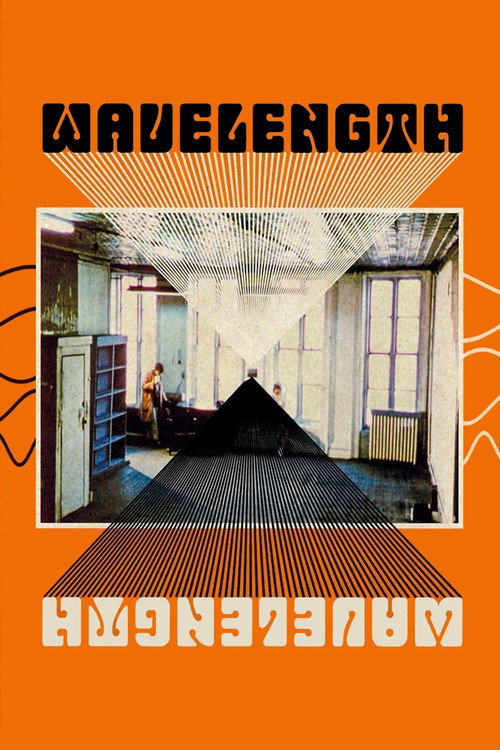
Wavelength1967
Both works reduce cinema to surveillance and time; both ask what happens when all escape routes close.
Michael Snow's experimental 45-minute static shot of a room being surveilled by a camera that slowly zooms toward a photograph on the wall. Pure cinema about observation itself. Made just after Keaton's film, it completes what he began.
But It is not a story. It is not comfortable. Most people will find it unwatchable, and that's the point.
More like this (8)
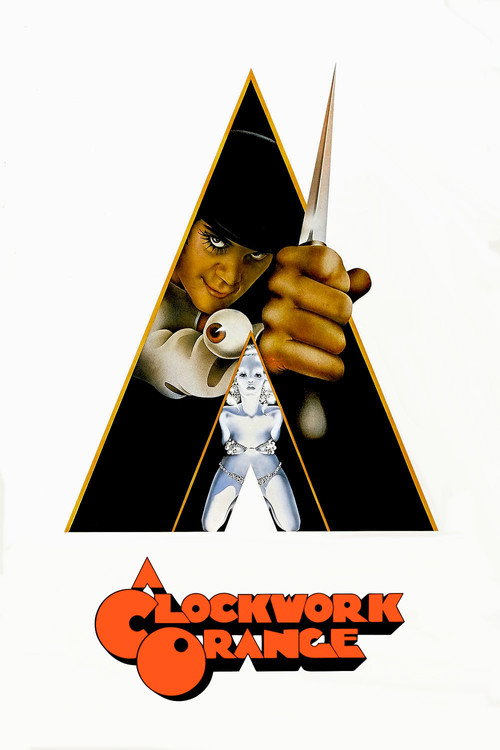
A Clockwork Orange1971
Kubrick's vision of a man stripped of autonomy and observed, studied, controlled. It's visceral where Keaton is austere, but both ask whether surveillance can ever be just.
But Its violence and sexual content still provoke; some will feel Kubrick is exploiting what he claims to critique.
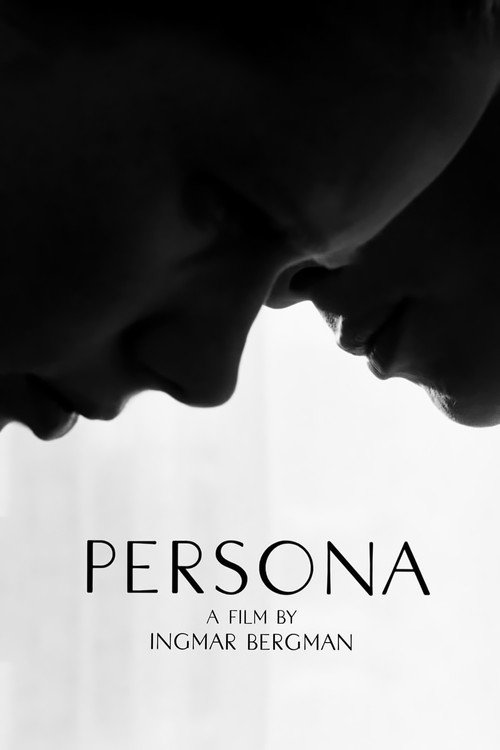
Persona1966
Bergman's two-hander about identity, observation, and the self dissolving under scrutiny. Released the year after Keaton's film, it shares that era's austere, philosophical unease.
But Deliberately obscure and formally challenging. If you need a film to explain itself, this one won't help you.
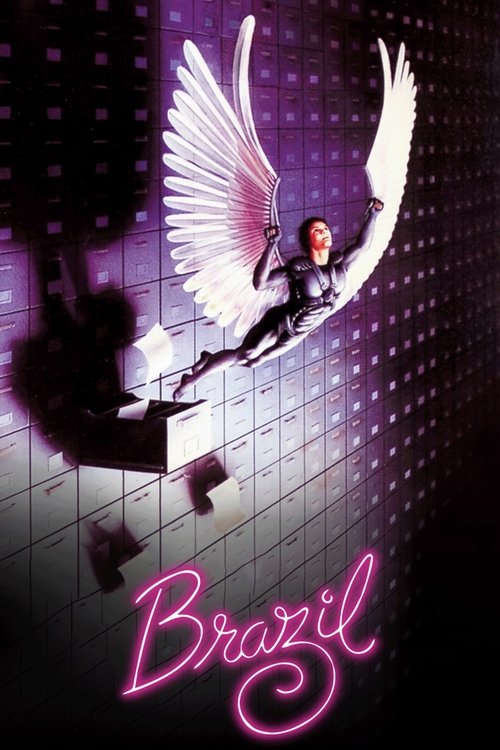
Brazil1985
Gilliam's baroque nightmare of bureaucratic surveillance and paranoia. It has Keaton's sense of inescapable systems, but expresses it through surrealist chaos instead of minimalist calm.
But Its maximalist visual noise is the opposite of Keaton's restraint, and the film's structure can feel exhausting rather than clarifying.
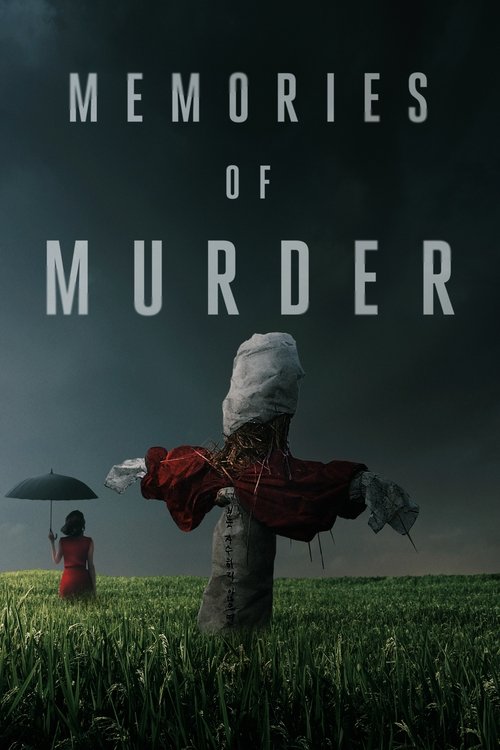
Memories of Murder2003
Bong Joon-ho's procedural about cops hunting a killer in a world where truth is unstable. It carries Keaton's dread—the sense that you're being watched by forces you can't comprehend or fight.
But It's a long, complex police drama that demands attention and rewards it unequally in parts.
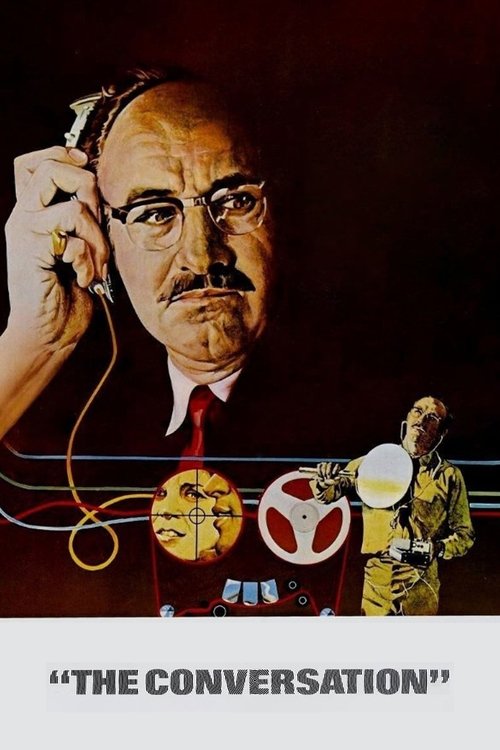
The Conversation1974
Coppola's paranoia masterpiece about a surveillance expert whose tools turn inward. It's about the corrosive effect of watching and being watched, with Gene Hackman's quiet panic.
But The 1970s aesthetic will feel dated to some, and the pacing is deliberate to the point of testing patience.
Under the Skin2014
Glazer's elliptical sci-fi horror uses observation as its language—a woman (Scarlett Johansson) observing humans before something observes her. Shares Keaton's sense of invisible threat.
But Narrative is secondary to mood and abstraction. It requires surrender to ambiguity and discomfort in equal measure.

The Lives of Others2006
Both centre on a man and the omniscient eye. Where Keaton offers no escape, Florian Henckel von Donnersmarck suggests that even watchers can break free.
A Stasi secret policeman assigned to spy on a playwright gradually becomes human through watching his target's life. German drama about observation, empathy, and the soul eroded by state surveillance.
But It offers moral redemption and human connection—the opposite of Keaton's bleakness, which some will read as sentimental.

Synecdoche, New York2008
Both explore the impossibility of privacy even from yourself. Keaton's man is watched from outside; Kaufman's watches and becomes his own subject simultaneously.
Kaufman's bewildering masterpiece about a theatre director creating a life-size replica of New York inside a warehouse, then living in it. A man becomes the subject of his own observation. Surreal, devastating, formally daring.
But It's a puzzle box that may never fully unlock. The tone lurches between comedy and despair; the structure is deliberately labyrinthine.

People
Cast
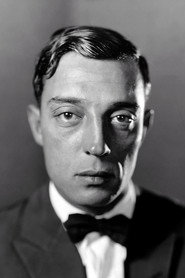 Buster KeatonThe Man
- Nell HarrisonOld Woman
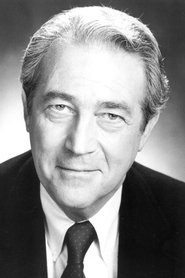 James KarenPasserby
- Susan ReedPasserby
Directing
- Alan SchneiderDirector
- Samuel BeckettDirector
Writing
- Samuel BeckettWriter