
Film
Tableaux Vivants
- Strange
- Slow-burning
A ten-minute experimental film that plays with time reversals and the boundary between nature and artifice. Tableaux Vivants treats the outdoors as a stage, asking what happens when we watch the world backwards and see the natural world as constructed performance. It's meditative, formally playful, and entirely wordless—for viewers comfortable with cinema that thinks rather than explains.
If you liked this
Sans Soleil1983
Chris Marker's essay-film moves fluidly through time and geography, using reversal and fragmentation to interrogate memory and cinema itself. Hypnotic, philosophical, endlessly rewatchable.
But It's essayistic and digressive rather than narrative. The associative logic takes patience and active engagement.

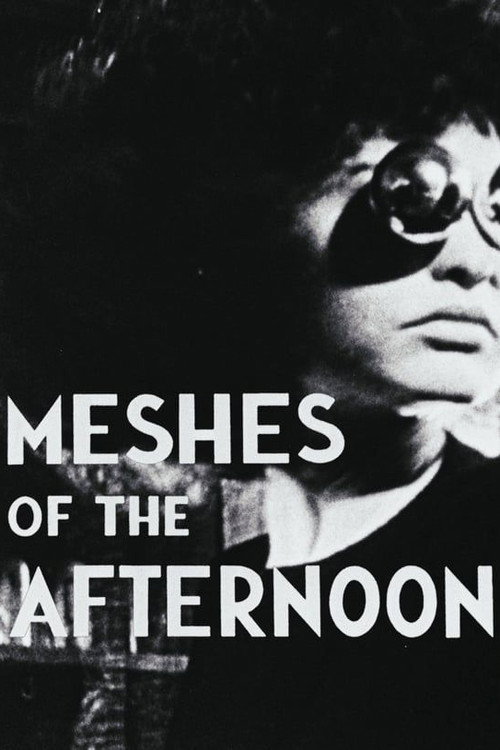
Meshes of the Afternoon1943
Maya Deren's 14-minute avant-garde masterpiece uses repetition, time manipulation, and dreamlike space to create a formal inquiry into identity. A landmark that directly anticipates experimental approaches to time.
But By design it resists conventional meaning-making. Some find that liberating; others find it frustrating.
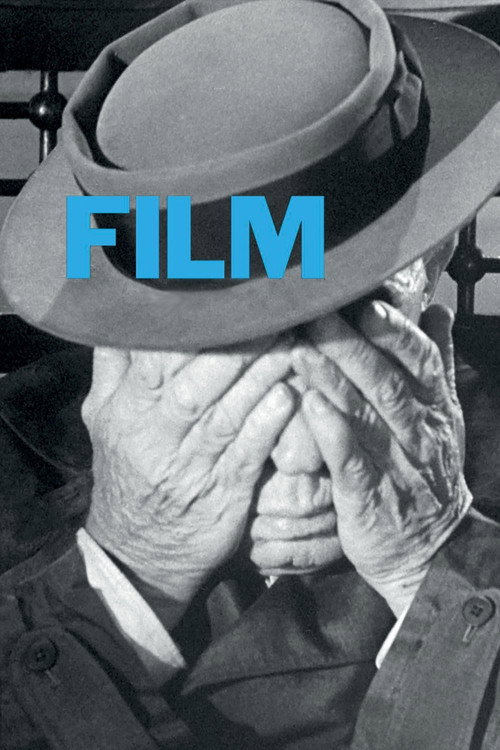
Film1965
Beckett's silent film starring Buster Keaton explores perception and existence through a single sustained visual idea. Precise, strange, and deeply moving in its formal restraint.
But It's austere and abstract. The philosophical conceit matters more than character or incident.
Not sure tonight? Get a pick in a minute, starting from Tableaux Vivants
The wildcard
Something you would not have found on your own.
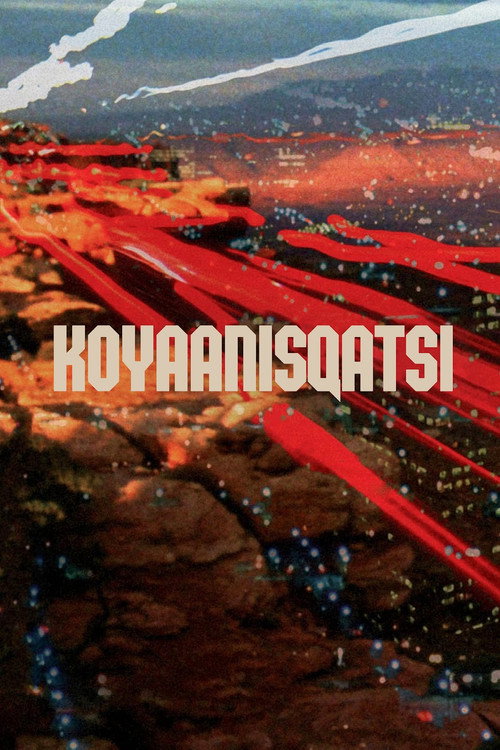
Koyaanisqatsi1983
Both treat nature and human construction as interchangeable surfaces to be observed; both use temporal manipulation to reveal the choreography underlying the everyday.
Ron Fricke's wordless documentary uses time-lapse and slow-motion to make the constructed and natural world into a visual symphony. It asks the same question as Tableaux Vivants—what happens when we see the world as pattern and performance?
But There's no narrative logic. The film is pure image and sound design working as emotional and intellectual argument. Some find it transcendent; others find it hollow.
More like this (6)
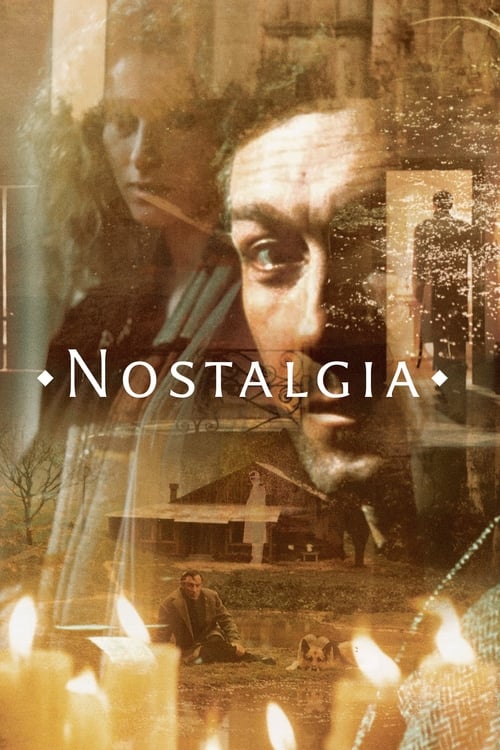
Nostalgia1983
Tarkovsky's meditation on time, memory, and the spaces we inhabit unfolds at the pace of thought itself. Long takes across landscape and architecture create a hypnotic exploration of presence.
But At 163 minutes with minimal plot, it demands the kind of attention most cinema trains us not to give. It's slow in ways that feel deliberate rather than accidental.
A Ghost Story2017
David Lowery's meditation on time, memory, and presence uses long takes and minimal plot to create something genuinely uncanny. A haunting inquiry into what duration means.
But It's deliberately paced and more concerned with mood than resolution. The famous pie-eating scene will either captivate or test your patience.

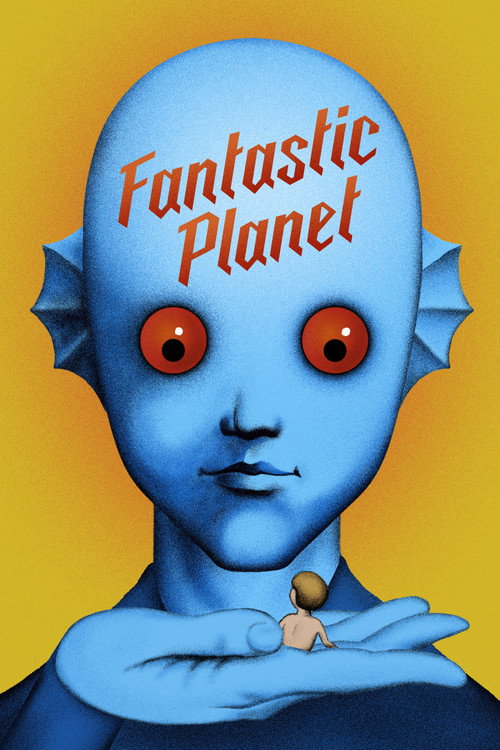
Fantastic Planet1973
Laloux's animated film creates a visually inventive world where nature and artifice merge—the mise-en-scène itself becomes the point. Strange, beautiful, formally bold.
But The narrative is strange and digressive. It's a film to watch rather than follow.
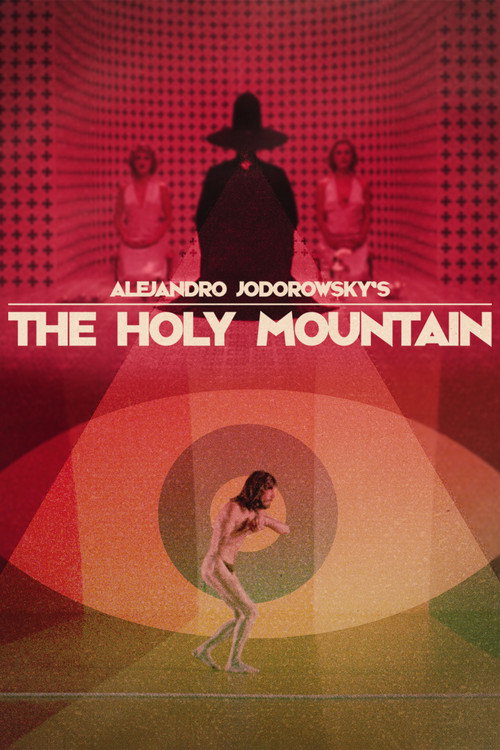
The Holy Mountain1973
Jodorowsky's surrealist epic uses striking tableaux and ritualistic imagery to create a visual essay on transformation and spiritual ascent. Genuinely audacious and formally inventive.
But It's deliberately provocative, violent, and obscure. The meaning emerges through image rather than logic, which some find enriching and others find pretentious.
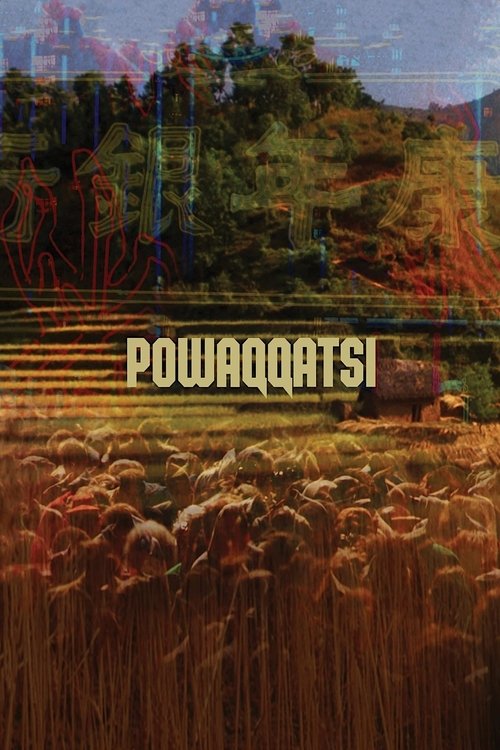
Powaqqatsi1988
Same formal vocabulary—time reversal, texture, human activity treated as natural phenomenon—but applied to corporeal labor rather than architectural space.
The second Fricke-Reggio collaboration pivots to the human body and labor across cultures, using the same visual grammar of reversal and slow-motion. It's a companion that finds grace in work and movement.
But It's even more abstract and less conventionally engaging than Koyaanisqatsi. The politics are elusive rather than clear.
Jeanne Dielman, 23, quai du Commerce, 1080 Bruxelles1976
Both films treat the everyday as subject worthy of sustained artistic attention; both use durational form to reveal what speed and editing usually obscure about the world.
Chantal Akerman's three-hour film documents one woman's daily ritual with unflinching precision. It makes the mundane visible by refusing to edit it away, treating ordinary gesture as profound and formal.
But It is genuinely three hours of watching someone do housework. The payoff is conceptual rather than narrative or emotional, and that's a difficult ask.

People
Directing
- Vincent GrenierDirector