
Film
Subway
A stylish French thriller where a safe-cracker on the run descends into the Paris Metro's secret labyrinth and discovers an entire shadow society living beneath the city. Luc Besson's debut is visually audacious and playfully surreal, blending heist mechanics with the dreamy logic of underground folklore. It's for anyone who wants their thrills served with production design so distinctive you'll feel it in your bones.
Should you watch it?
Watch it if you love Luc Besson's early style of kinetic, neon-lit cool, where a fugitive wanders a strange underground world of eccentrics and the mood matters more than the plot mechanics.
Skip it if you want a tightly plotted thriller that accelerates steadily; this one drifts through its Metro detours, and its whimsy can feel more like loitering than momentum.
What it asks of you: About an hour and three-quarters, with long stretches of wandering and quiet between bursts of action, so it rewards patience and a tolerance for odd, unhurried detours.
Not sure? Find tonight's pick in a minute.
If you liked this
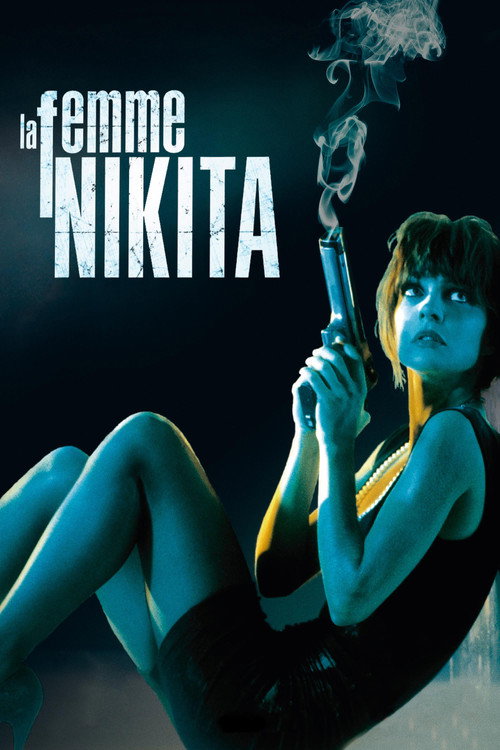
Nikita1990
Besson's follow-up refines the style he pioneered in Subway—sleek action, operatic violence, and a protagonist sculpted by charisma and circumstance. Anne Parillaud commands every frame with lethal grace.
But The plot is straightforward spy-thriller machinery. If you're after complexity or moral ambiguity, this trades those for pure aesthetic momentum.
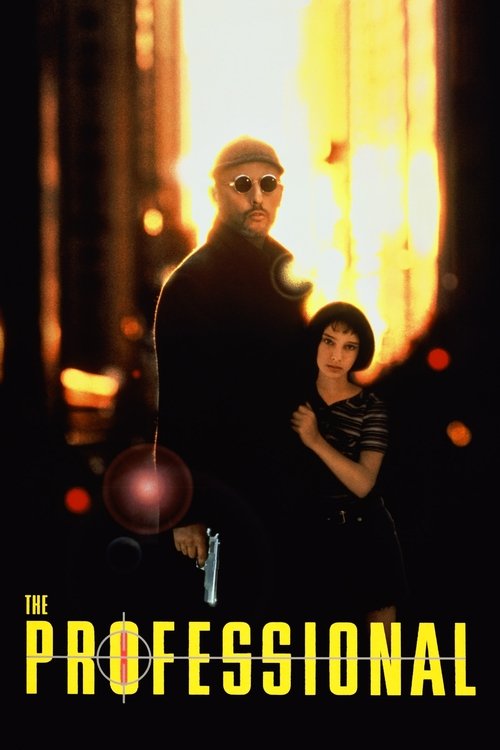
Léon: The Professional1994
Besson's masterpiece: a hitman and a girl forge an unlikely bond across the New York underworld. It's tender and brutal simultaneously, with Natalie Portman and Jean Reno creating an unforgettable chemistry that anchors the stylized violence.
But The relationship between an adult man and child, while handled with surprising delicacy, remains uncomfortable. Some cuts are also censored depending on your region.
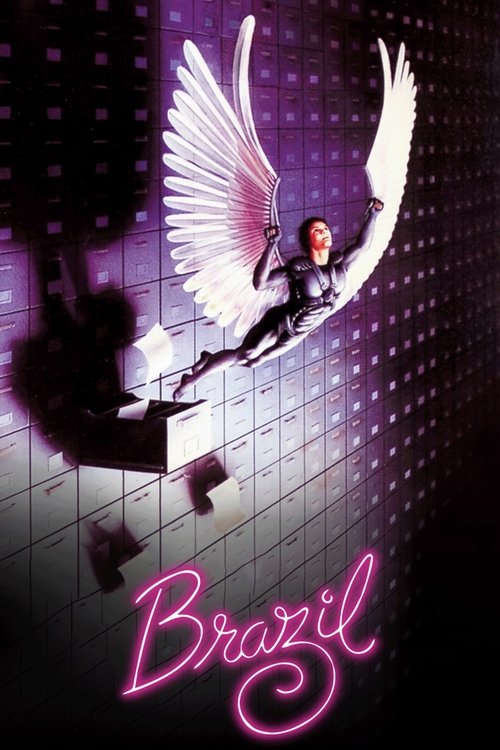
Brazil1985
Terry Gilliam's dystopian labyrinth shares Subway's DNA: an underground world of bureaucratic nightmare, eccentric rebels, and visual invention that overwhelms logic. Both films trust style to convey emotional truth.
But It's deliberately disorienting and refuses to offer narrative clarity. The tone swings between absurdist comedy and genuine despair, which can feel exhausting rather than exhilarating.
Not sure tonight? Get a pick in a minute, starting from Subway
The wildcard
Something you would not have found on your own.
Possession1981
Both films use underground or fractured spaces as expressions of internal psychological chaos; both are essentially about people hiding from the world they can no longer inhabit.
Andrzej Żuławski's deranged masterpiece: a marriage collapsing in a fractured Berlin becomes a descent into surreal violence and psychosexual nightmare. Like Subway, it treats a city (and a relationship) as a labyrinth where the normal rules dissolve, but trades Besson's cool style for primal, almost shamanic intensity.
But It's genuinely transgressive and difficult to watch. The violence is ugly rather than stylized, and the emotional tenor is so unhinged that many find it unwatchable rather than exhilarating.

More like this (5)
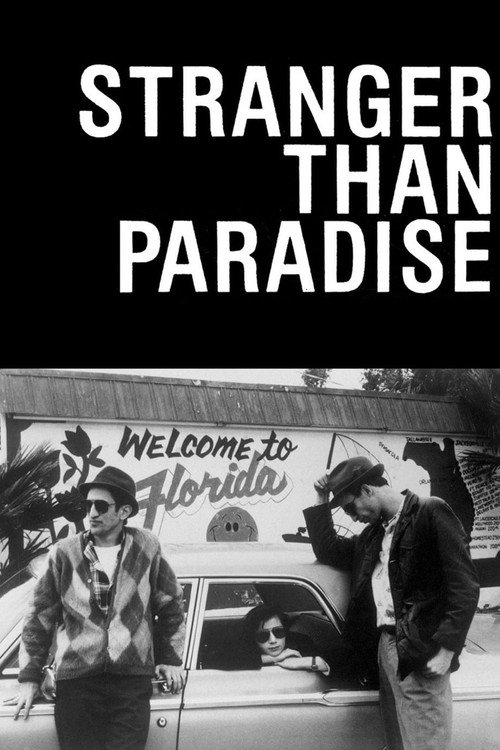
Stranger Than Paradise1984
Directed by Jean-Jacques Beineix, this is Subway's closest cousin: a sunken Paris operatic thriller where beautiful people navigate underground networks and the rules of the surface world don't apply. Stunning cinematography and a pulsing electronic score.
But The pacing is deliberately languorous, and if you want plot propulsion, you'll find it glacial. The climax, while visually extraordinary, feels oddly removed from what came before.
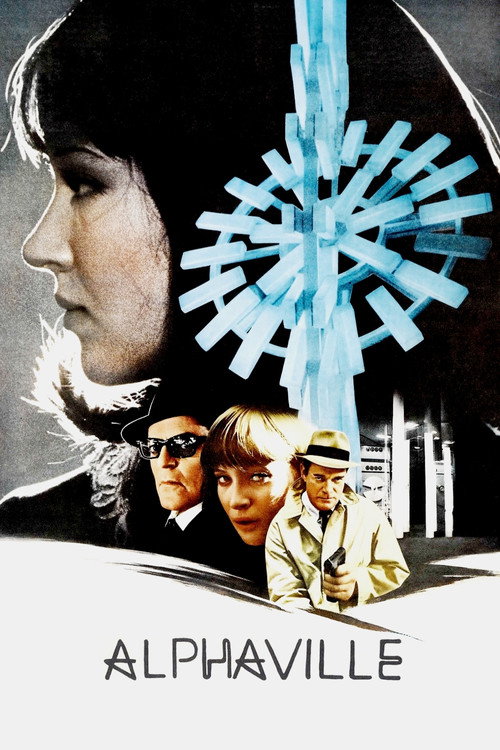
Alphaville1965
Godard's science-fiction noir treats an imagined city like Besson treats the Metro: as a landscape that reflects and distorts the psyche. Both films use their settings as characters and make design choices that feel like emotional statements.
But It's deliberately mannered and refuses conventional narrative gratification. Godard's dialogue is philosophical rather than functional, which can feel pretentious or impenetrable.
Stalker1979
Andrei Tarkovsky's film about a guide leading strangers through a mysterious Zone shares Subway's structural template of descent into an unknown realm ruled by its own logic. Hypnotic and morally complex where Subway is stylistically playful.
But At 163 minutes, it moves at the pace of a meditation. The payoff is philosophical rather than visceral. Most viewers find it rewarding but grueling.

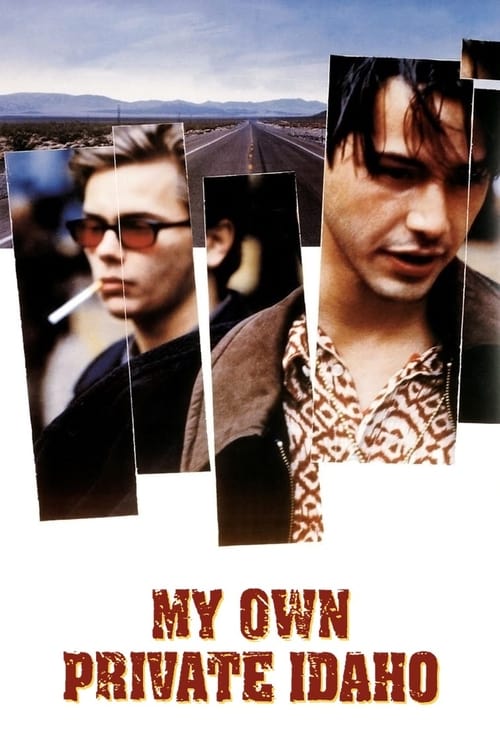
My Own Private Idaho1991
Both films locate truth and community in underground worlds rejected by the surface society; both use youth and beauty as the primary visual language.
Gus Van Sant's elliptical masterpiece follows street hustlers through Portland's underground networks (literal and social), shot with dreamlike precision and genuine tenderness. It shares Subway's fascination with marginal subcultures and hidden geographies, but explores them with documentary honesty rather than heist fantasy.
But River Phoenix's illness-induced narcolepsy means long passages without dialogue or plot. The film is structurally loose and thematically preoccupied with sex and poverty in ways that feel raw rather than aestheticized.
Tokyo Story1953
Both are essentially city-films that understand that place—whether gleaming Metro tunnels or cramped Tokyo apartments—can become the real character. Both trust that style and patience together can create beauty without plot.
Ozu's deceptively quiet masterpiece about an elderly couple visiting their children in postwar Tokyo. It's the anti-Subway: no thrills, no style for style's sake, just the profound patience of watching people inhabit a space together. Yet both films treat their city-spaces as complete worlds containing everything necessary for human meaning.
But It will feel impossibly slow and uneventful to anyone seeking narrative momentum or visual spectacle. The emotional payoffs are whispered, not shouted.

People
Cast
 Isabelle AdjaniHelena
 Richard BohringerLe Fleuriste
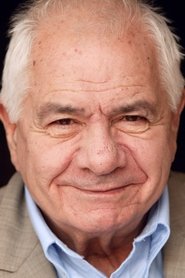 Michel GalabruLe Commissaire Gesberg
 Jean-Hugues AngladeLe Roller
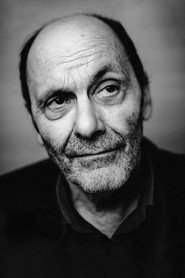 Jean-Pierre BacriBatman
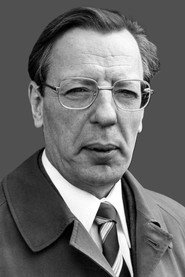 Jean BouiseLe Chef de Station
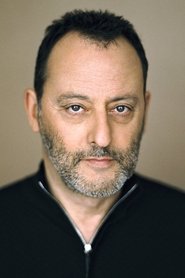 Jean RenoLe Batteur
 Jean-Claude LecasRobin
 Éric SerraLe Bassiste
 Arthur SimmsLe Chanteur
Directing
- Didier GroussetAssistant Director
- Patrick AlessandrinAssistant Director
- Luc BessonDirector
Writing
- Luc BessonDialogue
- Marc PerrierDialogue
- Alain Le HenryScreenplay
- Luc BessonScreenplay
- Marc PerrierScreenplay
- Pierre JolivetScreenplay
- Sophie SchmitScreenplay
Production
- Louis DuchesneExecutive Producer
- François RuggieriProducer
- Luc BessonProducer
- Edith ColnelProduction Manager
- Eliane AndréProduction Manager
- Bruno François-BoucherUnit Manager