
Film
The Ruling Class
- Comedy
- Strange
Peter O'Toole plays a newly inherited earl who believes he's Jesus Christ reincarnate, dancing and preaching across the family estate. This 1972 British film is a savage, theatrical satire that swings between slapstick farce and genuine darkness—a showcase for O'Toole's fearless commitment to the role. It's for people who want comedy that doesn't apologize for being strange, and satire with teeth.
If you liked this
Kind Hearts and Coronets1949
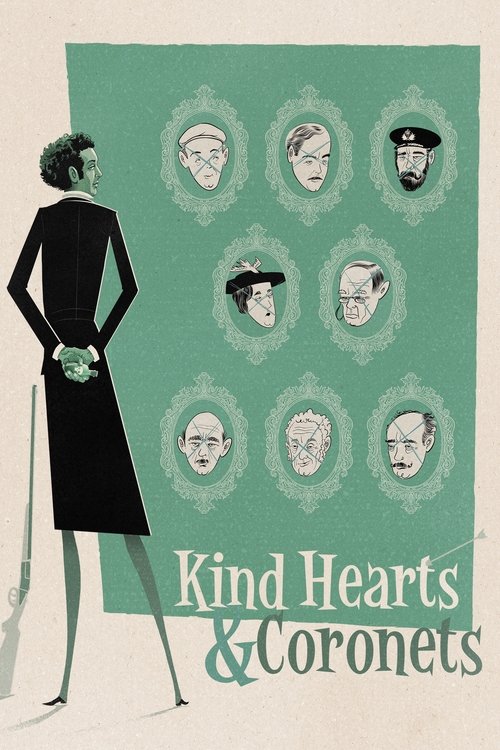
Alec Guinness plays eight family members in this witty inheritance thriller where murder is the solution to bad bloodlines. It has the same dark comic DNA as The Ruling Class, a family literally eliminating itself.
But It's a studio film of an earlier era, so the tone is more restrained and the satirical bite less theatrical than what you'd see in 1972.
The Manchurian Candidate1962
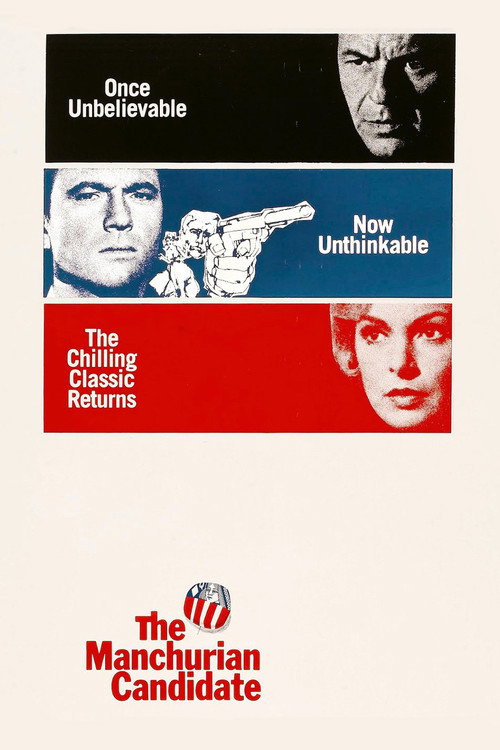
Political satire that pivots from thriller to nightmare, with Frank Sinatra and Laurence Harvey trapped in a world of impossible logic. It has O'Toole's same willingness to let things get genuinely uncomfortable.
But The tonal shifts can feel abrupt, and some of the Cold War paranoia feels period-locked now.
M*A*S*H1970
Altman's film finds comedy and horror in the same scene, using satire to expose how institutions bend the people inside them. It shares that refusal to stay tonal or neat.
But It's looser and less theatrical than The Ruling Class; some find the improvisational style shapeless rather than liberating.

Not sure tonight? Get a pick in a minute, starting from The Ruling Class
The wildcard
Something you would not have found on your own.
The Devil's Carnival2012
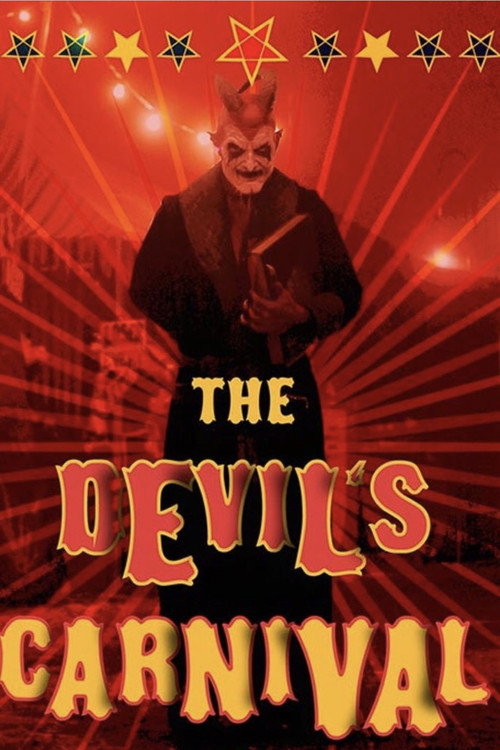
Both use musical performance and theatrical excess as the *language* of the film, not just decoration—madness expressed through song and spectacle as genuinely philosophical statement.
A musical horror film where hell is a carnival of consequence; it shares The Ruling Class's commitment to making theatrical madness do the moral work. Darren Lynn Bousman directs with full commitment to the strange register.
But It's an indie film with visible budget limits and a devoted-cult aesthetic; production design won't match what you're used to.
More like this (8)
The Producers1968
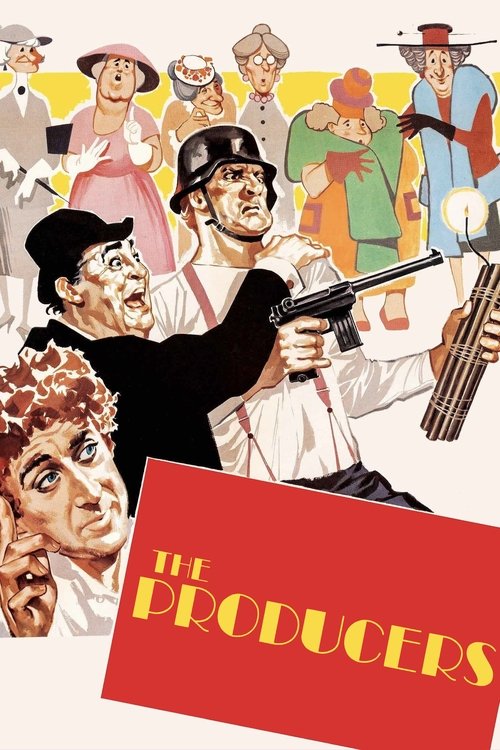
Mel Brooks' debut is theatrical mayhem about a play-within-a-film, with Zero Mostel as a conductor of chaos. It shares the belief that satire can be loud, campy, and actually sharp simultaneously.
But The humor is broad and sometimes feels more dated than The Ruling Class's formal strangeness.
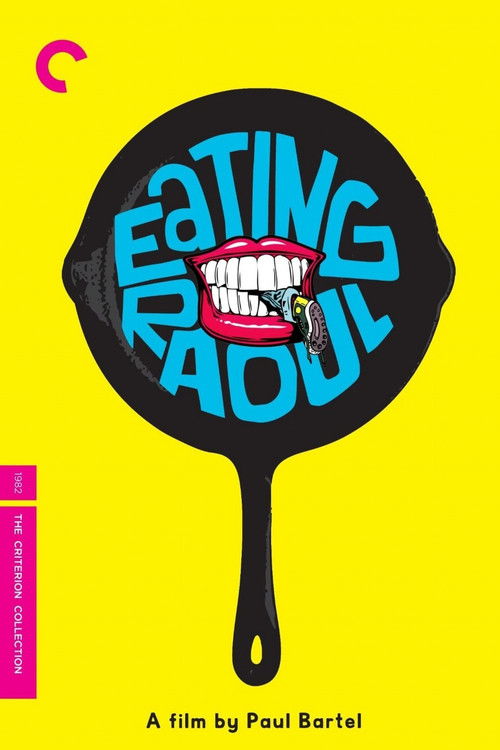
Eating Raoul1982
A couple murders swingers for profit while staying completely matter-of-fact about it. It's the same dark-comedy-as-moral-statement engine, just pointed at different targets.
But It's intentionally seedy and dingy; there's no visual glamour to soften what's happening on screen.
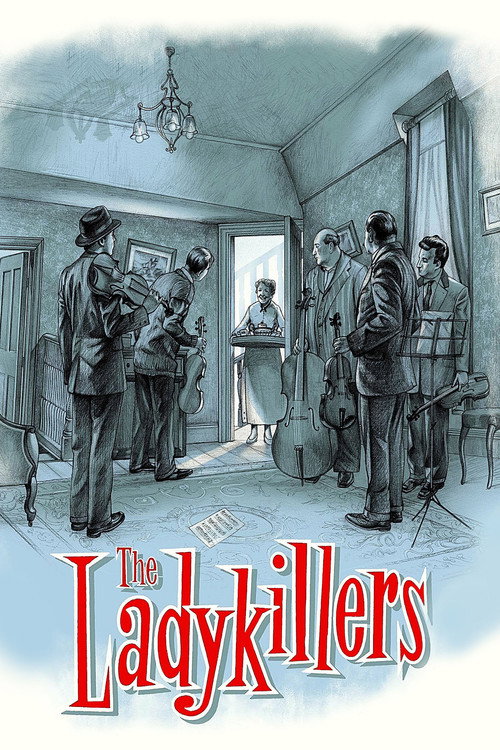
The Ladykillers1955
A group of criminals pose as musicians to rob a bank, undone by a sweet elderly landlady. It's lightweight compared to The Ruling Class, but shares that collision of gentility and chaos.
But It's far less dark and far more interested in being charming, so the satirical edge is blunt.
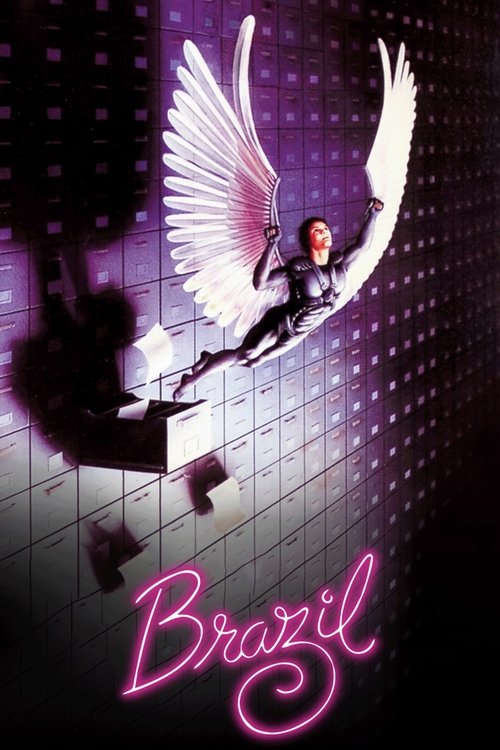
Brazil1985
Terry Gilliam's dystopian satire uses slapstick and production design as weapons against bureaucratic logic. Like The Ruling Class, it trusts the audience to follow formal strangeness.
But It can feel visually chaotic and narratively frustrating; not everyone wants to work that hard for their comedy.
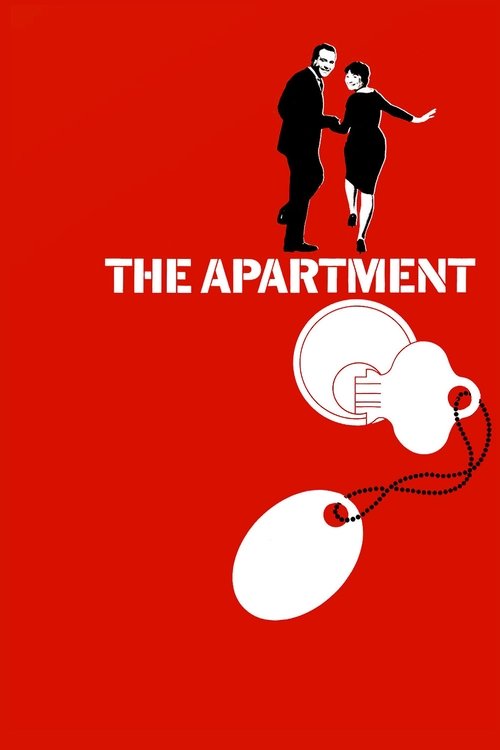
The Apartment1960
Billy Wilder finds both comedy and ache in a film about corporate corruption and human kindness. It shows satire can be cutting without theatrical excess.
But The tone is far more balanced and humanistic; if you want something as unhinged as The Ruling Class, this won't deliver it.
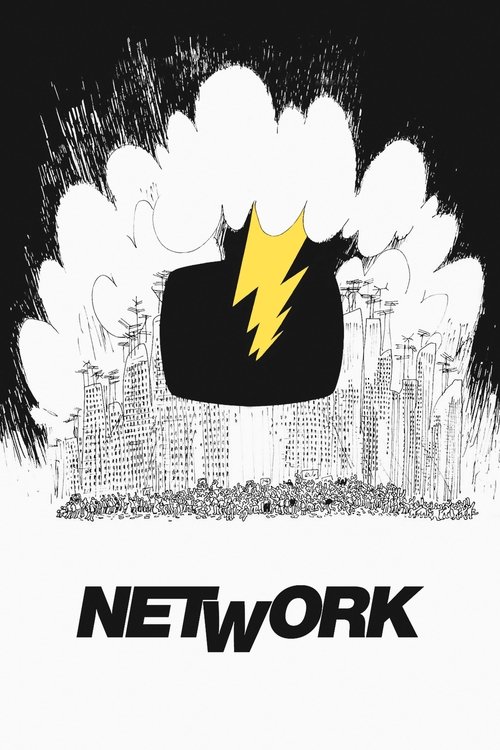
Network1976
Peter Finch screams about the television industry's moral rot in a film that's somehow both prophecy and farce. It's satire that escalates into performance art, like The Ruling Class.
But It can feel preachy, and some of the media critique has been absorbed so thoroughly it no longer lands as satire.
Synecdoche, New York2008
Both films ask: what happens when someone's inner world becomes so consuming that reality restructures itself around their psyche? Both answer through formal experimentation rather than plot.
Charlie Kaufman's film about a theater director who builds a life-sized replica of New York inside a warehouse is chaos structured as philosophy. It has The Ruling Class's faith that formal strangeness serves meaning.
But It's abstract, demanding, and deliberately difficult; by the end, some viewers feel exhausted rather than enlightened.

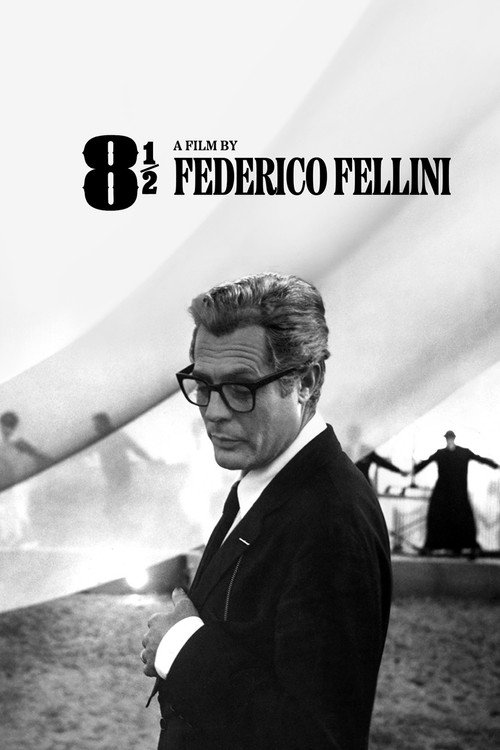
8½1963
Both films use one man's fracturing consciousness as a way to satirize society and institutions—his madness becomes the clearest mirror available.
A director's fantasies, memories, and anxieties collide in a circus of Italian cinema itself. Like The Ruling Class, it trusts grotesque and beautiful imagery to carry moral weight without explanation.
But It's a black-and-white Italian film from 1963; if you're watching it for plot momentum, you'll be disappointed.
People
Cast
 Peter O'TooleJack 14th Earl of Gurney
 Alastair SimBishop Lampton
 Arthur LoweTucker
 Harry Andrews13th Earl of Gurney
 Coral BrowneLady Claire Gurney
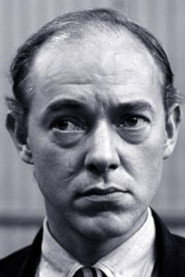 Michael BryantDr. Herder
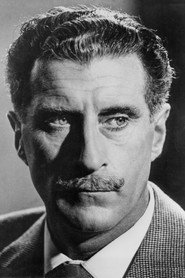 Nigel GreenMcKyle
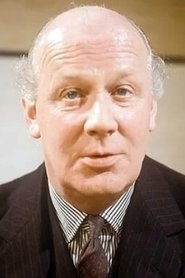 William MervynSir Charles Gurney
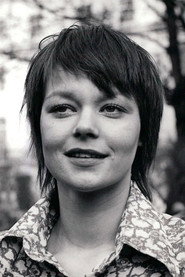 Carolyn SeymourGrace Shelley
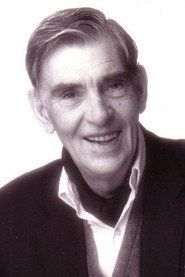 James VilliersDinsdale
 Kay WalshMrs. Piggott-Jones
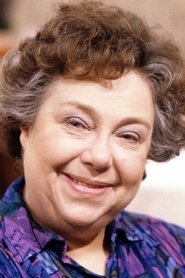 Patsy ByrneMrs. Treadwell
Directing
- Bert BattAssistant Director
- Peter MedakDirector
- Bill WestleySecond Assistant Director
Writing
- Peter BarnesScreenplay
- Peter BarnesTheatre Play
Production
- David KordaAssociate Producer
- Maude SpectorCasting
- Jack HawkinsProducer
- Jules BuckProducer
- Tim HamptonProduction Manager
Recommended by
Rumpole of the Bailey, Boudu Saved from Drowning, Major Barbara