
Film
The Devil's Carnival
A horror-musical fever dream where sinners arrive at a grotesque carnival to relive their sins eternally. Directed by Darren Lynn Bousman with theatrical flair and genuinely unsettling imagery, it's part *Phantom of the Opera*, part *Saw*, all audacious. For those who want their horror weird, their music unapologetic, and their morality plays strange.
Should you watch it?
Watch it if you enjoy horror that sings, with a macabre carnival sheen, morbid jokes, and songs that carry the moral lesson rather than stopping the story to deliver it.
Skip it if you want a tight, scary story, since this is a loose run of vignettes with more cheek than dread, and it may wear thin if musicals aren't your thing.
What it asks of you: Under an hour, it moves in quick bursts of song and sketch, and it keeps a playful distance even when the sins turn grim.
Not sure? Find tonight's pick in a minute.
If you liked this
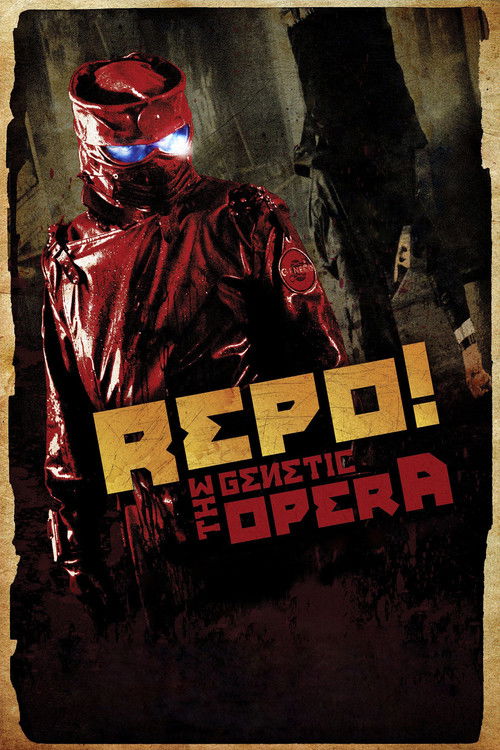
Repo! The Genetic Opera2008
Another Darren Lynn Bousman musical-horror hybrid with the same gleeful excess and practical grotesquerie. If you're drawn to horror that sings, this is the gold standard that influenced everything after it, including *The Devil's Carnival*.
But The singing is operatic and demands commitment; the plot collapses under its own ambition. The visuals can feel cluttered rather than cohesive.
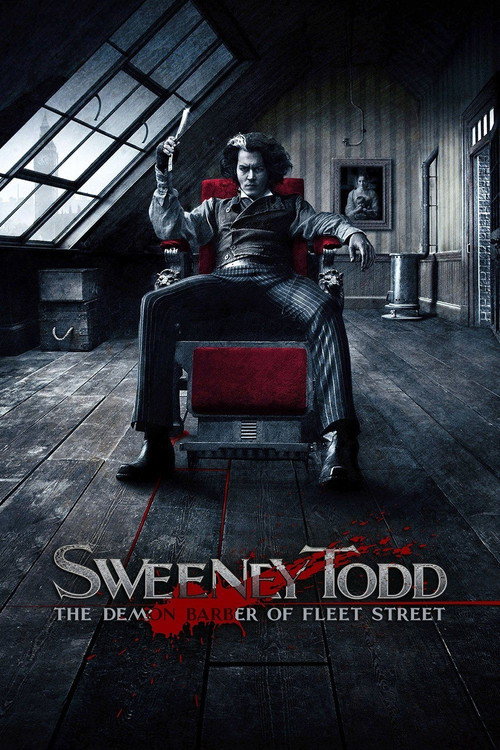
Sweeney Todd: The Demon Barber of Fleet Street2007
Gothic musical revenge with real menace beneath the theatrical excess. Sondheim's score is magnificent, and Tim Burton's London feels as morally compromised as any carnival. Dark, angry, and genuinely moving between the murders.
But It's almost three hours, and the pacing staggers in the second act. Some viewers find Burton's visual style more mannered than atmospheric.
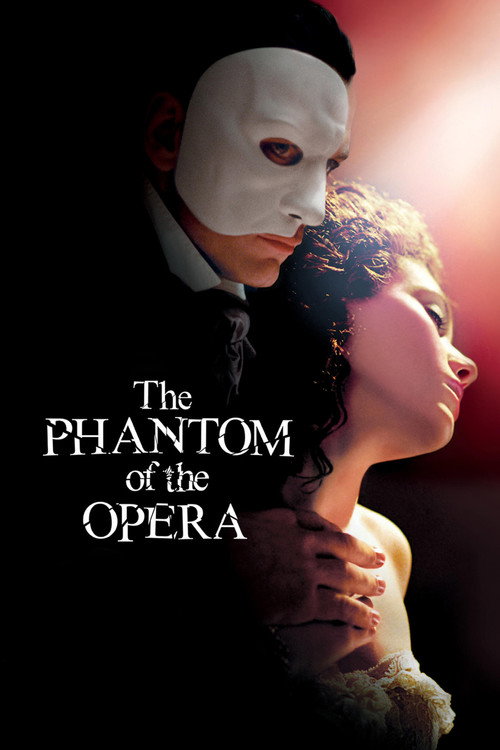
The Phantom of the Opera2004
The closest mainstream equivalent: obsession, theatrical grandeur, supernatural elements, and Andrew Lloyd Webber's unforgettable score. It's operatic melodrama done with real production value and genuine emotion beneath the excess.
But Joel Schumacher's direction is occasionally overwrought. If you find operatic singing pretentious, this will not convince you otherwise.
Not sure tonight? Get a pick in a minute, starting from The Devil's Carnival
The wildcard
Something you would not have found on your own.
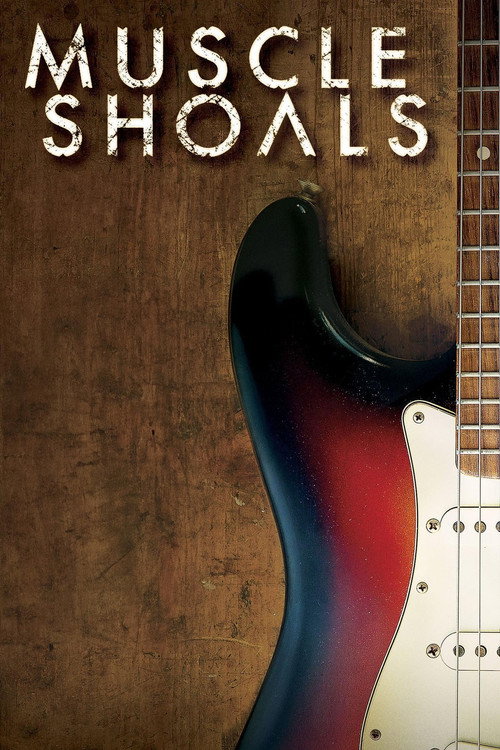
Muscle Shoals2013
Both understand that music and moral reckoning are inseparable; one punishes through song, the other redeems through it.
A documentary about a recording studio that became sacred ground for sinners, redemption, and music—the inverse of *Devil's Carnival*. Rather than damnation through song, here music becomes absolution. Shot with reverence for both the place and the moral complexity of the people who recorded there.
But It's a documentary about Southern soul music history; if you expect plot momentum or theatrical spectacle, you'll be disappointed by its meditative pace.
More like this (7)
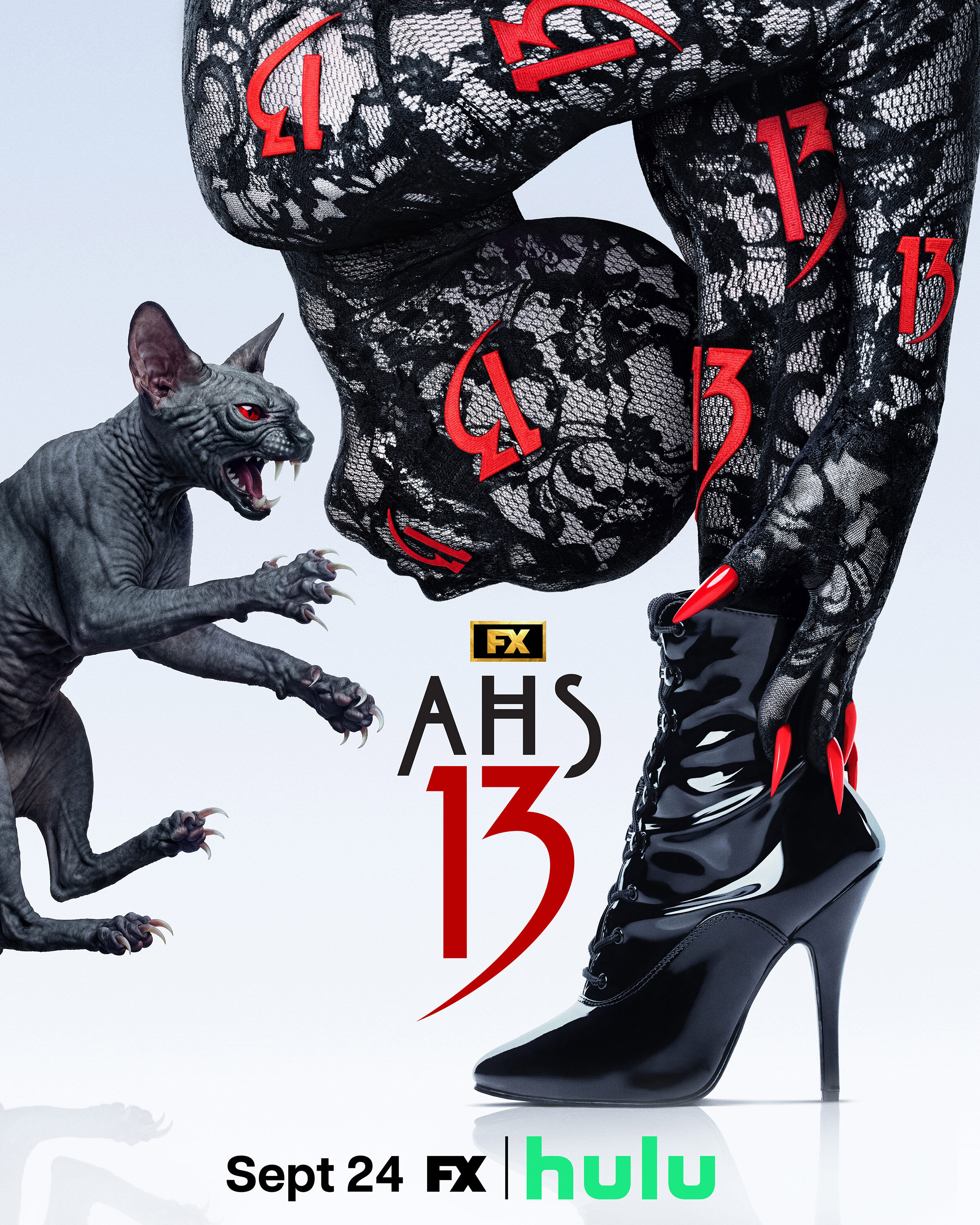
American Horror Story2011
Carnival imagery, moral decay, and theatrical horror presented as a song cycle of damnation. Each episode grapples with different sins across a supernatural space. It has the same baroque sensibility and willingness to be genuinely unsettling.
But Anthology TV requires patience; not every episode lands. The shock value sometimes overwhelms character coherence.
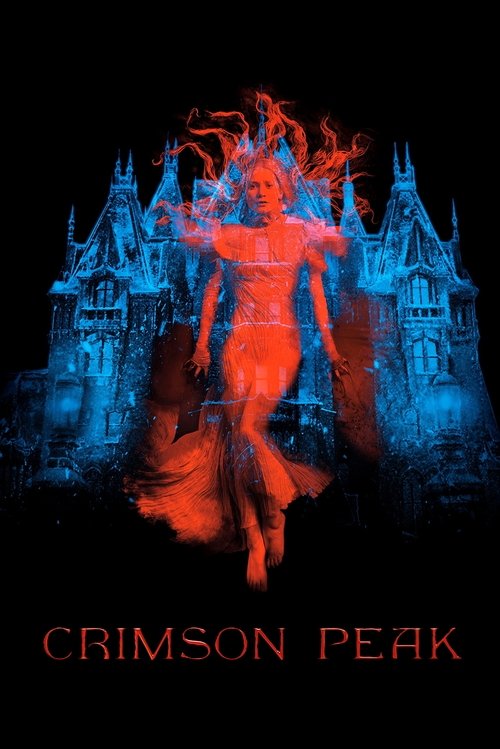
Crimson Peak2015
Gothic romance steeped in dread, with practical set design and costume that recalls theatrical artifice. It's lush, color-saturated, and built on moral corruption beneath beautiful surfaces—a kindred aesthetic to the carnival's painted depravity.
But The plot is fairly straightforward and moves slowly. For those impatient with atmosphere over action, it will feel indulgent.
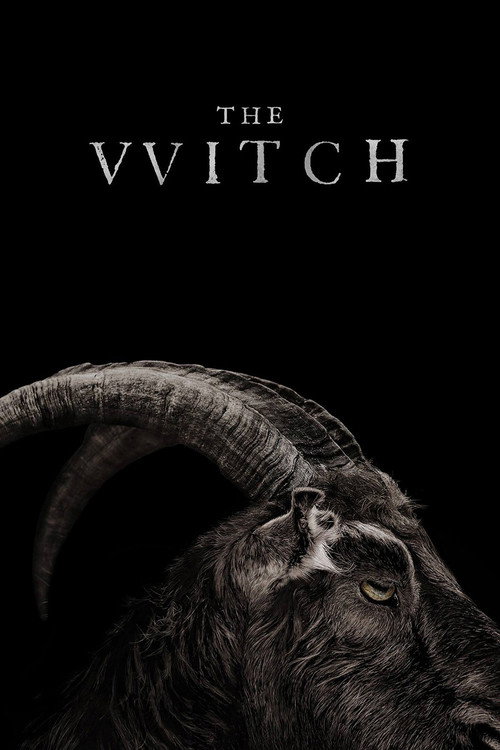
The Witch2016
Authentic folk-horror that makes transgression (and the fear of it) genuinely terrifying. Unlike *Devil's Carnival*, it finds evil in puritanical dread rather than theatrical excess, but both explore sin as consuming force.
But Slow-burn pacing; long stretches without dialogue or conventional scares. Some find the 17th-century speech patterns alienating.
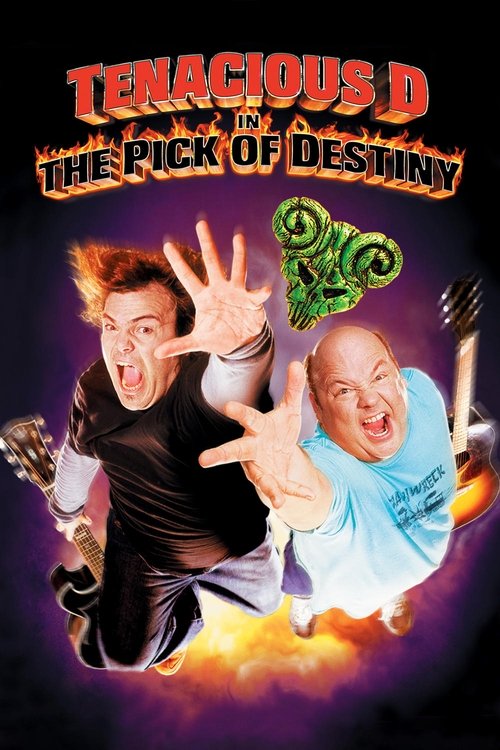
Tenacious D in The Pick of Destiny2006
Another film that commits fully to being a horror-comedy-musical with theatrical absurdity and genuine craft. It's silly and impossible to take seriously, but that's precisely the point—like *Devil's Carnival*, it earns its transgression through commitment.
But The humor is juvenile and the plot is gossamer-thin. If toilet humor and headbanger energy don't appeal, nothing here will save it.
The Cabinet of Dr. Caligari1920
The grandfather of expressionist horror: distorted sets, moral corruption, and a sense that reality itself is unreliable. The carnival atmosphere and visual excess directly influenced how *Devil's Carnival* frames its nightmare logic.
But Silent film from 1920; requires patience and comfort with archival aesthetics. The narrative is deliberately fragmented and disorienting.

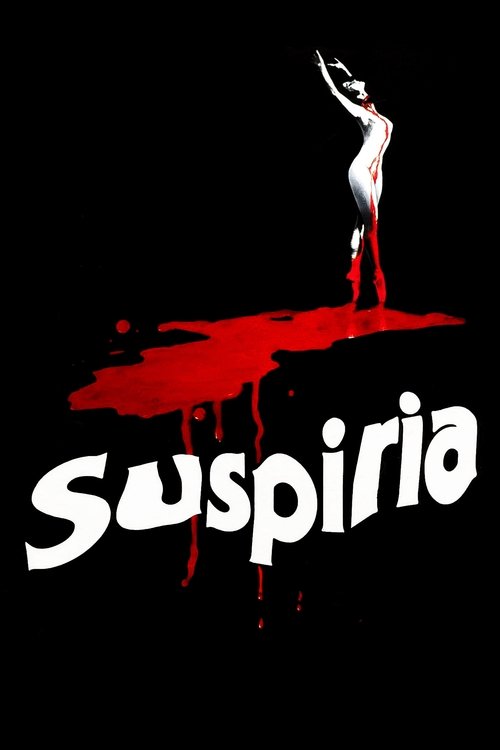
Suspiria1977
Gaudy, deliberate artifice in service of pure dread. Argento's use of color, music, and supernatural logic creates a world that operates on nightmare rules rather than reality—exactly the space *Devil's Carnival* inhabits.
But The dubbing is distracting; the plot is threadbare; it's interested in mood over character. Some find it style-over-substance.
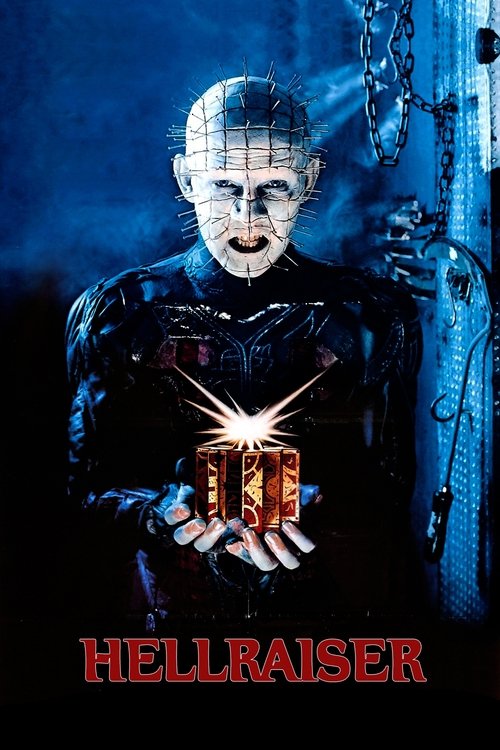
Hellraiser1987
Both present damnation as a kind of seduction, where the sinner chooses the carnival willingly, and the horror emerges from the machinery itself rather than from moral judgment.
Clive Barker's vision of damnation as sensory excess: a puzzle box that invites transgression, suffering as performance art, and demons who are more aesthetic than evil. The same collision of beauty and horror, the same sense that sin is an invitation rather than a punishment—at least at first.
But The gore is practical and relentless; the logic is deliberately confusing; some effects have aged poorly. Body horror and sexual violence are integral, not decorative.
People
Cast
 Briana EviganMs. Merrywood
 Jessica LowndesTamara
 Bill MoseleyThe Magician
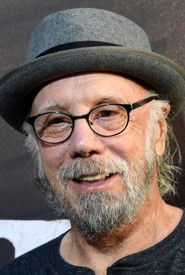 Dayton CallieTicket-Keeper
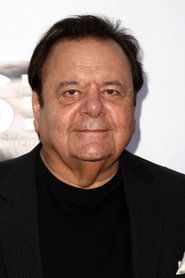 Paul SorvinoGod
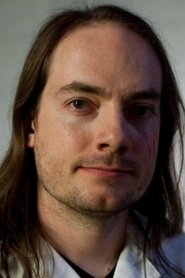 Terrance ZdunichLucifer
 Alexa PenaVegaWick
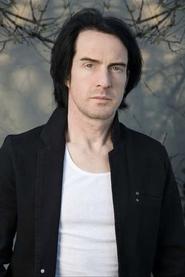 Nivek OgreThe Twin
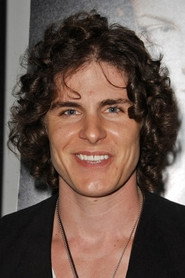 Marc SenterThe Scorpion
 Emilie AutumnPainted Doll
 Shawn CrahanThe Tamer
Directing
- Darren Lynn BousmanDirector
Writing
- Terrance ZdunichWriter
Production
- Dan WalkerAssociate Producer
- Darren Lynn BousmanProducer
- Sean E. DeMottProducer