
Film
The Story of Mankind
A bewildering 1957 cosmic debate where the Devil and the Spirit of Man argue humanity's worth by staging historical vignettes—Joan of Arc, Cleopatra, Newton—with an all-star cast including the Marx Brothers. It's a sprawling, tonally chaotic oddity that swings between earnest philosophy and vaudeville chaos. For the adventurous and curious.
Should you watch it?
Watch it if you enjoy lumpy, sincerely odd curiosities, like a schoolroom pageant staged by a studio that couldn't decide whether to be serious, and you'll enjoy seeing the Marx Brothers drop into famous historical moments.
Skip it if you need a tight, coherent story, since this is a string of loosely linked episodes, unevenly paced, with thin connective tissue and a tone that keeps shifting.
What it asks of you: Roughly a hundred minutes of scene-by-scene shifts, each vignette arriving and leaving before it settles, so patience and a taste for broad, stagey performances matter more than close attention.
Not sure? Find tonight's pick in a minute.
If you liked this
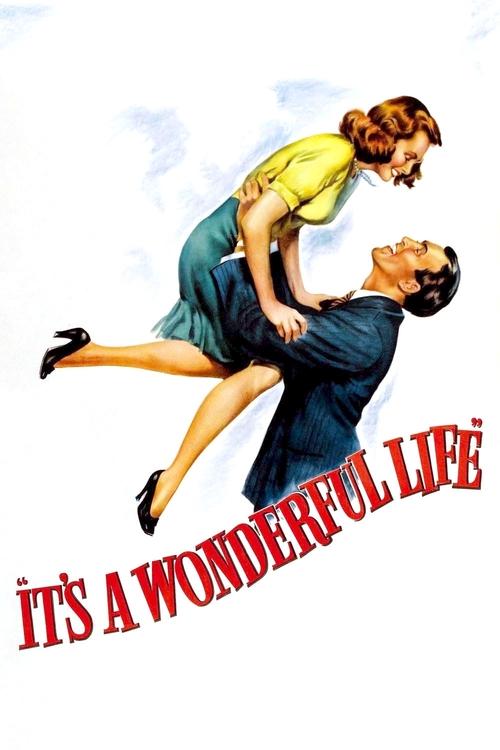
It's a Wonderful Life1946
A gentler meditation on humanity's fundamental worth, using one man's life to weigh good against evil. Moves you rather than confuses you, but carries the same essential question.
But If you want ambition without sentiment, this leans hard into American small-town warmth. It can feel predictable now.
Saint Seiya1986
A cosmic courtroom drama where opposing forces debate fate and human nature through interwoven stories. Scales down the chaos while keeping the philosophical wrestling and surprising emotional weight.
But The experimental format demands patience. Some find the animation style off-putting at first.

Intolerance: Love's Struggle Throughout the Ages1916
D.W. Griffith's epic weaves four historical periods (Babylon, Renaissance, 1916, modern) to argue that intolerance repeats across centuries. Visually staggering and structurally ambitious in ways Mankind tries for.
But Silent film pacing and scale can feel remote. The historical segments vary wildly in quality.

Not sure tonight? Get a pick in a minute, starting from The Story of Mankind
The wildcard
Something you would not have found on your own.
The Seventh Seal1957
Both release the same year, both stage cosmic arguments about human worth, but where Mankind dances around it with conjurers and comedy, Bergman stands still and bleeds.
Bergman's knight plays chess with Death itself, debating life's meaning between scenes of plague and faith. A genuine, shattering meditation on whether humanity is worth saving—the serious film Mankind wanted to be.
But It's relentlessly bleak and deliberately slow. If you want philosophy without darkness, this isn't it. Bergman takes every question to its breaking point.

More like this (7)
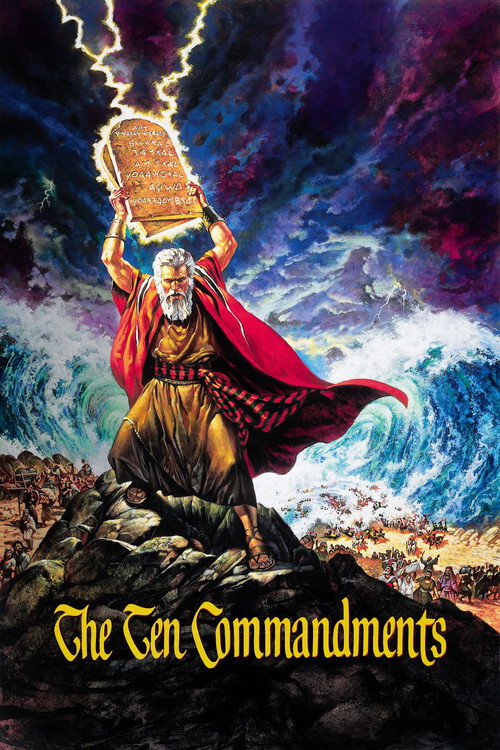
The Ten Commandments1956
DeMille's biblical spectacle also uses history to explore morality and divine judgment. Shares the all-star cast approach and '50s grandiosity, minus the Marx Brothers.
But It's a straight sermon dressed as cinema. The piety can wear you down.
The Twilight Zone1959
Serling's anthology uses science fiction and fantasy to stage moral arguments quickly. Achieves what Mankind fumbles: tight stories about human nature with bite.
But Episodic format means uneven quality. The twist-ending formula dates fast.

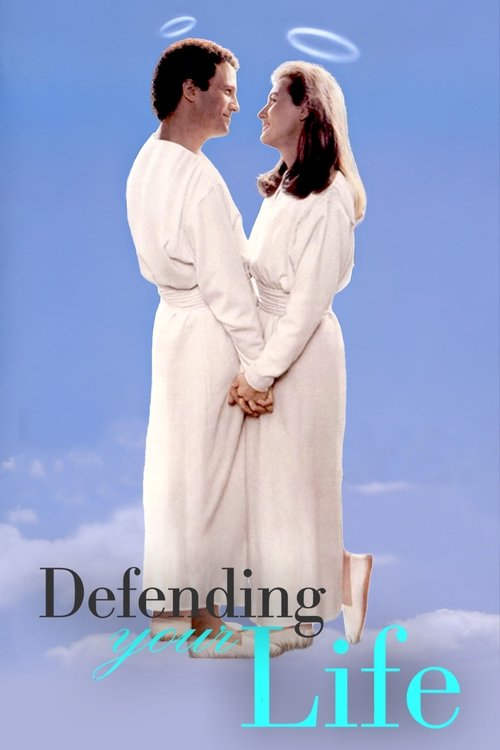
Defending Your Life1991
Another afterlife courtroom setup where a man's life is judged by celestial bureaucrats. Lighter and funnier than Mankind, but genuinely exploring the same anxieties about worth.
But Albert Brooks' whimsy isn't for everyone. Some find it mawkish.
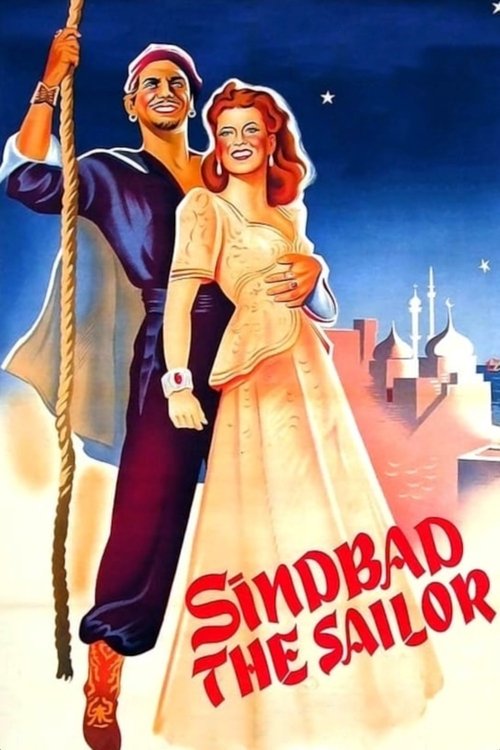
Sinbad the Sailor1947
Technicolor fantasy with an all-star supporting cast enacting mythology. Shares the episodic structure and cavalier tone toward historical accuracy.
But Thin plotting held together by spectacle. The fantasy sequences feel disconnected from each other.
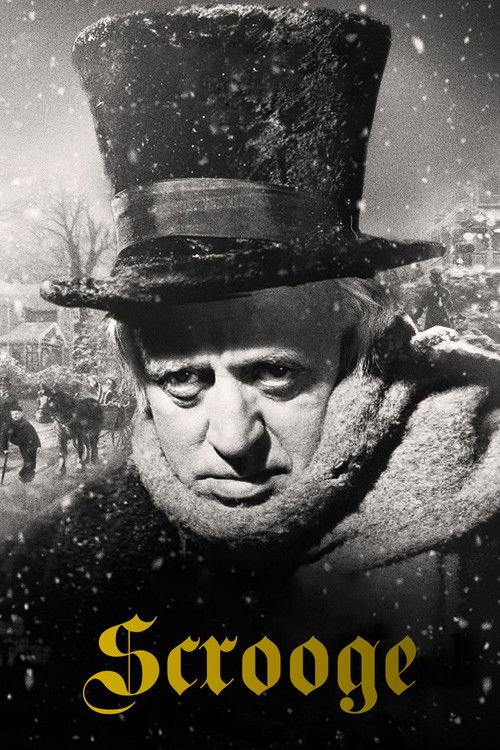
Scrooge1951
Another supernatural audit of a human soul, with Brian Desmond Hurst's adaptation using phantasmagorical visuals to stage the argument. Tighter and more moving than Mankind.
But Dickens' sentimentality can feel suffocating. The ghosts are more Gothic than fun.
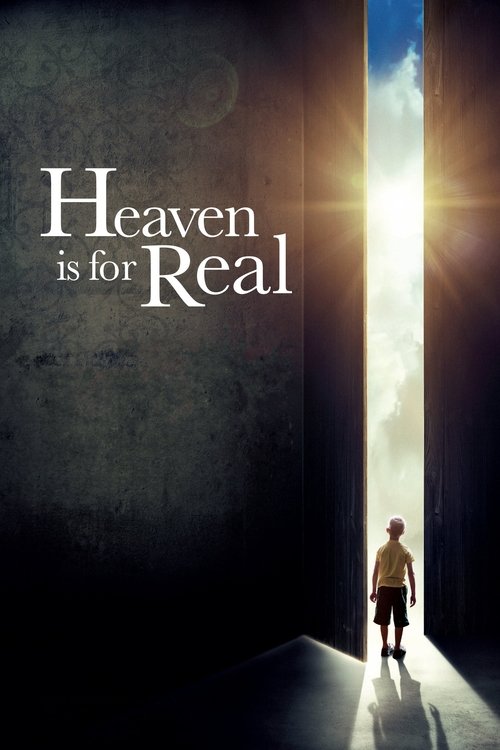
Heaven Is for Real2014
A small-scale, sincere version of the cosmic debate premise. Father and son argue about faith and goodness after near-death. Earnest where Mankind is scattered.
But It's devout Christian cinema aimed at church crowds. The restraint might feel like blandness.
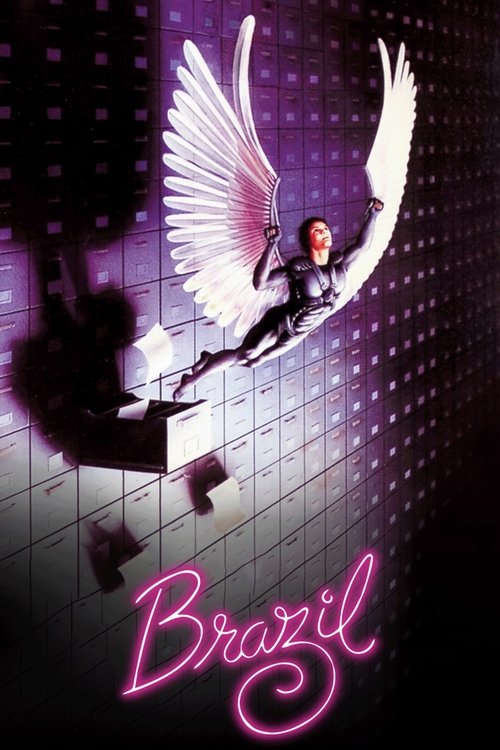
Brazil1985
Both are '50s/'80s attempts to make a fractured, historically layered argument about human nature through spectacle and ensemble casting—Mankind's template executed by a filmmaker who knows exactly what he's doing.
Gilliam's dystopian satire uses historical and mythological references (including Don Quixote) to argue that bureaucracy and capitalism have corrupted human decency. Sprawling, visually riotous, tonally all over the place in service of a moral point.
But The plot gets buried under visuals and digressions. It's exhausting. Some see it as formless self-indulgence rather than ambition.
People
Cast
 Ronald ColmanThe Spirit of Man
 Hedy LamarrJoan of Arc
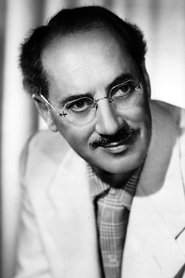 Groucho MarxPeter Minuit
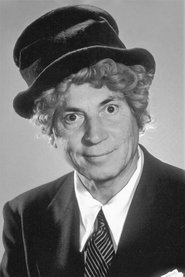 Harpo MarxSir Isaac Newton
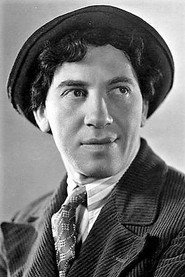 Chico MarxMonk
 Virginia MayoCleopatra
 Agnes MooreheadQueen Elizabeth I
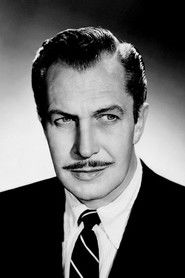 Vincent PriceMr. Scratch / The Devil
 Peter LorreNero
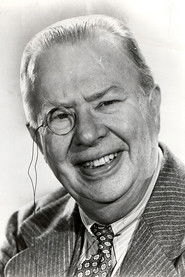 Charles CoburnHippocrates
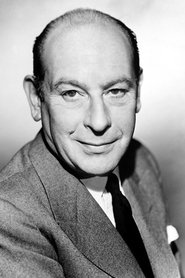 Cedric HardwickeHigh Judge
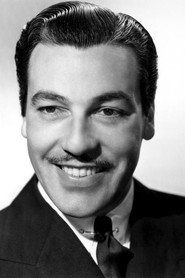 Cesar RomeroSpanish Envoy
Directing
- Irwin AllenDirector
Writing
- Henrik Van LoonNovel
- Charles BennettWriter
- Irwin AllenWriter
Production
- George E. SwinkAssociate Producer
- Irwin AllenAssociate Producer
- Irwin AllenProducer