
Film
The Man Who Killed Don Quixote
Terry Gilliam's madcap odyssey through Spain, where a jaded director encounters a delusional shoemaker convinced he's Don Quixote. A collision of cynicism and idealism played out across surreal landscapes with deadpan humour and genuine melancholy. For anyone who loves cinema that swings wildly between the absurd and the profound.
Should you watch it?
Watch it if you enjoy shaggy, big-hearted comedies where a sceptic's cynicism slowly cracks under a madman's loving logic, and you don't mind the picaresque wandering.
Skip it if you need a tight plot or a steady tone, since it drifts between broad slapstick and dreamlike digressions and runs over two hours at a loose, wandering pace.
What it asks of you: A long, episodic ride of over two hours, where the mood slides from farce toward melancholy and scenes linger before they land.
Not sure? Find tonight's pick in a minute.
If you liked this
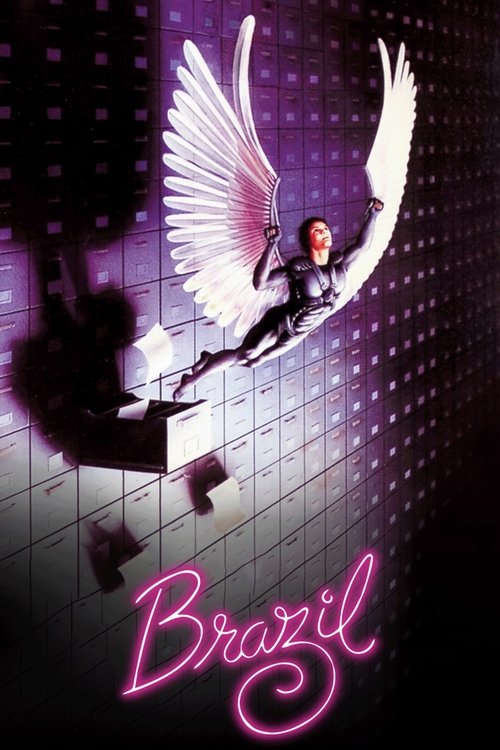
Brazil1985
Gilliam's masterpiece of bureaucratic dystopia and visual excess. If you want the director at his most visionary and unhinged, this is essential—a film that rewards repeat viewings and decoding.
But Nearly three hours of aggressively weird narrative that requires patience and tolerance for surrealism that actively resists clarity.
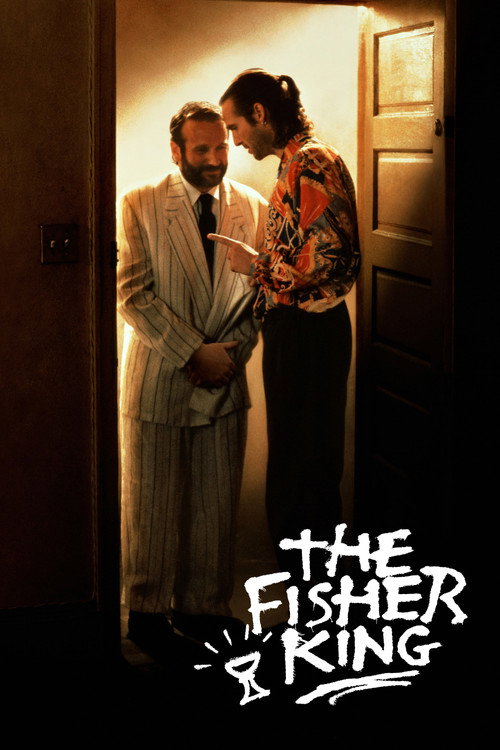
The Fisher King1991
Gilliam meets Robin Williams in a film about redemption through madness and the power of delusion. Tender, funny, and genuinely moving—his most accessible fusion of whimsy and heartbreak.
But The tonal whiplash between comedy and trauma can feel uneven, and some of the magical realism hasn't aged gracefully.
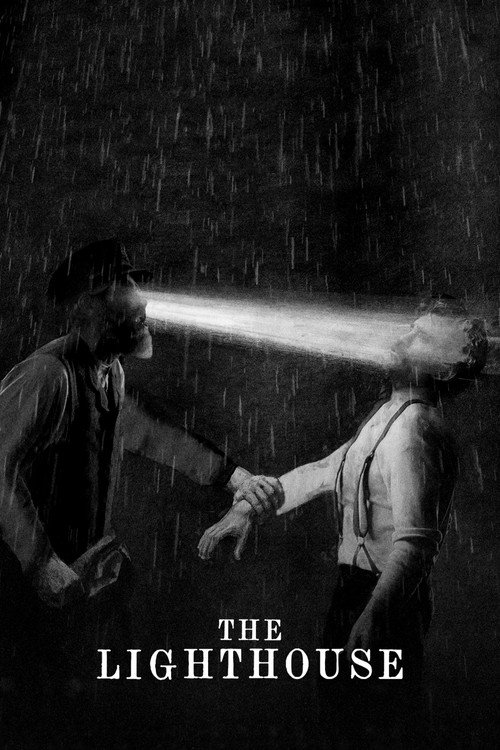
The Lighthouse2019
Two men locked in escalating madness on a remote island. Black-and-white, claustrophobic, hallucinatory—it captures that fever-dream logic and dark humour without Gilliam's scale or budget.
But Deliberately punishing pacing and difficult to parse until the end. Willem Dafoe's accent is almost impenetrable in places.
Not sure tonight? Get a pick in a minute, starting from The Man Who Killed Don Quixote
The wildcard
Something you would not have found on your own.
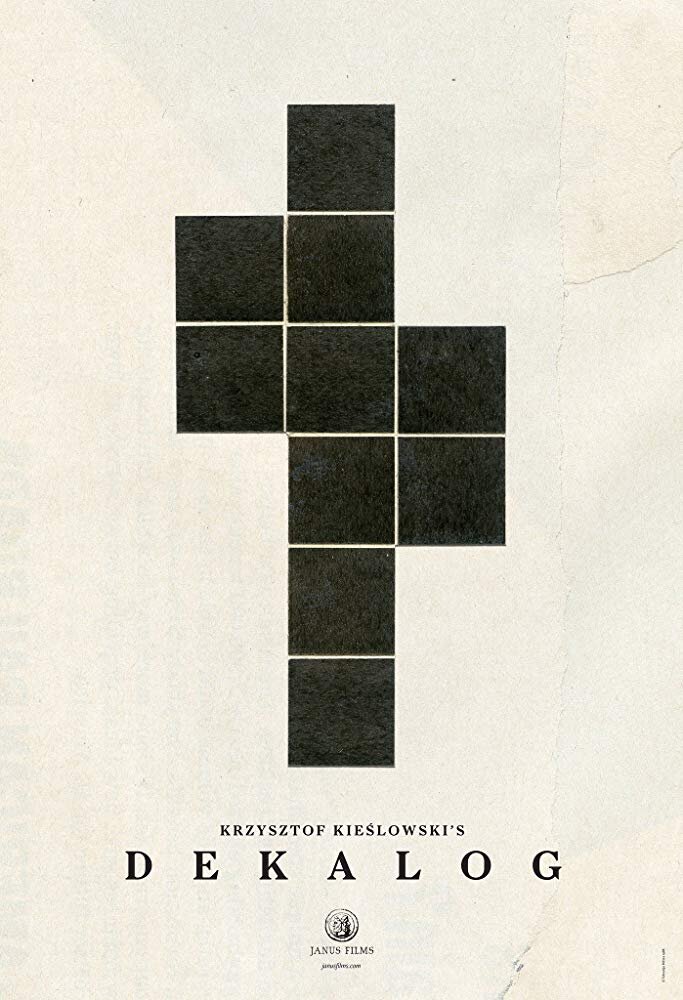
Dekalog1989
Like Quixote, it's about the gap between how we see the world and how the world actually is—people trapped in their own interpretations of fate and meaning, unable to escape the stories they've built.
Kieślowski's ten-film meditation on fate, morality, and coincidence woven across a Warsaw apartment block. Operates at the intersection of the mundane and the profound—small lives containing cosmic weight. One film per commandment.
But Deliberately paced, requiring sustained attention. The philosophical weight can feel heavy without warning, and some episodes sit in uncomfortable moral ambiguity.
More like this (8)
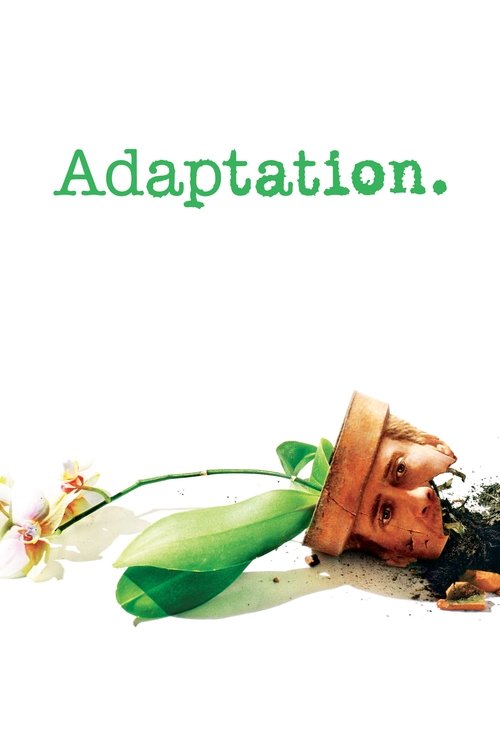
Adaptation.2002
Charlie Kaufman's film about a screenwriter failing to adapt a book, layering fiction and reality until they're indistinguishable. Shares Quixote's obsession with how stories trap us.
But Aggressively meta and self-referential to the point where some find it exhausting rather than clever.
The Grand Budapest Hotel2014
Wes Anderson's pastel-coloured caper about nostalgia, loyalty, and the gap between memory and truth. Intricate, gorgeous, and deeply funny about characters clinging to a lost world.
But Anderson's symmetrical aesthetic and affected tone won't click for everyone, and the plot is secondary to the style.

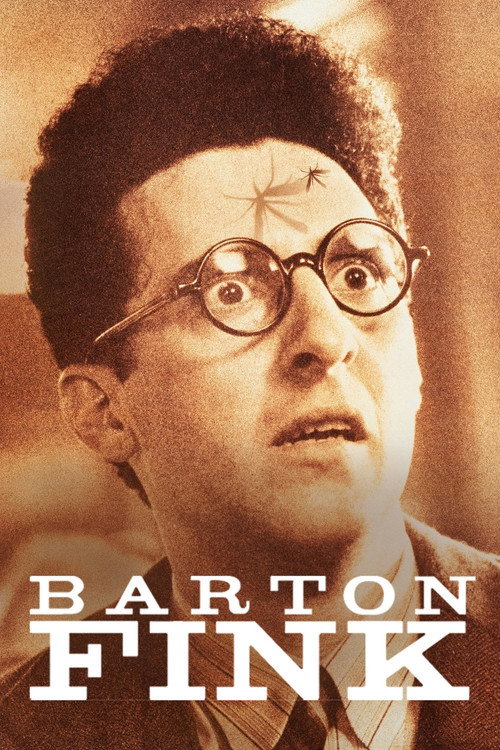
Barton Fink1991
A screenwriter in a decaying Hollywood hotel spirals into madness and delusion. The Coens capture the same claustrophobic absurdity and the breakdown of a man's carefully constructed worldview.
But Deliberately obscure and unwilling to explain itself. The ending is unresolved in ways some find pretentious.
Synecdoche, New York2008
Kaufman's sprawling meditation on art, mortality, and the inability to separate life from fiction. Like Quixote, it's about a man lost in a world he can no longer navigate with certainty.
But Increasingly dense and self-pitying, and demands real effort to follow without a safety net of clarity.

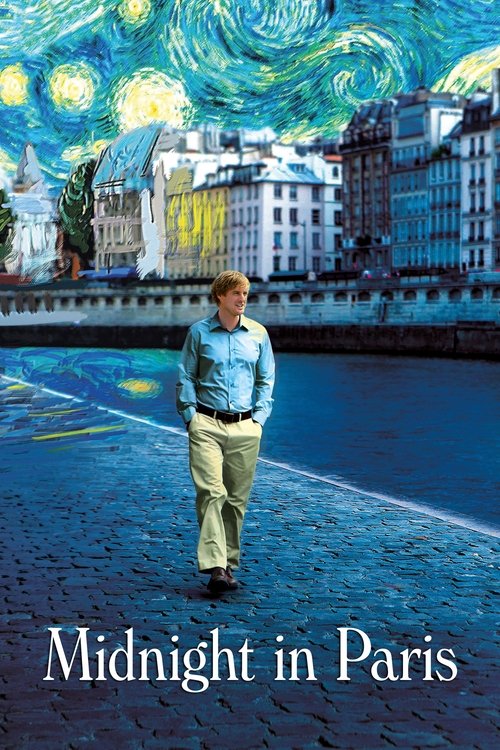
Midnight in Paris2011
An idealistic writer is transported to the 1920s every night. Woody Allen's gentler take on the collision between past nostalgia and present reality, with genuine warmth beneath the whimsy.
But The magical realism is solved too neatly, and some may find Allen's self-indulgent nostalgia precious rather than poignant.
Mulholland Drive2001
Lynch's fractured Hollywood nightmare where identity and delusion blur completely. A portrait of how stories we tell ourselves can destroy us, shot with mesmerizing control.
But Deliberately fragmented and offers no conventional resolution. Long, slow, and sometimes impenetrable without deep analysis.

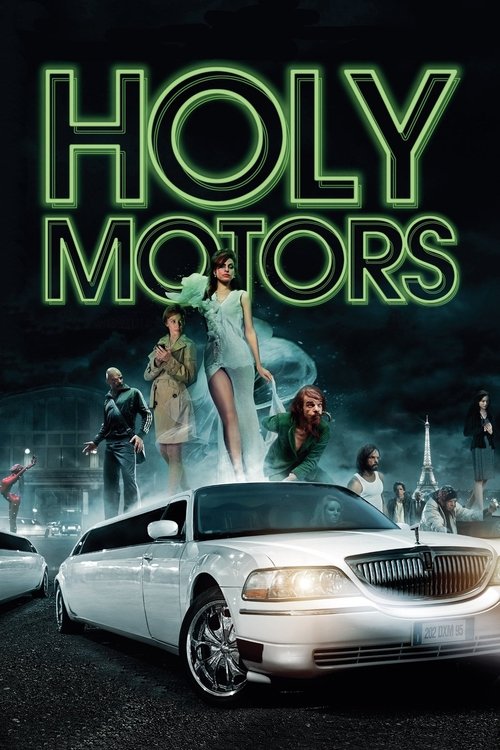
Holy Motors2012
Both films use the journey through a landscape as metaphor for a man's fractured identity. Carax makes it explicit: we are all playing roles, unable to distinguish the performer from the performance.
Leos Carax's avant-garde fever dream: a man in a limousine travels through Paris living multiple simultaneous lives. Surreal, poetic, darkly funny—cinema as pure transformation and existential performance.
But Experimental to the point of obscurity. There is no plot to follow, only mood and metamorphosis. Demands acceptance of confusion as the point.
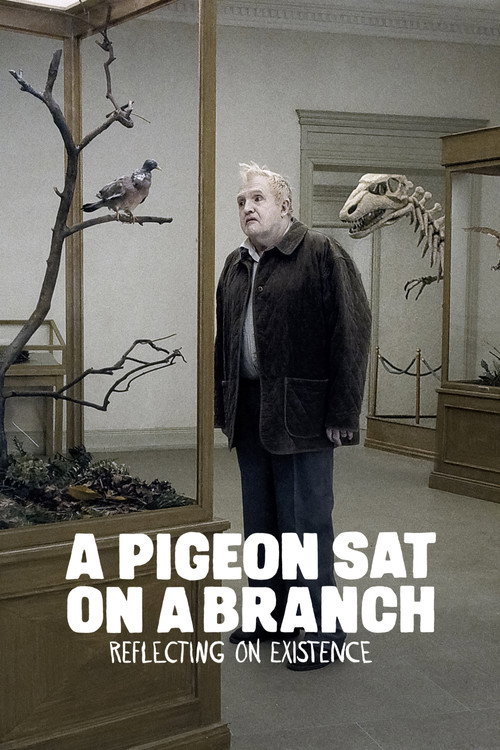
A Pigeon Sat on a Branch Reflecting on Existence2014
Both are road movies that aren't really about movement, but about confronting the unbridgeable distance between how we wish life to be and how it actually is. Both find dark comedy in that gap.
Roy Andersson's deadpan Swedish comedy about the meaninglessness of existence, shot in long static takes like paintings. Glacially paced, achingly funny, profoundly sad—a meditation on suffering rendered absurd.
But Virtually nothing happens. The humour is glacial and existential rather than comedic. Patience isn't optional; it's mandatory.
People
Cast
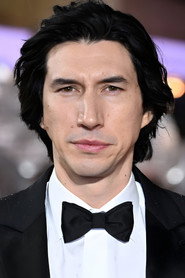 Adam DriverToby
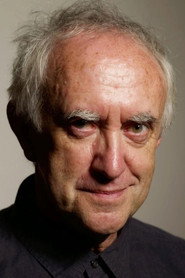 Jonathan PryceDon Quixote
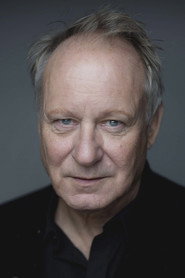 Stellan SkarsgårdThe Boss
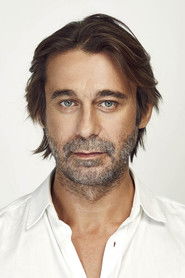 Jordi MollàAlexei Miiskin
 Joana RibeiroAngelica
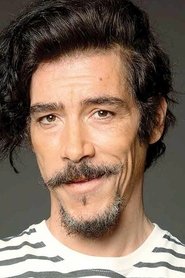 Óscar JaenadaGitano
 Olga KurylenkoJacqui
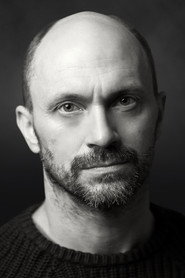 Will KeenProducer
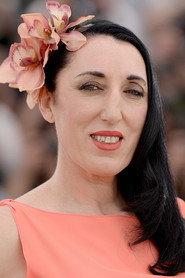
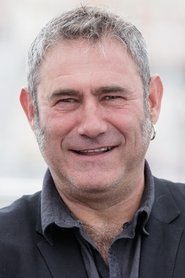 Sergi LópezFarmer
 Paloma BloydMelissa
 Lídia FrancoPanicky Woman 1
Directing
- Ana SummersAssistant Director
- Dino EstrelinhaAssistant Director
- Terry BamberAssistant Director
- Terry GilliamDirector
Writing
- Miguel de CervantesNovel
- Terry GilliamScreenplay
- Tony GrisoniScreenplay
Production
- Camilla-Valentine IsolaCasting
- Irene LambCasting
- Pablo IraolaCo-Producer
- Pandora da Cunha TellesCo-Producer
- Jeremy ThomasExecutive Producer
- Cristina GómezOther
- Nastasia KahanOther
- Amy GilliamProducer
- Gabriele OricchioProducer
- Gerardo HerreroProducer
- Mariela BesuievskyProducer
- Anne MattatiaProduction Supervisor