
Film
The Purple Plain
A 1954 war drama about a Canadian RAF pilot in Burma, consumed by grief and flying recklessly toward death. Gregory Peck gives a wounded, introspective performance as a man the military has written off. It's thoughtful where most war films are thunderous—less concerned with heroics than with the quiet cost of survival and whether a broken person can choose to live.
Should you watch it?
Watch it if you are drawn to wartime stories about a wounded mind more than battles, and you like a patient, intimate picture of one man being slowly pulled back toward himself.
Skip it if you want a fast, action-led war film, since its mood stays brooding and inward for most of its 98 minutes.
What it asks of you: Expect a leisurely runtime of about an hour and a half, with long stretches of conversation and stillness, and enough attention to follow a man's guarded silences.
Not sure? Find tonight's pick in a minute.
If you liked this
The Best Years of Our Lives1946
Three veterans return home from WWII and struggle to rebuild their lives. Like The Purple Plain, it treats trauma as a real injury that doesn't resolve neatly, and finds its power in quiet moments between the men.
But It's long and deliberately paced, with moments of domestic routine that won't satisfy anyone wanting combat or plot momentum.

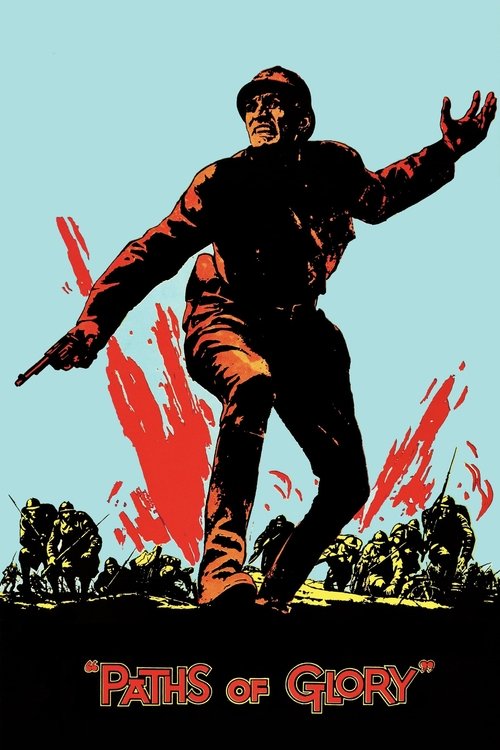
Paths of Glory1957
Kubrick's masterpiece about the moral rot inside a military hierarchy. It shares The Purple Plain's interest in how war damages the people fighting it, and how institutions fail those they're meant to protect.
But The final scene is devastating in a way that lingers uncomfortably. Some find it manipulative; it's certainly not cathartic.
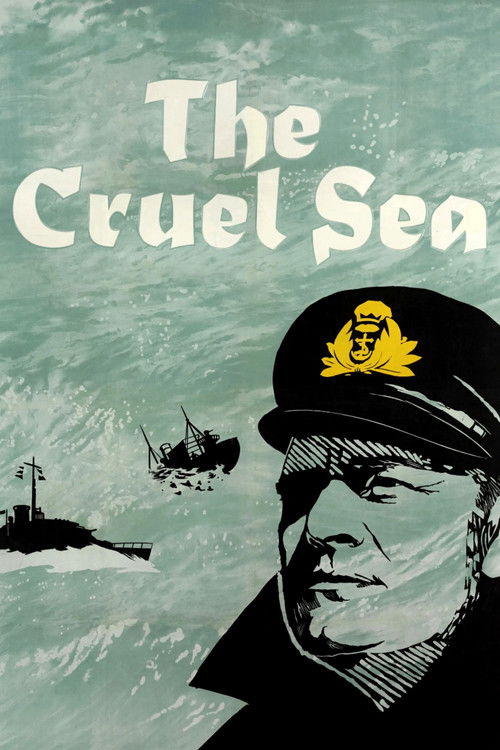
The Cruel Sea1953
A British war film about the crew of a naval destroyer, built from ordinary moments and small decisions rather than set pieces. The mood—exhaustion, duty, the weight of command—echoes The Purple Plain exactly.
But Naval warfare in the Atlantic isn't as visceral as air combat, and the film moves slowly through routine and bureaucracy.
Not sure tonight? Get a pick in a minute, starting from The Purple Plain
The wildcard
Something you would not have found on your own.
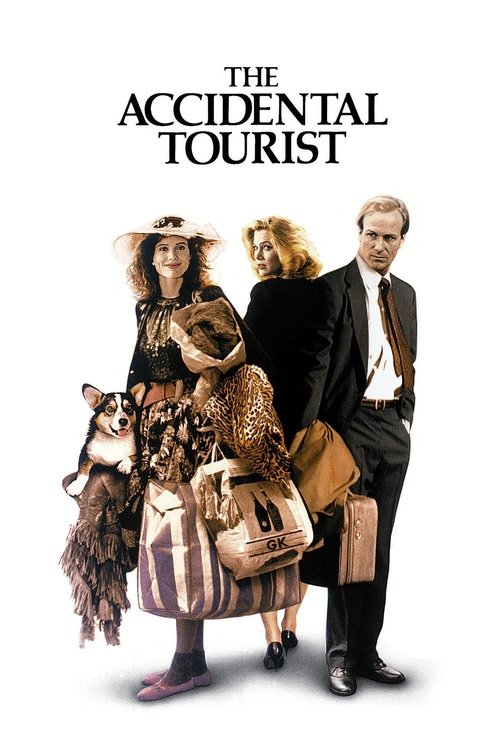
The Accidental Tourist1988
Both are about a man hollowed by grief who uses work/routine as a shield against feeling, and both trust that connection with another person can rebuild the will to live.
William Hurt plays a man so traumatized by loss that he's built a life of compulsive routine and emotional absence. It's about learning to want to live again after you've decided you don't. The same core journey as The Purple Plain, but intimate and tender instead of set against war.
But It's a quiet, domestic character study. If you're looking for plot or external action, you'll find it slow and circling.
More like this (8)
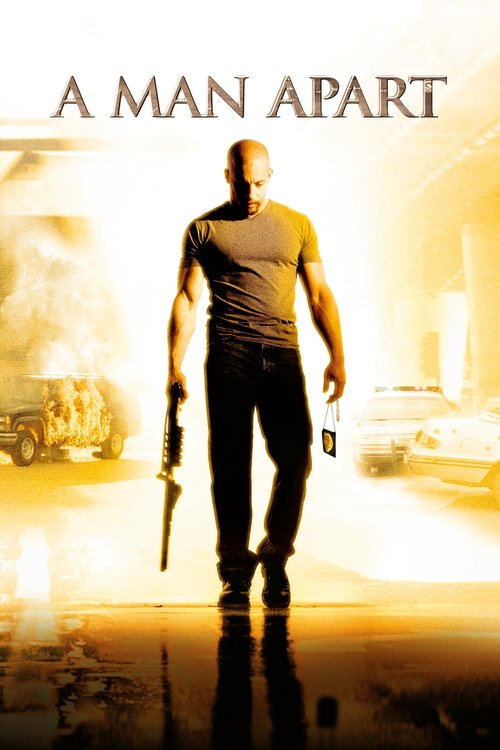
A Man Apart2003
Vin Diesel plays a DEA agent whose marriage collapses as he pursues a case obsessively, losing himself to the work. It's unexpectedly sombre about how men use duty to avoid dealing with grief.
But The action and crime-thriller elements feel grafted onto a character study. The tonal mixture doesn't always hold.
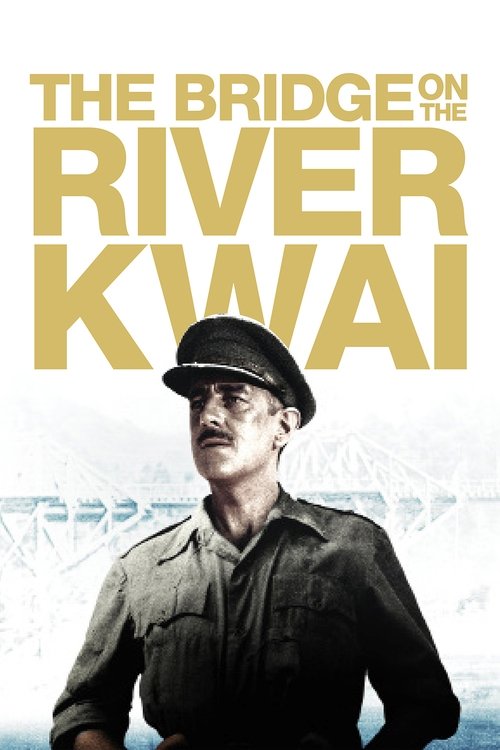
The Bridge on the River Kwai1957
Another Burma-set war story about a British commander whose obsession with building a bridge becomes a way to assert control and meaning in captivity. Both films ask whether duty can become self-destruction.
But It's nearly three hours and famous enough that you likely know the ending. The second half pivots away from character into spectacle.
Come and See1985
A Soviet film about a boy conscripted into WWII. Like The Purple Plain, it refuses to prettify war or let you feel noble about it. A devastated, unforgettable portrait of what combat does to the human soul.
But It's bleak and gruelling—not a film that entertains. The violence is contextual and psychological rather than cinematic, which makes it harder to process.

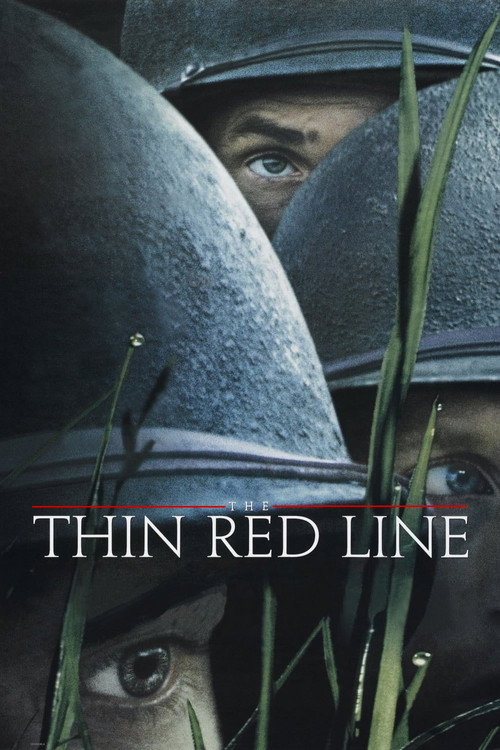
The Thin Red Line1998
Malick's meditative take on combat in the Pacific. It moves inside the minds of soldiers—their doubts, their spiritual questions, their smallness against the machinery of war. Like The Purple Plain, contemplative where others are action-driven.
But It's self-consciously poetic and can feel pretentious. The voiceovers aren't for everyone, and the narrative is deliberately fragmented.
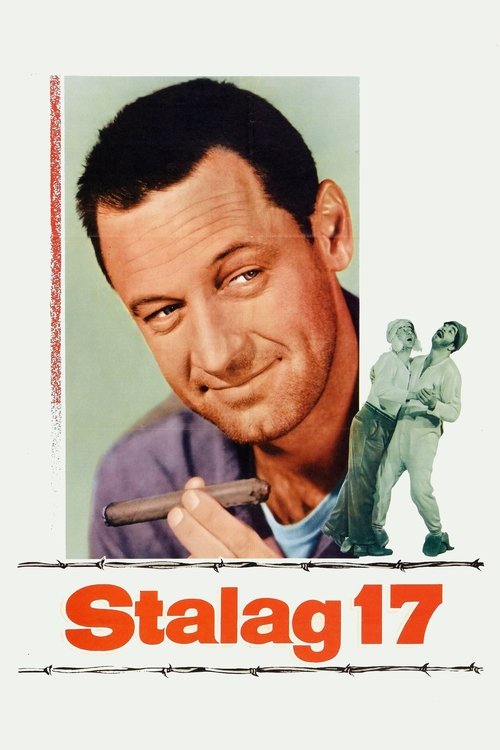
Stalag 171953
A POW camp drama where tension comes from mistrust and psychology rather than escape action. It shares The Purple Plain's interest in how confinement and trauma reshape men's relationships and loyalties.
But It's a B-movie in structure, even if well-made. The thriller plot occasionally overshadows the character work.
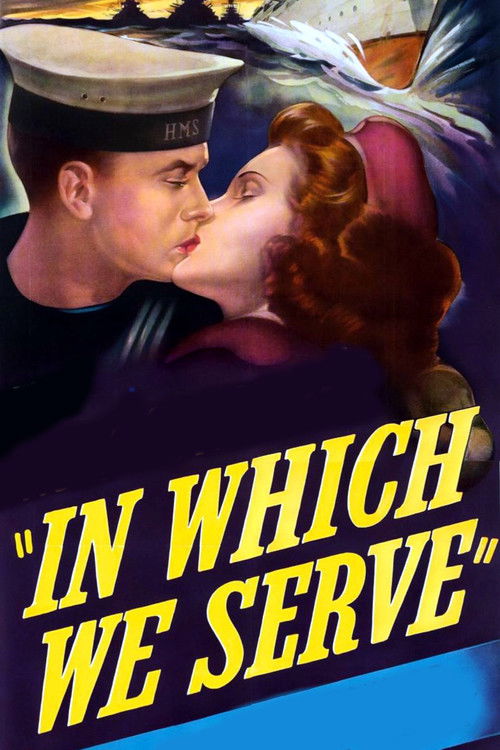
In Which We Serve1942
Coward and Lean's portrait of a British naval destroyer and its crew during wartime. Understated, focused on duty and discipline, with real affection for ordinary men under extraordinary strain.
But It's a propaganda film made during the war and shows its age. The style is formal and distant by modern standards, which distances the emotional core.
Walkabout1971
Both films use wilderness (Burma's jungle, Australia's outback) as a space where traumatized characters confront themselves and potentially transform. Both suggest that healing requires stepping outside the ordered world.
Roeg's visionary Australian film: a white teenage boy and girl survive a plane crash in the outback and are helped by an Aboriginal boy on his walkabout. It's structured as a spiritual journey of healing and connection—like The Purple Plain's arc, but rendered through landscape, silence, and the possibility of transcendence.
But It's painterly and symbolic in ways that can feel opaque. The ending carries weight that may disturb you; it's not a comfortable resolution.

Ikiru1952
Both follow a man at the end of his functional life, asking whether he can still choose to engage with living rather than simply endure. Both are quiet, philosophical meditations on redemption through connection.
Kurosawa's masterpiece: an aging Japanese bureaucrat learns he's dying and scrambles to find meaning in his wasted life. It's The Purple Plain's thematic twin—a man confronting his own death and asking whether his life mattered—but told with devastating simplicity and filmed as intimate character study rather than war drama.
But It's slow, melancholic, and Japanese cinema from 1952 won't appeal to everyone. The pacing requires patience and emotional openness.

People
Cast
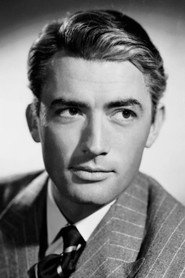 Gregory PeckBill Forrester
 Win Min ThanAnna
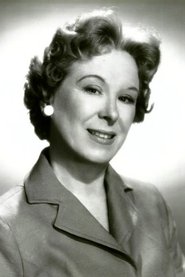 Brenda De BanzieMiss McNab
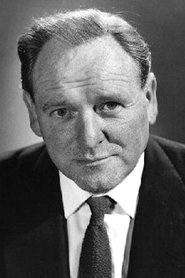 Bernard LeeDr. Harris
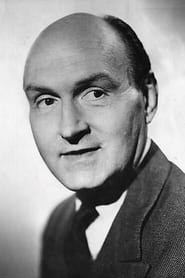 Maurice DenhamBlore
 Lyndon BrookCarrington
 Anthony BushellAldridge
 Josephine GriffinMrs. Forrester
 Ram GopalMr. Phang
 Jack McNaughtonSergeant (uncredited)
- Harold SiddonsInjured Navigator (uncredited)
- Mya Mya SpencerDorothy (uncredited)
Directing
- David W. OrtonAssistant Director
- Joan FosterContinuity
- Robert ParrishDirector
Writing
- H. E. BatesNovel
- Eric AmblerScreenplay
Production
- Earl St. JohnExecutive Producer
- John BryanProducer
- Roy GoddardProduction Manager
- Arthur AlcottProduction Supervisor