
Film
Hell in the Pacific
- War drama
- Very dark
Lee Marvin and Toshirō Mifune are enemies stranded on the same Pacific island in 1944, where survival forces them into an uneasy alliance. It's a lean, dialogue-light study of how proximity and necessity dissolve ideology. Boorman's direction strips war down to its essence: two men, one island, no rhetoric. For anyone who loves intelligent adult drama that trusts viewers to feel its tensions.
Should you watch it?
Watch it if you like two-hander survival stories where the real drama is two enemies slowly learning to tolerate each other, with almost no dialogue to lean on and plenty of silence doing the work.
Skip it if you need a steady stream of action or a brisk plot, since much of the 103 minutes is spent on a bare island with two men circling each other and very little happens in between.
What it asks of you: It asks for patience and a willingness to watch faces and gestures rather than events, moving at a deliberate, unhurried pace with a light touch of gentle humour running underneath.
Not sure? Find tonight's pick in a minute.
If you liked this
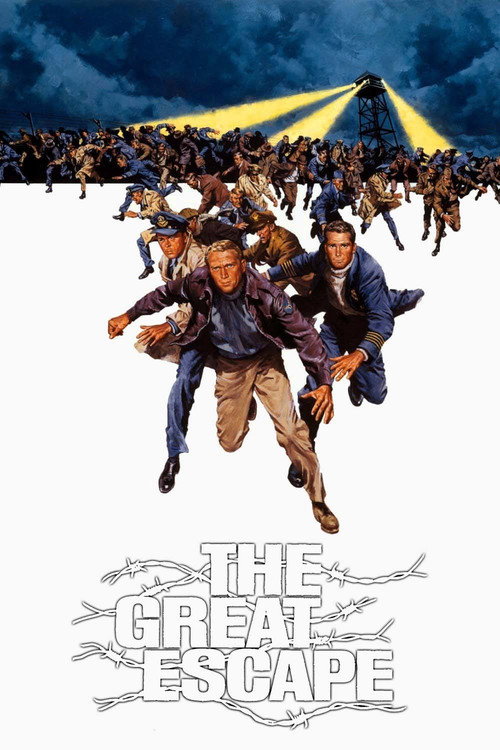
The Great Escape1963
Steve Reeves leads an all-star ensemble in a meticulous WWII heist about ingenuity and camaraderie under pressure. Like Hell in the Pacific, it finds humanity in the smallest moments between the spectacular ones.
But At over two hours, it demands patience, and some of the supporting subplots drag. The film's age shows in ways that won't bother purists but might feel dated to you.
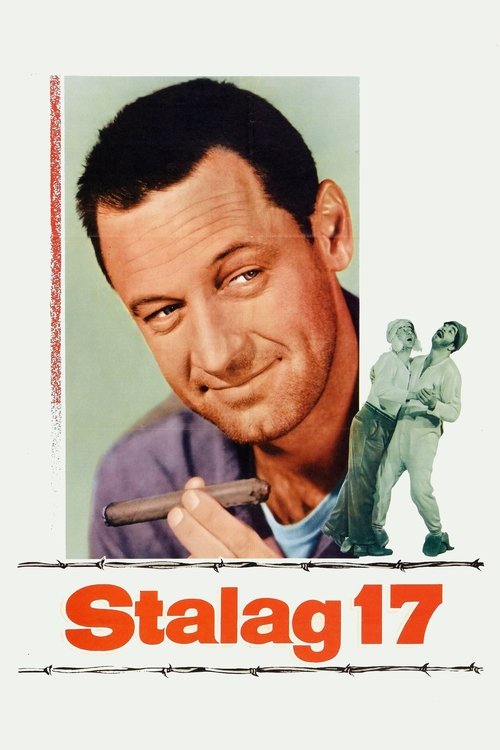
Stalag 171953
Billy Wilder's masterpiece about Allied prisoners and paranoia. Like Boorman's film, it understands that war's real drama isn't battles—it's the moral maze of survival and trust with your enemy living five feet away.
But It's lean to the point of sometimes feeling stagey. Wilder's wit can feel anachronistic in a POW camp, and the tonal shifts aren't always graceful.
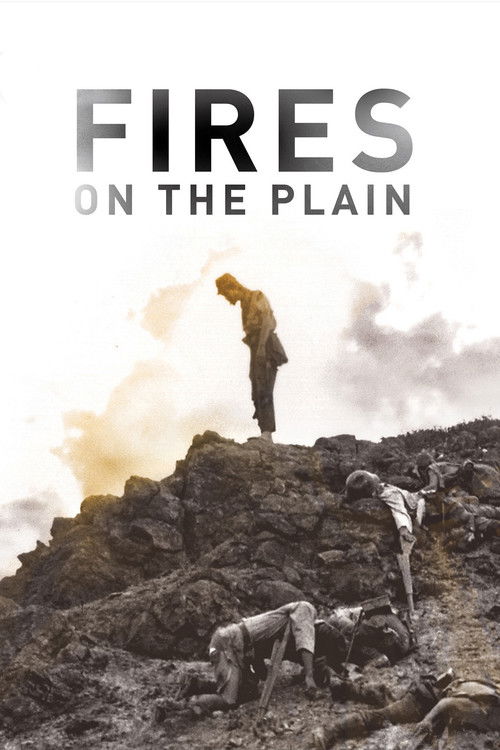
Fires on the Plain1959
A Japanese soldier abandoned in the Philippines faces starvation and moral dissolution. Ichikawa's film matches Hell in the Pacific's unflinching look at how war strips away civilization, with even greater bleakness and humanity.
But It's punishing to watch—hunger, disease, and desperation are rendered without sentiment. The pacing is deliberate and the ending offers no catharsis. Not for everyone's evening.
Not sure tonight? Get a pick in a minute, starting from Hell in the Pacific
The wildcard
Something you would not have found on your own.
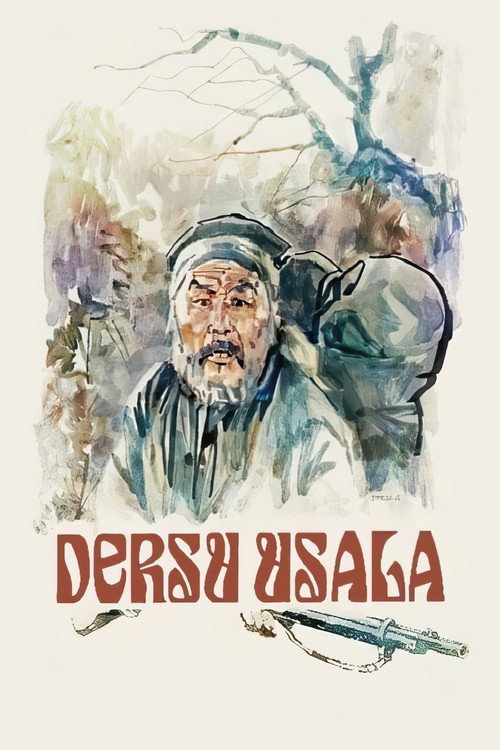
Dersu Uzala1975
Both use extreme isolation and physical necessity to dissolve the gap between enemies. Both are about learning another man's codes when your own no longer apply.
Kurosawa's late masterpiece: a Russian surveyor and a Siberian trapper bond in the wilderness, learning to read terrain and each other in a wordless language of survival. Both films trust silence and landscape to do the work dialogue can't.
But It's 137 minutes of watching two men move through snow and forest. The pacing is glacial. If you need plot momentum, you'll feel it as drift.
More like this (7)
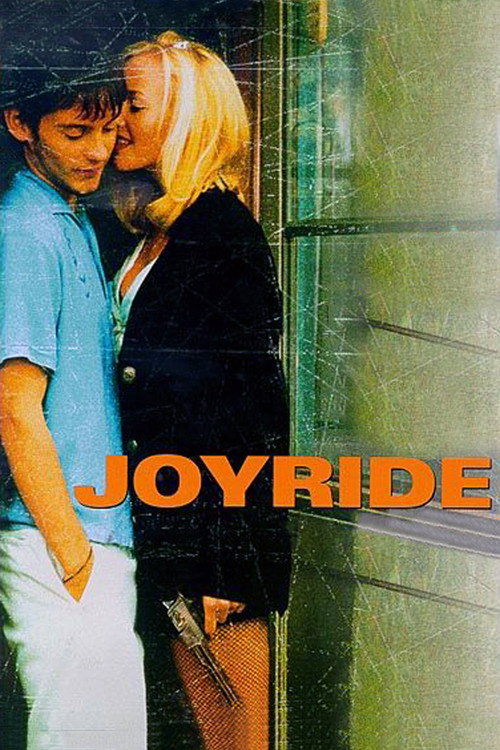
Joyride1997
Two strangers on a road trip spiral into dangerous dependency, the landscape turning alien. Like Hell in the Pacific, it's about how enforced proximity rewires human bonds and reveals character through constraint.
But The violence is sudden and graphic when it arrives. Some viewers find the third act's turn into thriller territory a betrayal of the earlier character work.
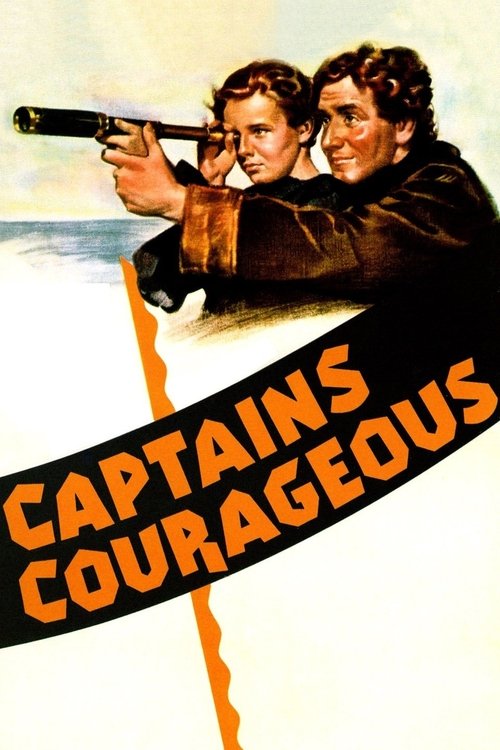
Captains Courageous1937
Spencer Tracy and a spoiled boy survive together on a fishing boat. It shares Hell in the Pacific's belief that hardship and work dissolve pretense, though it's far gentler and more sentimental about the redemption that follows.
But The period affectations and class moralizing feel very 1930s. It's a Hollywood film that wants you to believe in redemption in ways Boorman never does.
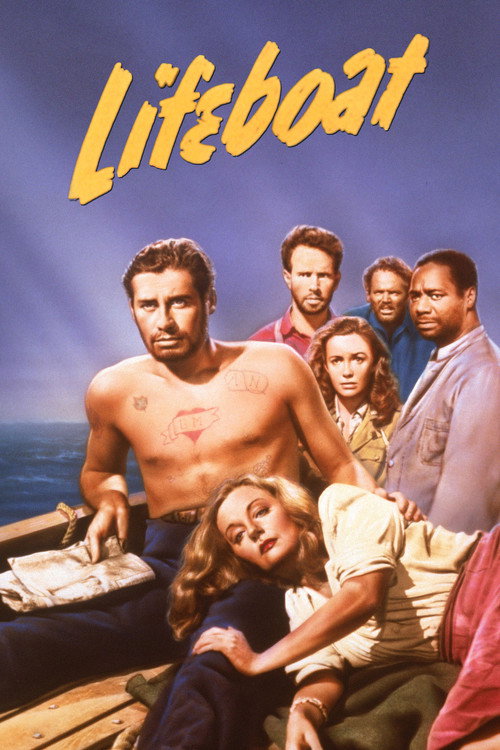
Lifeboat1944
Hitchcock traps eight people in a small boat after a U-boat sinks their ship. It's a real-time pressure cooker about how desperation breeds moral compromise, paranoia, and unexpected alliances.
But The ship sets and confined space can feel stagey and artifical. Some of Hitchcock's politics around nationality and class haven't aged well.
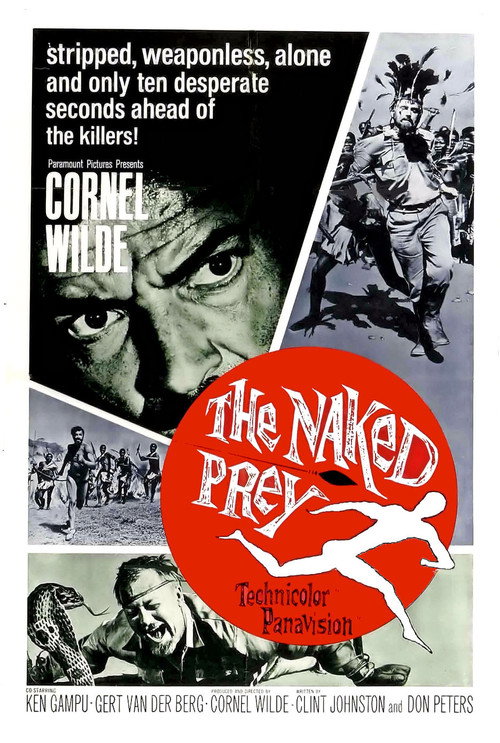
The Naked Prey1965
Cornel Wilde hunts and is hunted across African landscape with minimal dialogue. Gordon Douglas makes a pure cinema poem from survival—no words, just movement, terrain, and the animal logic that Hell in the Pacific explores.
But There's almost no plot. If you want narrative momentum or character development, you'll find it absent. It's mood and image over story.
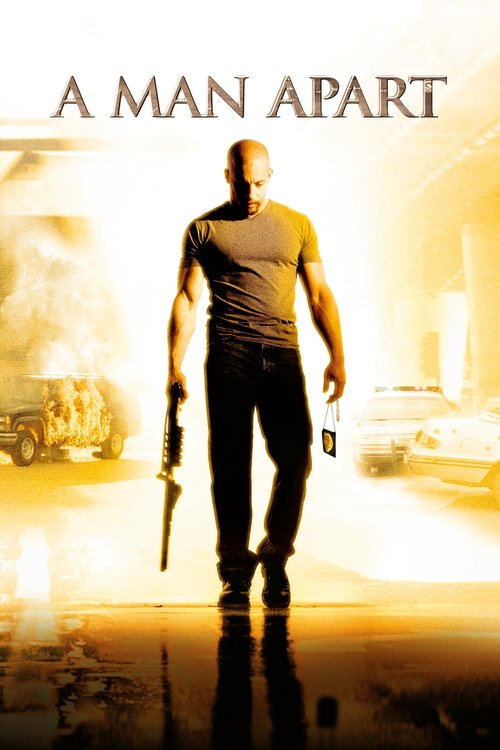
A Man Apart2003
Vin Diesel plays a DEA agent isolated by his dual life, living by codes that no longer serve him. It's got the same interest in how isolation and codes reshape a man's idea of survival, though wrapped in an action-thriller.
But The dialogue is weightier than the character work deserves. It mistakes gravity for depth, and the action sequences feel obligatory rather than earned.
Cast Away2000
Tom Hanks alone on an island for years, rebuilding himself from nothing. It's the spiritual heir to Hell in the Pacific's interest in solitude, survival, and what remains of self when everything is stripped away.
But It's emotionally manipulative in ways Boorman's film never is. The narrative arc feels inevitable and the emotional beats are telegraphed from miles away.

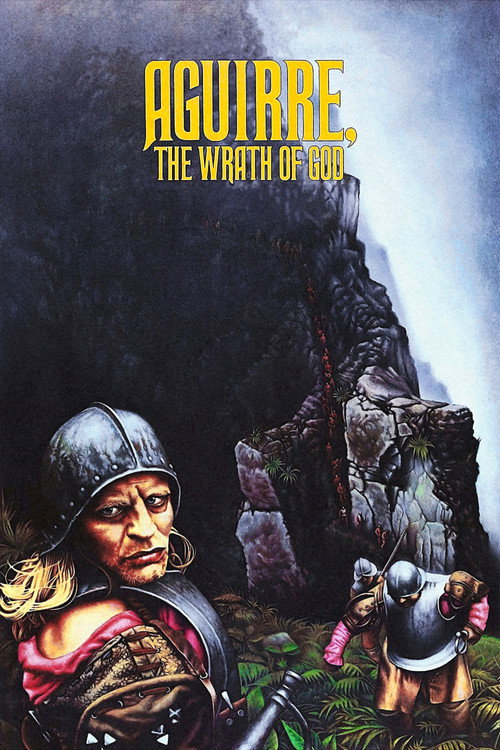
Aguirre, the Wrath of God1972
Both treat landscape and isolation as a force that reveals character and breaks ideology. Both suggest the wilderness doesn't care about your enemy, only about whether you survive.
Herzog's fever-dream follows conquistadors and natives on a raft downriver hunting El Dorado. It's obsession, landscape, and two incompatible groups locked in shared nightmare—as much about the texture of desperation as Hell in the Pacific.
But It's hallucinatory and non-narrative. The dialogue is sparse and feels detached from action. If you want clarity or plot, you will not find it here. Patience is not optional.
People
Cast
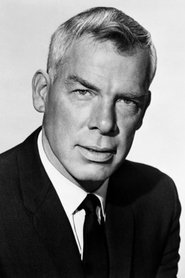 Lee MarvinAmerican Pilot
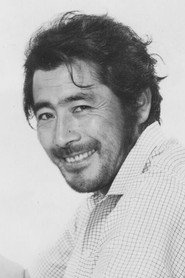 Toshirō MifuneCaptain Tsuruhiko Kuroda
Directing
- Yōichi MatsueAssistant Director
- John BoormanDirector
Writing
- Alexander JacobsScreenplay
- Eric BercoviciScreenplay
- Reuben BercovitchStory
Production
- Henry G. SapersteinExecutive Producer
- Selig J. SeligmanExecutive Producer
- Reuben BercovitchProducer
- Harry F. HoganProduction Manager
- Isao ZeniyaProduction Manager
- Lloyd AndersonProduction Manager