
Film
The Hiding Place
A 1975 drama about two Dutch sisters imprisoned for harboring Jews during the Nazi occupation of Holland. It's a quietly fierce film about faith tested under unimaginable cruelty, grounded in the lived details of ordinary people choosing resistance. For anyone who wants to understand how conviction survives horror—not despite it, but through it.
If you liked this
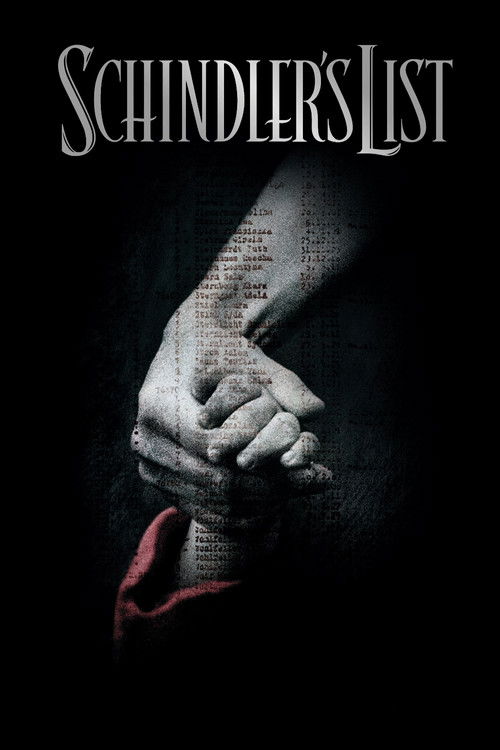
Schindler's List1993
Spielberg's unflinching portrait of a man who saves over a thousand Jews. Like The Hiding Place, it finds humanity and moral clarity in the darkest chapter of history, but with a broader scope and the weight of a hundred million dollars behind it.
But Nearly four hours long. The graphic violence is purposeful but unrelenting. Some find it too controlled, too perfectly composed to feel true.
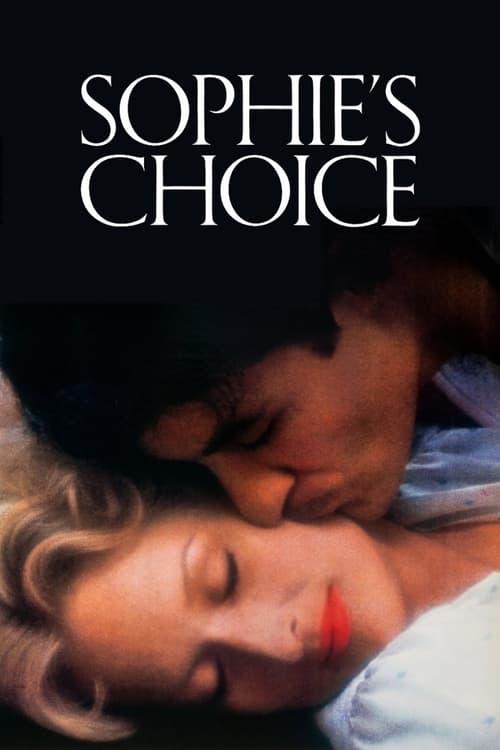
Sophie's Choice1982
Meryl Streep's performance is transcendent—the film unfolds a woman's survival story backward, revealing what it cost to live through the war. It's about aftermath and memory as much as the war itself.
But Emotionally devastating in ways that linger. The famous scene is so brutal it can overshadow everything else, and some feel that pain is the point.
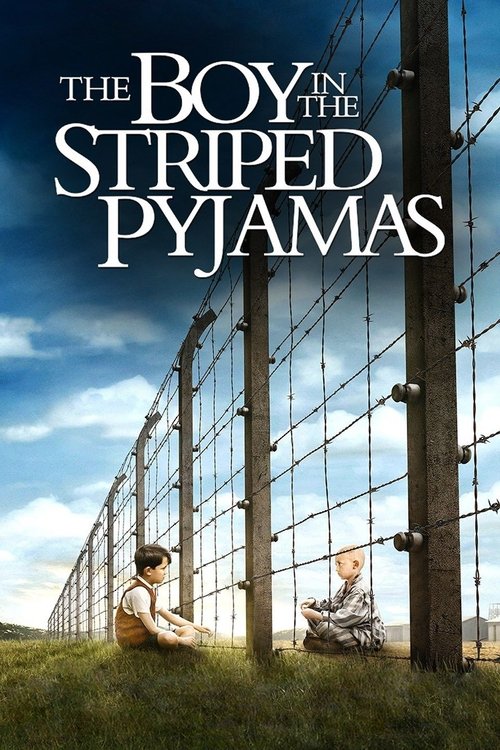
The Boy in the Striped Pyjamas2008
Told through a child's innocent eyes as his father becomes commandant of Auschwitz. It's a quieter film than most Holocaust stories, which makes it more shattering. You see ordinary evil in slow motion.
But The ending will stay with you for days in the worst way. Some argue its perspective is too forgiving of the father's complicity.
Not sure tonight? Get a pick in a minute, starting from The Hiding Place
The wildcard
Something you would not have found on your own.
The Act of Killing2012
Both examine faith, morality, and human nature under systems of organized killing—but The Act of Killing finds these questions in the perpetrators, not the saved.
A documentary where 1960s Indonesian death-squad leaders reenact their own murders on camera, smiling. It sounds obscene but it's a profound study of conscience, memory, and the banality of atrocity. It asks questions The Hiding Place answers.
But No subtitles needed but the accents are thick. Watching perpetrators recreate their crimes is genuinely disturbing and morally complex. Some feel giving them the platform is itself the problem.

More like this (7)
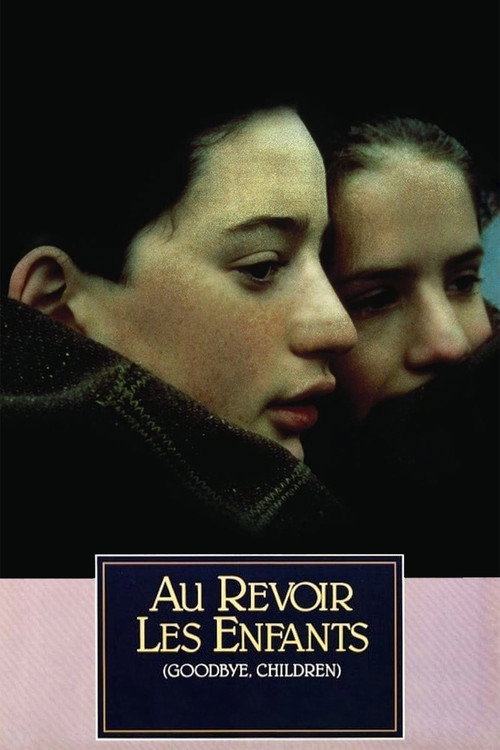
Au Revoir les Enfants1987
A French boarding school shelters Jewish boys during the occupation. Told as memory by Louis Malle, it captures the strange blend of adolescent friendship and creeping dread. Profound without seeming to try.
But Subtitled. Deliberately paced. The ending is quiet and sudden, which some experience as unsatisfying rather than devastating.
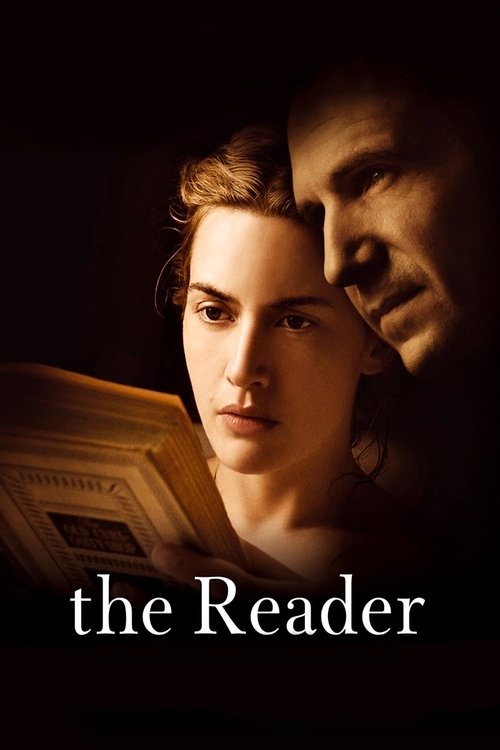
The Reader2008
Kate Winslet is electrifying as a former camp guard confronted with her past decades later. It asks uncomfortable questions about complicity, shame, and whether redemption is possible. The moral ambiguity is the whole point.
But Some find its sympathy for the perpetrator morally offensive. The romance subplot bothers viewers who see it as misdirection.
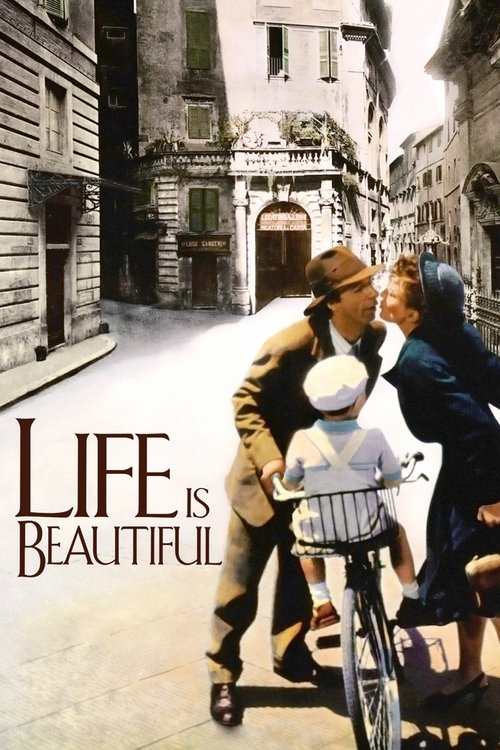
Life Is Beautiful1997
Roberto Benigni's Italian masterpiece finds humor and wonder inside a concentration camp, told from a father protecting his son. It's not denial—it's defiance. Heartbreaking and oddly life-affirming.
But The tonal gamble won't work for everyone. The ending feels earned if you're with it, hollow if you're not.
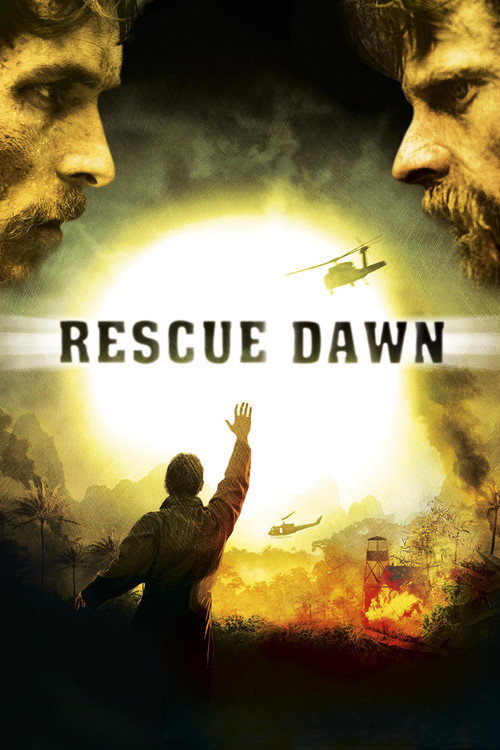
Rescue Dawn2007
Werner Herzog's quietly intense film about an American POW in Vietnam (Christian Bale) uses ordeal to examine resilience and the will to survive. It's less about politics than about what humans can endure.
But Set in a different war entirely. More a survival thriller than a moral reckoning. Some find Herzog's detachment cold.
Come and See1985
An obscure Soviet film about a boy caught in the Nazi invasion of Belarus. It's the rawest, most physically immediate depiction of war's cruelty ever filmed. Genuinely difficult but unforgettable.
But Russian language, black-and-white, relentlessly bleak. The violence is not stylized—it's ethnographic. Many viewers find it unwatchable.

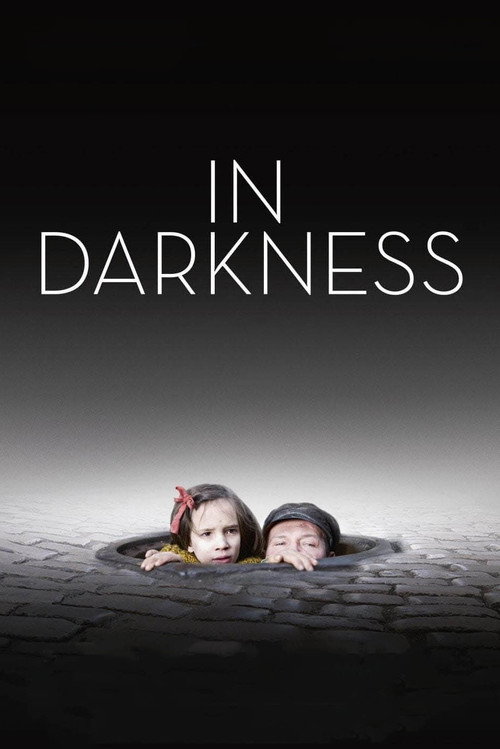
In Darkness2011
A Polish sewer engineer hides Jews beneath Lvov for years. It's visceral and intimate, shot almost entirely in underground darkness, turning claustrophobia into metaphor. Lesser-known but deeply affecting.
But The sewer setting is literal and grim. Subtitled. The pacing is slow and the stakes feel less mythic than other Holocaust films.
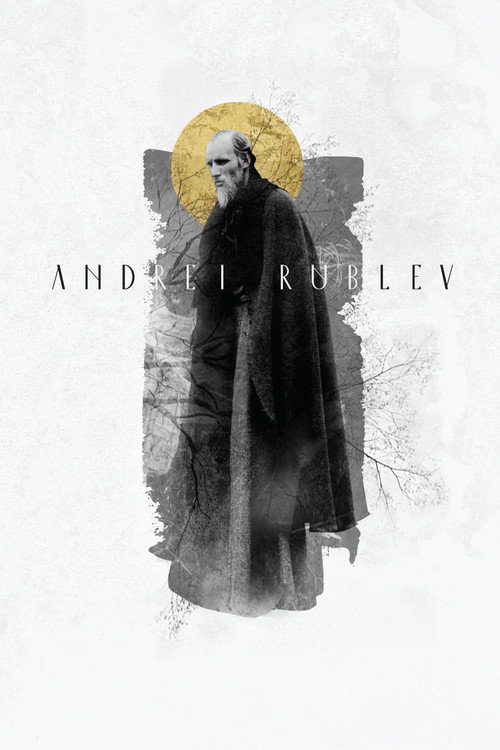
Andrei Rublev1966
Both ask whether spiritual conviction can survive when the world is dying. Both believe the answer is yes, but neither makes that easy to accept.
Tarkovsky's epic about a 15th-century Russian icon painter struggling with faith during war and oppression. It's visual poetry about whether art matters when people are starving. The final scene will wreck you.
But Three hours. Black-and-white. Glacially paced. Not a narrative film—a meditation. If you want plot momentum, stop here.
People
Cast
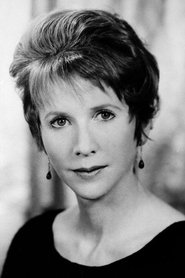 Julie HarrisBetsie ten Boom
- Jeannette CliftCorrie ten Boom
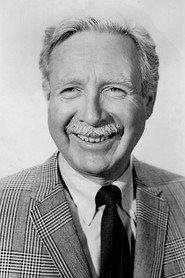 Arthur O'ConnellCasper ten Boom, 'Papa'
- Pamela SholtoTine
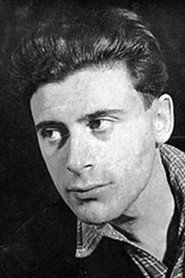 Robert RiettiWillem ten Boom
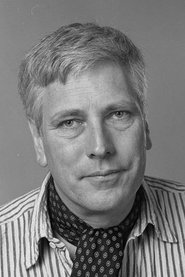 Tom van BeekDr. Heemstra
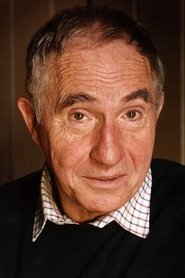 Nigel HawthornePastor De Ruiter
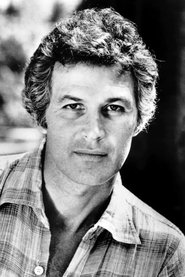 John GabrielProfessor Zeiner
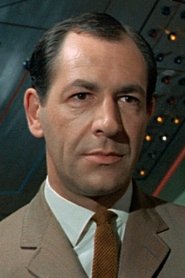 Bernard KayFred Koonstra
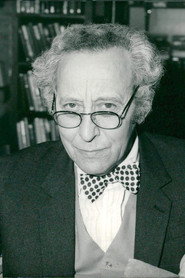 David de KeyserEusie Koonstra
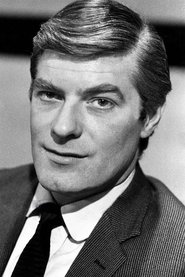 Norman RodwayVan Der Veen
 Carole Ann FordWoman
Directing
- James F. CollierDirector
Writing
- Allan SloaneScreenplay
- Lawrence HolbenScreenplay
Production
- William F. BrownExecutive Producer
- Frank R. JacobsonProducer
Recommended by
Escape from Sobibor, Conspiracy of Hearts, The Scarlet and the Black