
Film
The October Man
A 1947 British thriller about a man recovering from a head injury who becomes the prime suspect when a woman he's just met is murdered. Tense and claustrophobic, it traps you in paranoia—both his genuine vulnerability and the town's suspicion. Excellent early role for John Mills; the kind of precise, economical thriller that British cinema did better than anyone.
If you liked this
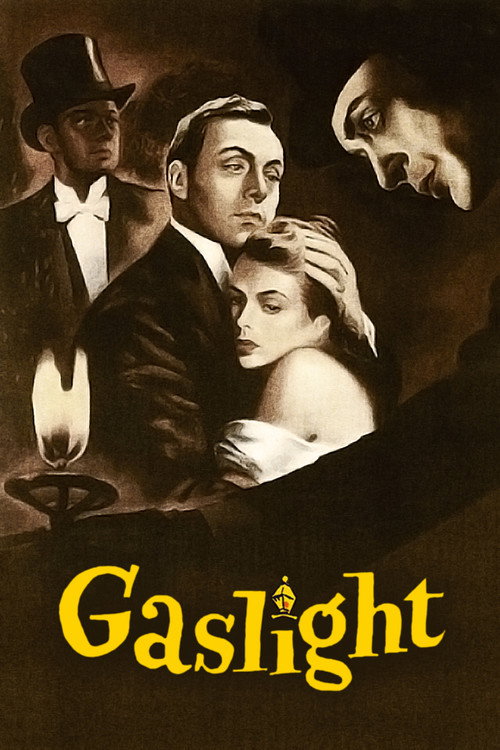
Gaslight1944
A woman grows convinced she's losing her mind as her husband systematically manipulates her. Masterclass in psychological torment with genuine scares. Ingrid Bergman is extraordinary.
But Slow by modern standards, and the domestic abuse at its core is genuinely upsetting rather than thrilling.
The Third Man1949
Vienna after WWII, betrayal, a corpse that shouldn't exist. Orson Welles steals every scene. Reed's direction is immaculate—compositionally brilliant, morally rotten in the best way.
But The zither score is aggressively distinctive. You'll either love it or find it unbearably arch.

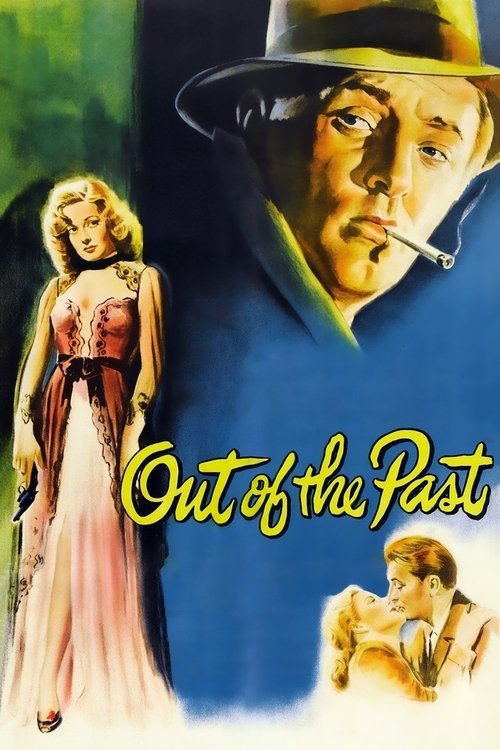
Out of the Past1947
Released the same year: a drifter pulled back into crime by a woman and lies. Mitchum's tired resignation is mesmerizing. Every frame looks like it was composed by someone who understood shadow.
But The plot requires you to accept a man can't escape his past. If you prefer agency over fatalism, this will frustrate you.
Not sure tonight? Get a pick in a minute, starting from The October Man
The wildcard
Something you would not have found on your own.
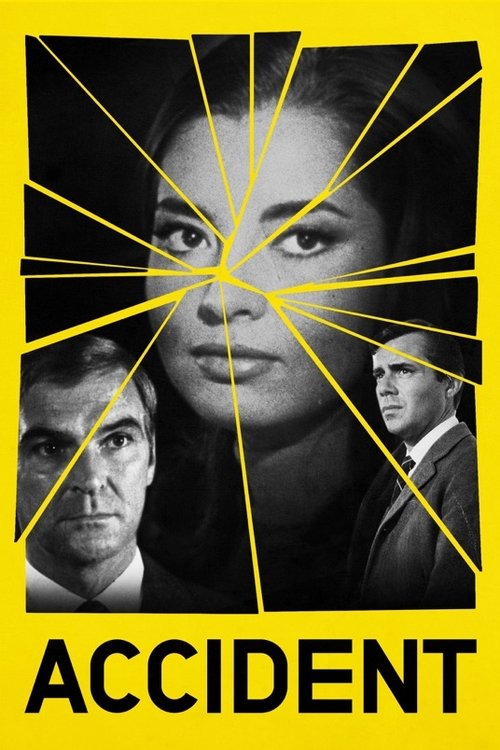
Accident1967
Both hinge on a head injury and suspicion, but where October Man uses these as plot engines, Accident uses them as occasions to examine how men construct narratives to escape guilt.
A don's life fractures after a car crash involving his students. Pinter wrote it; Losey directed. The damage is psychological and moral, not plot-driven. It moves like consciousness—free indirect, digressive, precise about how lies calcify.
But Nothing happens in the conventional sense. It's about atmosphere and complicity. Requires patience and active reconstruction on your part.
More like this (8)
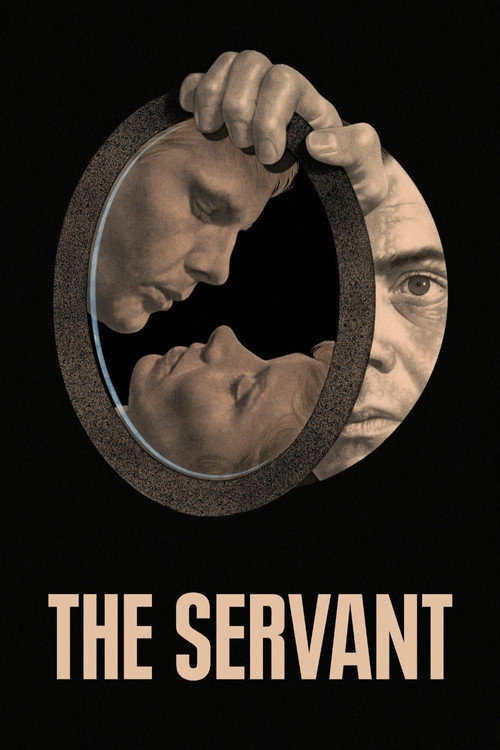
The Servant1963
A manservant subtly seizes power over his employer until the power dynamic inverts into something queasy and undefined. Pinter's script is a masterpiece of unsaid things. James Fox and Dirk Bogarde are magnetic.
But Nothing explicit is ever confirmed. The ambiguity will either fascinate or infuriate you. It's deliberately claustrophobic.
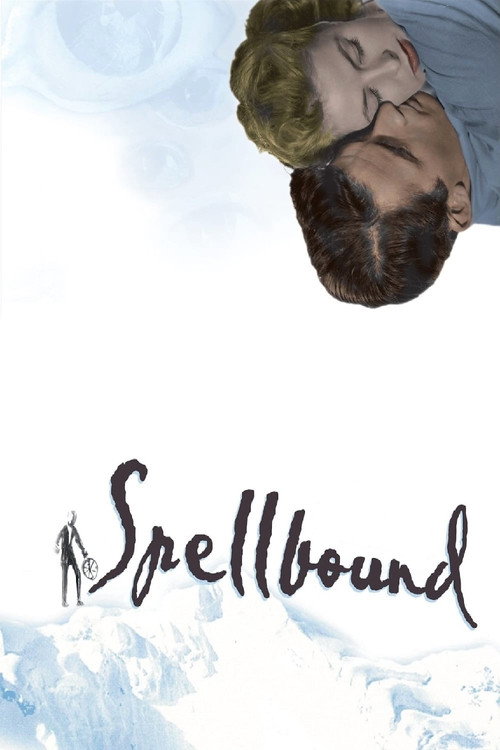
Spellbound1945
Hitchcock's amnesia thriller: a psychiatrist falls for a patient she suspects is a murderer. Dali designed the dream sequences. It's gothic, sexy, and genuinely disorienting.
But The plot depends on accepting psychiatric pseudoscience as plot mechanics. The ending is tidy in a way the film doesn't quite earn.
The Killing1956
Kubrick's debut racetrack heist, told in fractured chronology. Tense, economical, darkly funny. You understand the robbery but not what it costs. Everything after Kubrick learned here.
But The narrative jumps around to prove a point rather than to clarify. Needs attention; won't hold your hand.

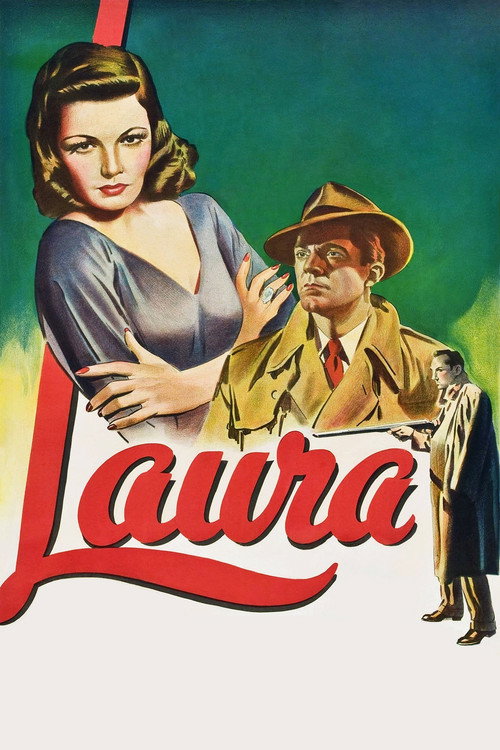
Laura1944
A detective falls in love with a dead woman's portrait while investigating her murder. Otto Preminger's supreme confidence holds the entire film in tension. Obsession as mystery, mystery as romance.
But The central conceit relies on a 1944 concept of psychological complexity that feels dated. The ending is neat when the film wanted to stay unsettled.
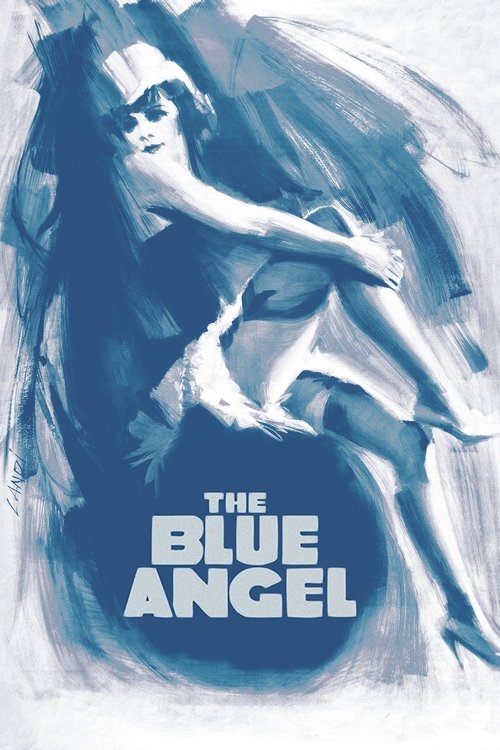
The Blue Angel1930
A respectable man falls for a nightclub performer and is methodically degraded by her. Marlene Dietrich is hypnotic. Sternberg's direction finds beauty in humiliation. Genuinely dark.
But It's in German with English subtitles; deliberately paced; not interested in making its protagonist sympathetic.
In a Lonely Place1950
A volatile screenwriter is accused of murder. Bogart plays against type—not a hero but a man whose own nature is the real investigation. Ray's direction trusts paranoia as theme, not plot.
But Depressing and abrasive. Bogart's character is angry and brittle; the film won't let you off the hook by making him likeable.

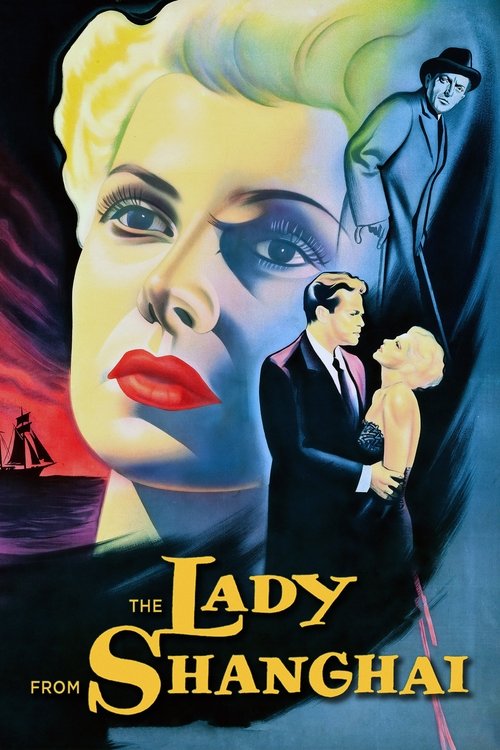
The Lady from Shanghai1947
Both are 1947 British and American takes on the falsely accused man, but Shanghai drowns you in baroque style while October Man strangled you with restraint. They're the same anxiety in opposite registers.
Welles's baroque revenge noir released the same year. A man is seduced into framing himself for a murder he didn't commit. Dazzling, disorienting, deliberately incomprehensible in the best way. The hall of mirrors finale is unforgettable.
But The plot is genuinely hard to follow—on purpose. If you need clarity, you'll spend the runtime confused rather than hypnotized.
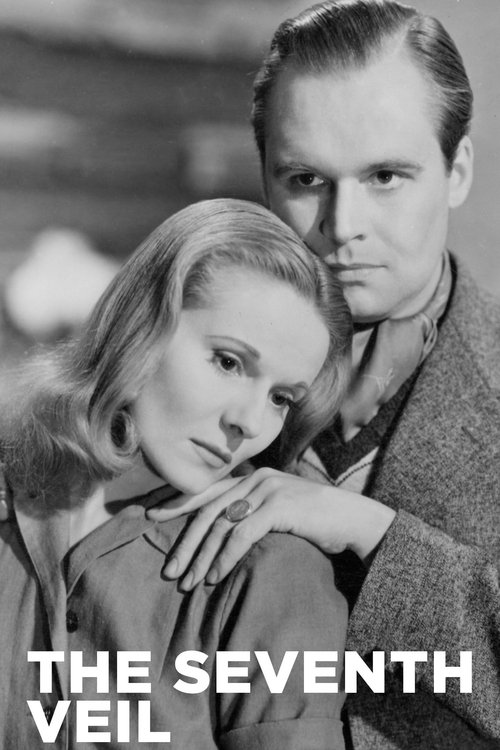
The Seventh Veil1945
Both use post-trauma investigation as their spine, but Veil is Gothic and internal where October Man is concrete and external. Different genres wrestling with the same recovery—mystery versus confession.
A woman attempts suicide and can't remember why. A psychiatrist uncovers her past through hypnosis. It's a melodrama disguised as psychological mystery—all Freud and obsession and desire. James Mason is magnetic as a controlling maestro. Moody, weird, utterly committed to its own sincerity.
But The psychology is retrograde nonsense by modern standards. It's fascinating as a time capsule of 1945's ideas about trauma and female desire, not as actual psychiatry.
People
Cast
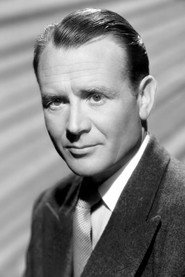 John MillsJim Ackland
 Joan GreenwoodJenny Carden
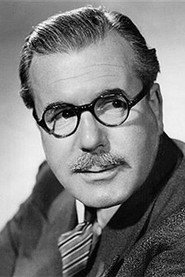 Edward ChapmanMr. Peachy
 Kay WalshMolly Newman
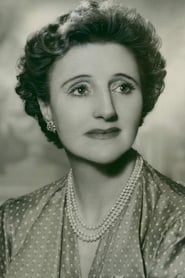 Joyce CareyMrs. Vinton
 Catherine LaceyMiss Selby
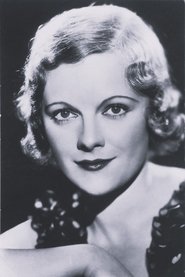 Adrianne AllenJoyce Carden
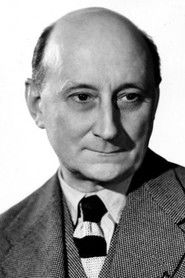 Felix AylmerDr. Martin
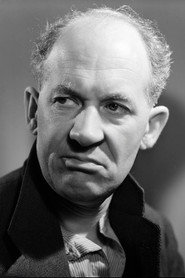 Frederick PiperDet. Insp. Godby
- John BoxerDet. Sgt. Troth
 Patrick HoltHarry Carden
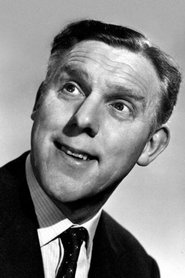 George BensonMr. Pope
Directing
- Roy Ward BakerDirector
Writing
- Eric AmblerNovel
- Eric AmblerScreenplay
Production
- Irene HowardCasting
- Herbert SmithExecutive Producer