
Film
China Girl
A wartime romance wrapped in adventure and espionage. American newsreel cameraman Johnny Williams meets the mysterious Haoli Young while escaping a Japanese camp in Burma. It's earnest 1940s cinema—romantic tension tangled up with military urgency, Technicolor exoticism, and the kind of swift-moving plot where every scene pushes toward the next. For fans of Golden Age Hollywood who don't mind their drama broad and their stakes cinematic rather than gritty.
Should you watch it?
Watch it if you like wartime adventure where romance and danger share the same trail, and you enjoy the brisk, slightly creaky pulp of early-forties studio filmmaking with a wary, tangled love story at its center.
Skip it if you want wartime grit and moral weight; this one keeps romance glossy and hardships fairly tidy, so the peril can feel polished.
What it asks of you: A brisk ninety-five minutes that moves from capture to a long, sweaty overland trek, asking you to accept studio romance sitting beside real jeopardy.
Not sure? Find tonight's pick in a minute.
If you liked this
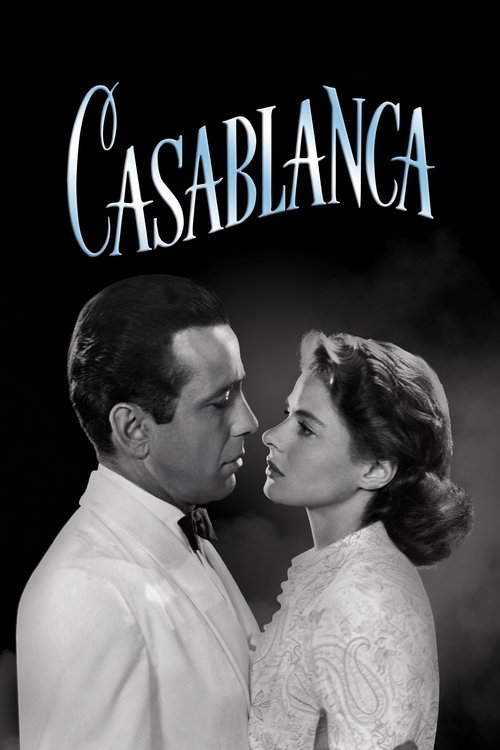
Casablanca1943
Released the same year, it captures that perfect blend of wartime intrigue, doomed romance, and moral ambiguity. Humphrey Bogart and Ingrid Bergman create the template that *China Girl* reaches for—two people caught between duty and desire.
But It's far more subtle and psychologically complex. If you want the full emotional weight rather than adventure-serial thrills, *Casablanca* might make *China Girl* feel slight.
The Killers1946
Another Gene Tierney showcase with noir atmosphere, murder, and a woman at the centre of male obsession. Burt Lancaster and Ava Gardner burn through it with real chemistry and danger. Smarter and more bitter than most wartime fare.
But It's darker and more cynical. If you came for romantic adventure, this deliberately unsettles every expectation of how the love story should go.

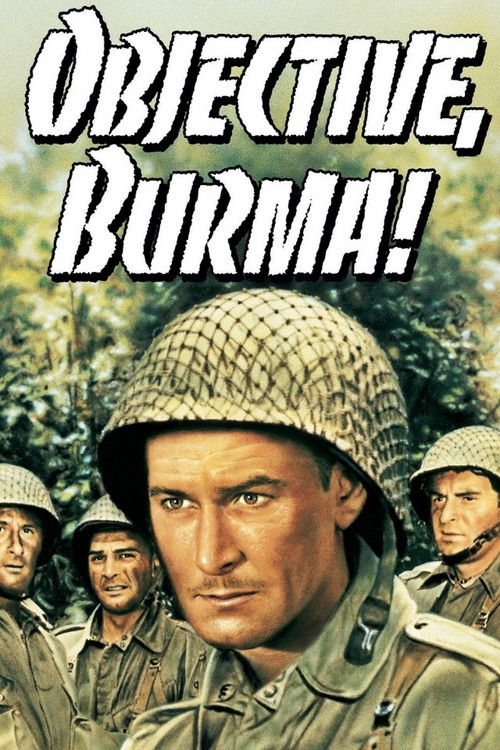
Objective, Burma!1945
Errol Flynn leading a commando raid through the jungle with urgency and humour. It has the same kinetic energy and combat-zone setting, but focuses on male camaraderie and tactical survival rather than romance.
But The romance subplot is minimal. If Haoli Young's presence is what drew you in, this pivots sharply away from that dynamic.
Not sure tonight? Get a pick in a minute, starting from China Girl
The wildcard
Something you would not have found on your own.
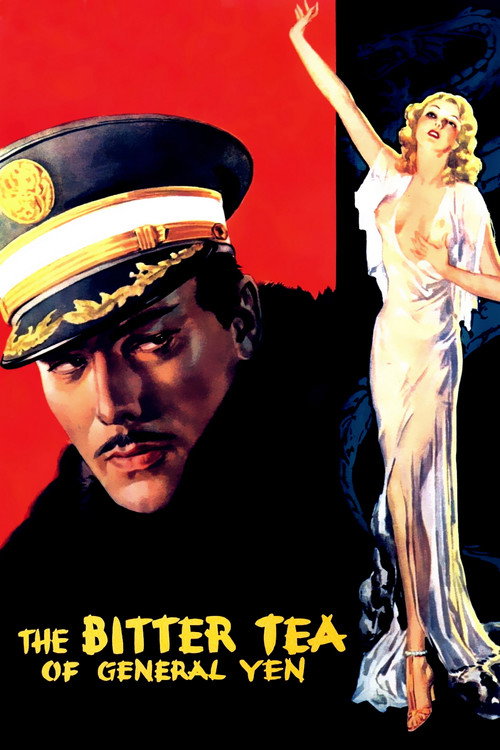
The Bitter Tea of General Yen1933
Both center on a woman who embodies the Far East as mysterious and unknowable to Western male perspective. *General Yen* interrogates that fantasy while *China Girl* plays it straight—watching them together reveals what has and hasn't changed.
Barbara Stanwyck in Shanghai during the Chinese civil war, developing an obsessive connection to a Chinese warlord. It's visually lush, psychologically complex, and unafraid to explore colonial desire and power imbalance with genuine complexity.
But The racial politics are undeniably of their time—Stanwyck's fantasy of the 'exotic' other feels disturbingly real, which is partly the point but not easy to watch. The pacing is slow by modern standards.
More like this (6)
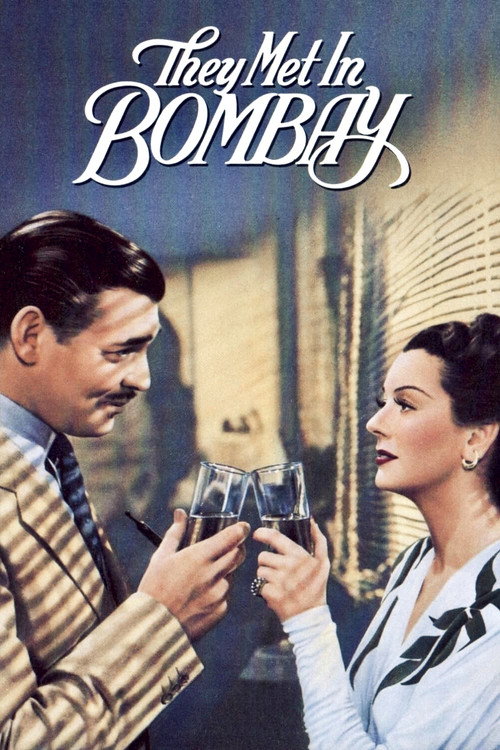
They Met in Bombay1941
Clark Gable and Rosalind Russell as con artists in wartime Asia—lighter, zippy, with real chemistry and wit. It hits similar exotic locations and romantic conflict without asking you to take the stakes entirely seriously.
But It's a comedy first. If you respond to the genuine danger and moral weight of *China Girl*, this might feel too frothy.
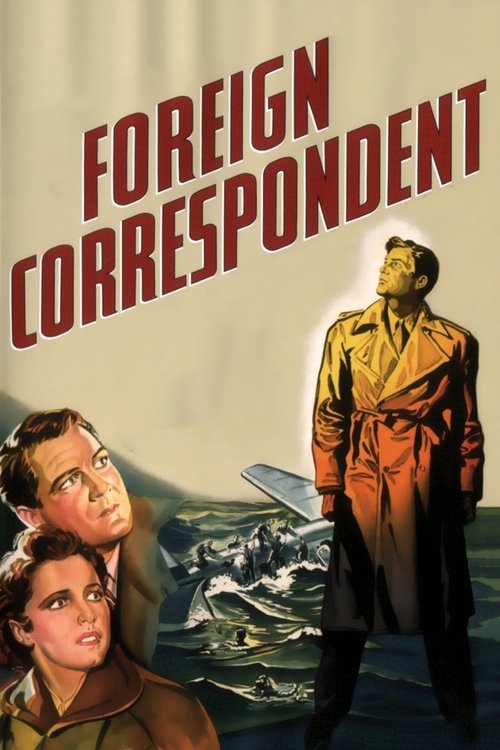
Foreign Correspondent1940
Hitchcock's love letter to international intrigue and journalistic derring-do. Joel McCrea as a newsman uncovering Nazi plots—it has the same occupational energy as *China Girl*, but with genuine suspense underneath.
But It's more thriller than romance. The love interest exists but takes a back seat to espionage and danger.
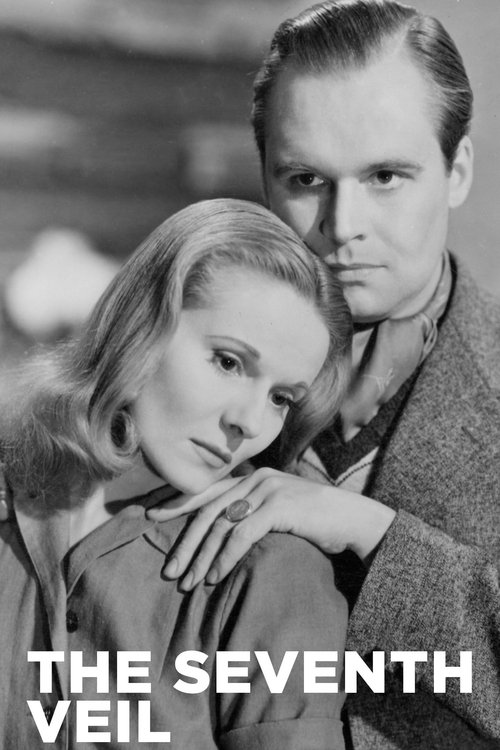
The Seventh Veil1945
James Mason and Ann Todd in a tense psychological romance set against wartime Britain. It probes obsession and control in ways that feel surprisingly modern, with real emotional stakes and a haunting climax.
But It's brooding and introspective. The glamour and action of *China Girl* give way to confined, claustrophobic spaces and unresolved darkness.
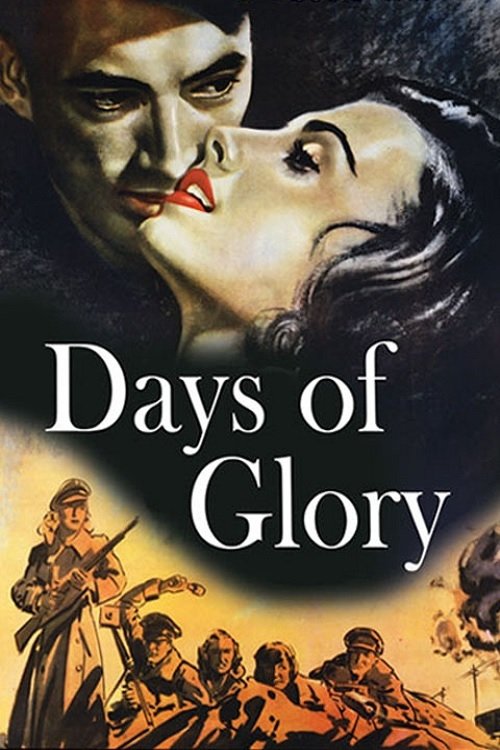
Days of Glory1944
Gregory Peck's film debut—Soviet guerrillas fighting the Wehrmacht, with romance blooming in impossible circumstances. It has sweep, sincerity, and that wartime urgency without winking at its own melodrama.
But It's less polished and the acting is uneven. The earnestness that makes it work can also feel strained if you're in a skeptical mood.
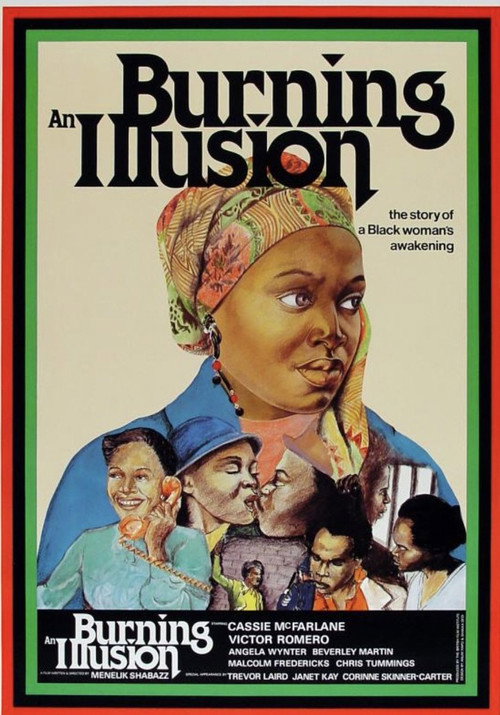
Burning an Illusion1981
Like *China Girl*, it asks what it means to love someone while existing as a symbol or fantasy to those around you. But where *China Girl* accepts the frame, *Burning an Illusion* smashes it—same emotional core, opposite artistic reflex.
A British independent film about a Black woman trying to resist stereotyping in relationships and media. It's tender, angry, funny, and formally inventive—a love story that refuses the easy narrative. Shot on a shoestring and all the more vital for it.
But It's low-budget 1980s video art, not Hollywood gloss. The pacing is deliberately slack. If you want a conventional romance, this deconstructs the entire form instead.
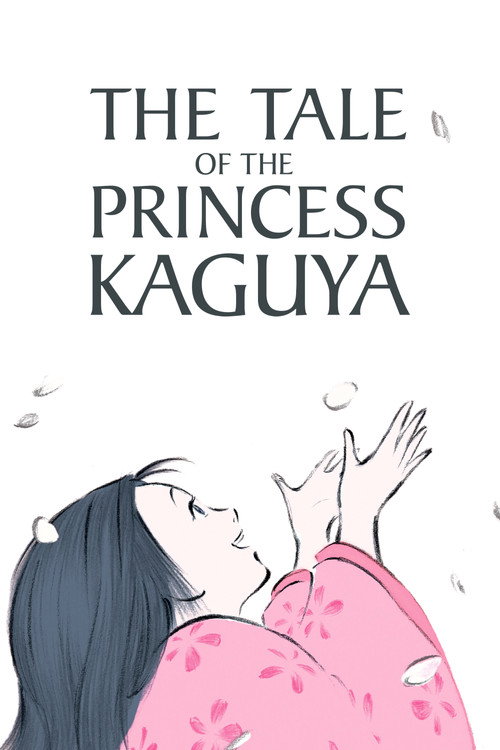
The Tale of The Princess Kaguya2013
Both feature a mysterious woman who becomes the object of male pursuit and romantic fixation. But Kaguya's film dismantles the fantasy entirely—she refuses to be possessed, even unto death. It's *China Girl* asking the question the 1942 film was too enamoured to pose: what if she wanted something else?
Studio Ghibli's hand-painted masterpiece about a girl mysteriously found in a bamboo grove, desired by men who cannot see her as fully human. It's achingly beautiful and structurally devastating—a love story about the impossibility of being understood.
But It's a Japanese animated film in a fairy tale register. If you came for realistic wartime adventure, the fairy tale mode and watercolour aesthetics feel like a completely different language.
People
Cast
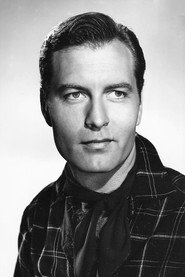 George MontgomeryJohnny Williams
 Gene TierneyHaoli Young
 Lynn BariCaptain Fifi
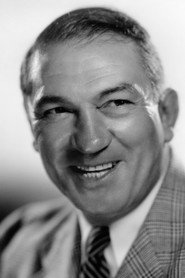 Victor McLaglenBull Weed
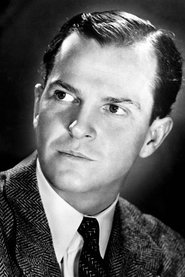 Alan BaxterFlyer Bill Jones
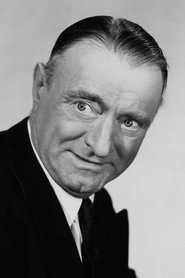 Sig RumanJarubi
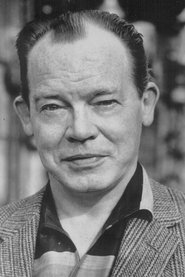 Myron McCormickShorty McGuire
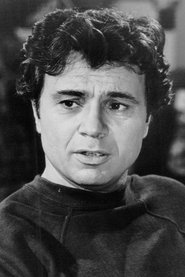 Robert BlakeChandu
 Ann PenningtonEntertainer
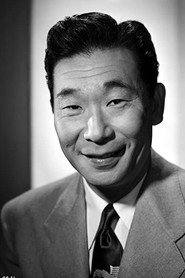 Philip AhnKai Young
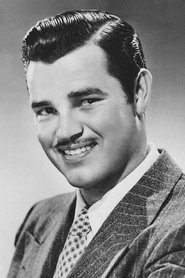 Tom NealCaptain Haynes
Directing
- Henry HathawayDirector
Writing
- Ben HechtScreenplay
- Darryl F. ZanuckScreenplay
Production
- Ben HechtProducer
- Darryl F. ZanuckProducer