
Film
The Butcher Boy
- Coming-of-age
- Very dark
Neil Jordan's savage dark comedy about a fractured Irish boy spiralling through poverty, abuse and psychosis in 1970s rural Ireland. Francie Brady is funny and feral, careening between childhood games and genuine horror with bewildering speed. It's grotesque, tender, visually inventive, and genuinely strange—for viewers who can handle brutality wrapped in absurdist energy.
If you liked this
Come and See1985
A Soviet masterpiece about childhood destroyed by war. Like Butcher Boy, it refuses sentiment and shows a child's mind fracturing under unbearable reality with nightmarish intensity and dark humour.
But Relentlessly bleak and graphic. The violence is not cathartic; it accumulates like trauma. Some find it unwatchable rather than enlightening.

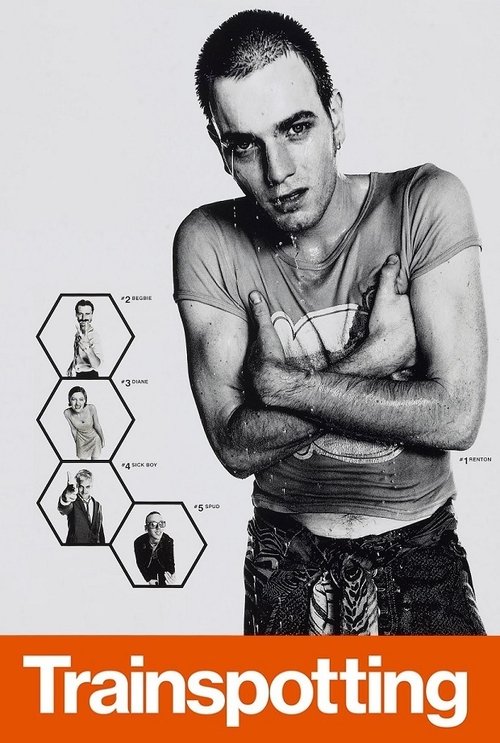
Trainspotting1996
British chaos told with visual swagger and pitch-black comedy. Both films treat self-destruction as material for style and dark laughs while never losing sight of the actual damage being done.
But The energy can feel style-over-substance to some. If you find addiction glamorised rather than explored, this will aggravate you.
A Prophet2009
A young man's character forged in brutality and confinement. Like Francie, the protagonist adapts to madness by becoming harder and more cunning—a portrait of survival as moral corruption.
But Prison drama that takes its time. Slower than Butcher Boy and less visually playful, which some find solemn when they want provocation.

Not sure tonight? Get a pick in a minute, starting from The Butcher Boy
The wildcard
Something you would not have found on your own.
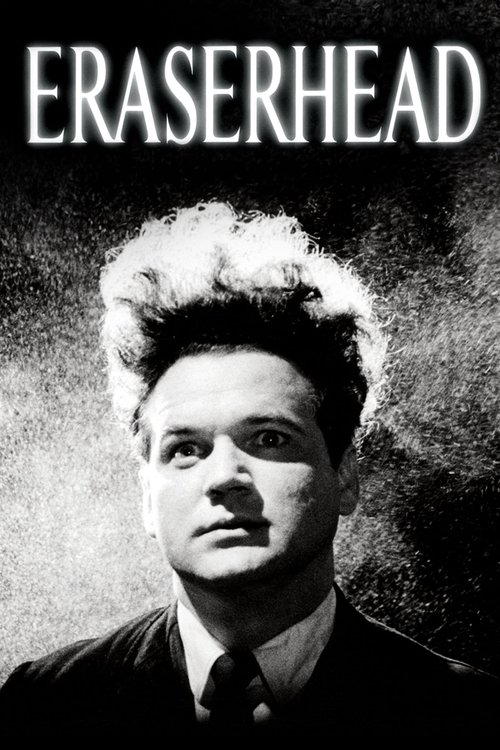
Eraserhead1977
Both films trust visual and tonal strangeness to convey a mind in crisis. Both use dark comedy not as relief but as the texture of reality for their protagonists. Both refuse to make their worlds recognisable or safe.
David Lynch's hallucinatory nightmare about a man confronting fatherhood and bodily horror in an industrial wasteland. Like Butcher Boy, it uses black humour and visual surrealism to explore psychosis and alienation, but from inside adult paranoia rather than childhood fracture.
But Deliberately obscure and grotesque, shot in grainy black and white. If you need narrative clarity or beauty, this will repel you. It's an ordeal by design.
More like this (8)
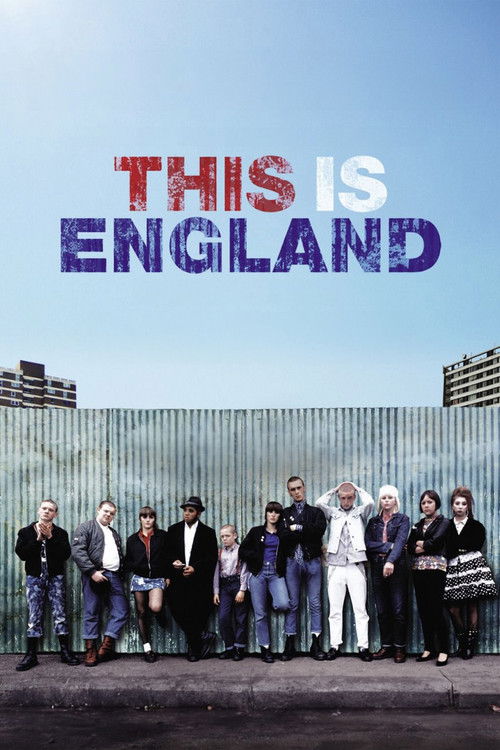
This Is England2007
A boy adrift in skinhead culture, seeking belonging in violence and ideology. Shares Butcher Boy's mix of tenderness and brutality, and its refusal to make damaged kids either heroes or simple victims.
But The violence is personal and humiliating rather than spectacular. Some viewers find that more difficult to sit through than grander atrocities.
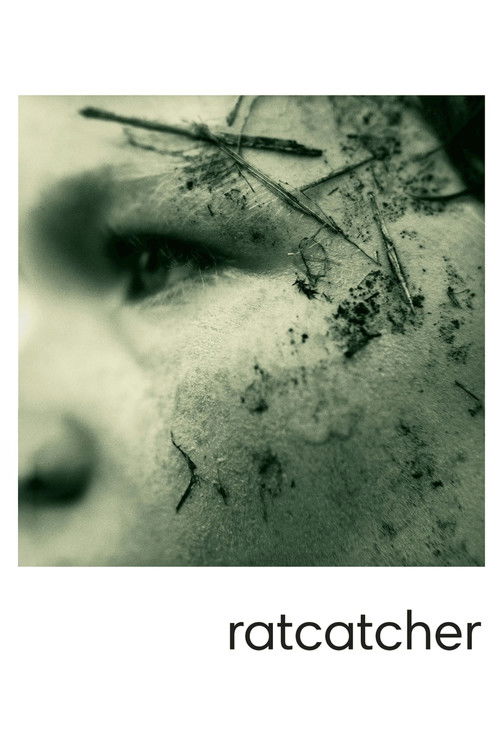
Ratcatcher1999
A Scottish boy in a city rotting with garbage and death. Another poet's eye on childhood in grimness, with dream sequences that rival Jordan's inventiveness and the same queasy blend of beauty and filth.
But Extremely slow and atmospheric. If you need plot momentum or resolution, this will feel deliberately evasive.
Under the Skin2014
Disorienting, visually stunning, deliberately alienating. Both films trust the audience to sit with strangeness and unease rather than explain themselves or offer comfort.
But Slow, abstract, sometimes impenetrable. Many watch it admiring the craft while feeling nothing. Patience required; payoff not guaranteed.

The Killing of a Sacred Deer2017
A family destroyed by debt and consequence, with mounting dread and dark absurdism. Yorgos Lanthimos uses formality and strangeness to make ordinary catastrophe feel surreal.
But Deliberately artificial in tone and pacing. Feels cold and mannered to those seeking emotional authenticity or conventional narrative.

Requiem for a Dream2000
Four lives demolished by addiction and delusion, with hallucinatory montage style. Both films visualise mental deterioration and show how reality fractures when you're desperate enough.
But Brutally depressing with zero reprieve. The technique is relentless and exhausting; some find it exploitative rather than moving.

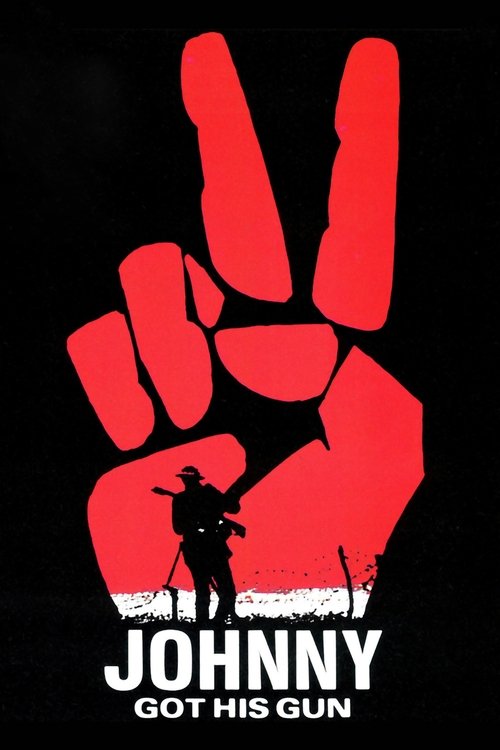
Johnny Got His Gun1971
A young soldier's consciousness trapped in a destroyed body, hallucinating and remembering. Dalton Trumbo's protest film shares Butcher Boy's commitment to rendering the interior of a shattered mind without apology.
But Made in 1971 and it shows—pacing and style will feel dated. The message is blunt, which some see as powerful and others as heavy-handed.
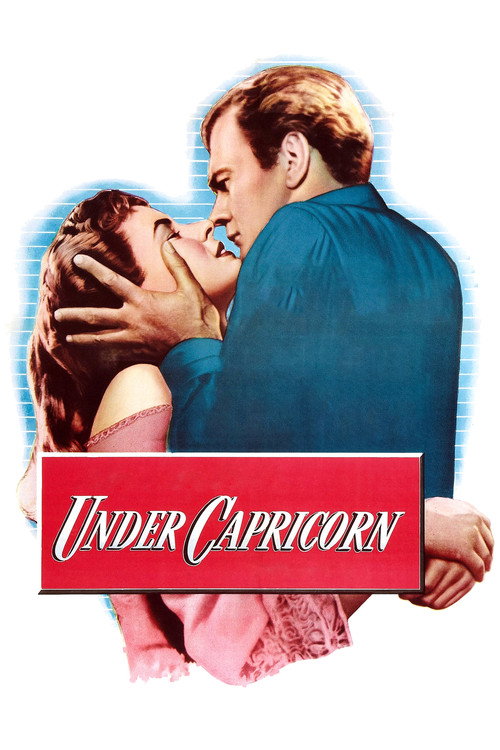
Under Capricorn1949
Both centre a consciousness fragmenting under domestic pressure and isolation. Both use visual style (Lynch's grainy horror and Hitchcock's Technicolor depth) to make the internal externalised. Colour and time period are inverted, but the emotional engine is the same.
Hitchcock's ravishing, underrated film about a woman spiralling into madness and paranoia, shot in rich Technicolor with long takes and psychological precision. It's a study of how trauma and isolation warp perception—the opposite era and surface from Butcher Boy, but identical in its fascination with the architecture of breakdown.
But Slowly paced, very theatrical, very 1949. If you expect Hitchcock's usual momentum and clarity, you'll find this willfully opaque and static.
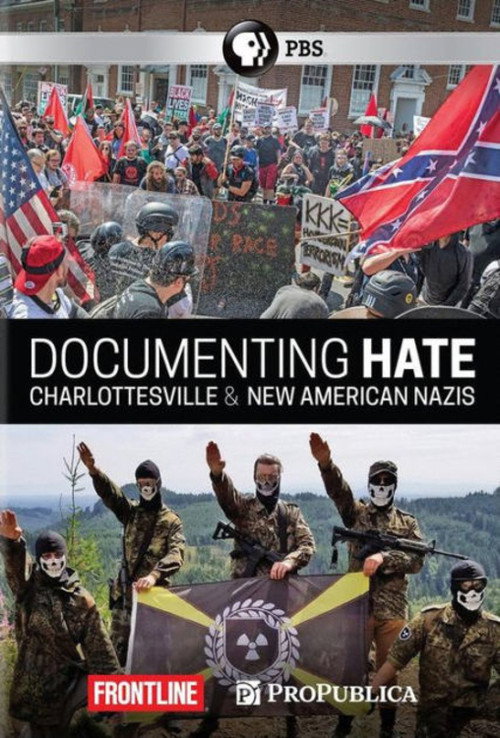
Documenting Hate: Charlottesville2018
Both films treat marginalised boys with absolute seriousness while finding grotesque comedy in their circumstances. Both use visual invention and formal precision to insist that damaged lives matter. Both see class and circumstance as inescapable.
Mathieu Kassovitz's black-and-white fury about three friends in a Paris banlieue, a single day ending in catastrophe. It has Butcher Boy's gallows humour, its refusal to sentimentalise poverty, and its commitment to style as political statement. Francie and these boys inhabit the same moral universe.
But Formally stark and demanding in its use of silence and composition. The ending is devastating in a way that offers no catharsis. Some find it more angry than moving.
People
Cast
 Eamonn OwensFrancie Brady
- Alan BoyleJoe Purcell
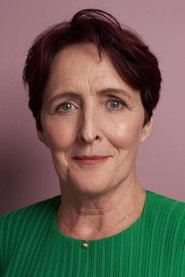 Fiona ShawMrs. Nugent
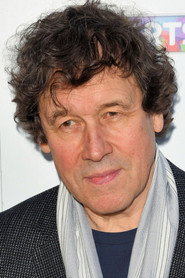 Stephen ReaDa Brady
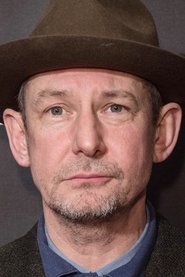 Ian HartUncle Arlo
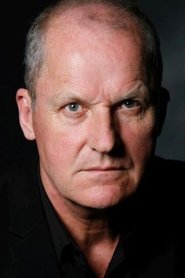 Peter GowenLeddy
 Sean McGinleySergeant
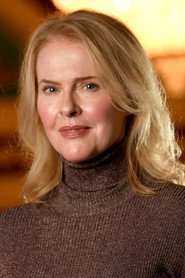 Aisling O'SullivanMa Brady
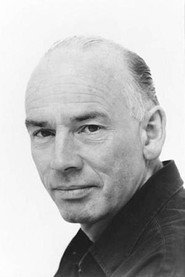 John KavanaghDr. Boyd
- Andrew FullertonPhillip Nugent
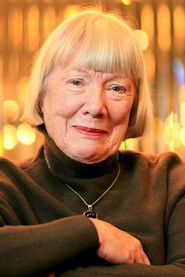 Rosaleen LinehanMrs. Canning
- Anita ReevesMrs. Coyle
Directing
- Neil JordanDirector
Writing
- Pat McCabeNovel
- Neil JordanScreenplay
- Pat McCabeScreenplay
Production
- Susie FiggisCasting
- Neil JordanExecutive Producer
- Redmond MorrisProducer
- Stephen WoolleyProducer