
Film
The Stratton Story
A 1949 drama about real-life baseball pitcher Monty Stratton, who loses a leg in a hunting accident but fights to return to the mound. James Stewart gives a quietly powerful performance, balancing grit with vulnerability. It's a character study wrapped in sports narrative—less about the comeback than the man beneath it, and his marriage's role in keeping him upright.
If you liked this
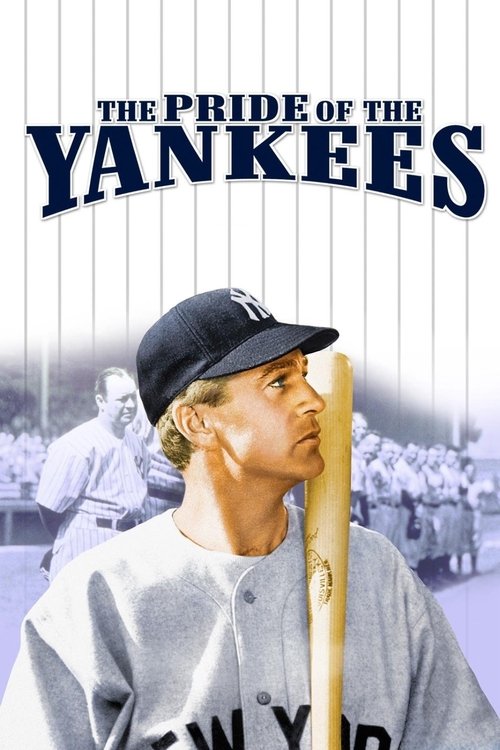
The Pride of the Yankees1942
Gary Cooper as Lou Gehrig facing terminal illness with dignity. Like Stratton Story, it finds heroism not in denial but in acceptance, and explores how a partner's love anchors you through catastrophe.
But The sentimentality can feel thick. It's very much a 1940s tearjerker, which means restraint takes a backseat to emotional directness.
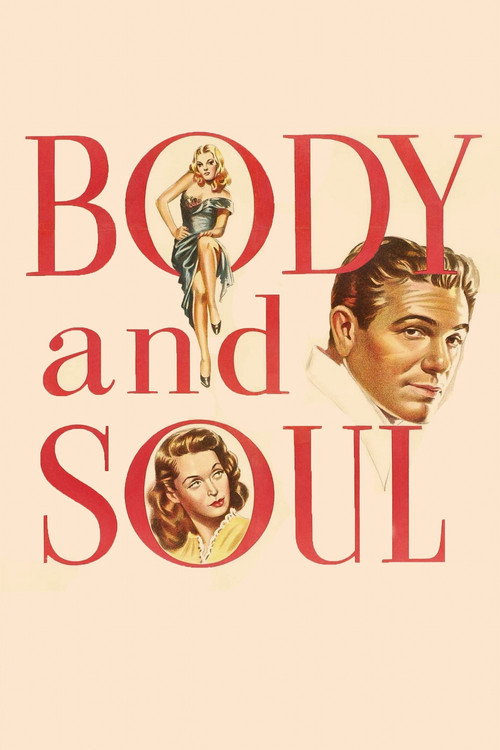
Body and Soul1947
John Garfield as a boxer chasing money and fame, learning that ambition without conscience hollows you out. Both films use sport as a lens for character, not spectacle.
But It's grittier and more cynical than Stratton Story. If you want uplift uncut, this film's moral murk may frustrate you.
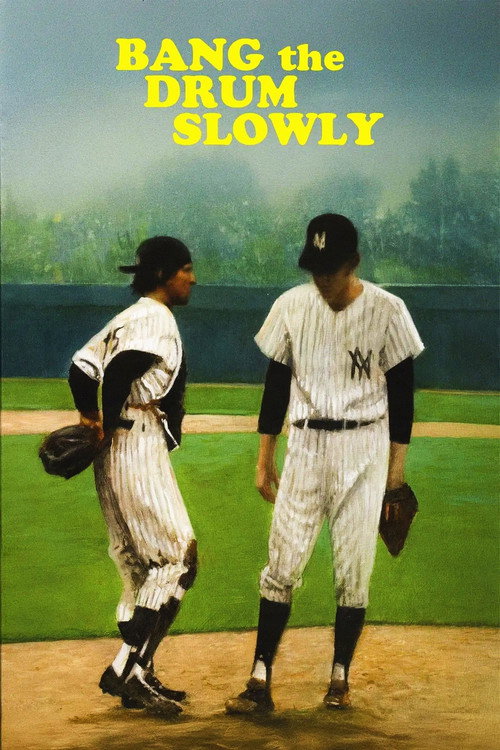
Bang the Drum Slowly1973
A baseball film about a catcher dying of cancer, focused entirely on friendship and mortality. It's tender without being cute, and treats sports as the stage for something much larger.
But The pacing is unhurried and the tone elegiac. If you're expecting baseball action, you'll be disappointed—this is about saying goodbye.
Not sure tonight? Get a pick in a minute, starting from The Stratton Story
The wildcard
Something you would not have found on your own.
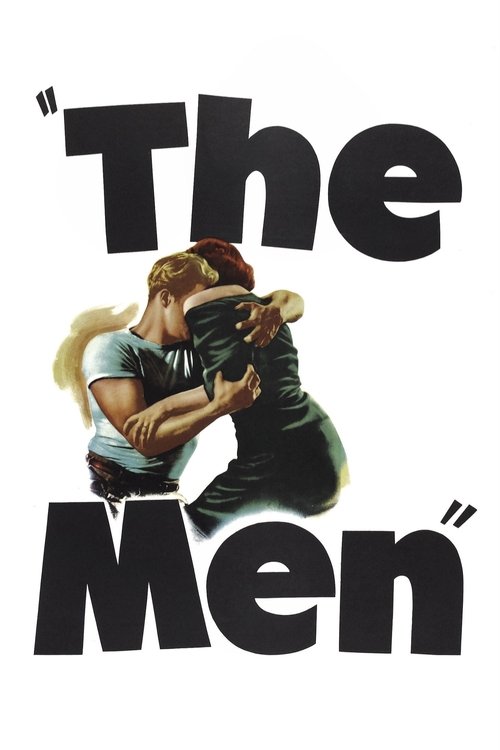
The Men1950
Both films center on men rebuilding identity after catastrophic physical injury, but where Stratton Story emphasizes will and marriage, The Men asks harder questions about shame, sexuality, and whether 'normal' life is even possible.
Marlon Brando's film debut: a paraplegic veteran in a rehabilitation hospital, learning to live in his changed body. It's raw, unflinching, and treats disability as a practical and emotional reality, not a metaphor for the soul.
But It's gritty and sometimes graphic. There's no musical score, no uplift—just a man in a hospital learning to transfer into a wheelchair. Some find that honesty difficult.
More like this (7)
The Best Years of Our Lives1946
Three veterans returning home after WWII, one missing both hands. An epic that never condescends, showing disability as one thread in a larger tapestry of adjustment and resilience.
But It's three and a half hours, and structured like a novel. The emotional beats unfold slowly, which is the point but not everyone's tempo.

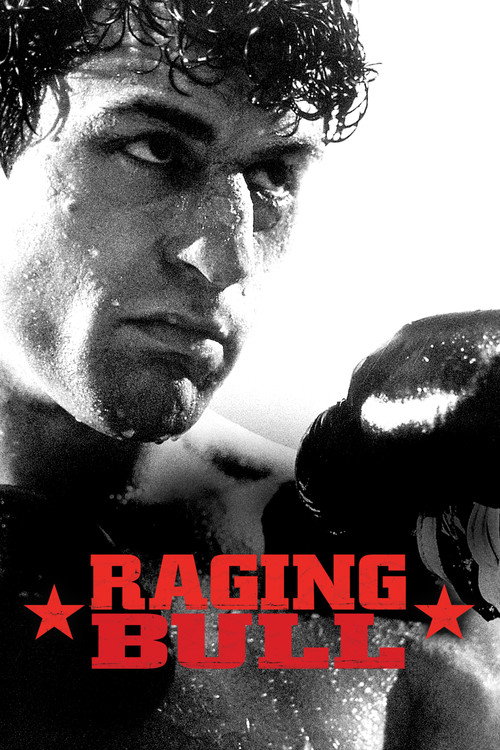
Raging Bull1980
Scorsese's black-and-white study of boxer Jake LaMotta's self-destruction. A masterpiece about a man at war with himself, using boxing as the frame for something darker and more honest.
But It's brutal, ugly, and offers no comfort. The protagonist is difficult to root for, and the film refuses to prettify his damage.
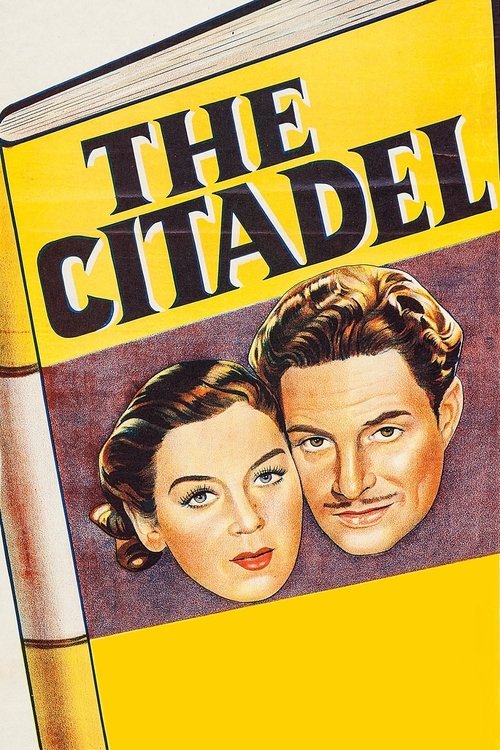
The Citadel1938
A doctor torn between money and principle, forced to choose who he is. Like Stratton, it's about a professional identity crisis—what happens when your life's work can be taken away.
But It's a very British piece of 1930s filmmaking. The pacing feels leisurely by modern standards, and the moral questions can seem quaint.
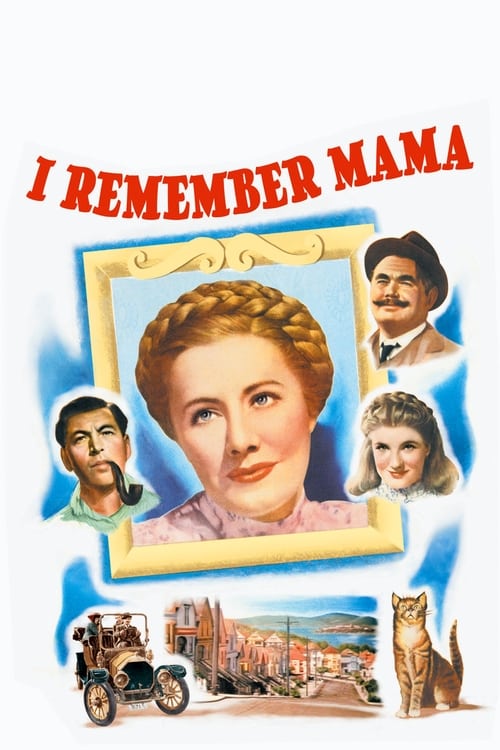
I Remember Mama1948
Barbara Bel Geddes and Irene Dunne in a tender, episodic story about family holding together through Depression hardship. It's about the small acts of love that sustain us—Stratton's real subject too.
But Sentiment is the whole point here, which means if you find that cloying, there's nothing underneath to grab you. It's gentle to the point of weightlessness.
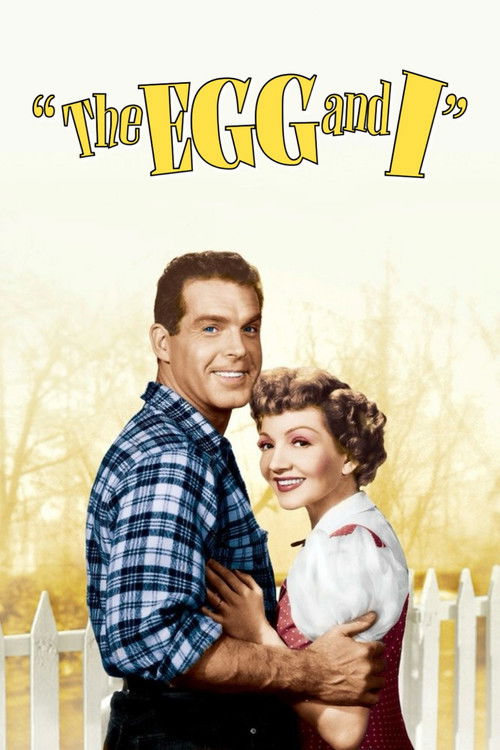
The Egg and I1947
Claudette Colbert and Fred MacMurray in a marriage tested by circumstance and stubbornness. Lighter than Stratton Story but exploring the same territory—how couples survive when life doesn't go as planned.
But It's a romantic comedy playing at the margins of real difficulty. The tone can feel mismatched to the stakes, and it resolves too neatly.
Ikiru1952
Like Stratton Story, it's about a man facing the loss of his life's identity, but where one finds redemption in return, Ikiru asks if redemption is even possible when time has already run out. One is American optimism; the other is something harder.
Kurosawa's masterpiece about a Tokyo bureaucrat dying of cancer who discovers, too late, how to live. It's a meditation on purpose, legacy, and what we leave behind—devastating and beautiful in equal measure.
But It's slow, contemplative, and entirely built on emotional subtlety. If you need plot momentum or clear narrative beats, you'll find it frustrating. It's also not in English.

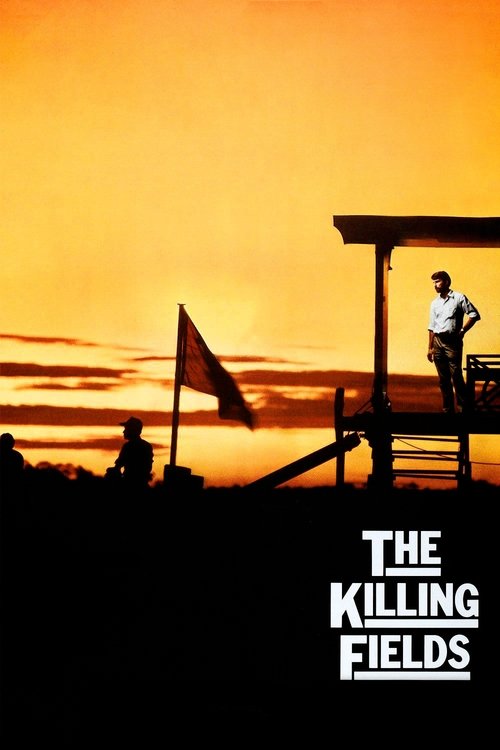
The Killing Fields1984
Both rest on true stories of men enduring the unsurvivable, but Stratton Story finds hope in personal resilience while The Killing Fields asks whether resilience means anything in the face of industrial evil. One is about individual will; the other questions whether will matters at all.
Sam Waterston and Haing S. Ngor in a true story of survival and friendship during the Cambodian genocide. It's a documentation of atrocity, but also a study of how human connection persists in incomprehensible darkness.
But It's harrowing. The violence is real, the suffering is systemic, and there is no comfortable redemption. Watching it is morally necessary but not cathartic.
People
Cast
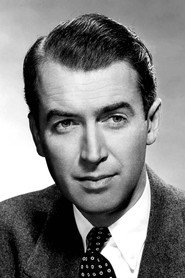 James StewartMonty Stratton
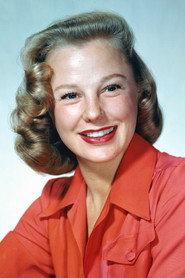 June AllysonEthel
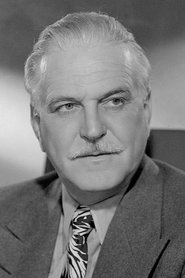 Frank MorganBarney Wile
 Agnes MooreheadMa Stratton
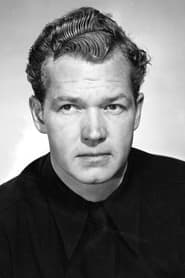 Bill WilliamsEddie Dibson
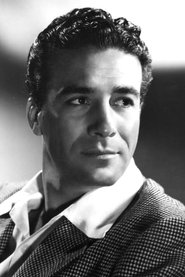 Bruce CowlingTed Lyons
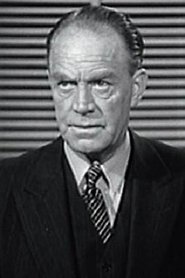 Cliff ClarkJosh Higgins

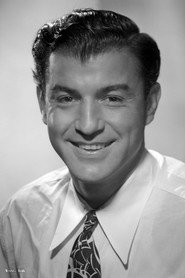 Dean WhiteLuke Appling
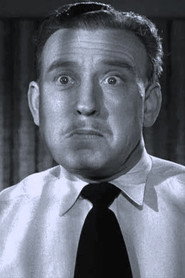 Robert GistEarnie
- Gene BeardenGene Bearden
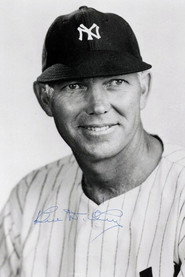 Bill DickeyBill Dickey
Directing
- Earl McEvoyAssistant Director
- Sid SidmanAssistant Director
- Sam WoodDirector
Writing
- Douglas MorrowScreenplay
- Guy TrosperScreenplay
- Douglas MorrowStory
Production
- Jack CummingsProducer