
Film
Eadweard Muybridge, Zoopraxographer
- Slow-burning
Thom Andersen's 1975 essay-film on Eadweard Muybridge, the photographer who essentially invented cinema without knowing it. By freezing motion in the 1870s, Muybridge created the visual grammar movies still use. Andersen moves between biography, film theory, and philosophy, asking what it means to look at bodies—human and animal—with clinical precision. It's meditative, intellectually alive, and strange.
Should you watch it?
Watch it if you are drawn to essay films that treat old photographs as arguments, and enjoy a narrator thinking aloud about how we learned to see motion.
Skip it if you want a plot or a clear life story, since this is a patchwork of ideas and images rather than a linear account of the man.
What it asks of you: An hour of close attention with few easy handholds; the pictures are still and repeated, so you are asked to look hard and think between the images.
Not sure? Find tonight's pick in a minute.
If you liked this
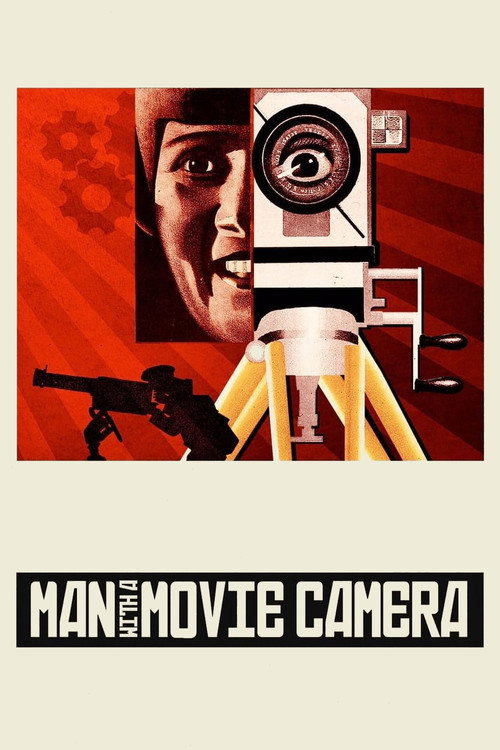
Man with a Movie Camera1929
Dziga Vertov's avant-garde symphony of urban life is cinema celebrating its own mechanics—pure movement, pure vision. Like Muybridge, it's fascinated by how bodies move through space and how film can reveal what the eye misses.
But It's experimental without conventional narrative. Long stretches ask you to think about rhythm and form rather than follow a story. Patience required.
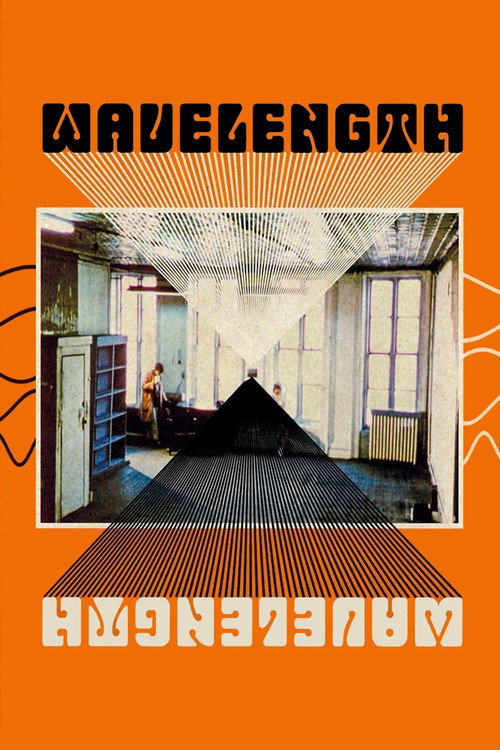
Wavelength1967
Michael Snow's 45-minute zoom across a loft is a meditation on cinema's basic units: light, time, the frame itself. Muybridge's grid of photographs finds its spiritual echo in Snow's obsession with how film actually works.
But It's nearly plotless and demands active viewing. Many will find it boring rather than hypnotic. Not a casual watch.
Sans Soleil1983
Chris Marker's essayistic film moves between Japan, Guinea-Bissau, and memory, guided by meditation on image and time. Like Andersen on Muybridge, it's thinking out loud about what photographs and film can show us about being alive.
But The narration is cryptic and digressive. It refuses to explain itself. Viewers wanting clarity will feel frustrated.

Not sure tonight? Get a pick in a minute, starting from Eadweard Muybridge, Zoopraxographer
The wildcard
Something you would not have found on your own.
A Ghost Story2017
Both work with time stopped or fragmented to reveal something hidden about human consciousness and mortality. Lowery's ghost, like Muybridge's frozen frames, makes the invisible visible by removing motion.
David Lowery's meditation on time, loss, and perception uses a deadpan ghost in a bedsheet to explore how we experience duration. It's as much about watching—about the gaze, about being frozen and observing—as Muybridge's photography is.
But Deliberately slow and cryptic. Some will find it pretentious or maudlin. The ending divides viewers sharply.

More like this (6)
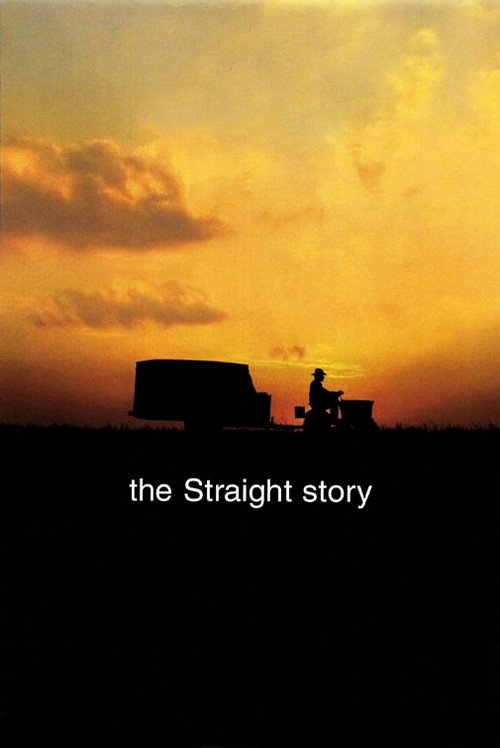
The Straight Story1999
David Lynch's underrated drama follows an elderly man riding a lawnmower across Iowa. It shares Muybridge's patient, almost scientific attention to human movement and the landscape—but with deep tenderness rather than clinical distance.
But Nothing much happens. The pace is glacial. If you're watching for plot momentum, you'll be deeply disappointed.
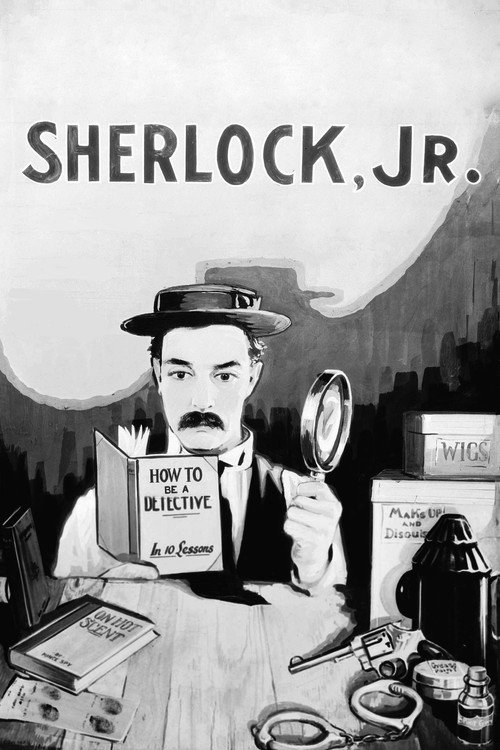
Sherlock Jr.1924
Buster Keaton's masterpiece plays with cinema's unique power to show impossible motion and spatial logic. It's a direct descendant of Muybridge's revelation that film could make the invisible visible.
But Silent comedy from a century ago can feel distant. Some gags don't land if you're not attuned to the era's rhythm.
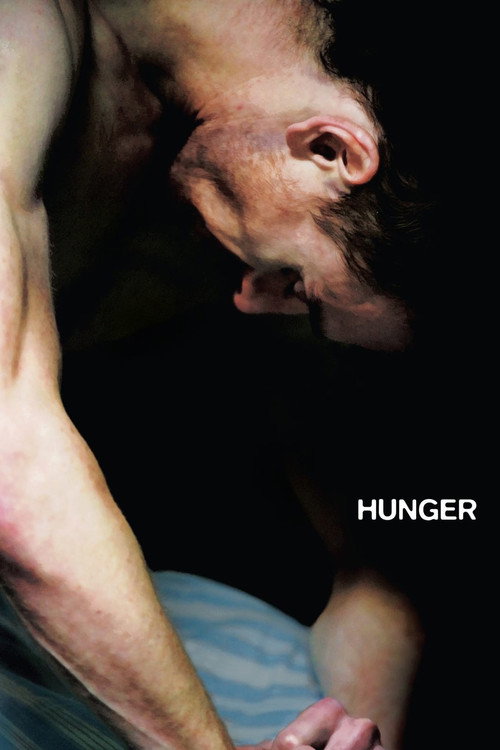
Hunger2008
Steve McQueen's film about Bobby Sands uses long, static takes and careful attention to bodies in space—how prisoners move, how they resist, how the body becomes political. Formally austere in Muybridge's spirit.
But It's grim and morally heavy. Long scenes of deprivation and violence. Not cathartic; designed to be difficult.
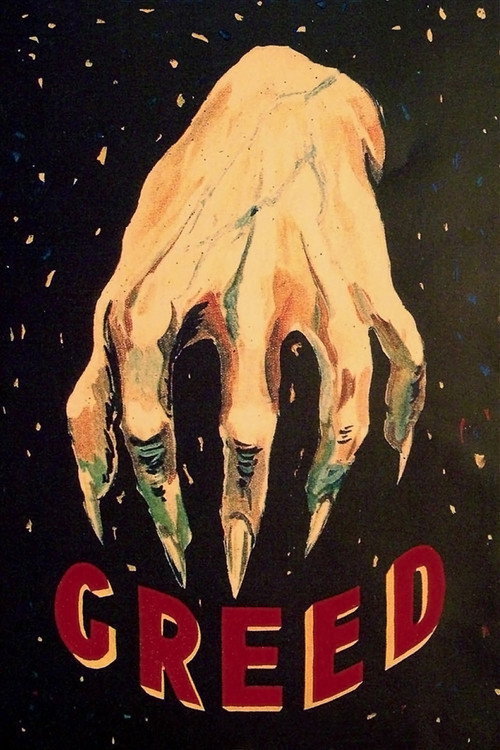
Greed1924
Erich von Stroheim's epic uses meticulous staging and framing to study human desire and corruption. Like Muybridge, it's intensely interested in how bodies betray character through movement and gesture.
But The surviving cut is fragmented and incomplete. Over nine hours in full form. Uneven pacing and dated social attitudes.
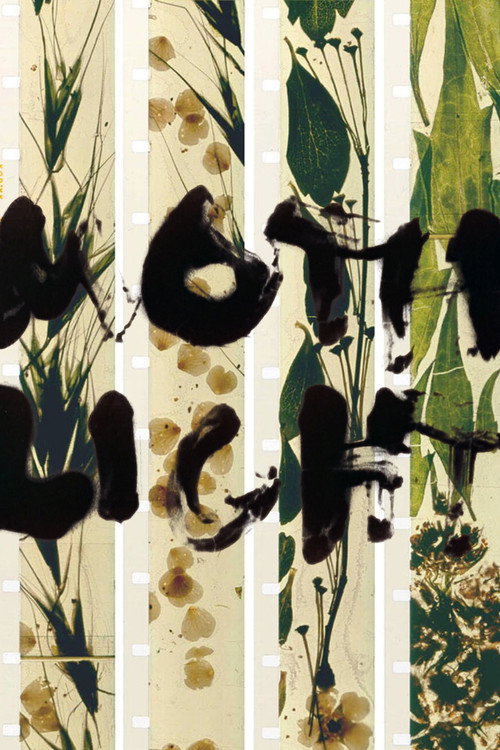
Mothlight1963
Where Muybridge seeks to decode and understand movement through careful measurement, Brakhage wants to liberate image-making from representation entirely. Both are obsessed with cinema's capacity to show what the naked eye cannot perceive.
Stan Brakhage's four-minute experimental film is made by pressing moth wings and leaves directly onto celluloid, creating abstract patterns of light and movement. It's Muybridge's sequential vision inverted—not analyzing motion but dissolving it into pure texture and rhythm.
But It's abstract to the point of almost plotless. Four minutes feels very long if abstraction isn't your language. Flickery; can be disorienting.
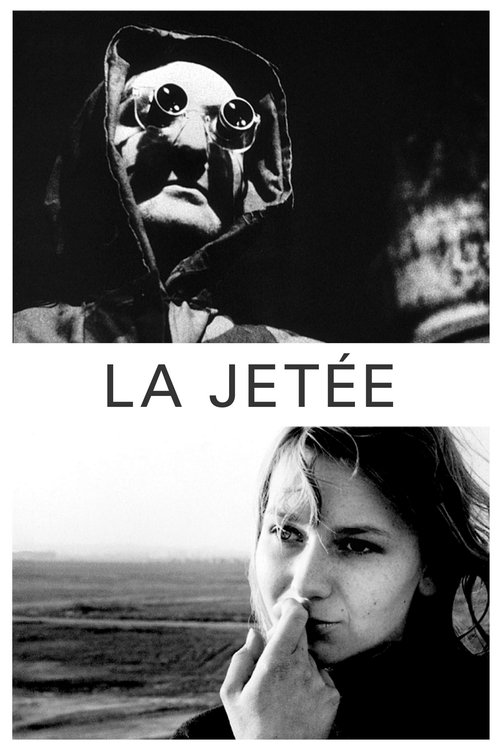
La Jetée1962
Marker takes Muybridge's insight—that cinema is photography in motion—and reverses it: he makes cinema from stillness, proving that meaning lives in the space between frames, not in movement itself.
Chris Marker's science-fiction miracle: a whole film told through still photographs arranged as cinema. A narrative about memory and time told in the medium Muybridge invented. Haunting, formally perfect, emotionally devastating.
But The still-image approach can feel static if you go in expecting conventional drama. The ending is tragic rather than uplifting. Brief (28 minutes), which some find unsatisfying.
People
Cast
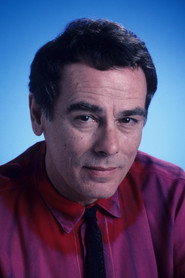 Dean StockwellNarrator (voice)
- Anje BosModel
- Sharon HagenModel
Directing
- Fay AndersenCo-Director
- Morgan FisherCo-Director
- Thom AndersenDirector
Writing
- Fay AndersenWriter
- Morgan FisherWriter
- Thom AndersenWriter
Production
- Thom AndersenProducer