
Film
Wooden Crosses
- War drama
- Very dark
A French war film of unflinching brutality, made while the Great War's survivors still remembered it vividly. Wooden Crosses follows young soldiers through the mechanized nightmare of trench warfare, with no heroism to sweeten the pill—just mud, fear, and the casual mathematics of attrition. Essential viewing for anyone serious about cinema or history.
Should you watch it?
Watch it if you want a 1930s war film that treats ordinary soldiers as a company of men rather than heroes, and you respond to plain, weighty realism about the trenches of the First World War.
Skip it if you need a fast, plot-driven war story; this one moves slowly, leans on its long stretches of mud and waiting, and prefers accumulated weariness over set-piece action.
What it asks of you: Expect a little under two hours of unhurried, mostly sober scenes that build a mood of attrition, so it rewards steady attention more than quick reactions.
Not sure? Find tonight's pick in a minute.
If you liked this
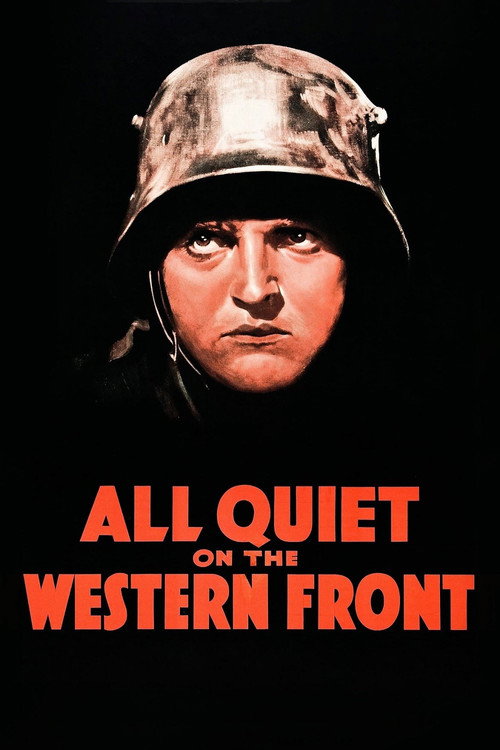
All Quiet on the Western Front1930
The German perspective on the same war, made in the same moment by a director equally uninterested in patriotic myth. Both films emerged from a culture still reeling, and both remain unsurpassable in their refusal to look away.
But The 1930 version is in German and requires subtitles; the sound recording is occasionally poor. It's also exhausting by design.
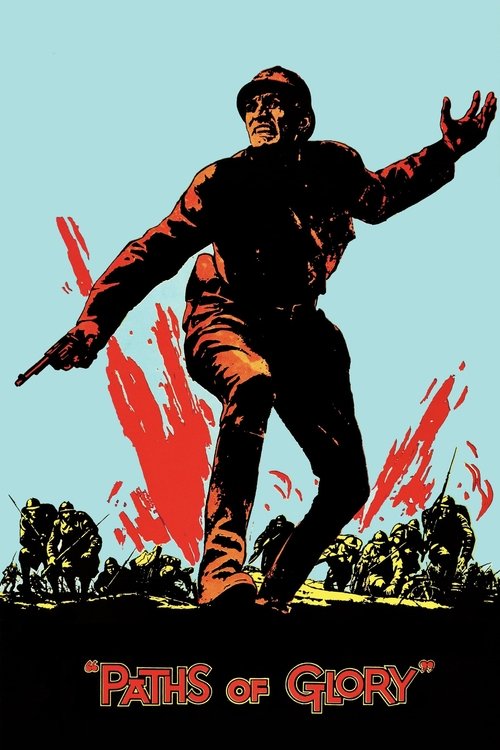
Paths of Glory1957
Kubrick's masterpiece about military injustice in the trenches, with the same moral clarity as Wooden Crosses but sharper dialogue and a narrative that cuts deeper. Both see soldiers as pawns.
But It's a courtroom drama as much as a war film, and the trial sequences can feel didactic if you're expecting action.
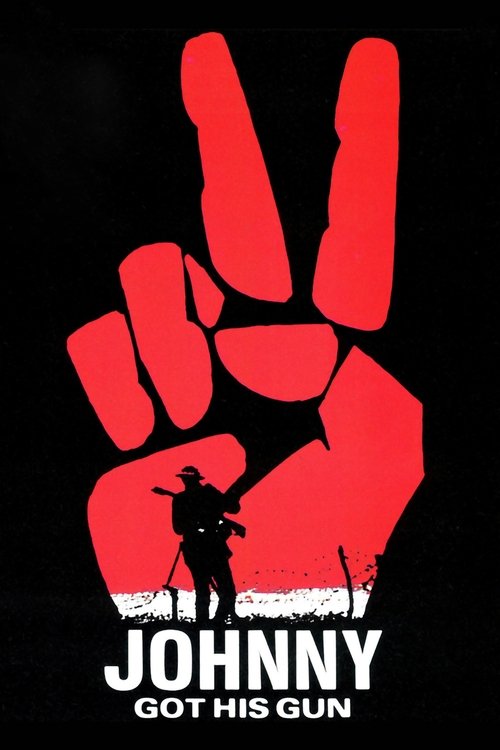
Johnny Got His Gun1971
Dalton Trumbo's radical pacifist statement about a soldier so broken by war he becomes a symbol rather than a person. Like Wooden Crosses, it refuses redemption or meaning-making—war just destroys.
But The experimental second half is difficult and hallucinatory. Some find it more powerful than others; some find it too much.
Not sure tonight? Get a pick in a minute, starting from Wooden Crosses
The wildcard
Something you would not have found on your own.
Nosferatu1922
Both are European films made in the shadow of the Great War, processing collective trauma through images of systematic death and helplessness.
Made during the war's aftermath, Murnau's vampire film channels post-traumatic horror into the Gothic—a plague that spreads invisibly, draining communities, unstoppable. Both films capture the same aesthetic of death working in the dark. Wooden Crosses made explicit what Nosferatu expressed in nightmare.
But It's a horror film, not a war film, and it's from 1922, so the acting and pacing are very silent-era. You have to meet it on its own terms.

More like this (6)
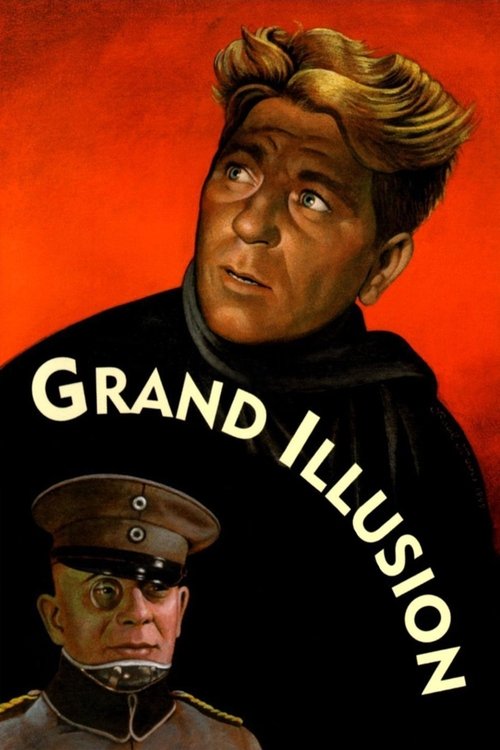
Grand Illusion1937
Renoir made this five years after Wooden Crosses, also in France, also about war's realities. It's warmer and more humanist, but it shares the same hard-eyed refusal to mythologize combat or nationality.
But It's a POW film rather than a trench film—if you want more front-line carnage, this will disappoint you.
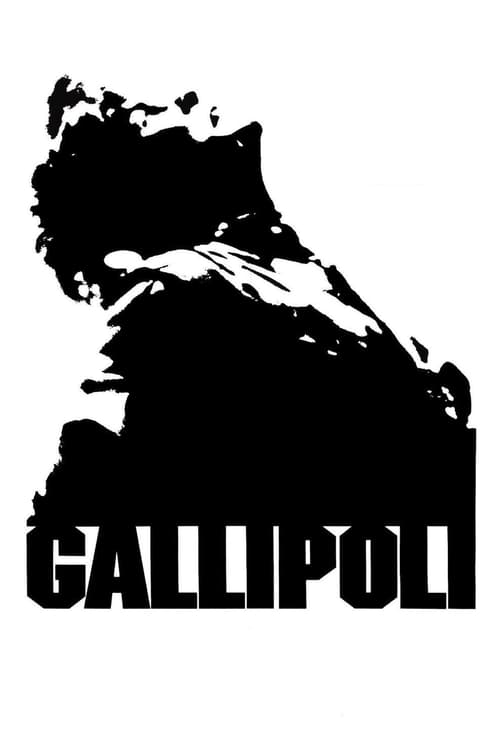
Gallipoli1981
Peter Weir's film about young Australian soldiers sent to a Turkish beach where they're slaughtered pointlessly. The same story as Wooden Crosses: idealism meets industrial death, and the young men lose.
But It's a narrative film with named characters and dramatic arcs, so it's easier to watch—some might feel that softens the horror.
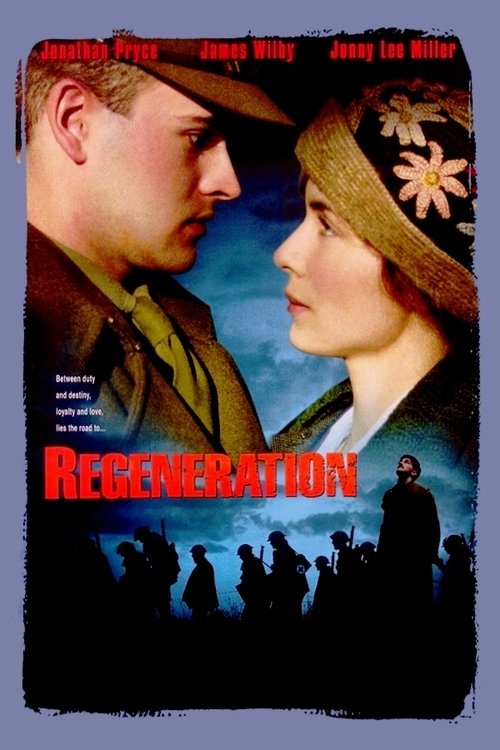
Regeneration1997
Based on Pat Barker's novel, it tracks shell-shocked officers in a psychiatric hospital. Like Wooden Crosses, it sees war as psychological annihilation, not just physical—the mind breaks first.
But It's British and literary, focused on officers rather than enlisted men. The tone is introspective rather than visceral.
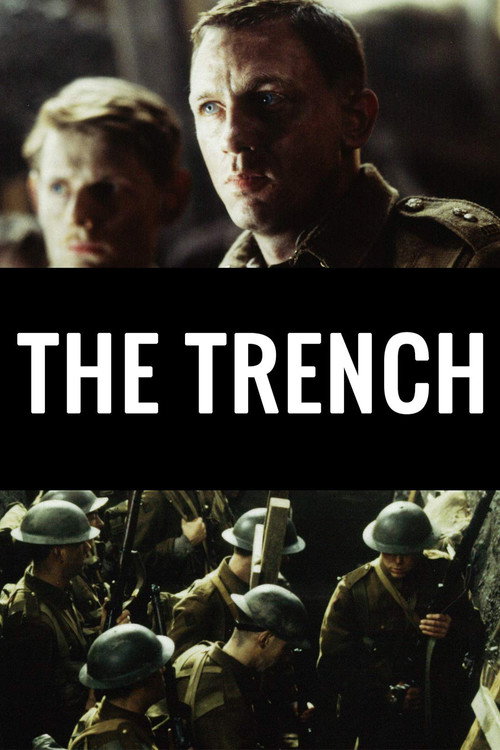
The Trench1999
A single night before a doomed offensive, British soldiers waiting to die. It has Wooden Crosses' claustrophobia and sense of pointlessness, but compressed into hours rather than sprawled across years.
But It's lesser-known and lower-budget than the others here. Some find its compression more powerful; some find it thin.
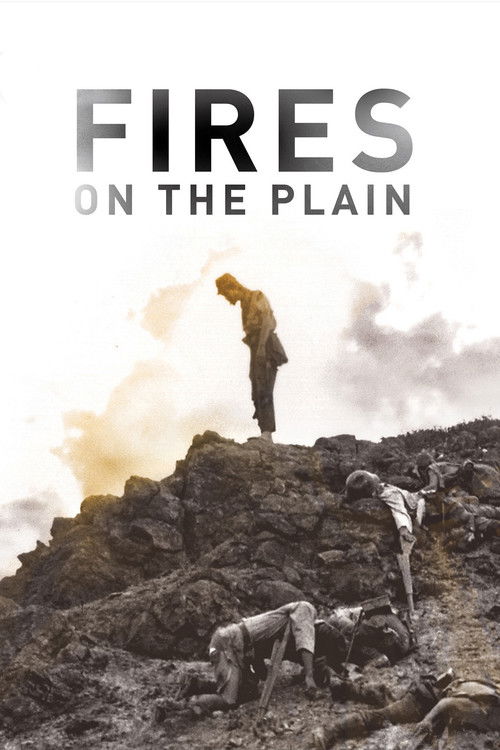
Fires on the Plain1959
Both are national cinema's definitive anti-war statement from their moment, made by directors who saw film as a moral duty to tell the truth about military death.
Kon Ichikawa's Japanese film about a soldier abandoned in the Philippines in 1945, starving, dying, witnessing atrocity. It's Wooden Crosses' spiritual cousin—war as degradation and dehumanization, with no redemptive arc. Equally unwilling to comfort the viewer.
But It's in Japanese, it's brutal about cannibalism and desperation, and its pacing is slow. It's a hard film to sit with, by design.
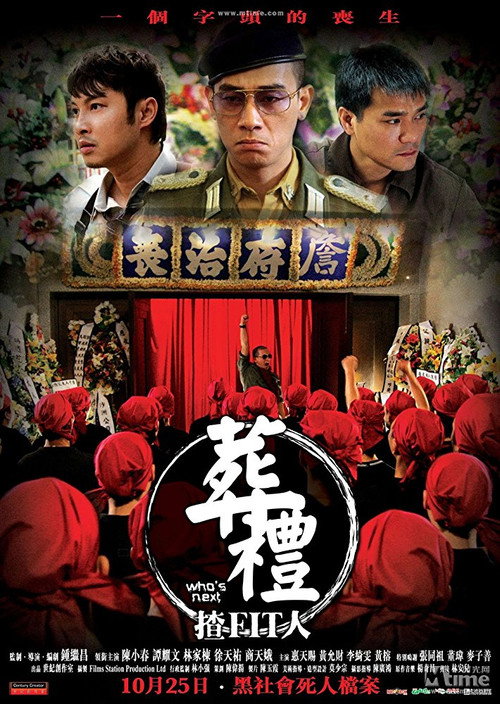
Who's Next2007
Both see soldiers not as heroic individuals but as a collective body shaped by war, where the real damage is psychological and spiritual rather than merely physical.
A three-hour Chinese film about soldiers gathering for their comrade's funeral, told in flashback and present, collapsing time the way trauma does. Like Wooden Crosses, it's about how war doesn't end when the fighting does—it lives in the men who survived.
But It's minimalist, it's long, and it's in Mandarin. It's also not well-known and requires patience with a very different cinematic language than Western war films.
People
Cast
 Pierre BlancharAdjudant Gilbert Demachy
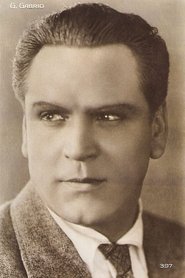 Gabriel GabrioSulphart
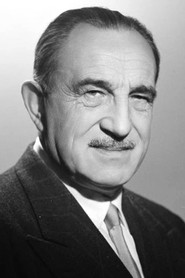 Charles VanelCaporal Breval
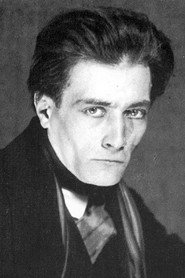 Antonin ArtaudSoldat Vieublé
- Paul AzaïsSoldat Broucke
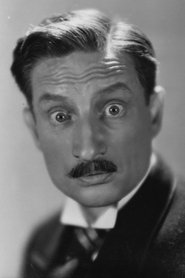 René BergeronSoldat Hamel
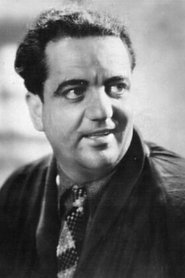 Raymond CordySoldat Vairon
 Marcel DelaîtreSoldat Berthier
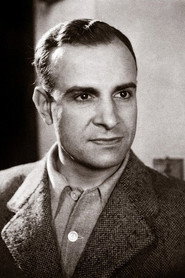 Jean GallandCapitaine Cruchet
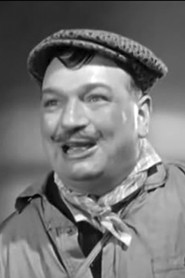 Pierre LabrySoldat Bouffioux, le cuistot
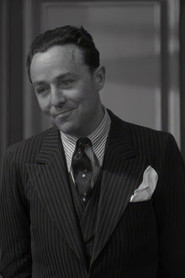 Geo LabySoldat Belin
- René MontisLieutenant Morache
Directing
- Lucienne GrumbergAssistant Director
- Raymond BernardDirector
Writing
- Roland DorgelèsNovel
- André LangScreenplay
- Raymond BernardScreenplay