
Film
The Execution of Private Slovik
A 1974 TV film about Eddie Slovik, an ordinary man conscripted into WWII who deserted and became the only American soldier executed for desertion since the Civil War. It's a quiet, devastating examination of bureaucracy, military hierarchy, and how ordinary people become sacrifices. For viewers interested in how systems can destroy individuals.
If you liked this
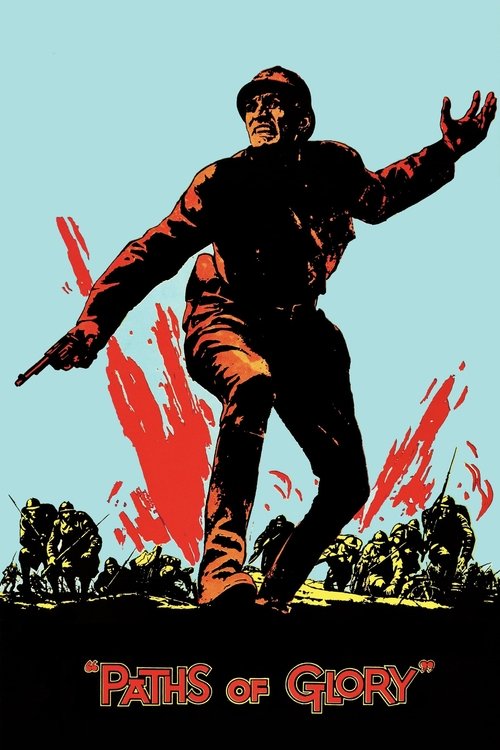
Paths of Glory1957
Kubrick's masterpiece about WWI soldiers court-martialed for supposed cowardice. Same moral terrain—how the military devours its own for institutional purposes. Kirk Douglas is magnetic with fury.
But Black and white, theatrical in a way that feels distant from the TV-movie intimacy of Slovik. The anti-war message can feel schematic.
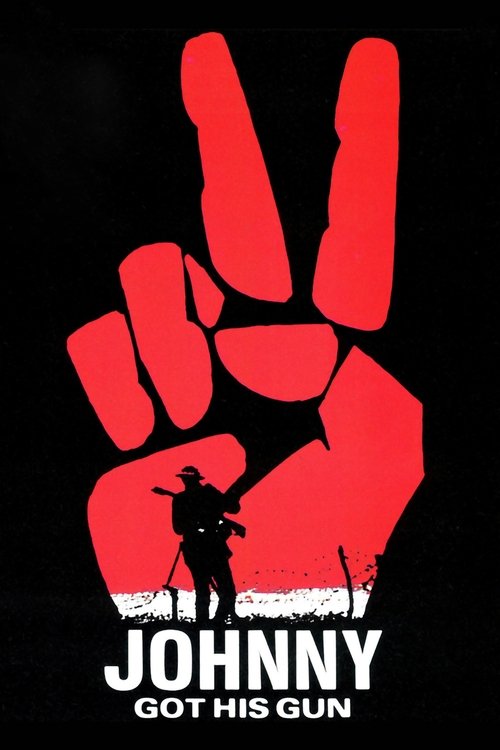
Johnny Got His Gun1971
Dalton Trumbo's adaptation of his own novel: a WWI soldier survives catastrophic injury but is essentially a prisoner in his own body. Raw, unsparing look at what war actually costs. Angry and necessary.
But Hallucinatory sequences are genuinely disturbing. The suffering is relentless and sometimes abstractly presented, which can distance rather than move.
Come and See1985
Elem Klimov's Soviet masterpiece follows a boy conscripted into WWII and watches him lose his humanity to what he witnesses. Unbearably powerful portrait of war's dehumanizing machinery. One of cinema's greatest anti-war statements.
But Brutally, almost unwatchably graphic. The pace is glacial. This is a film that demands something from you and doesn't relent.

Not sure tonight? Get a pick in a minute, starting from The Execution of Private Slovik
The wildcard
Something you would not have found on your own.
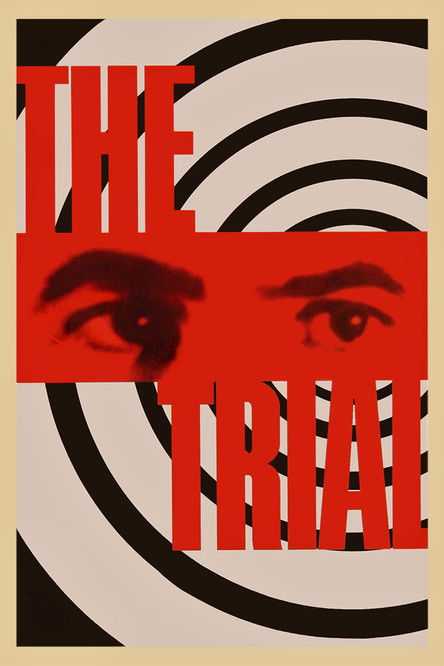
The Trial1962
Both are about men destroyed not by malice but by the impersonal machinery of authority. The system doesn't hate them—it simply doesn't see them as human.
Orson Welles adapts Kafka: a man arrested without knowing why, trapped in a bureaucratic nightmare that grows increasingly absurd and terrifying. Same DNA as Slovik—an individual destroyed by a system that has no human logic. Welles' visual invention makes the abstract concrete.
But Expressionist and frequently incomprehensible. The tone lurches between nightmare and dark comedy. Black and white, deliberately disorienting—nothing is comfortable.
More like this (7)
The Best Years of Our Lives1946
William Wyler's post-WWII epic about soldiers returning home. Shows the human cost of war from a different angle—not execution but displacement, trauma, and the difficulty of belonging again.
But Three-and-a-half hours and deliberately paced. The optimistic framing feels period-bound to some viewers. Can read as sentimental now.

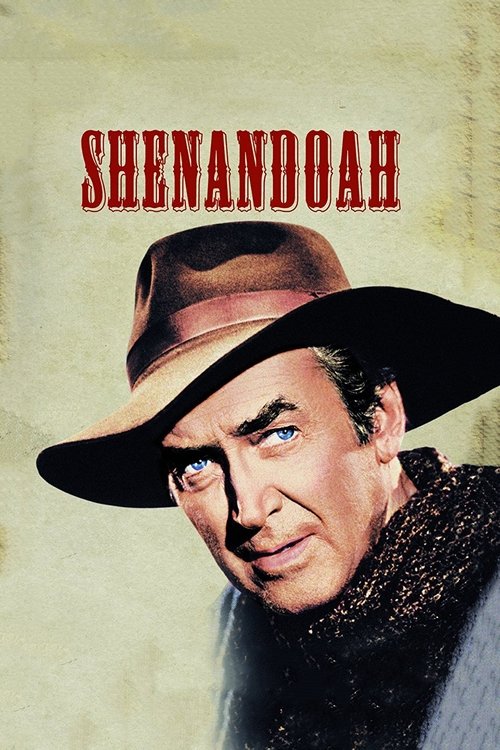
Shenandoah1965
James Stewart as a Virginia farmer trying to keep his family neutral during the Civil War. Character-driven, human-scaled war film about how history crushes those trying to stay out of it.
But James Stewart's folksy charm can soften the material. The ending is emotionally manipulative in ways that some find heavy-handed.
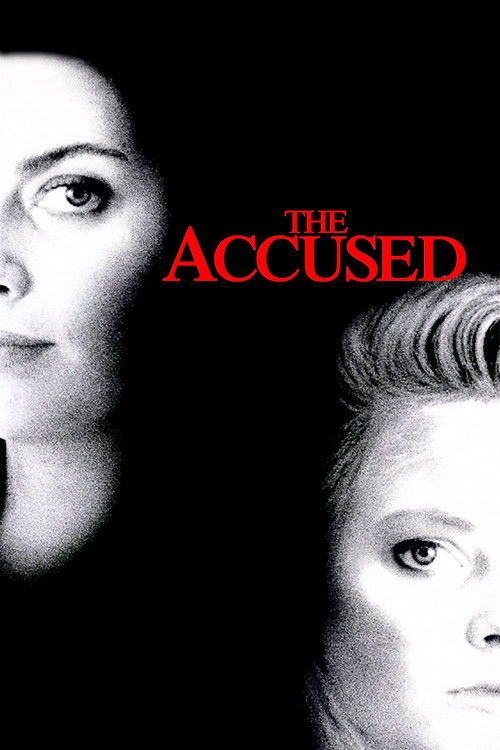
The Accused1988
Jodie Foster in a different context: a woman fighting a rigged system that won't see her as human. Not war, but same machinery of injustice and how institutions fail the powerless.
But The famous rape scene is graphic and difficult. The film's courtroom drama structure can feel procedural compared to Slovik's emotional intimacy.
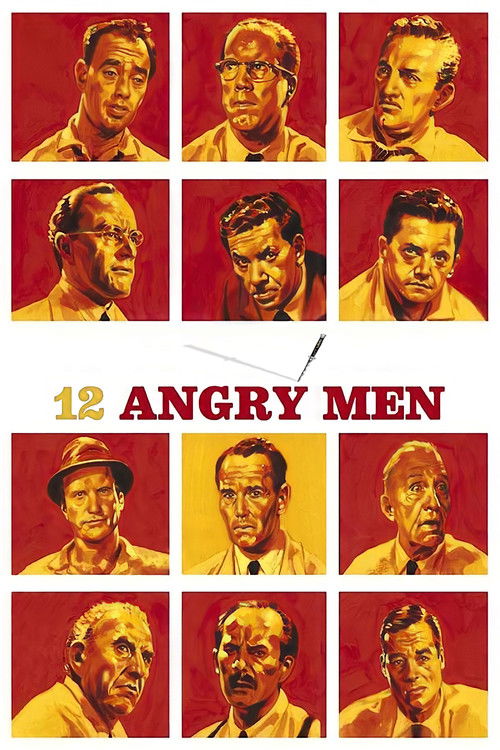
12 Angry Men1957
Reginald Rose's chamber piece about a jury deciding whether to execute a young man. Pure examination of how institutions, prejudice, and pressure distort justice. Tense and morally urgent.
But Entirely set in one room. Very talk-heavy and theatrical. The idealism about democracy and reason feels quaint to modern audiences.
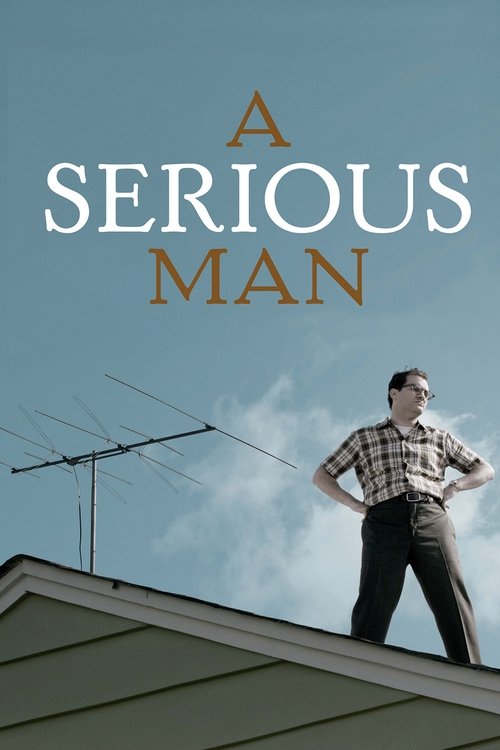
A Serious Man2009
Coen Brothers film about a man destroyed by forces he can't understand or control. Darkly comic but morally serious about how the innocent get ground up by systems indifferent to justice.
But Deliberately frustrating and bleak without redemption. The comedy-horror tone isn't for everyone. Feels incomplete in ways that enrage some viewers.
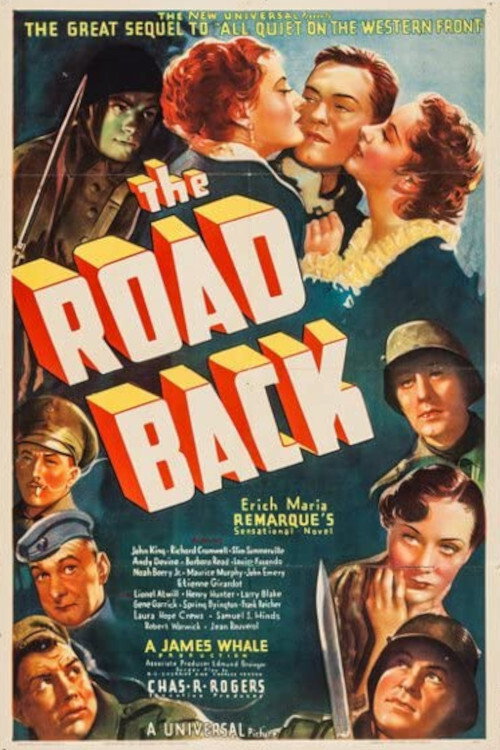
The Road Back1937
Both use individual tragedy to illuminate how nations betray soldiers, but Road Back frames it as systemic political failure rather than military hierarchy.
James Whale directs Erich Maria Remarque's sequel to All Quiet on the Western Front: soldiers returning from WWI and finding a society that doesn't want them and a political system preparing for the next war. Historical but feeling urgently contemporary. Angry and clear-eyed.
But Pre-war Hollywood gloss softens some edges. The propaganda cutting against it isn't subtle. Print quality can be rough. Feels like a document rather than cinema.
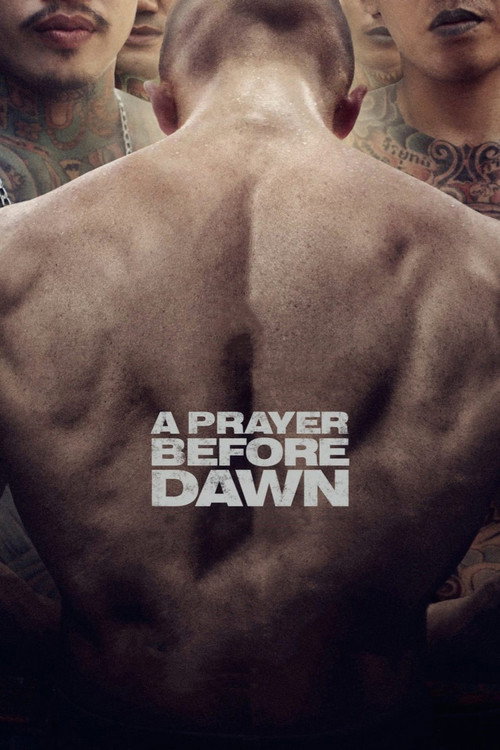
A Prayer Before Dawn2018
Both examine men at the mercy of institutions they don't fully understand, where the system's logic is alien and survival requires spiritual as much as physical endurance.
Jean-Stéphane Sauvaire's true story of an American boxer imprisoned in Thailand, fighting for survival and identity in an alien, brutal system. Raw performance (Mark Wahlberg, quiet and wounded), visceral fight choreography, and genuine spiritual searching. War's emotional DNA without the military structure.
But Bleak and sometimes shapeless. The protagonist's guilt and culpability complicate sympathy. Handheld, gritty cinematography. No clear resolution or redemption offered.
People
Cast
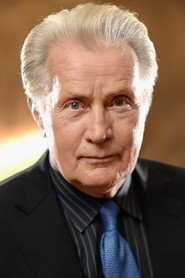 Martin SheenEddie Slovik
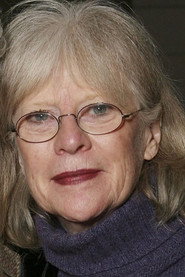 Mariclare CostelloAntoinette Slovik
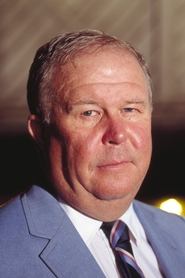 Ned BeattyFather Stafford
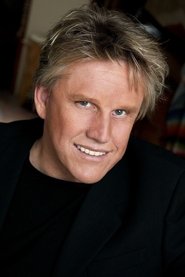 Gary BuseyJimmy Feedek
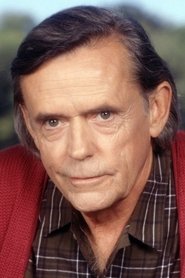 Matt ClarkDunn
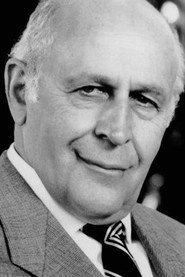 Ben HammerLt. Col. Leacock
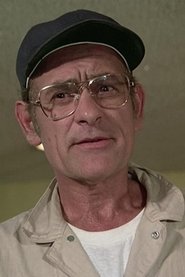 Warren J. KemmerlingMaj. Fellman
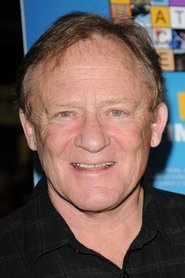 Charles HaidBrockmeyer
 Kathryn GrodyMargaret
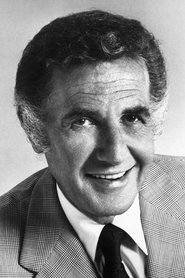 Paul LambertJoe Sirelli
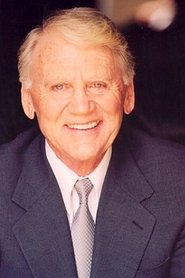 Jon CedarHolloway
- Joe George109th Regiment Sergeant
Directing
- James FargoAssistant Director
- Lamont JohnsonDirector
Writing
- William Bradford HuieNovel
- Richard LevinsonWriter
- William LinkWriter
Production
- Karen HazzardCasting
- Richard LevinsonExecutive Producer
- William LinkExecutive Producer
- Richard DubelmanProducer