
Film
Winning
A 1969 sports drama about a racing driver's obsession with winning the Indianapolis 500, and what that hunger costs him at home. Paul Newman is magnetic as a man chasing glory while his marriage fractures around him. It's less about racing than about ambition's collateral damage—a character study wrapped in speed and testosterone, for anyone who loves Newman or stories about people who want things too much.
Should you watch it?
Watch it if you like racing films where the engine noise matters less than the man behind the wheel, and a marriage is strained as hard as any tire.
Skip it if you want the track to dominate, since the racing shares space with a domestic story that often slows down between laps and makes the film feel long.
What it asks of you: Two hours and change of patience: the race scenes arrive in bursts, and the quieter stretches ask you to sit with arguments at the kitchen table.
Not sure? Find tonight's pick in a minute.
If you liked this
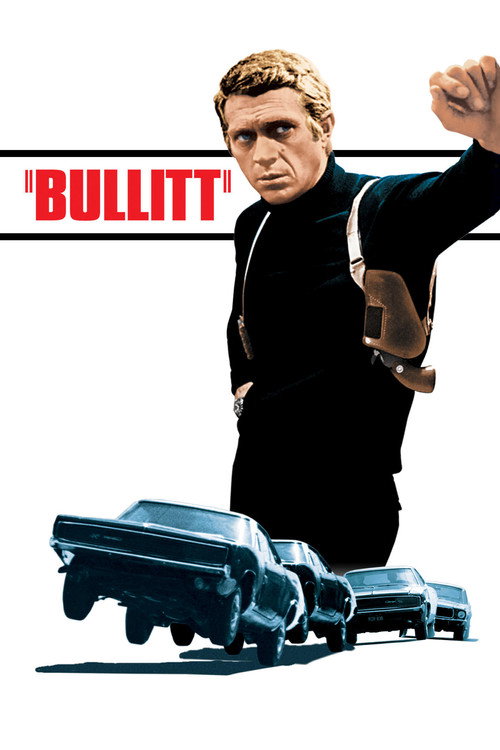
Bullitt1968
Steve McQueen as a cop who can't let a case go, willing to bend every rule. It has that same lean intensity about obsession and the personal cost of doing what you think is right, plus one of cinema's greatest car chases.
But The plot is thin and sometimes muddy. If you need a tight narrative, you'll find it frustratingly elliptical.
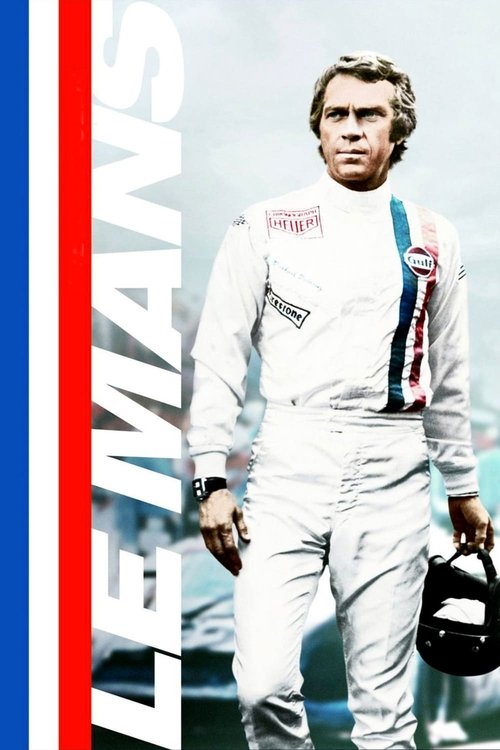
Le Mans1971
Steve Reeves driving real Porsches at real speed, with minimal dialogue and maximum mood. It's a film that trusts racing footage to do the emotional work, documenting obsession through observation rather than drama.
But Almost no plot, almost no character development. It's more of a prolonged meditation than a story, which will bore anyone wanting conventional narrative.
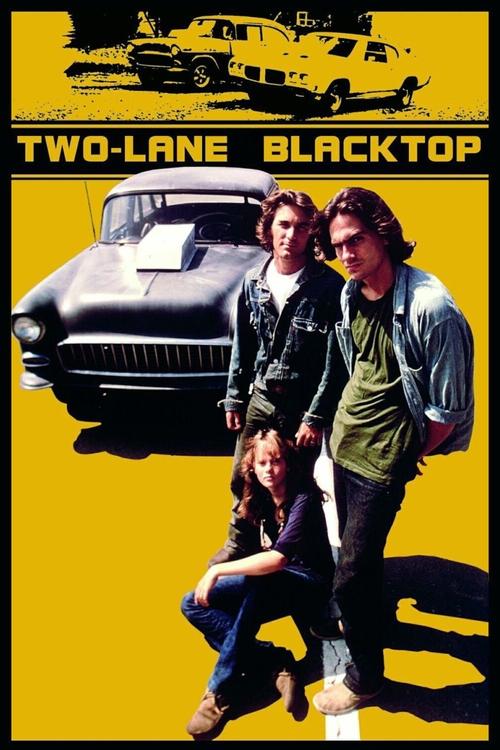
Two-Lane Blacktop1971
A road movie about two drivers in an endless cross-country race, competing for no stake except the racing itself. Warren Oates and James Taylor are hypnotic; the film captures that particular madness of needing to win.
But It's deliberately paced and deliberately obscure about its meaning. Some find it profound, others find it tedious.
Not sure tonight? Get a pick in a minute, starting from Winning
The wildcard
Something you would not have found on your own.
Contempt1963
Both are built around the same core tragedy: a talented man's obsession with success poisoning his marriage, told with genuine sadness about what gets sacrificed.
Jean-Luc Godard's film about a screenwriter whose marriage collapses as he chases a film deal in Rome. Like Winning, it's fundamentally about a man's professional ambition destroying his most intimate relationship, but Godard makes it radiant and philosophical rather than dramatic.
But It's a 1963 French art film with long static shots and Godard's elliptical style. The domestic tragedy unfolds slowly, without conventional emotional beats.

More like this (8)
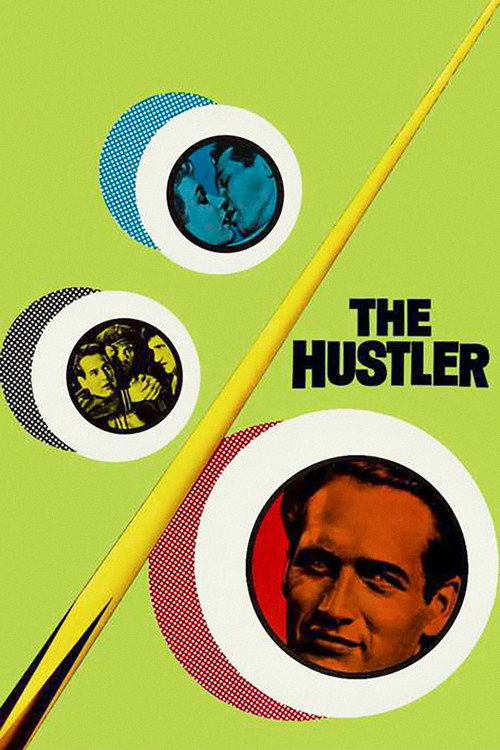
The Hustler1961
Paul Newman as a pool player willing to sacrifice everything—his body, his relationships, his dignity—to be the best. It's the template for this exact story: talent, obsession, and the woman left behind.
But Shot in black and white and somewhat stagey in execution. The pacing is deliberate, not for viewers wanting constant momentum.
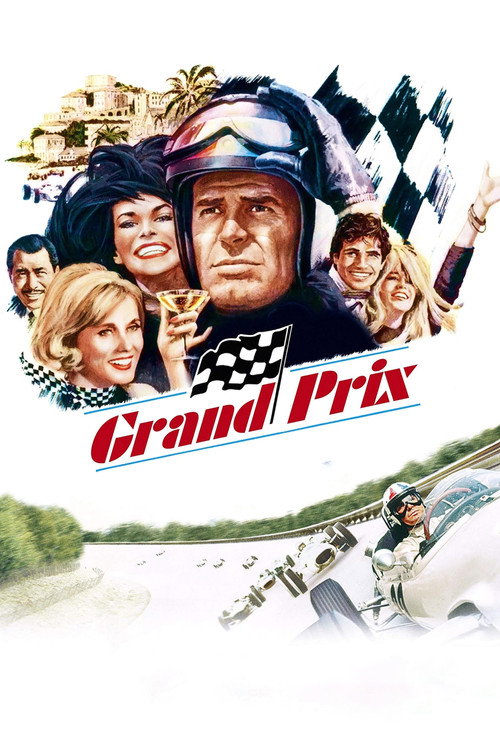
Grand Prix1966
An ensemble racing epic shot in real Grand Prix locations with stunning Cinerama sequences. It captures the allure and danger of racing culture, with strong performances from James Garner and Eva Marie Saint.
But It's overstuffed—three hours juggling multiple storylines that don't all land. The personal dramas feel thin compared to the racing footage.
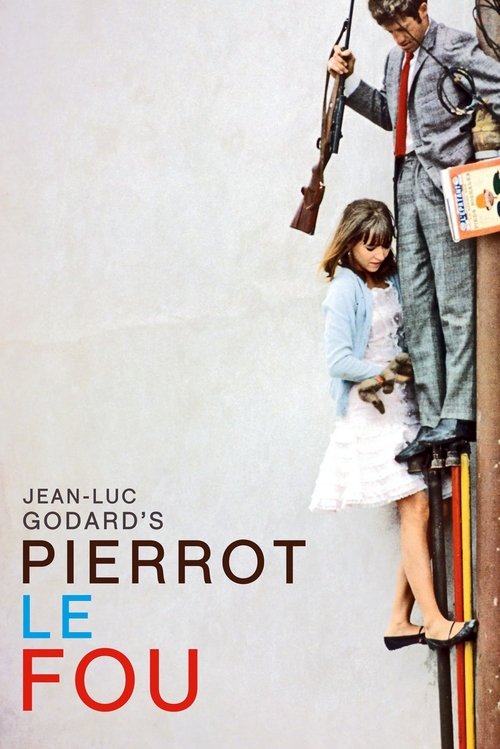
Pierrot le Fou1965
Jean-Luc Godard's film about a man who abandons his marriage for passion and the open road. It's gorgeously composed and deeply weird, exploring how desire can unravel a life.
But It's avant-garde and fragmented, with no conventional plot. If you want story clarity, this will frustrate you immediately.
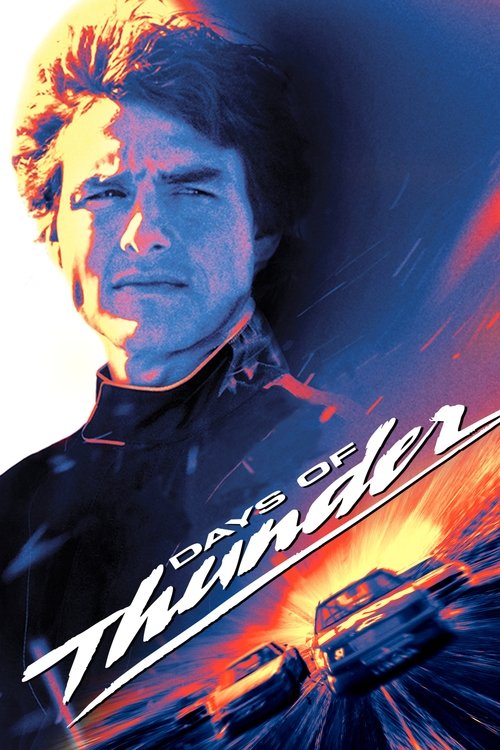
Days of Thunder1990
Tom Cruise in a NASCAR film that gets the obsession and the brotherhood of racing. It's faster-paced than Winning, with better modern action filmmaking and genuine charm.
But It's essentially a Tom Cruise romance with racing scenes. The character development is thin and the formula is very 1990.
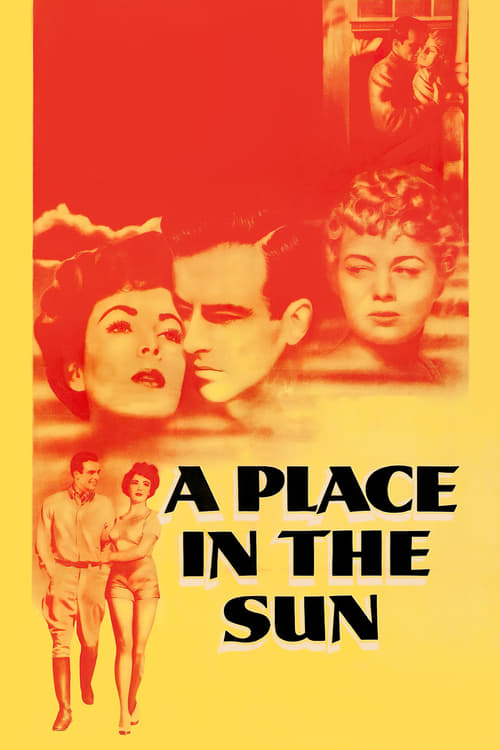
A Place in the Sun1951
Montgomery Clift as a man torn between ambition and love, willing to betray everything he cares about to climb. It's a moral tragedy about wanting the wrong thing, shot with real beauty.
But It's slow and deeply sad, with a fatalistic view of ambition. If you want uplift or resolution, look elsewhere.
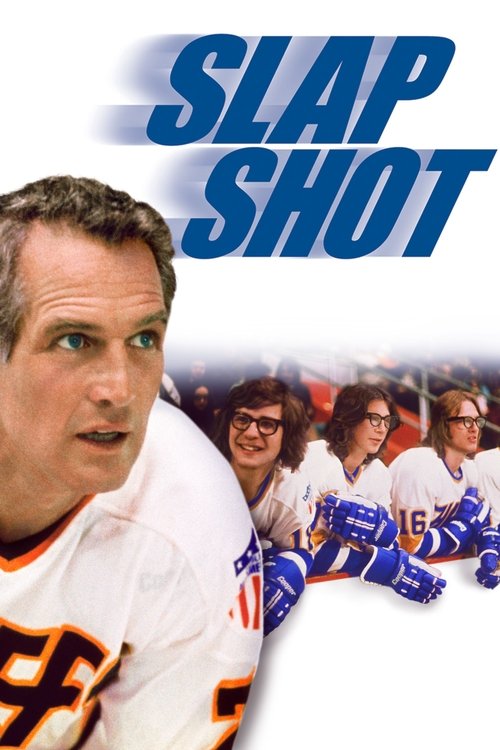
Slap Shot1977
Paul Newman again, this time in a sports comedy about a hockey coach clinging to relevance. It's rougher and funnier than Winning, with sharp social commentary under the chaos.
But It's deliberately crude and unsentimental. The tone is too comedic for anyone wanting a serious exploration of professional sport.
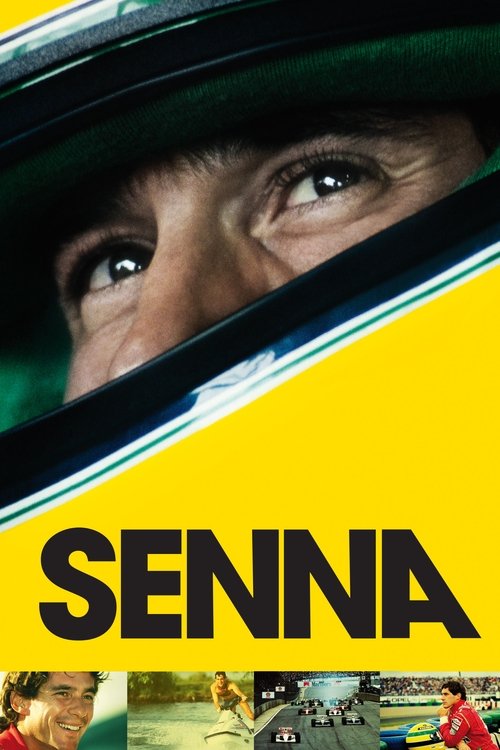
Senna2010
Where Winning is a drama imagining what obsession costs a man, Senna is the real thing—a documentary proof that this story happens in actual lives, told with poetry rather than plot.
A documentary about Ayrton Senna's life and racing career that captures obsession, ambition, and the cost of being the best. It's a real person's story, shot with great style, and it understands why people risk everything on a dream.
But It assumes some knowledge of Formula 1 and racing culture. If you don't care about racing itself, the specifics won't move you.
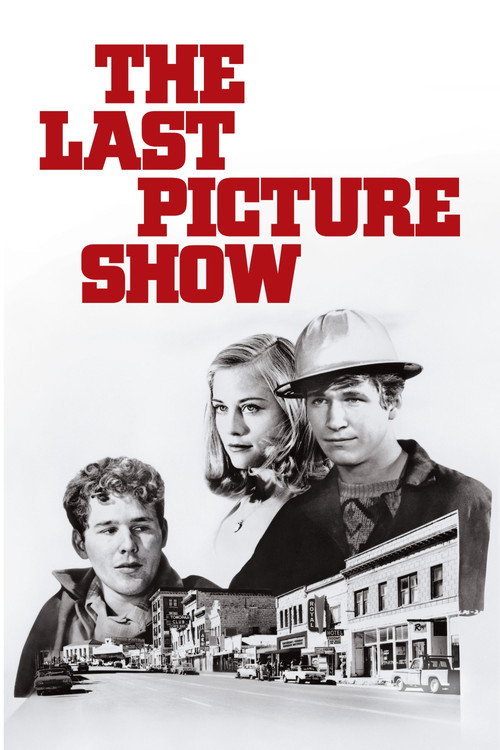
The Last Picture Show1971
Both films use a particular setting (racing circuit, dying Texas town) to explore how individual ambition damages the people around you, with real sympathy for everyone involved in the wreckage.
Peter Bogdanovich's film about desire, disappointment, and small-town America in the 1950s. It has the same elegiac tone as Winning—mourning for what we lose when we reach for what we want—but it's ensemble and elegiac rather than focused on one man.
But It's in black and white and doesn't move quickly. The mood is melancholic throughout; there's no triumph, only the recognition of loss.
People
Cast
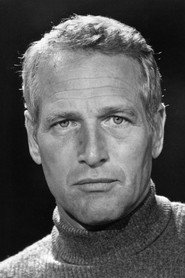 Paul NewmanFrank Capua
 Joanne WoodwardElora Capua
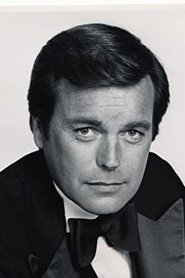 Robert WagnerLou Erding
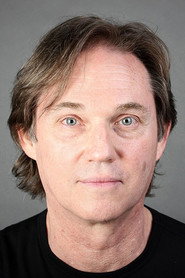 Richard ThomasCharley Capua
 David SheinerLeo Crawford
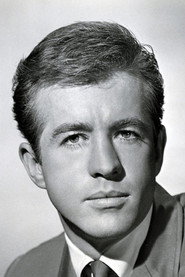 Clu GulagerLarry
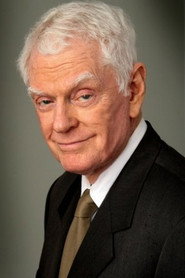 Barry FordLes Bottineau
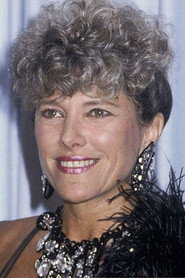 Karen ArthurMiss Dairy Queen
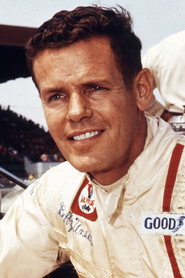 Bobby UnserHimself
- Tony HulmanHimself
- Bobby GrimaltHimself (uncredited)
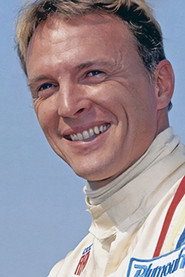 Dan GurneyHimself (uncredited)
Directing
- Earl J. BellamyAssistant Director
- Skip CosperAssistant Director
- James GoldstoneDirector
- Marie KenneyScript Supervisor
Writing
- Howard RodmanScreenplay
Production
- George SantoroAssociate Producer
- Paul NewmanCo-Executive Producer
- John ForemanProducer
- Annabelle KingProduction Assistant
- Wallace Worsley Jr.Production Supervisor
- Arthur S. Newman Jr.Unit Production Manager