
Film
Fast Company
A 1979 drag-racing thriller about a driver betrayed by his sponsor, who steals back the car to prove himself on the track. It's propulsive B-movie action with real stunt work, shot through with the specific texture of late-seventies motorsport culture. For anyone who wants their thrills visceral and their ethics flexible.
Should you watch it?
Watch it if you like grease-stained, back-alley racing stories where the rivalry and pit-lane grit matter as much as the speed, and you don't mind a seventies film that looks rough around the edges.
Skip it if you want polished, precise racing with modern pacing; this one is scruffy, loose in its plotting, and its romance and rough-edged drama can feel dated.
What it asks of you: It runs about ninety-three minutes with a loose, sprawling shape, asking you to ride along with its hustle rather than track a tight puzzle.
Not sure? Find tonight's pick in a minute.
If you liked this
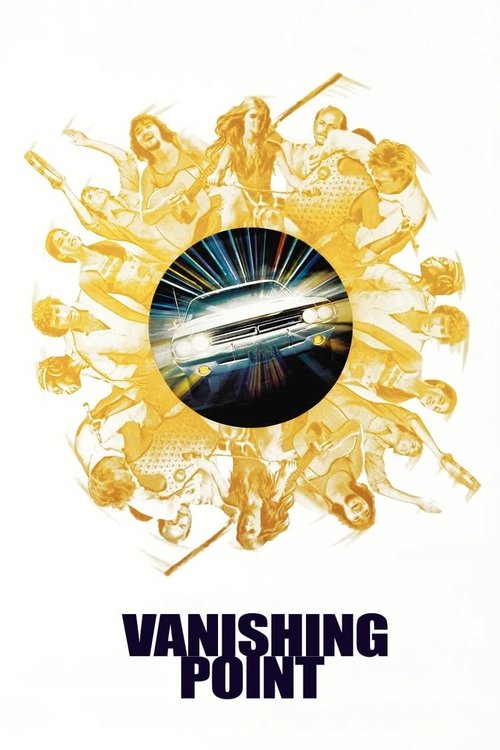
Vanishing Point1971
A getaway driver races cross-country in a white Dodge Challenger, pursued by authorities and helicopters. It's pure kinetic cinema: minimal plot, maximum velocity, and a genuinely apocalyptic mood that lingers.
But The pacing is hypnotic rather than conventionally exciting. If you need clear character development or dialogue-driven drama, you'll find it sparse and oblique.
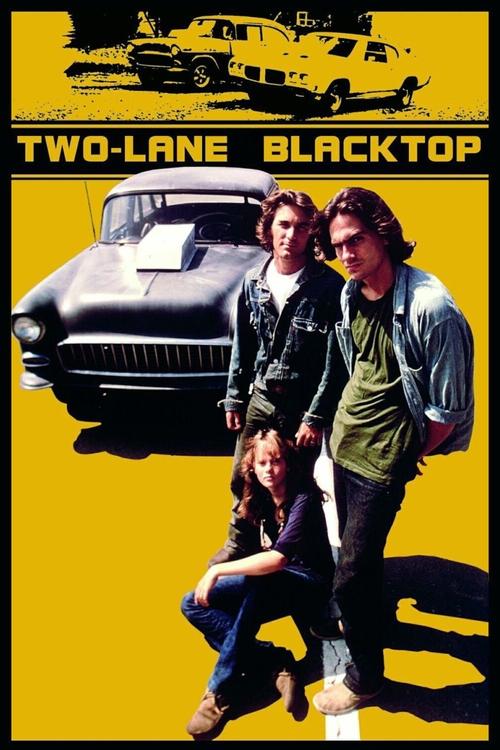
Two-Lane Blacktop1971
Two mechanics in a GTO challenge a stranger in a Cadillac to an undefined cross-country race. Meditative, strange, and more about masculinity and obsession than about winning—shot with documentary-like precision.
But Absolutely nothing happens in the conventional sense. There's no plot, minimal stakes beyond the race itself, and a non-ending that infuriated audiences in 1971.
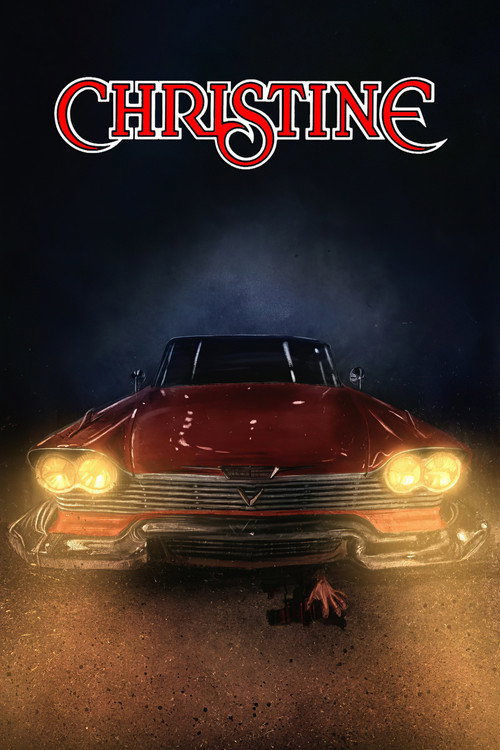
Christine1983
John Carpenter's film about a 1958 Plymouth Fury that possesses its owner. Genre filmmaking at its most confident: funny, terrifying, visually stunning, and absolutely committed to the premise.
But It's a Stephen King adaptation about a possessed car. If the concept sounds silly to you, watching it won't change your mind—it'll just be silly with better cinematography.
Not sure tonight? Get a pick in a minute, starting from Fast Company
The wildcard
Something you would not have found on your own.
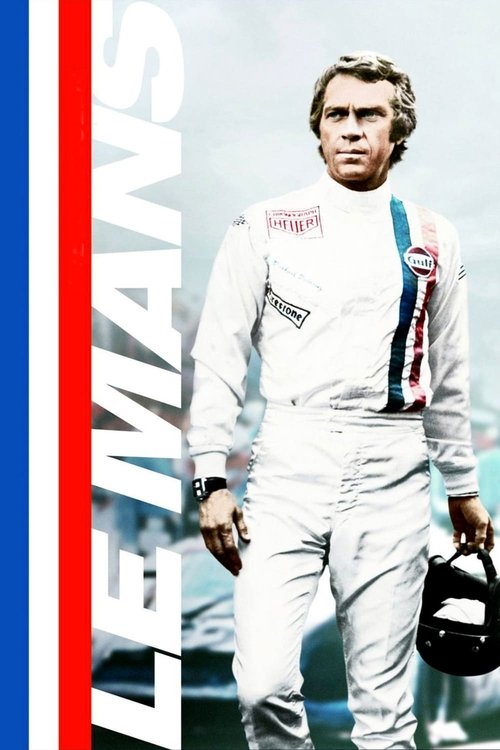
Le Mans1971
Both are built around the idea that racing is its own justification—that the machinery and the obsession matter more than plot or character redemption.
Steve McQueen as a driver attempting to win the 24-hour race. Almost no plot: it's a visual and sonic meditation on racing itself, with real footage from the actual race. Hypnotic and obsessive in ways fiction rarely manages.
But It's a racing documentary disguised as a narrative film. If you don't find the machinery beautiful or the repetition meditative, you'll watch a man drive around a track for two hours.
More like this (7)
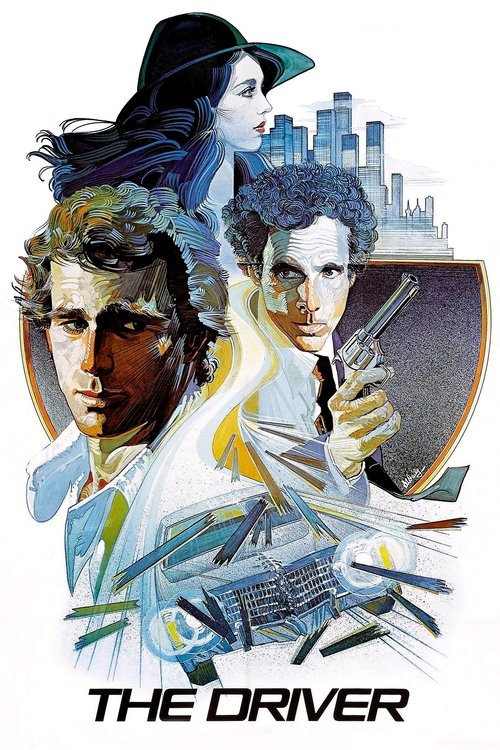
The Driver1978
Walter Hill's neo-noir about a Hollywood wheelman hired for high-stakes jobs. Stripped-down, stylish, and built around Ryan O'Neal's steely silence and some of the best car chases ever filmed.
But The plot is deliberately thin and functional. Character development isn't the priority; mood and movement are. It demands patience and appreciation for style over substance.
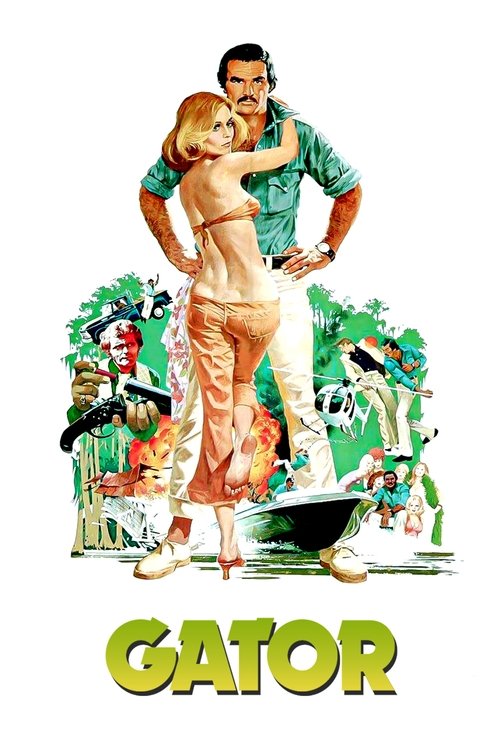
Gator1976
Burt Reynolds directs himself in a Southern-fried action film about a con man forced back into crime. It's loose and funny, with genuine stunt work and the specific charm of Reynolds doing his own thing in the mid-seventies.
But The tone is uneven—it can't decide between comedy and thriller. Some scenes feel improvised in ways that work; others just feel scattered and unfocused.
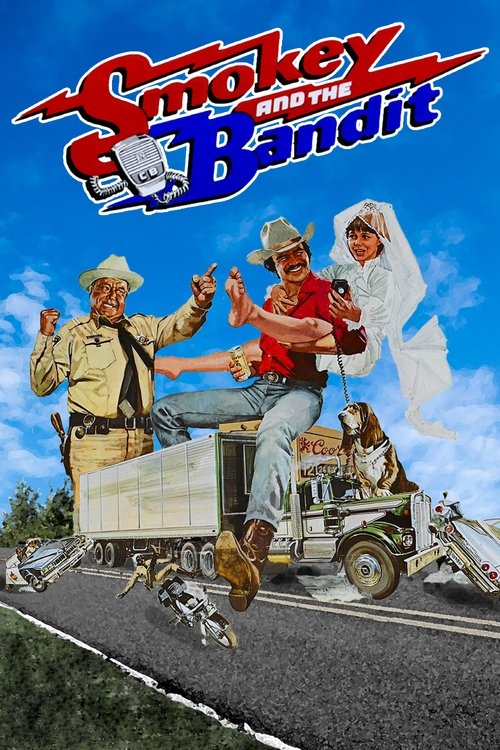
Smokey and the Bandit1977
Burt Reynolds and a black Trans Am race across state lines in this gleeful comedy-action romp. It's infectious, beautifully shot, and captures the specific joy of watching someone outrun authority at seventy miles per hour.
But The humour is dated and sometimes cloying. If you don't find the CB-radio banter charming, the film's momentum won't carry you through.
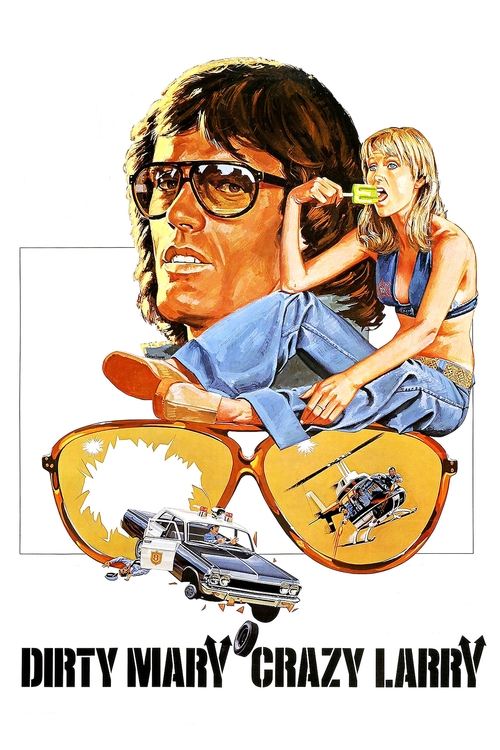
Dirty Mary Crazy Larry1974
A driver and his girlfriend steal a racecar to fund an escape. Tighter and meaner than Smokey and the Bandit, with real character tension and a finale that doesn't pull punches.
But It's darker than its premise suggests, and the ending alienates viewers who want their car movies to be purely fun. The pacing can feel choppy in the middle act.
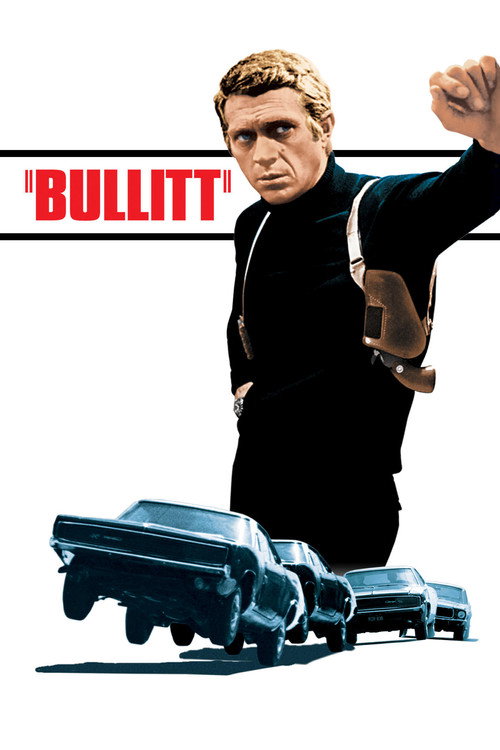
Bullitt1968
Steve McQueen as a San Francisco detective protecting a witness. The car chase alone justifies the ticket—ten minutes of pure driving craft that influenced every car movie that followed, including this one.
But It's a cop thriller that happens to have an extraordinary car scene, not a car movie. Long stretches involve mundane detective work that feels slow even by 1968 standards.
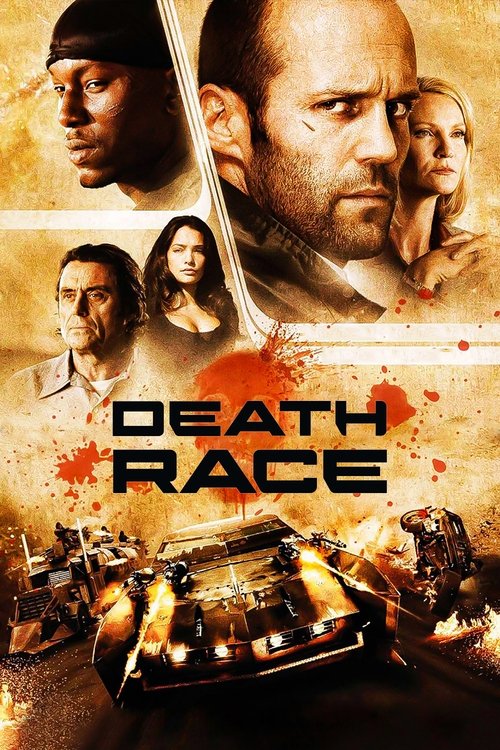
Death Race2008
Jason Statham in a near-future prison where inmates compete in weaponised car races. Trashy, energetic, and entirely aware of what it is—it knows exactly what button to push and pushes it hard.
But It's soulless spectacle over substance. The plot is threadbare, the dialogue is flat, and it exists only to justify the next crash. That's fine if that's what you want; not fine if you want anything else.
The Vanishing1988
Both films use pursuit—literal in one, psychological in the other—to explore how quickly trust collapses and how people justify the unjustifiable when they're desperate enough.
A Dutch thriller about a man searching for his vanished girlfriend, and the driver who took her. It's a masterclass in suspense and moral ambiguity—every scene earns the next one, and the ending is genuinely unsettling.
But It's slow-burn European cinema, not an action film. The real dread comes from not knowing, not from car chases. If you need constant forward momentum, it will feel like stalling.
People
Cast
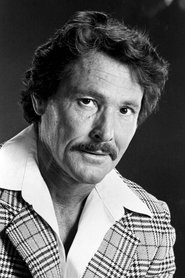 William SmithLonnie 'Lucky Man' Johnson
 Claudia JenningsSammy
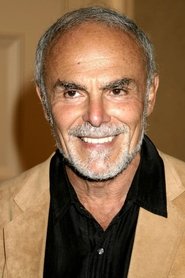 John SaxonPhil Adamson
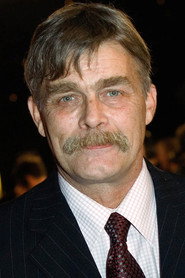 Nicholas CampbellBilly 'The Kid' Brocker
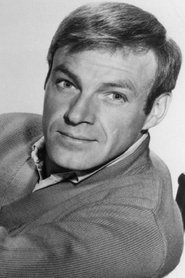 Don FrancksElder
 Cedric SmithGary 'The Blacksmith' Black
- Judy FosterCandy
 Robert HaleyP.J.
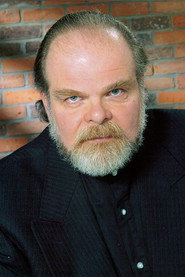 George BuzaMeatball
- David GrahamStoner
 David PetersenSlezak
- Chuck ChandlerEdmonton Track Announcer
Directing
- Margaret HanlyContinuity
- David CronenbergDirector
- Jimmy KaufmanFirst Assistant Director
- Jim LongSecond Assistant Director
Writing
- Alan TreenOriginal Story
- Courtney SmithScreenplay
- David CronenbergScreenplay
- Phil SavathScreenplay
- Nicholas CampbellWriter
Production
- Bette ChadwickAdditional Casting
- Gail CarrCasting
- David PerlmutterExecutive Producer
- Sherry CohenLocation Manager
- Courtney SmithProducer
- Michael LebowitzProducer
- Peter O'BrianProducer
- Phil SavathProducer
- Shirley GrangerProduction Accountant
- Bob MurphyProduction Assistant
- Isabelle FoordProduction Assistant
- Richard MeadProduction Assistant
- Sherry WolfsonProduction Coordinator
- Caryl BrandtProduction Manager
- Linda BrestichProduction Secretary
- Lynda Farmer HickmanProduction Secretary