
Film
Gator
Burt Reynolds as a freshly paroled moonshiner forced to go undercover against a swamp crime boss—or lose his daughter. It's a 1976 crime thriller that swaps glossy cities for the Okefenokee's humid chaos, mixing action beats with character colour and Southern flavour. For fans of gritty mid-seventies cinema and Reynolds' charismatic leading work.
Should you watch it?
Watch it if you enjoy a roguish antihero with a loose, shaggy sense of humour and don't mind a crime plot that stops for swamp-country detours and eccentric side characters.
Skip it if you want a lean, grim crime story, since the tone keeps drifting into shaggy comedy and side characters crowd out the suspense.
What it asks of you: Just under two hours of loose, sunny pacing, where jokes and local colour take as much room as the plot, so attention can drift without costing much.
Not sure? Find tonight's pick in a minute.
If you liked this
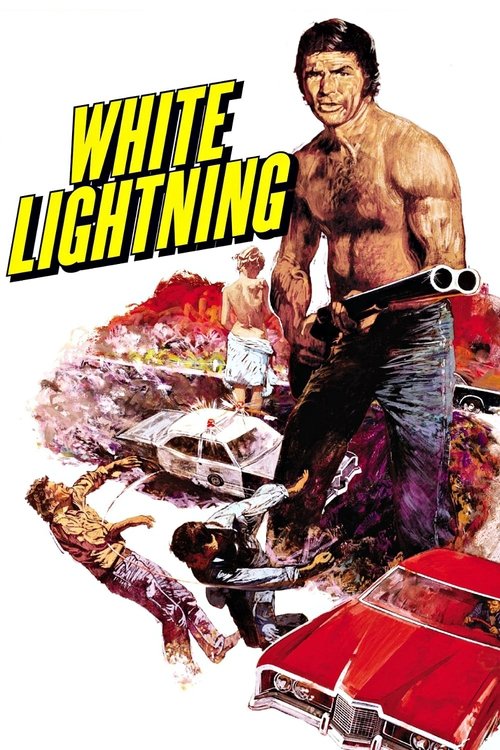
White Lightning1973
Reynolds' earlier moonshiner role that proved he could anchor a Southern crime thriller. Same director (Joseph Sargent), same engine: bootleggers versus corrupt authority in bayou terrain, with genuine stunt work and local texture.
But It's slower and less polished than modern action films, and the plot is fairly straightforward—there's no twists coming to surprise you.
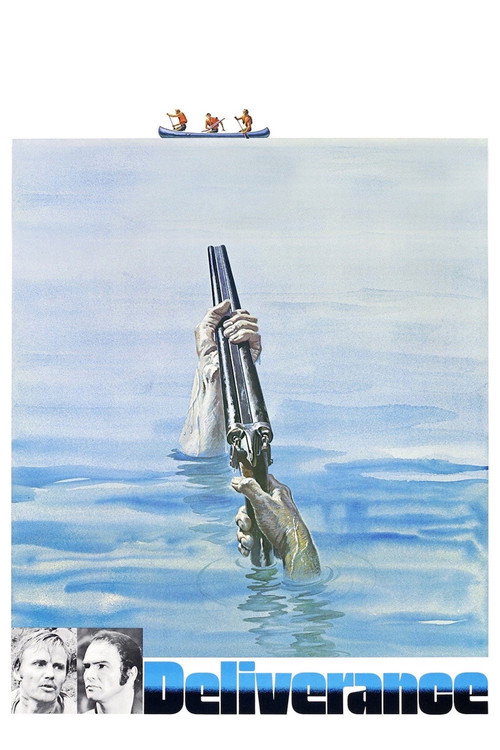
Deliverance1972
Another Southern survival story with real stakes and river-country atmosphere. Burt Reynolds in an ensemble cast where the landscape feels like a character; tense, visceral, grounded in practical danger rather than movie logic.
But It's grim and claustrophobic in ways that action thriller fans might find wearing. The tone never lightens.
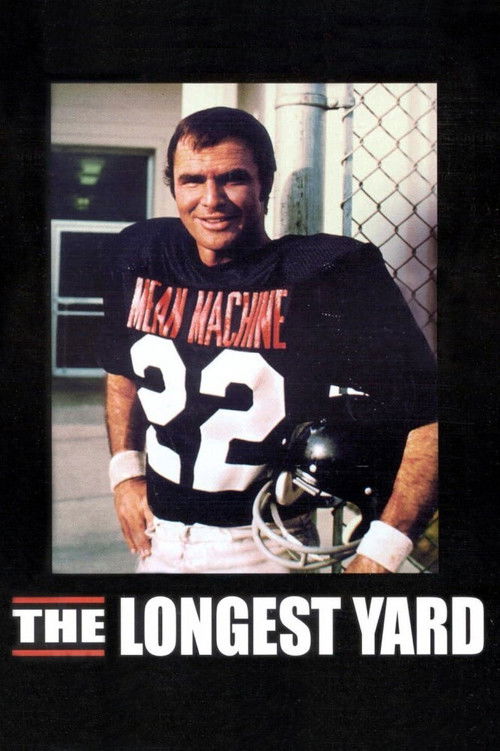
The Longest Yard1974
Reynolds at peak charisma, playing a former athlete now broken and convict. It has his warmth and humour, genuine stakes, an excellent supporting cast, and the messy energy of a mid-seventies film that trusts its actor over spectacle.
But The premise is a sports comedy-drama, not an action thriller, so the registers keep shifting. Some of the humour hasn't aged well.
Not sure tonight? Get a pick in a minute, starting from Gator
The wildcard
Something you would not have found on your own.
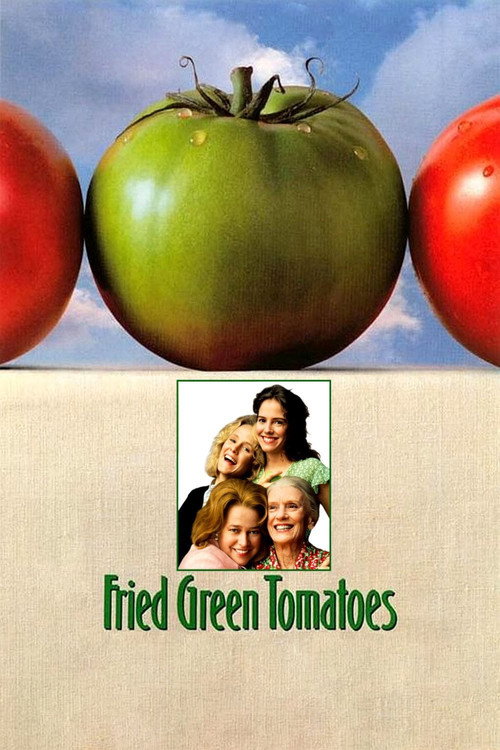
Fried Green Tomatoes1991
Both are Southern crime stories where ordinary people in a small community band together against corrupt power structures, and both understand that geography and kinship matter more than plot mechanics.
A story of women in the Deep South who've been wronged by men and systems, set partly in a small town where everyone knows everyone's business. It shares Gator's commitment to Southern community texture and its understanding that loyalty and vengeance aren't simple moral categories. Kathy Bates is ferocious.
But It's a drama first and an action film never. The violence is off-screen and the real work is emotional—if you came for explosions and car chases, you'll be disappointed.
More like this (8)
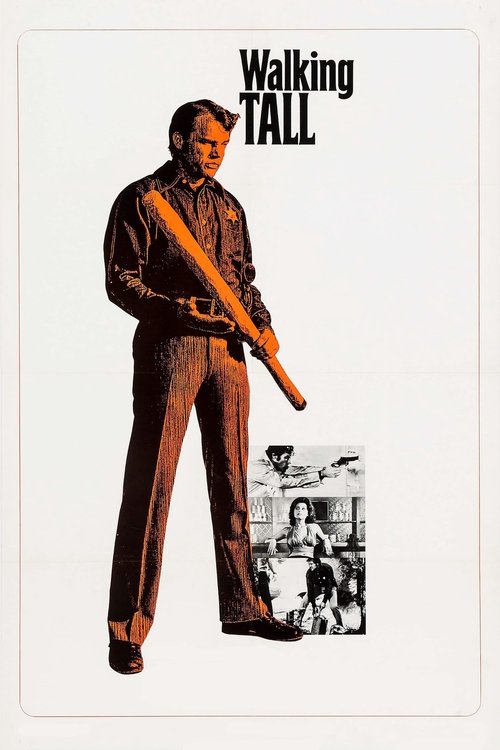
Walking Tall1973
A real-life vigilante story about a sheriff cleaning up corruption in a corrupt town. Gritty, violent where it matters, and captures that seventies sense that institutions have failed and one person has to fix it through force.
But It's bleak and repetitive—the formula of confrontation, violence, repeat can wear thin. The hero work isn't complicated or clever.
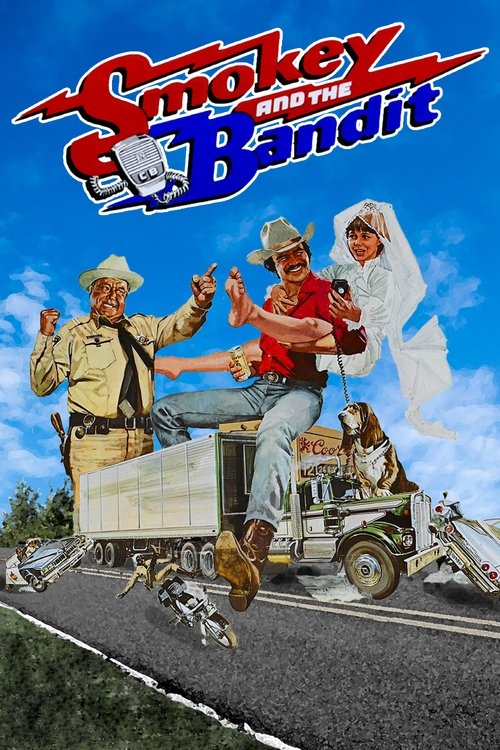
Smokey and the Bandit1977
Reynolds' Southern rogue in full charm-offensive mode, running bootleg liquor across state lines. It's lighter than Gator but shares the DNA: Reynolds, cars, Southern eccentrics, and a fundamentally good-hearted criminal protagonist.
But It's a comedy first and an action film second. If you're looking for real stakes and genuine menace, this is too playful.
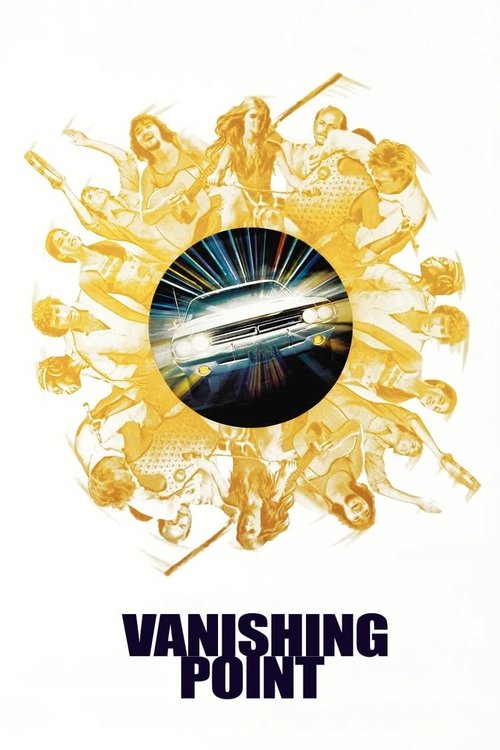
Vanishing Point1971
A man on the run across America in a muscle car, pursued by forces he can't quite escape. It's hypnotic, strange, and captures the paranoia and landscape obsession that seventies thrillers did better than anyone.
But The plot is deliberately thin and circular. It's more mood and philosophy than narrative momentum—many find it frustrating rather than gripping.
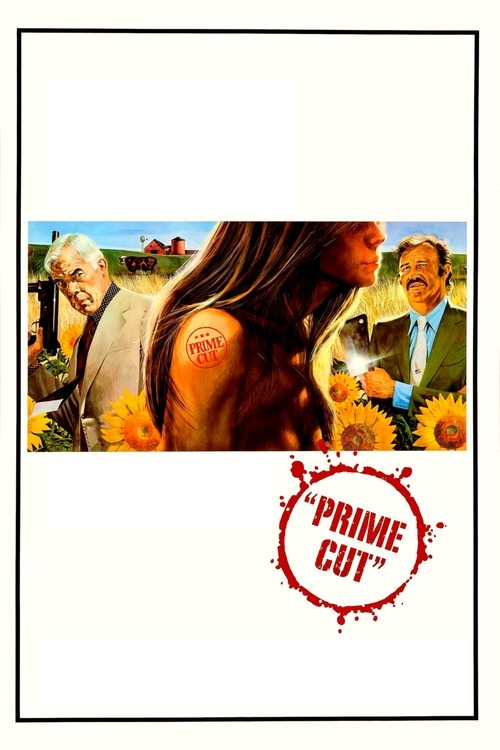
Prime Cut1972
Lee Marvin as a mob enforcer sent into Kansas to settle a score. Rural crime thriller with real violence, weird atmosphere, and the sense that America's backroads are dangerous in ways cities aren't.
But It's violent in an unsettling way that many viewers find gratuitous. The plot can feel secondary to the mood.
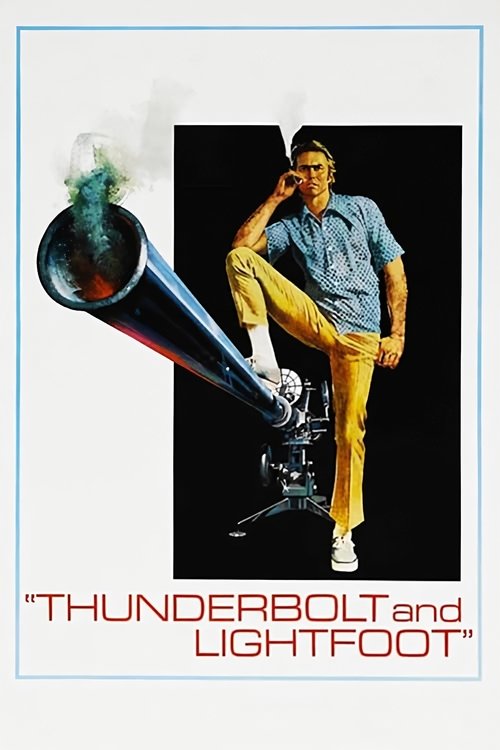
Thunderbolt and Lightfoot1974
Clint Eastwood and Jeff Bridges as a bank robber and a drifter, with a buddy-dynamic that anchors the film. Crime, humour, action, and genuine character work—it understands that criminals can be likeable without being sentimentalised.
But The buddy chemistry means the crime plot sometimes takes a back seat. Pacing dips in the middle section.
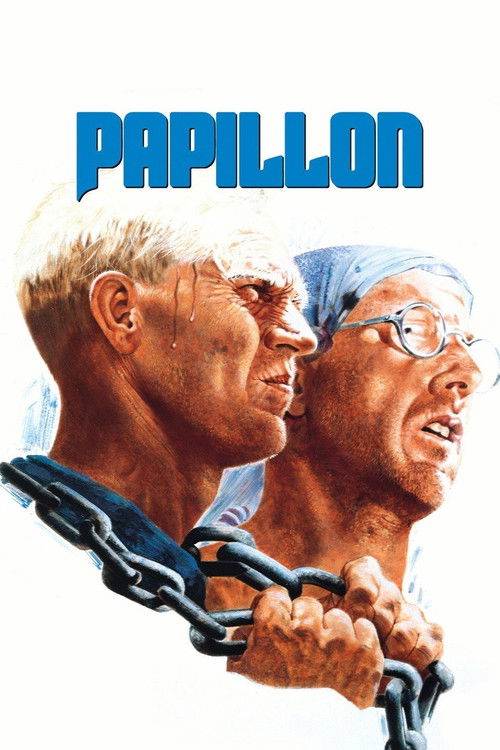
Papillon1973
Steve Reeves as a prisoner escaping from a brutal penal system. If you loved the ex-con-trying-to-go-straight framing of Gator, this explores the same wound more seriously: how prison marks you and whether escape is real freedom.
But It's long, methodical, and punishing in ways that feel earned but exhausting. The middle section is genuinely tedious.
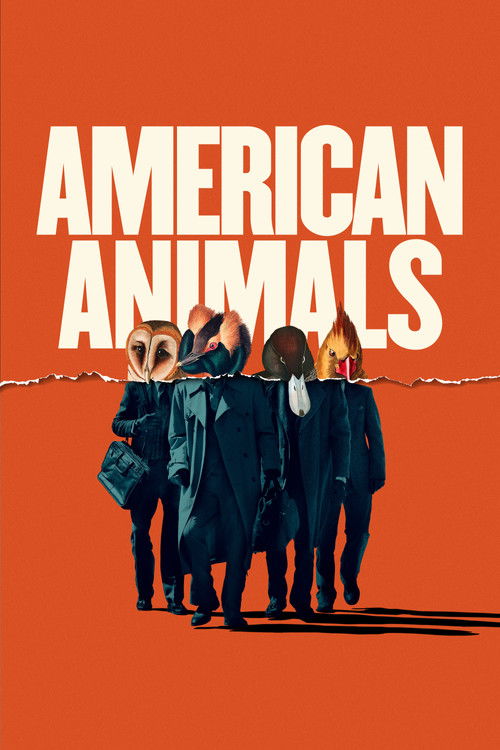
American Animals2018
Both centre on men navigating systems that have failed them, choosing crime not as a grand moral stand but as a practical solution. Both ask: what's the difference between a criminal and someone circumstances have made criminal?
A documentary-style thriller about real college kids who plan a library heist, intercutting their actual interviews with dramatised scenes. It's formally inventive and captures something true about how ordinary people justify crossing into crime. The mix of real and acted feels like watching a friend's confession.
But The tone is deliberately unstable—it pivots between comedy, thriller, and documentary without warning. Some find it gimmicky. The real heist is less interesting than the psychology of it.
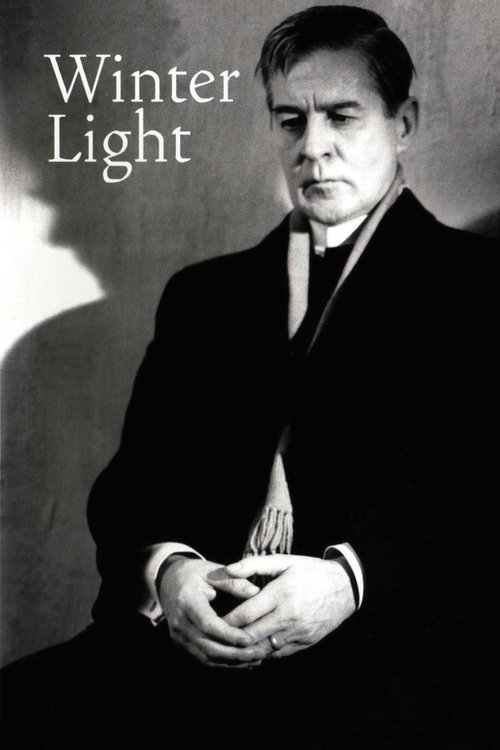
Winter Light1963
Both films trust small communities and specific places as the real subject. Both understand that people are bound to each other not by choice but by circumstance, and that this binding is both the source of meaning and the source of pain.
Bergman's film about faith, doubt, and whether we can save anyone—including ourselves. It's set in a small Swedish parish and moves with terrible slowness through a man's spiritual crisis. It has nothing to do with crime thrillers, but it shares Gator's interest in communities bound by geography and the question of whether connection is salvation or just habit.
But It's black-and-white, subtitled, and profoundly slow. There is no plot in any conventional sense. Many viewers find it austere and punishing rather than rewarding.
People
Cast
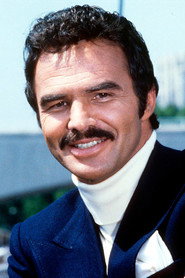 Burt ReynoldsGator McKlusky
 Lauren HuttonAgatha Weedow "Aggie" Maybank
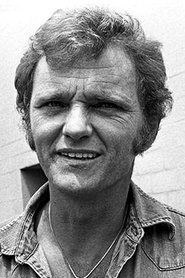 Jerry ReedBama McCall
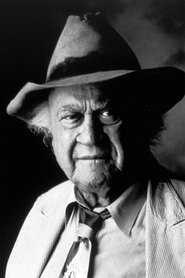 Dub TaylorMayor T.L. Caffery
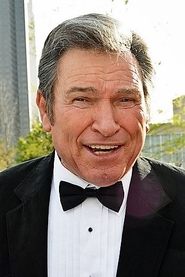 Burton GilliamSmiley
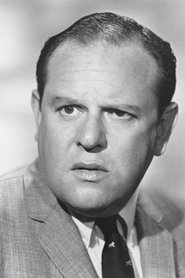 Jack WestonIrving Greenfield
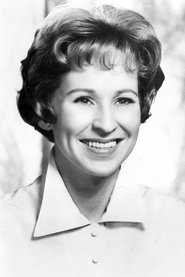 Alice GhostleyEmmeline Cavanaugh
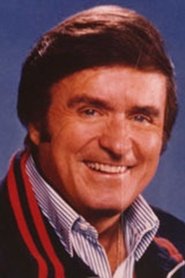 Mike DouglasThe Governor
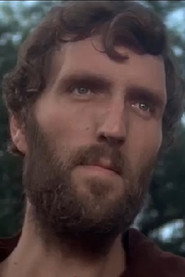 William EngesserBones
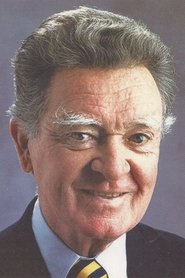 John SteadmanNed McKlusky
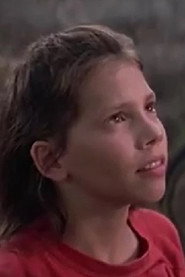 Lori FutchSuzie McKlusky
 Stephanie BurchfieldYoung Girl
Directing
- Edward TeetsAssistant Director
- Burt ReynoldsDirector
- Hal NeedhamSecond Unit Director
Writing
- William W. NortonWriter
Production
- Ross BrownCasting
- Arthur GardnerProducer
- Jules V. LevyProducer
- James BestProduction Assistant
- Mel DellarProduction Manager