
Film
The Big Easy
A New Orleans cop investigates a mobster's murder, only to uncover corruption within his own department. The Big Easy is a glossy 80s thriller that trades hard cynicism for style and sensuality, drowning you in atmosphere while its hero navigates competing loyalties. It's for people who want their crime dramas warm and lived-in rather than bleak.
If you liked this
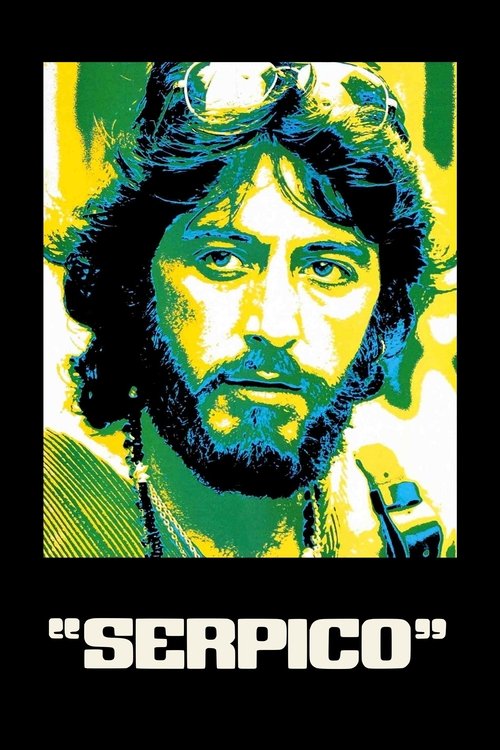
Serpico1973
Al Pacino as an honest cop fighting institutional corruption in the NYPD. Rawer and more righteous than The Big Easy, it hits harder because it believes in something.
But Seventies grit can feel punishing. There's no warmth here, and the momentum sags in places.
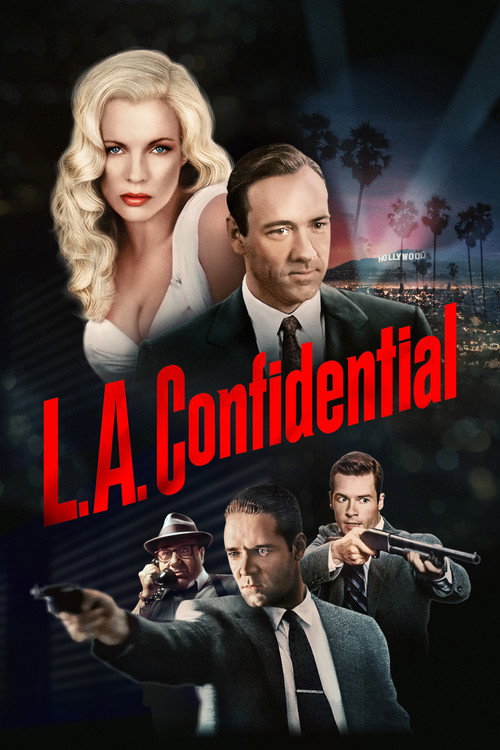
L.A. Confidential1997
Two detectives navigate 1950s LA corruption and betrayal with style. It's got that same noir confidence and moral murk, but tighter plotting and sharper dialogue.
But Considerably darker and nastier than The Big Easy. Less seduction, more brutality.
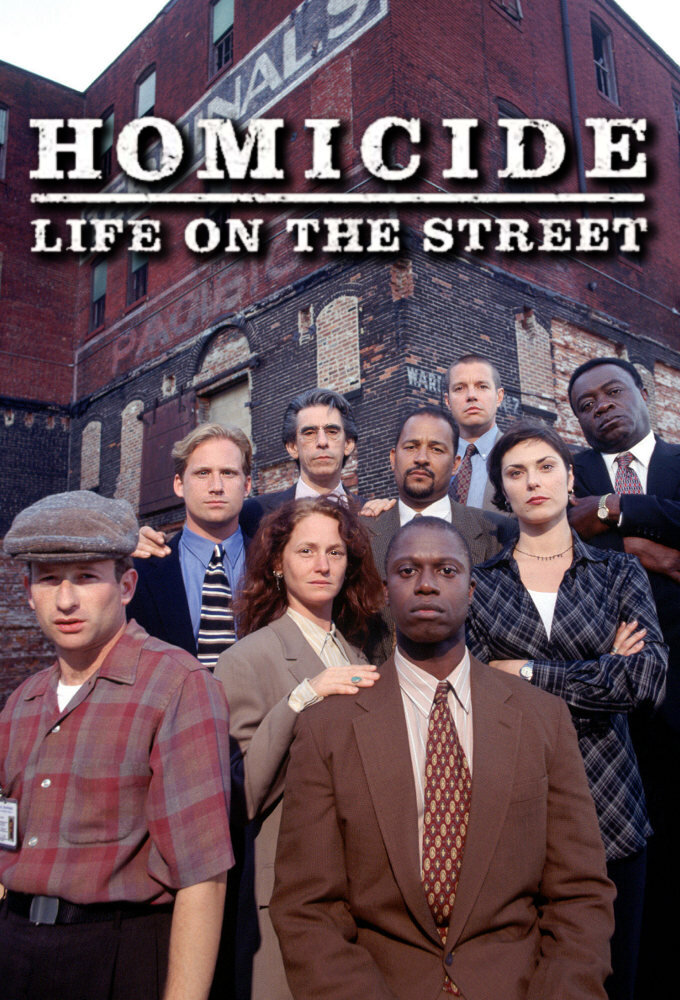
Homicide: Life on the Street1993
A Baltimore homicide unit hunts killers while battling indifference and bureaucracy. Wiser, funnier, and infinitely more humane than most cop shows, with a real sense of place.
But Slow-burn character work. If you're after plot momentum, you'll get restless.
Not sure tonight? Get a pick in a minute, starting from The Big Easy
The wildcard
Something you would not have found on your own.
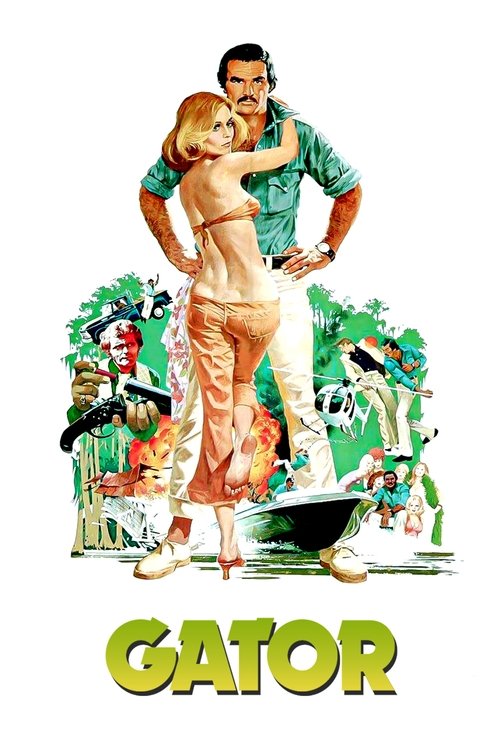
Gator1976
Both films use the American South as more than location—it's a character defined by charm, corruption, and code. Both trust atmosphere over exposition.
Burt Reynolds directs and stars as a small-time crook pulled into working with the Feds against his ex-partner. A southern crime caper with Reynolds' easy charm and real stunt work.
But Feels like a TV movie elevated by charisma. The plot is thin and the politics are dated.
More like this (8)
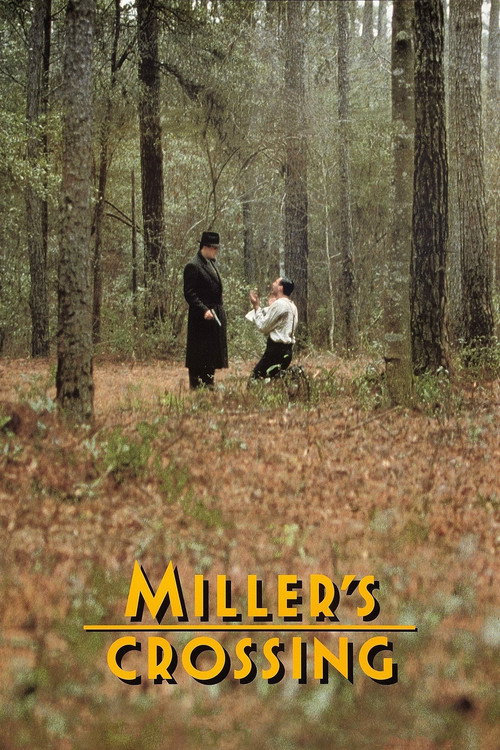
Miller's Crossing1990
The Coen Brothers' Prohibition gangster film is all style, wit, and doublecross. Every frame is gorgeous and every line sings—a pure cinema experience.
But Deliberately artificial and theatrical. The plot matters less than how it looks and sounds.
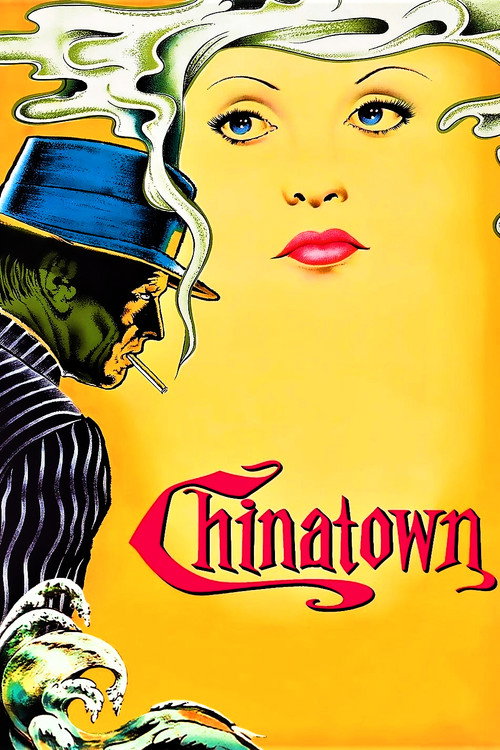
Chinatown1974
Jack Nicholson uncovers a conspiracy while LA corrupts him step by step. The definitive corruption noir: elegant, tragic, and perfectly constructed.
But Bleak to its core, and a sexual assault scene lands very hard. Not a comfort watch.
The Killing1956
Kubrick's racetrack heist weaves multiple timelines and perspectives into one tight knot. Innovation in every frame, and it crackles with invention.
But Post-war hardboiled tone. The women are handled poorly by modern standards, and it's been much imitated since.

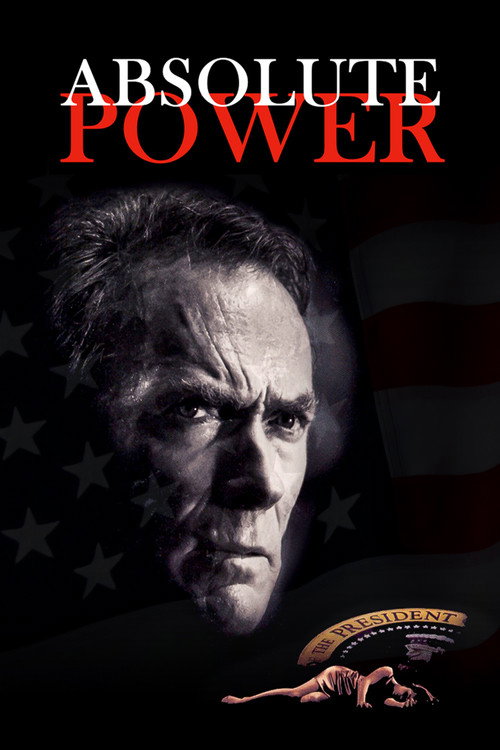
Absolute Power1997
Clint Eastwood directs and stars as a thief caught witnessing a presidential crime. A solid political thriller with Eastwood's gruff authority and genuine suspense.
But Clint Eastwood doing Clint Eastwood. If that's not your thing, it won't convert you.
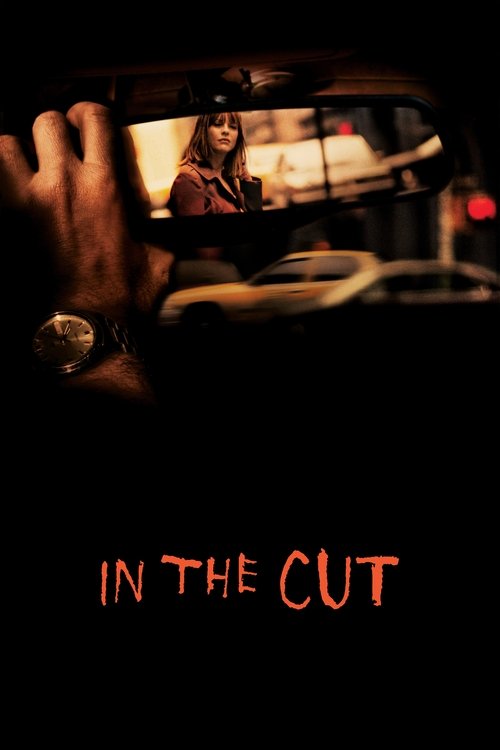
In the Cut2003
Jane Campion's moody, sensual thriller about a woman caught between desire and suspicion in post-9/11 New York. Weird and hypnotic in ways mainstream thrillers avoid.
But Deliberately fractured and ambiguous. Some find it indulgent; others find it transcendent. It's not designed to satisfy everyone.
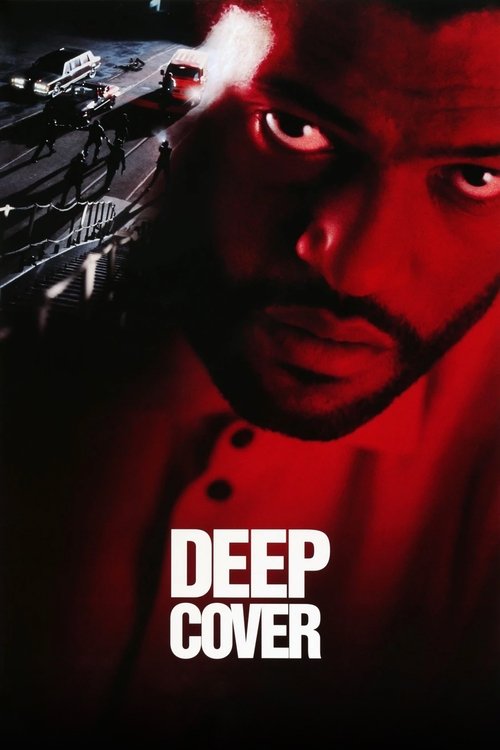
Deep Cover1992
Laurence Fishburne as an undercover cop losing himself in the drug trade. A smart, atmospheric look at how infiltration corrodes your sense of self.
But Uneven pacing and a script that occasionally reaches beyond its grasp. Strong ideas don't always land.
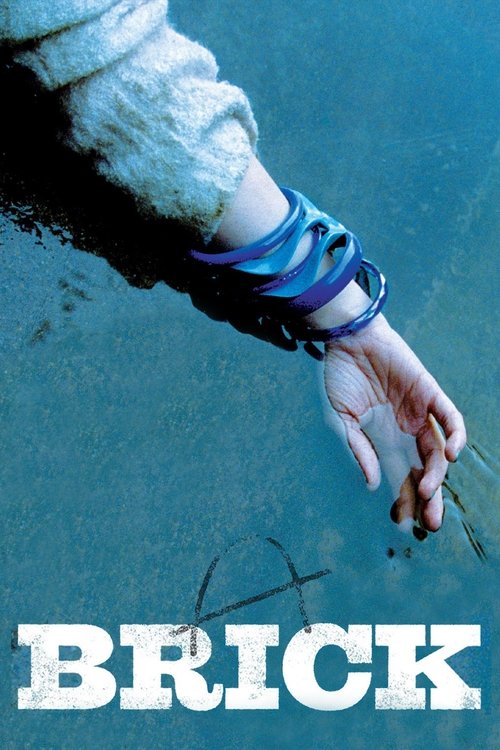
Brick2006
Both use genre grammar (the corrupt cop, the femme fatale, the labyrinthine investigation) to examine how loyalty and betrayal work in a specific world. The rules of that world matter more than realism.
Rian Johnson's high school noir: a student detective investigates his ex's murder in suburban California, speaking in hard-boiled argot. Visually inventive and genuinely surprising.
But The conceit is willfully artificial. If you hate the idea of teenagers in a film noir, this will annoy you immediately.
Harakiri1962
Both trace how institutional corruption destroys individuals trying to navigate it with integrity. Both examine loyalty to a system that doesn't deserve it. The Big Easy is sun-drenched and seductive; Harakiri is stern and merciless—but they're asking the same questions about duty, complicity, and the cost of compromise.
Masaki Kobayashi's masterpiece about honor, corruption, and mortality in the samurai code. A man seeks redress for his son-in-law's death from a lord responsible for his suffering. Visually devastating.
But Long, formally austere, and deeply sad. Black and white, subtitled. Beautiful but not easy—it demands patience and absorbs grief.

People
Cast
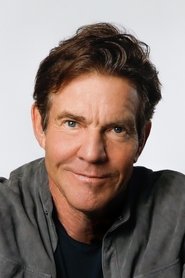 Dennis QuaidRemy McSwain
 Ellen BarkinAnne Osborne
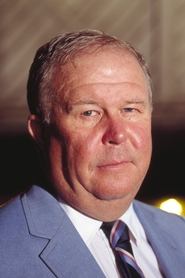 Ned BeattyJack Kellom
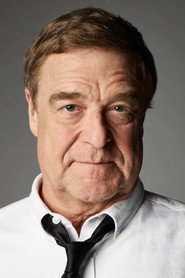 John GoodmanAndre DeSoto
 Lisa Jane PerskyMcCabe
 Ebbe Roe SmithEd Dodge
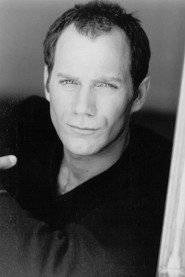 Tom O'BrienBobby McSwain
- Charles LudlamLamar Parmentel
 Grace ZabriskieMama
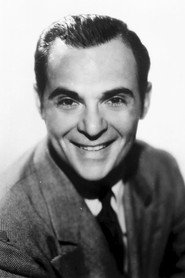 Marc LawrenceVinnie 'The Cannon' DiMotti
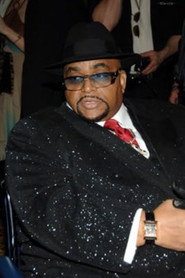 Solomon BurkeDaddy Mention
 Gailard SartainChef Paul
Directing
- Jim McBrideDirector
- Benita BrazierScript Supervisor
Writing
- Daniel Petrie Jr.Screenplay
Production
- Bob JohnstonAssistant Location Manager
- Jack BaranAssociate Producer
- Tony TagliereAssociate Producer
- David RubinCasting
- Wilma FrancisCasting
- Mort EngelbergExecutive Producer
- Edwin 'Itsi' AtkinsLocation Manager
- Stephen J. FriedmanProducer
- Kool MarderProduction Coordinator
- John C. BroderickUnit Production Manager