
Film
The American Friend
Wim Wenders' 1977 adaptation of Patricia Highsmith's Ripley novel is a languid, morally murky thriller about manipulation and desperation. Dennis Hopper's con artist sets a dying frame-maker up for murder. It's glacial and atmospheric—less about plot mechanics than the slow corrosion of conscience. For viewers patient with mood over momentum.
Should you watch it?
Watch it if you love slow-burning crime stories where moral unease matters more than the plot, and you enjoy Wim Wenders' drifting, painterly frames that let a silence sit until it means something.
Skip it if you need the thriller to keep its foot on the accelerator, since long stretches of quiet European streets and loose, meandering scenes can feel like the film has forgotten its own premise.
What it asks of you: Settle in for just over two hours at a deliberate pace, with long takes, sparse dialogue, and a chilly, rain-washed tone that rewards patience more than tension.
Not sure? Find tonight's pick in a minute.
If you liked this
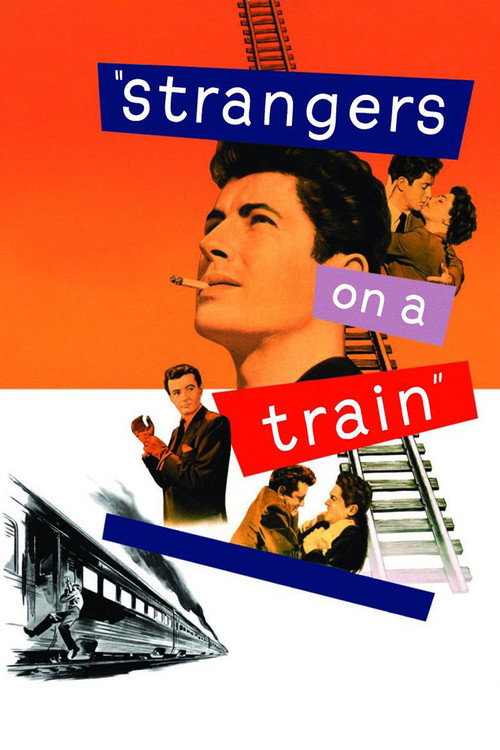
Strangers on a Train1951
Hitchcock's template for the casual murder proposition. Two strangers, one fateful conversation. Taut, brilliantly constructed, and endlessly influential. The DNA of every psychological thriller that followed.
But Black-and-white and measured by modern standards. Some will find it stately rather than gripping.
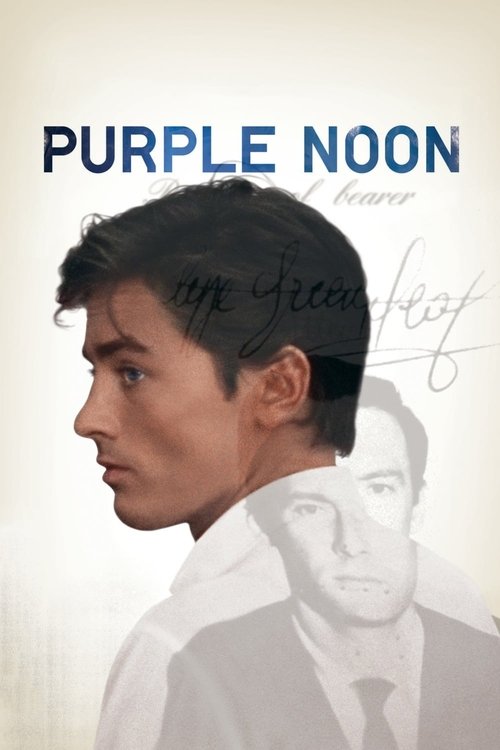
Purple Noon1960
René Clément's earlier Ripley adaptation, also based on Highsmith. Alain Delon is seductive and dangerous. More conventionally thrilling than Wenders, with sun-drenched Mediterranean beauty masking cruelty.
But Italian-French production with occasional dubbing. The pacing is deliberate; nothing here rushes.
In the Mood for Love2000
Wong Kar-wai's meditation on desire, restraint, and the spaces between people. Visually intoxicating. Like The American Friend, it finds tragedy in what remains unspoken and the weight of attraction.
But Extremely slow, deliberately artificial cinematography, and minimal plot. Pure mood and color over narrative drive.

Not sure tonight? Get a pick in a minute, starting from The American Friend
The wildcard
Something you would not have found on your own.
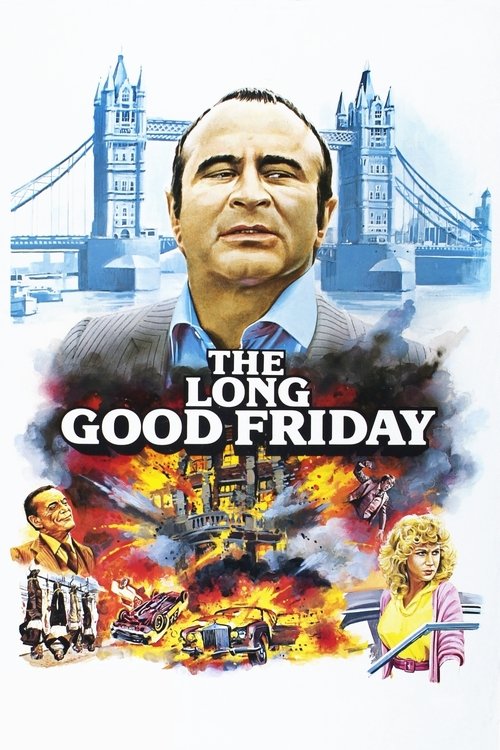
The Long Good Friday1980
Both are European thrillers about men with power discovering they've lost control. Both hinge on a casual decision that spirals into ruin. Both use moral ambiguity instead of heroes.
John Mackenzie's British crime film with Bob Hoskins as a mob boss in a single night of reckoning. Tense, darkly funny, visceral. A masterclass in how much narrative weight a film can carry in 114 minutes.
But Violently English in sensibility and thick in accent. The IRA subplot may confuse modern viewers unfamiliar with 1980s British politics.
More like this (8)
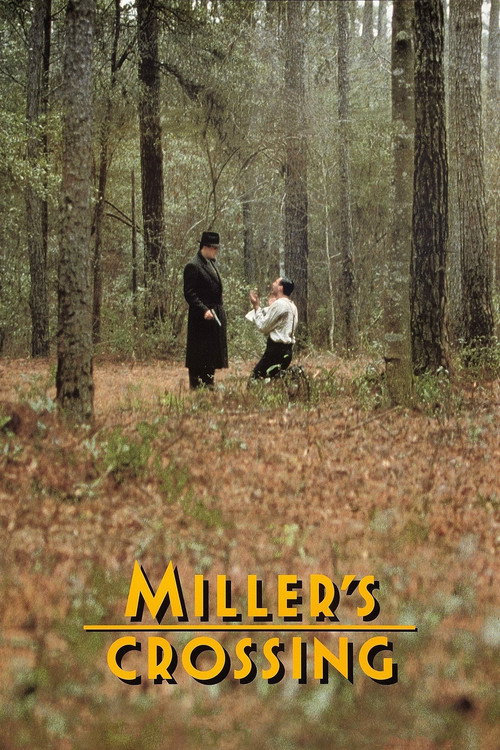
Miller's Crossing1990
Coen Brothers crime film with layered moral ambiguity and baroque dialogue. Con men, criminals, and betrayal wrapped in darkly funny intelligence. Sharp where The American Friend is soft.
But Convoluted plot requires attention. The stylization can feel cold and the humor won't land for everyone.
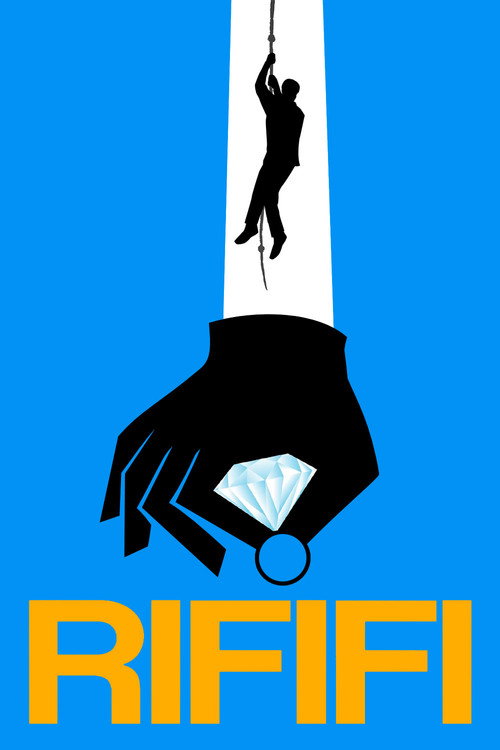
Rififi1955
Jules Dassin's heist masterpiece about honor among thieves and the price of betrayal. Famous for a dialogue-free sequence. Lean, elegant, morally complex in ways that echo through crime cinema.
But 1950s French noir sensibility. Some may find the pacing antique and the gender dynamics dated.
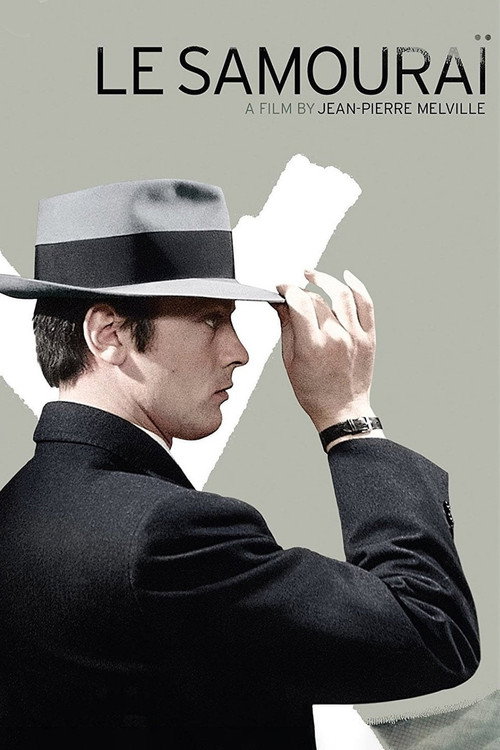
Le Samouraï1967
Melville's ice-cold hitman meditation. Alain Delon in near-silence, executing a job with mechanical precision. Influences everyone from Michael Mann to Drive. Minimalist, hypnotic, gorgeous.
But Virtually no dialogue and a plot that barely moves. The appeal is in atmosphere and image, not story momentum.
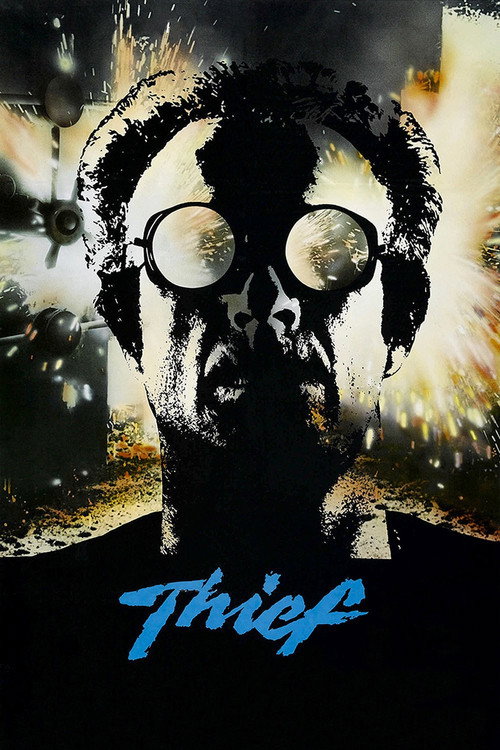
Thief1981
Michael Mann's debut about a master burglar trying to go straight. Tangerine Dream score, neon-lit Chicago, moral compromise. Similar DNA to The American Friend: skilled men in over their heads.
But James Caan's performance is deliberately muted. Some find it dated; others find the 80s synth score more distraction than enhancement.
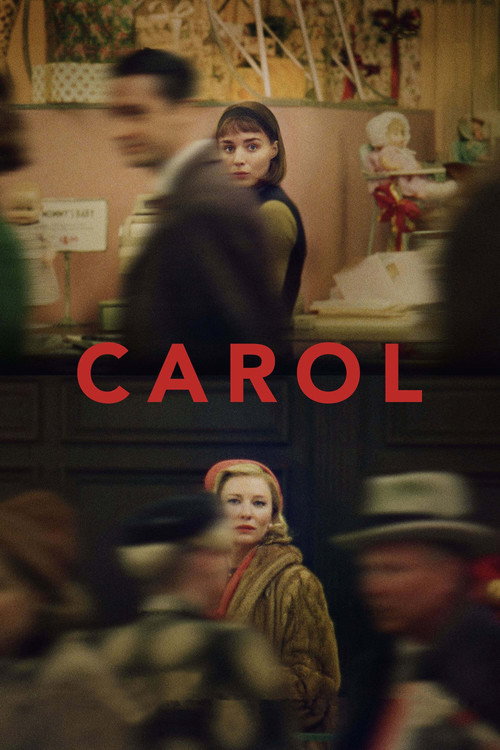
Carol2015
Todd Haynes film about desire and social constraint in 1950s America. Two women, an impossible situation, visual precision. Like Wenders, it finds eroticism in glances and yearning in what cannot be said.
But The pacing is glacial and deliberately restrained. The emotional payoff is quiet, not cathartic. Some will find it frustratingly passive.
A Prophet2009
Jacques Audiard's prison thriller about a young man's corruption and rise. Brutal and gripping. Explores how circumstances force ordinary people into extraordinary crimes, much like The American Friend's coercion of Zimmerman.
But Violence is graphic and the atmosphere relentlessly grim. The French prison setting and slang may alienate some viewers. Bleak without much levity.

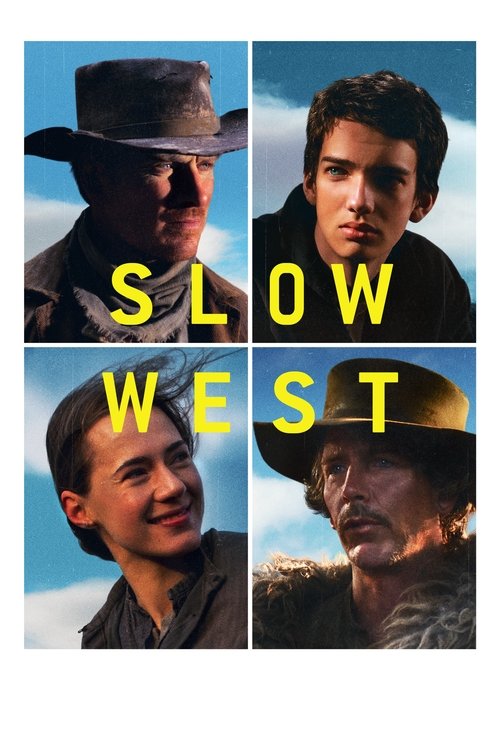
Slow West2015
Both films use a journey to slowly reveal that the guide is actually the threat. Both find beauty in betrayal and refuse to judge their morally compromised characters. Both are structured around the corruption of an innocent through proximity to a superior man.
John Maclean's revisionist western with Michael Fassbender. A young man travels across violent terrain guided by a man with hidden motives. Spare, elegiac, shot in widescreen stillness. Morally uncertain and visually stunning.
But It's a western that avoids western catharsis. Quiet and meditative when you might expect gunfire. The ending offers no redemption. Viewers seeking action or justice will be disappointed.
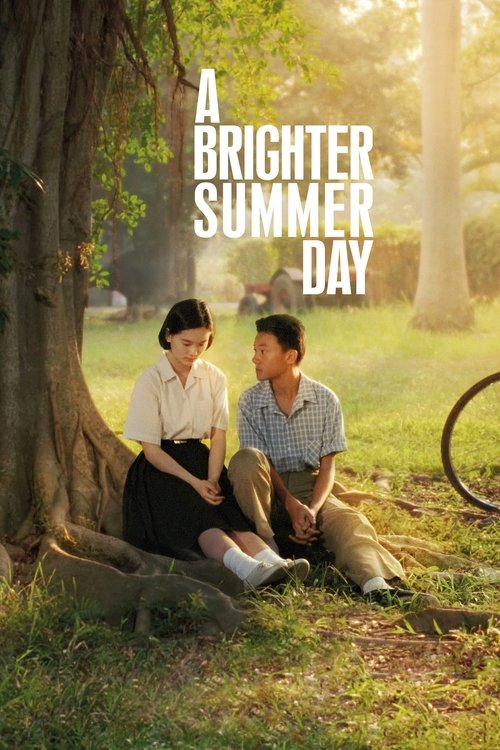
A Brighter Summer Day1991
Both films refuse to make their protagonists sympathetic or unsympathetic. Both show how circumstances, charm, and proximity to violence gradually normalize murder. Both locate tragedy in the erosion of a person's better nature through small compromises. Both are master classes in moral ambiguity presented without judgment.
Edward Yang's four-hour Taiwanese epic about teenage gangs, first love, and violence. Shot in widescreen black-and-white. Hypnotic, precise, devastating. One of cinema's great moral investigations into how ordinary kids become criminals.
But Four hours long. In Mandarin with subtitles. Deliberately paced and emotionally distant despite its power. The ending is sudden and offers no closure. Demands patience and rewards it slowly.
People
Cast
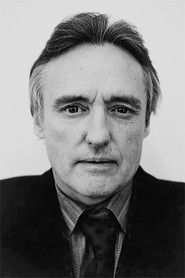 Dennis HopperTom Ripley
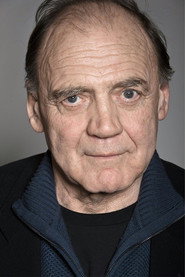 Bruno GanzJonathan Zimmermann
 Lisa KreuzerMarianne Zimmermann
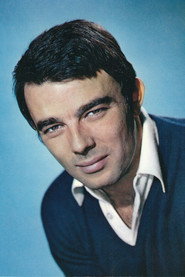 Gérard BlainRaoul Minot
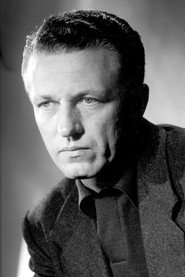 Nicholas RayAndrew Pogash Derwatt
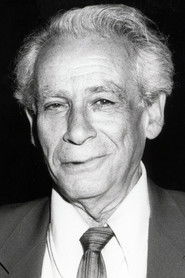 Samuel FullerThe American
 Peter LilienthalMarcangelo
- Daniel SchmidSamuel Igraham
 Sandy WhitelawDoctor in Paris
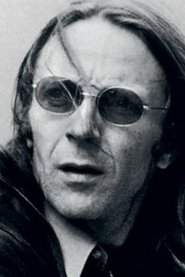 Jean EustacheFriendly Man
 Lou CastelRodolphe
- Andreas DedeckeDaniel Zimmermann
Directing
- Emmanuel ClotAssistant Director
- Fritz Müller-ScherzAssistant Director
- Wim WendersDirector
- Philippe SchwartzFirst Assistant Director
- Gretl ZeilingerScript Supervisor
Writing
- Patricia HighsmithNovel
- Wim WendersScreenplay
Production
- Claude BertonazziAdministration
- Renée GundelachExecutive Producer
- Margaret MénégozLine Producer
- Heinz BadewitzLocation Manager
- Pat KirckLocation Manager
- Philippe SchwartzLocation Manager
- Joachim von MengershausenProducer
- Wim WendersProducer
- Harald VogelProduction Assistant
- Michael WiedemannProduction Manager
- Pierre CottrellProduction Manager
- Harald KüglerUnit Manager
Recommended by
Branded to Kill, Purple Noon, To Live and Die in L.A., The Passenger, Loving Highsmith, Lovesong, The Story of Woo Viet, One from the Heart