
Film
Mystery Train
Jim Jarmusch's love letter to Memphis plays out as three barely-touching stories in one hotel on one night: a Japanese couple on a rockabilly pilgrimage, a stranded Italian widow, and three drunk Englishmen fumbling toward a shooting. Deadpan, gorgeous, and funny in a way that never raises its voice, it's less about plot than mood—jukebox ghosts, empty streets, and the strange dignity of tourists chasing a myth.
If you liked this
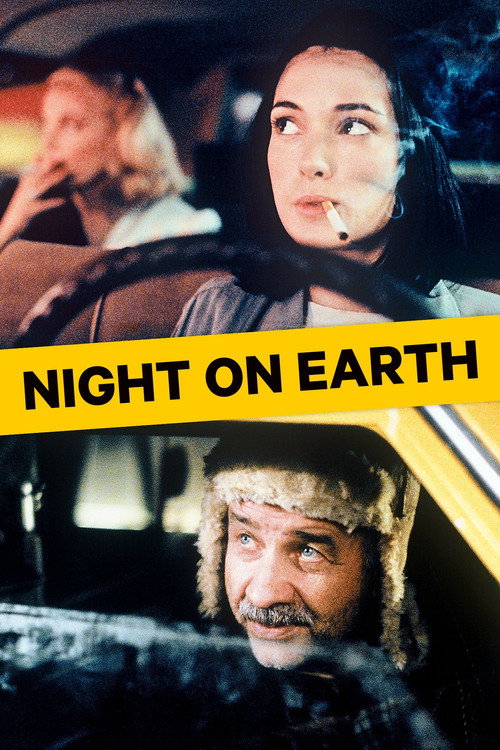
Night on Earth1991
Jarmusch again, but wider: five taxi rides in five cities on the same night, each one its own tiny universe of strangers, silence, and sudden intimacy.
But The five segments never truly connect, so it's more mood collage than the single-place cohesion Mystery Train has.
Four Rooms1995no page yet
Another single night, another hotel, another anthology of misfits colliding room to room—Tarantino, Rodriguez and friends turning the same idea broader, brasher, and much sillier.
But Quality swings wildly segment to segment, and the slapstick tone lands far from Jarmusch's cool control.
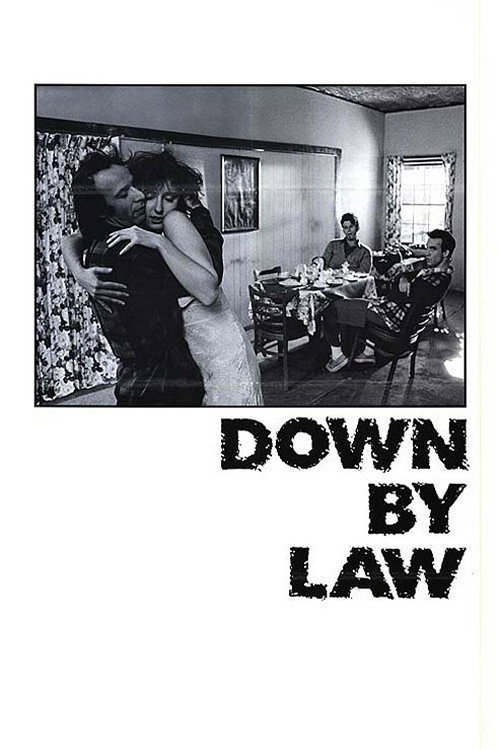
Down by Law1986
Jarmusch's earlier film puts three mismatched drifters together after a jailbreak through Louisiana swampland—same dry humor, same love of dead air and men going nowhere in particular.
But There's barely a plot to speak of; patience for aimlessness is the entire price of admission.
The wildcard
Something you would not have found on your own.
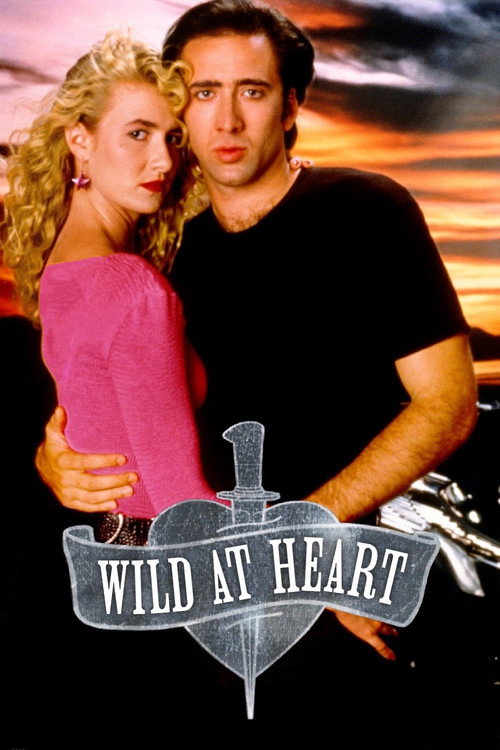
Wild at Heart1990
Both are Americana road movies built around Elvis as a kind of American holy ghost—Jarmusch treats him with deadpan reverence, Lynch treats him as a license for chaos.
David Lynch's Elvis-obsessed road movie shares Mystery Train's rockabilly fixation but cranks it into a lurid, violent, snakeskin-jacketed romance—the same myth, played at full, sweaty volume.
But It's garish, horny and violent where Mystery Train is dry and still—not everyone wants their Elvis worship this feral.
More like this (8)
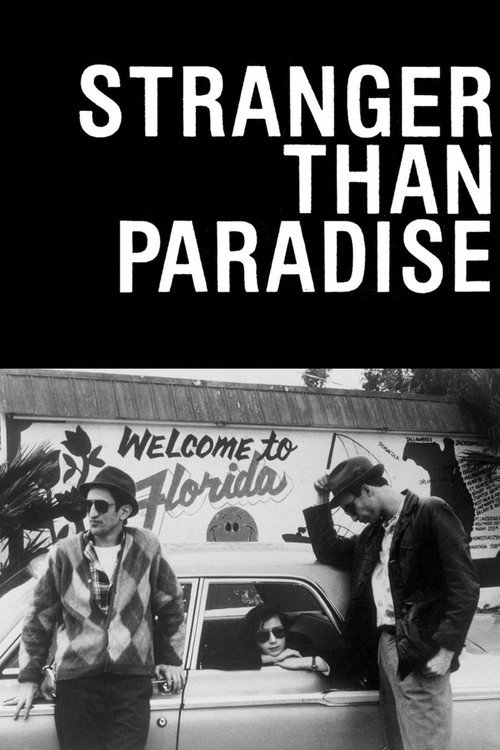
Stranger Than Paradise1984
The film that invented Jarmusch's vocabulary—static shots, dry pauses, and aimless drifters wandering unglamorous America in stark black and white, years before Mystery Train refined it.
But Even slower and sparer than Mystery Train, almost nothing happens at all, and it happens entirely on purpose.
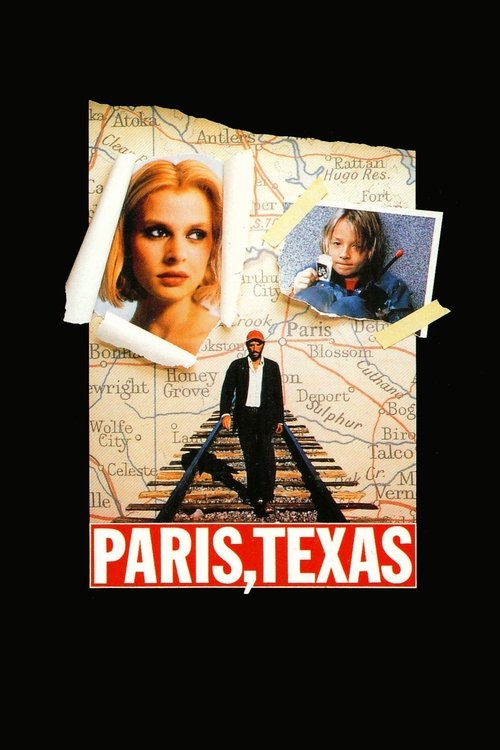
Paris, Texas1984
Wim Wenders' widescreen ode to American landscape and music follows a broken man wandering home—the same reverence for Americana as myth, ruin, and lonesome neon.
But It's earnest and aching where Mystery Train stays wry and detached—expect tears rather than knowing smirks this time.
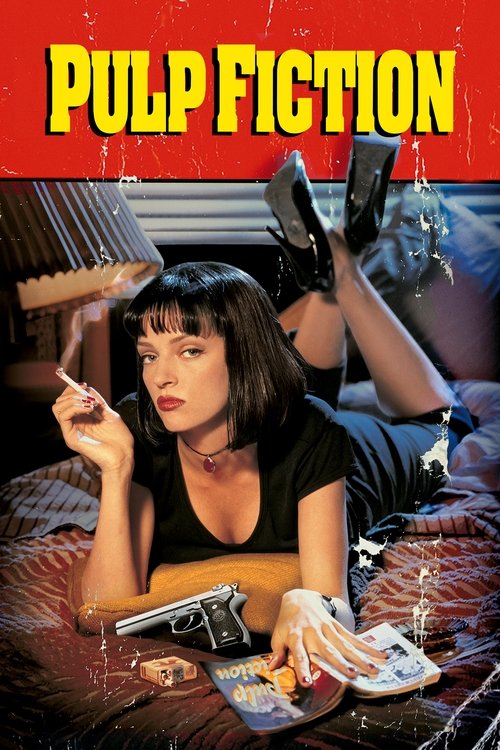
Pulp Fiction1994
Three stories share a city and a timeline without quite meeting head-on, delivering the same puzzle-box pleasure of watching separate threads almost, but not quite, collide.
But Far more violent, profane and showy—Tarantino's volume knob is cranked well past Jarmusch's low, cool hum.
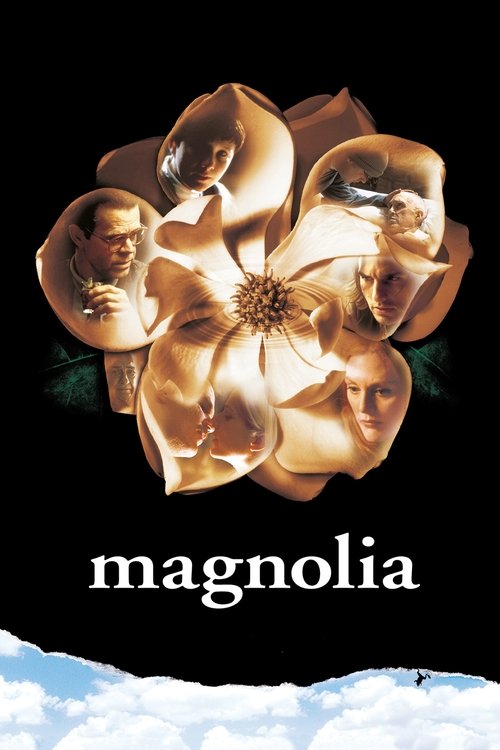
Magnolia1999
A sprawling ensemble whose lives intersect across one long day and night in a single city, bound together by coincidence, loneliness, and a shared need to confess.
But Three hours of raw emotional excess—Jarmusch's cool detachment is nowhere in sight, and it wants your tears, loudly.
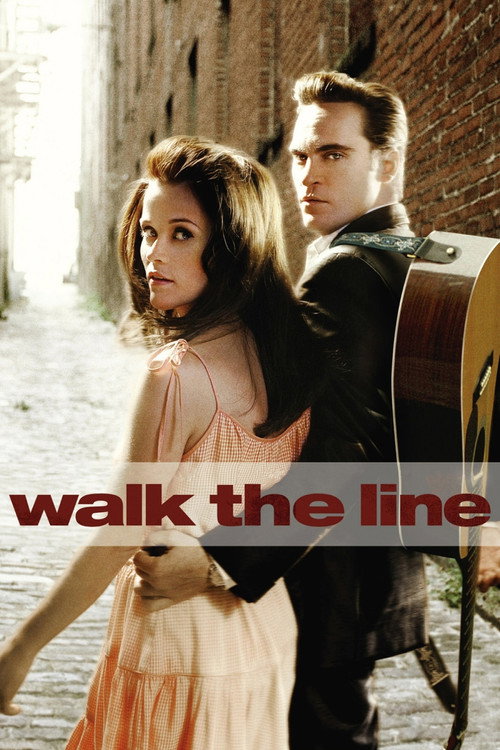
Walk the Line2005
Traces the Sun Records Memphis scene that Mystery Train's Japanese tourists worship, with Joaquin Phoenix and Reese Witherspoon vivid as Cash and Carter falling in love on tour.
But A conventional, well-crafted biopic—warm, moving, crowd-pleasing, and nothing at all like Jarmusch's oddball, ironic distance.
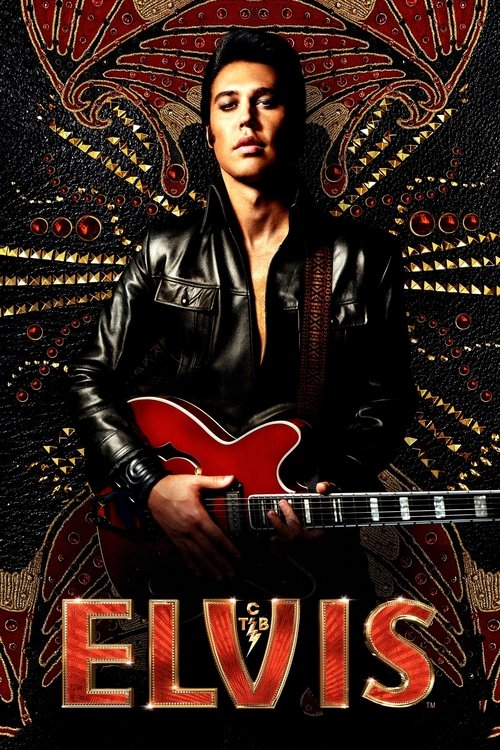
Elvis2022
Baz Luhrmann's hyperactive telling of the Memphis legend haunting every character in Mystery Train, for anyone who wants the myth blasted at full volume instead of sideways.
But It's the tonal opposite—frantic editing, maximalist spectacle, and zero patience for the stillness Jarmusch trades in.
Linda Linda Linda2005no page yet
Same fixation—young people using rock music to imagine a bigger life—seen from the other side of the ocean, in Japanese, played for warmth instead of deadpan wit.
A gentle, funny Japanese teen-band comedy about the same rock'n'roll longing Mitsuko carries—four schoolgirls chasing a song's meaning instead of just its sound, warm where Jarmusch stays cool.
But It's slight and sweet-natured, with none of Mystery Train's irony or menace—a coming-of-age film, not a mood piece.
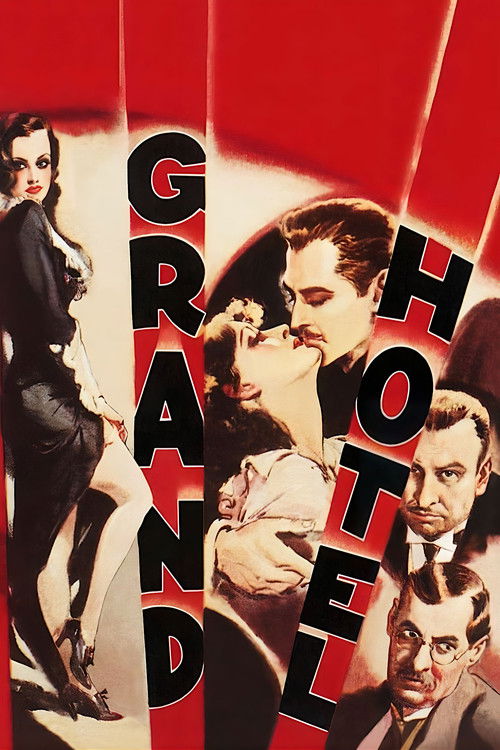
Grand Hotel1932
Jarmusch's hotel-anthology structure has an unlikely ancestor here: strangers' lives grazing each other under one roof, over one stretch of time, before drifting apart again.
The granddaddy of hotel-ensemble storytelling: Garbo, Barrymore and a cast of strangers whose lives cross in one Berlin hotel over a few days, glamorous where Jarmusch is scruffy.
But It's old Hollywood melodrama through and through—stagey, sentimental, and entirely unironic about its own glamour.
People
Cast
 Youki KudohMitsuko
 Screamin' Jay HawkinsNight Clerk
 Cinqué LeeBellboy
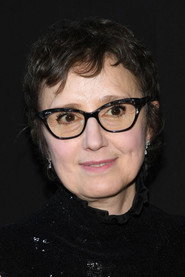 Nicoletta BraschiLuisa
 Elizabeth BraccoDee Dee
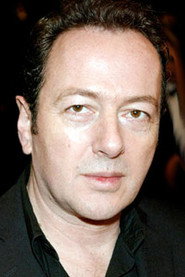 Joe StrummerJohnny
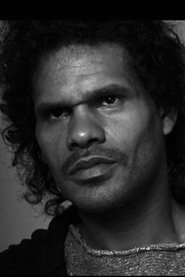 Rick AvilesWill Robinson
 Steve BuscemiCharlie
 Tom NoonanMan in Diner
- Rufus ThomasMan in Station
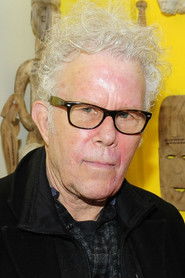 Tom WaitsRadio DJ (voice)
Directing
- Jim JarmuschDirector
- Eric HeffronFirst Assistant Director
- Elisabeth MylesScript Supervisor
- Lisa KruegerScript Supervisor
- Constance L. HoySecond Assistant Director
Writing
- Jim JarmuschWriter
Production
- Donna HesterAssistant Location Manager
- Jan WalkerAssistant Location Manager
- Beth BernsteinAssistant Production Manager
- Demetra J. MacBrideAssociate Producer
- Kohta YamadaCasting
- Noriko MuraoCasting
- Novella SmithCasting
- Hideaki SudaExecutive Producer
- Kunijiro HirataExecutive Producer
- Todd PfeifferKey Set Production Assistant
- Rudd SimmonsLine Producer
- Novella SmithLocal Casting
- Michael BerryLocation Manager
- Jim StarkProducer
- Molly BradfordProducer's Assistant
- Anna RoomeProduction Assistant
- Jamaine BellProduction Assistant
- Jeff TaylorProduction Assistant
- Noël WigginsProduction Assistant
- Paul SnowProduction Assistant
- Peggy CravenProduction Assistant
- Sherman WillmotProduction Assistant
- Tina KleinProduction Assistant
- Georgia KacandesProduction Coordinator
- Kathie HerschProduction Manager
- Kerry SherinProduction Office Coordinator