
Film
Pulp Fiction
Tarantino's second film rearranged the crime genre by rearranging time itself — hitmen debate foot massages, a boxer refuses to throw a fight, a needle finds a heart. It's violent, endlessly quotable, structurally sly, and funnier than it has any right to be. Watch it for the dialogue as much as the plot; it rewards people who like their pulp with brains attached.
If you liked this
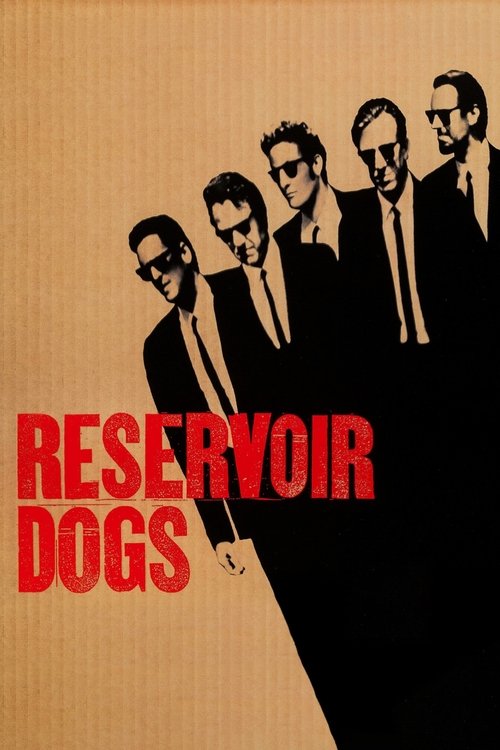
Reservoir Dogs1992
Tarantino's debut is the raw, low-budget blueprint — one warehouse, one botched heist, the same nonlinear structure and the same love of men talking themselves into corners before the violence arrives.
But Meaner and more claustrophobic, with none of Pulp Fiction's wider canvas or dark comic relief.
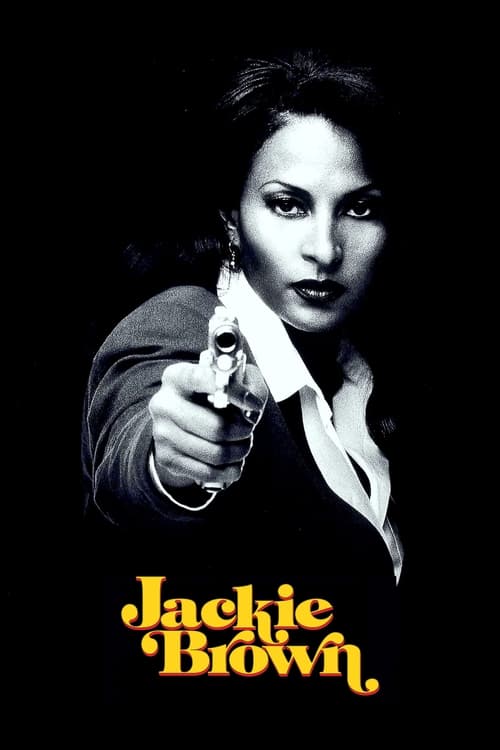
Jackie Brown1997
Tarantino slows down and lets Pam Grier and Robert Forster carry a cooler, more grown-up con job. Same ear for dialogue, less mayhem, more patience — arguably his most quietly confident film.
But Deliberately paced and low on the flashy violence people come to Tarantino for.
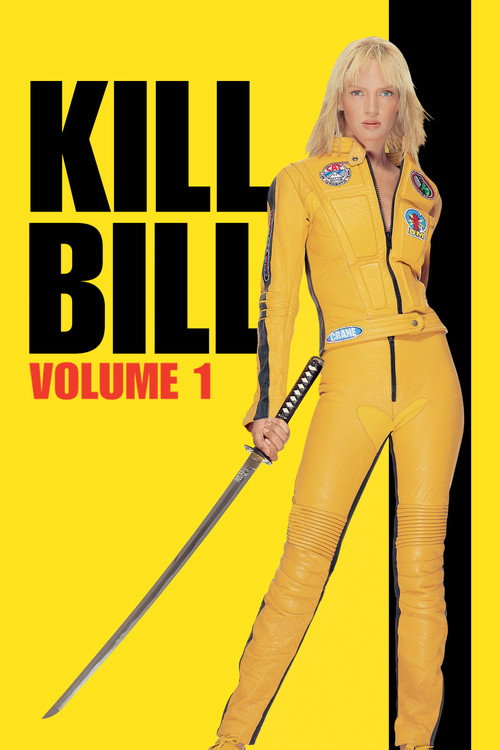
Kill Bill: Vol. 12003
Tarantino turns the dial from crime-comedy to full grindhouse revenge opera — the same magpie love of genre trash, chopped-up chronology, and needle-drop soundtrack, just soaked in more blood.
But Style-over-substance and unapologetically bloody; the plot is thin by design.
The wildcard
Something you would not have found on your own.
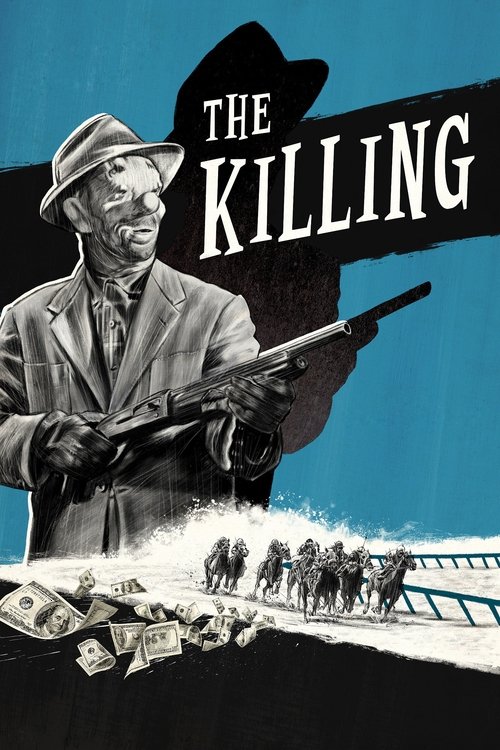
The Killing1956
Tarantino has cited this film directly; it's the primary source of Pulp Fiction's shuffled timeline, proving the trick is older than any of us think.
Kubrick's second feature is a racetrack heist told out of chronological order decades before it was fashionable — clipped, hardboiled dialogue, a doomed plan, and the same pleasure in watching a story reassemble itself.
But Black and white, 85 minutes, and a narrator who keeps announcing the time — its trickery is plainer than Tarantino's.
More like this (8)
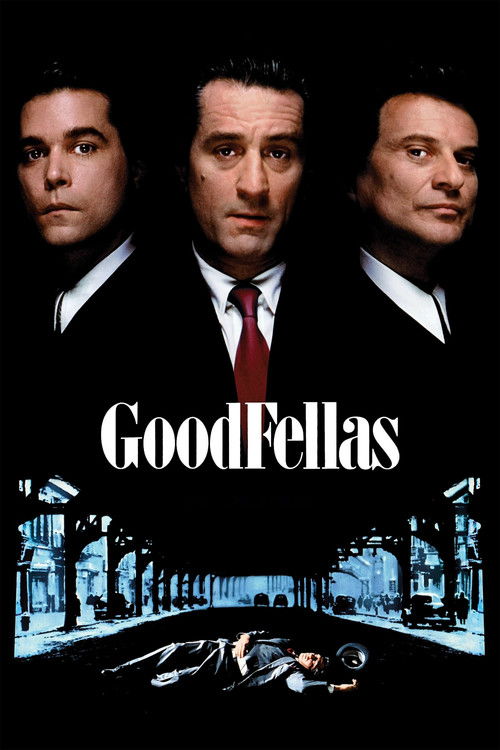
GoodFellas1990
The other essential nonlinear crime classic of the era — voiceover, needle-drops, sudden bursts of violence, and criminals who talk about their work with the same unnerving casualness.
But Straighter and more tragic; it's not going for laughs the way Pulp Fiction is.
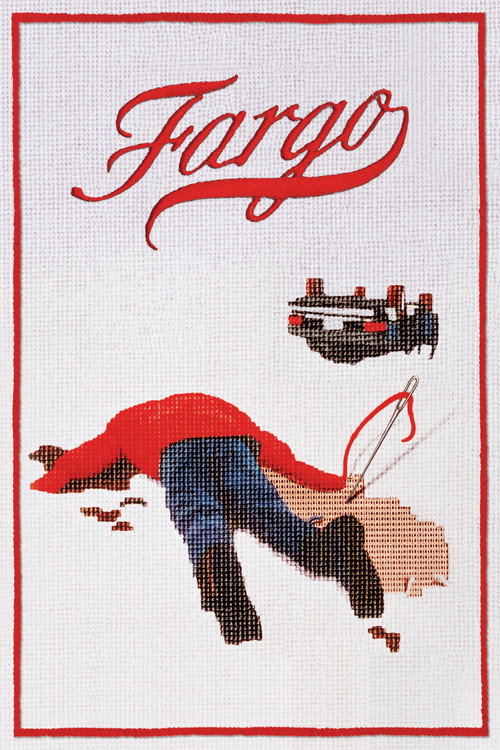
Fargo1996
The Coens' answer to pulpy crime with a dry comic streak — inept criminals, sudden brutal violence, and a script that finds the absurd in every conversation.
But Colder climate, flatter affect — the humour is deadpan Midwestern rather than LA cool.
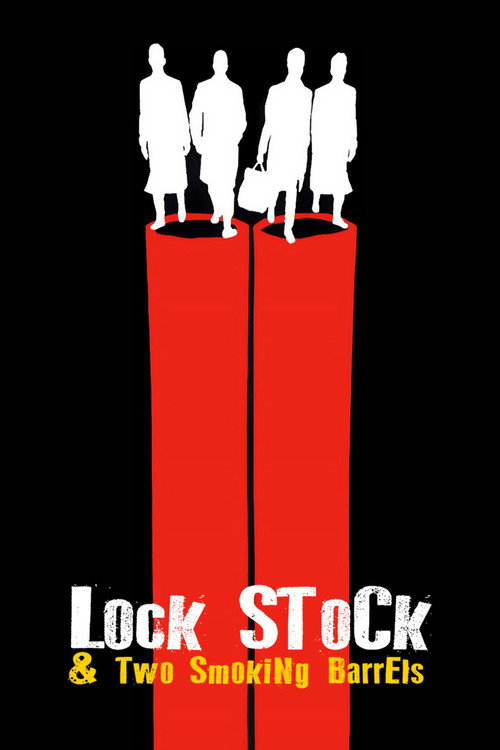
Lock, Stock and Two Smoking Barrels1998
Guy Ritchie's breakout does for London gangsters what Tarantino did for LA hitmen — interlocking stories, snappy dialogue, and criminals who are funnier than they are frightening.
But Thicker accents and faster editing can feel like a knockoff if you clock the influence too clearly.
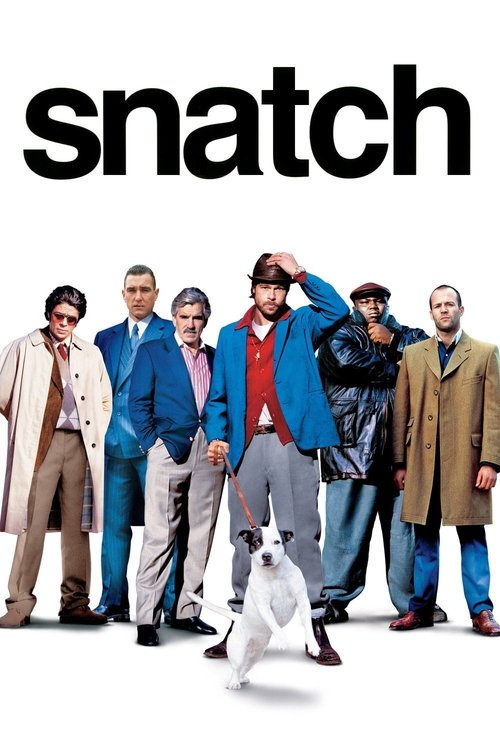
Snatch2000
More Ritchie, bigger cast, even more tangled plotlines converging on a stolen diamond — pure pleasure if you want the puzzle-box structure without the emotional weight.
But Style can overwhelm story; some find it a little too pleased with its own cleverness.
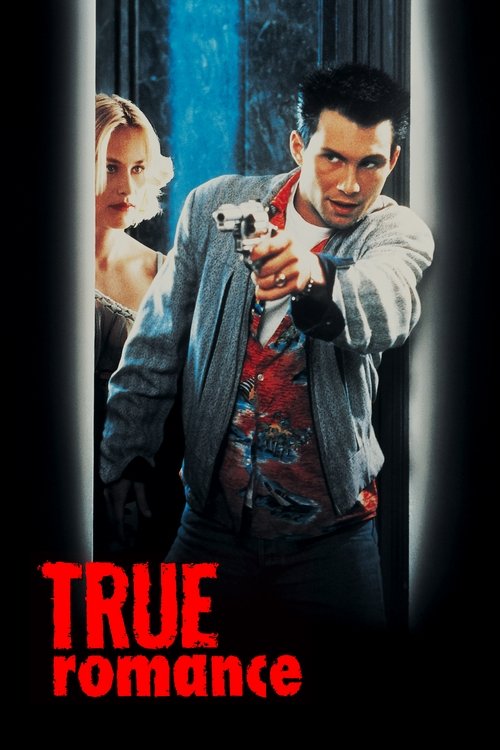
True Romance1993
Written by Tarantino, directed by Tony Scott — a lovers-on-the-run crime caper with the same pulpy dialogue and pop-culture obsessives, filtered through Scott's glossier, more romantic sensibility.
But Sweeter and more sentimental at its core than anything Tarantino directed himself.
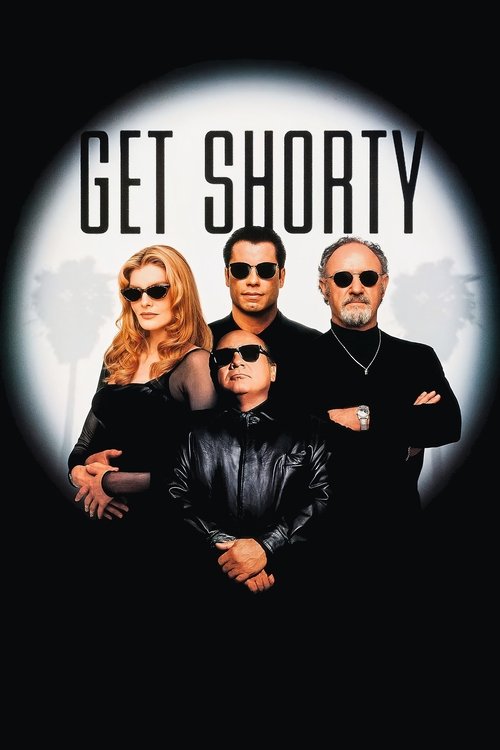
Get Shorty1995
An Elmore Leonard adaptation about a mobster who wants to make movies — sharp, funny, full of criminals talking shop with the same dry confidence Tarantino's characters do.
But Softer edges and a Hollywood satire angle that's a gentler joke than Pulp Fiction's.
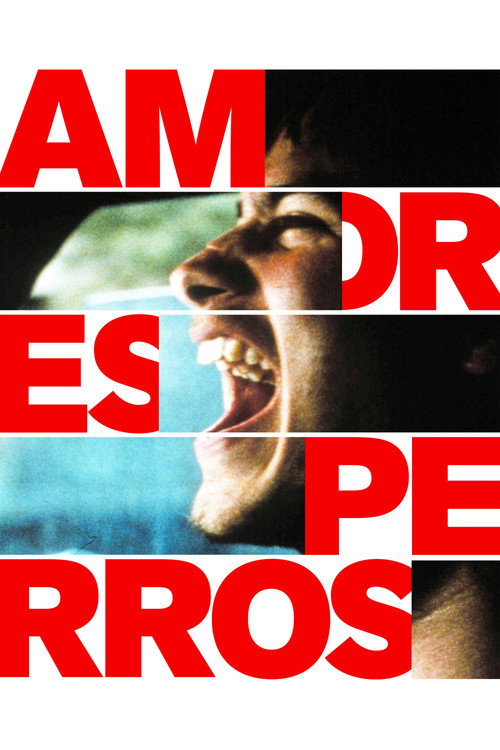
Amores Perros2000
Same structural DNA — separate stories orbiting one collision point — but stripped of jokes, showing what the format does when played for tragedy instead of comedy.
Three interlocking Mexico City stories, connected by a single car crash, told with the same triptych structure and pulpy energy — dogfighting, kidnapping, obsession — but played entirely straight.
But Subtitled and genuinely bleak in places; there's no wit to soften the violence here.
Coffy1973no page yet
This is the grindhouse well Tarantino drew from directly — he later cast Grier as the lead in Jackie Brown specifically because of it. Same pulp instincts, decades earlier, with none of the irony.
Pam Grier as a nurse turned one-woman vigilante against the drug trade that hooked her sister — funky score, righteous violence, deliriously pulpy dialogue, pure 70s blaxploitation swagger.
But Cheaply made and gleefully trashy, with acting and effects that were never trying to be prestige.
People
Cast
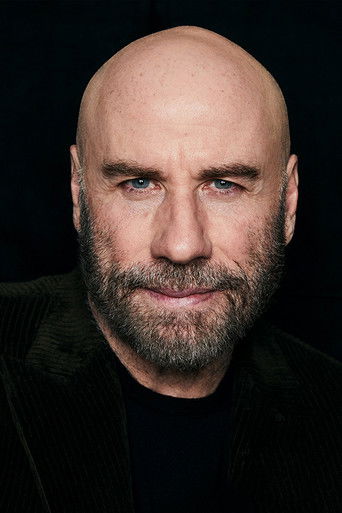 John TravoltaVincent Vega
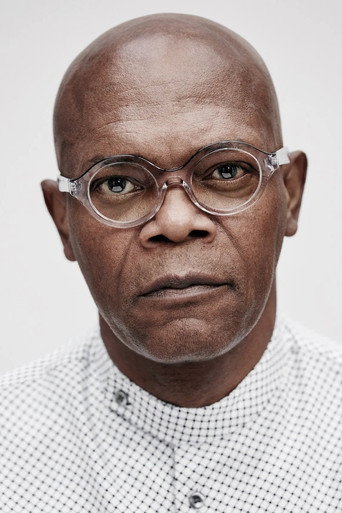 Samuel L. JacksonJules Winnfield
 Uma ThurmanMia Wallace
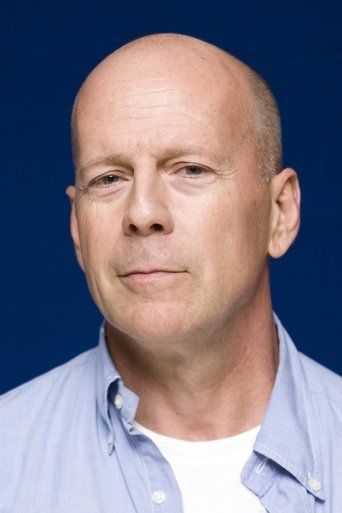 Bruce WillisButch Coolidge
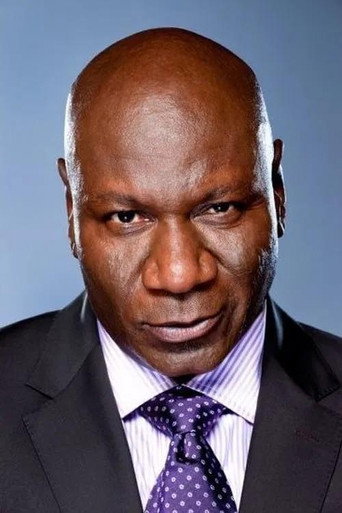 Ving RhamesMarsellus Wallace
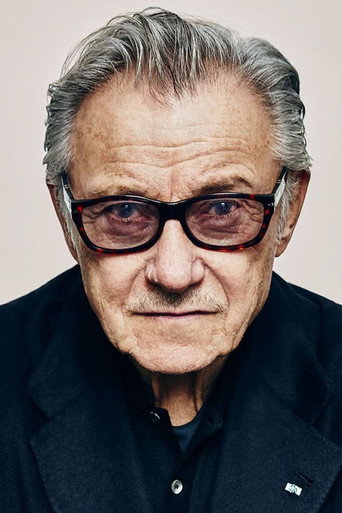 Harvey KeitelThe Wolf
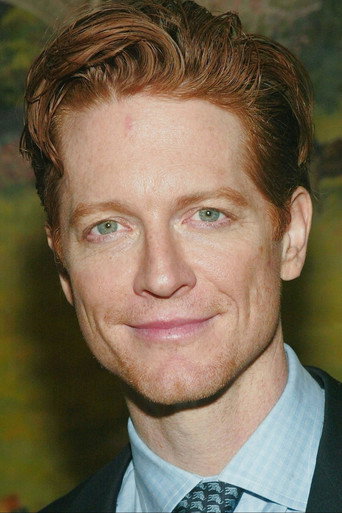 Eric StoltzLance
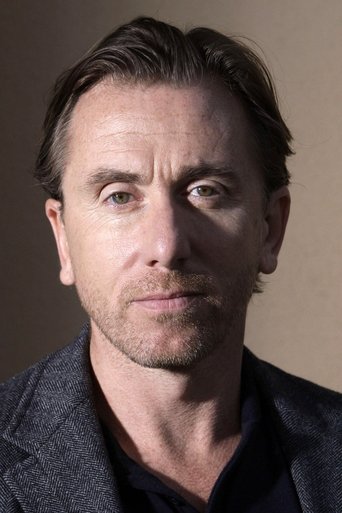 Tim RothPumpkin
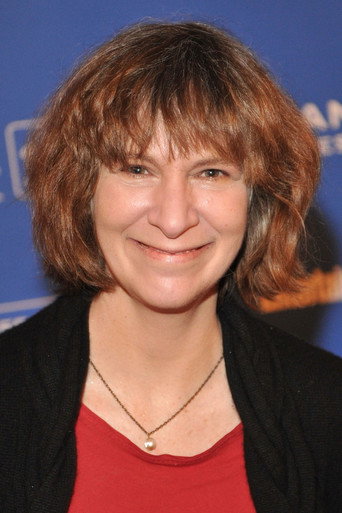 Amanda PlummerHoney Bunny
 Maria de MedeirosFabienne
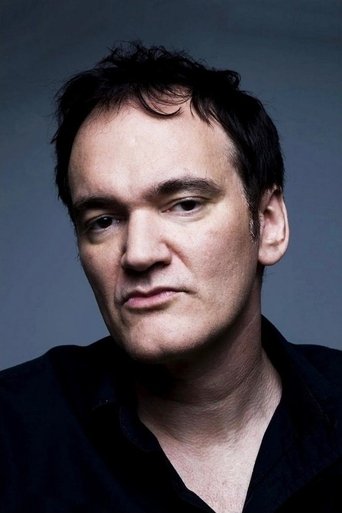 Quentin TarantinoJimmie Dimmick
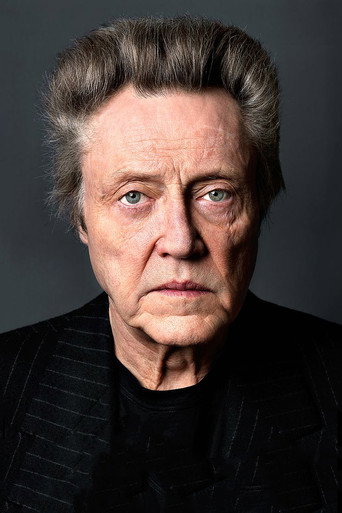 Christopher WalkenCaptain Koons
Directing
- Quentin TarantinoDirector
- Francis R. Mahony IIIFirst Assistant Director
- Martin KitrosserScript Supervisor
- Kelly KiernanSecond Assistant Director
- John W. Hyde Jr.Second Second Assistant Director
Writing
- Quentin TarantinoStory
- Roger AvaryStory
- Quentin TarantinoWriter
Production
- Barbara HarrisADR Voice Casting
- ZaneAssistant Accountant
- John A. JohnstonAssistant Location Manager
- Cheryl CainAssistant Production Coordinator
- Gary M. ZuckerbrodCasting
- Jeff OlanCasting
- Ronnie YeskelCasting
- Ruth LambertCasting Associate
- Bob WeinsteinCo-Executive Producer
- Harvey WeinsteinCo-Executive Producer
- Richard N. GladsteinCo-Executive Producer
- Danny DeVitoExecutive Producer
- Michael ShambergExecutive Producer
- Stacey SherExecutive Producer
- Haley SweetLocation Assistant
- Kara MazzolaPost Production Coordinator
- Lawrence BenderProducer
- Anna-Lisa NilssonProduction Coordinator
- Paul HellermanProduction Manager
- Bradley MorrisProduction Secretary
Recommended by
Snatch, Lock, Stock and Two Smoking Barrels, Trainspotting, Reservoir Dogs, City of God, True Romance, Django Unchained, Amores Perros, Get Shorty, Seven Psychopaths, Sin City, Once Upon a Time... in Hollywood, Jackie Brown, Kill Bill: Vol. 2, Mystery Train