
Film
Leningrad Cowboys Go America
- Absurdist comedy
- Strange
Aki Kaurismäki's deadpan masterpiece follows a Soviet rock band with absurdly coiffed hair touring America in a hearse, chasing a wedding gig in Mexico. It's a film of long silences, cringe comedy, and genuine melancholy—funny because it never breaks character to wink at you. For lovers of deadpan humour and oddball road movies.
Should you watch it?
Watch it if you find deadpan, nearly wordless humour funnier than any punchline, and enjoy a road trip where the joke is a stubborn, unbothered band that refuses to notice the world.
Skip it if you need plot momentum or fast gags, since the film moves at a leisurely amble and much of the humour rests on silence and stillness.
What it asks of you: Seventy-nine minutes of flat-faced, patient comedy, where you must lean in for small details rather than being swept along.
Not sure? Find tonight's pick in a minute.
If you liked this
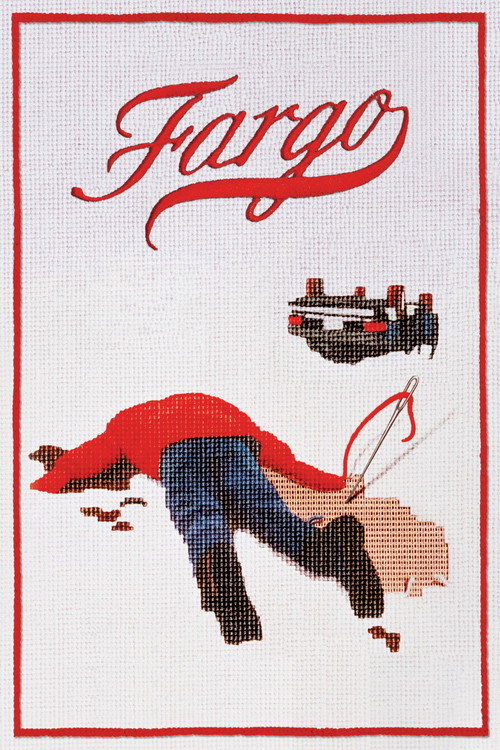
Fargo1996
The Coen Brothers' own masterpiece of Midwestern malaise and dark comedy. Like Kaurismäki, they find tragedy and humour in the same moment, and populate their world with unforgettable characters who speak in distinctive rhythms.
But It's brutal in ways the Leningrad Cowboys aren't. If you're seeking pure whimsy, Fargo's body count and desperation might feel heavier than you want.
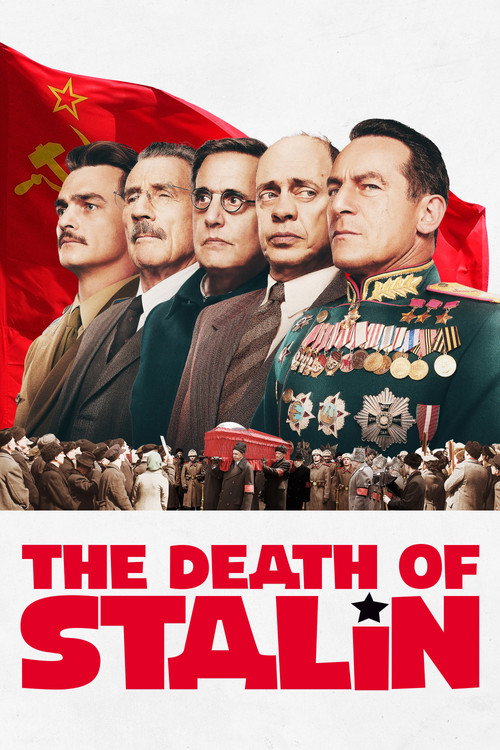
The Death of Stalin2017
Armando Iannucci's pitch-black Soviet comedy shares Kaurismäki's ability to find absurdity in Russian bureaucracy and melancholy. It's political satire without preaching, delivered deadpan through brilliant ensemble work.
But It's relentlessly bleak and moves fast—there's little warmth or musical lightness. If you loved the sweetness under the strangeness, this might feel too cynical.
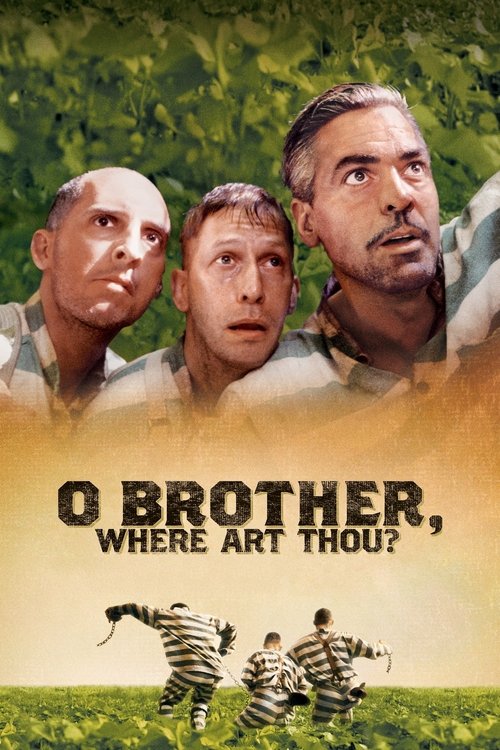
O Brother, Where Art Thou?2000
Another Coens film, but this one's a musical road movie with soul. It captures the same collision of high and low culture, desperation and dignity, that makes Leningrad Cowboys sing.
But The American Southern Gothic setting and folk-music obsession won't appeal if you prefer the fish-out-of-water premise of the Cowboys.
Not sure tonight? Get a pick in a minute, starting from Leningrad Cowboys Go America
The wildcard
Something you would not have found on your own.
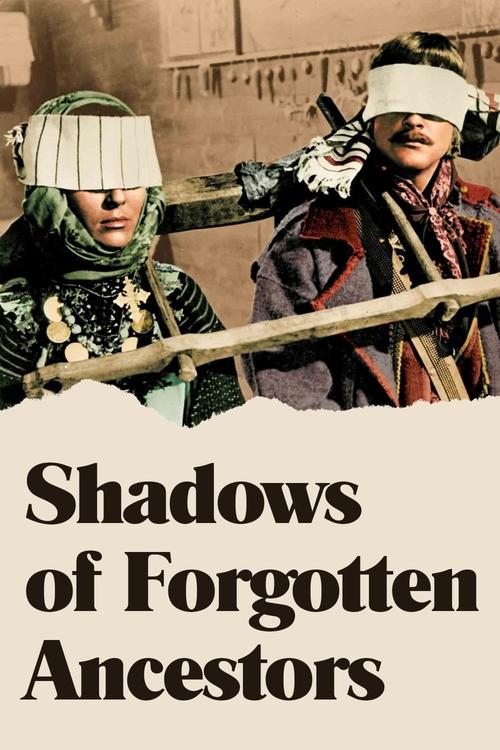
Shadows of Forgotten Ancestors1965
Both films are deeply rooted in Soviet/post-Soviet identity and treat their regional characters with genuine respect rather than exoticism. They're love letters to their cultures, not mockeries.
Sergei Parajanov's hallucinogenic Ukrainian folk poem is Soviet cinema's wildest achievement—packed with myth, colour, and tragic romance. It's visually the opposite of Kaurismäski's coldness, yet shares an obsession with regional identity, loss, and beauty in hardship.
But It's deliberately obscure, densely symbolic, and demands active interpretation. Narrative clarity and humour are not its goals; pure sensory experience is.
More like this (8)
Stalker1979
Andrei Tarkovsky's meditative science-fiction film is Russian cinema at its most transcendent. Like Kaurismäski, Tarkovsky finds profound emotion in stark landscapes and long, patient takes. A spiritual cousin.
But At 163 minutes of slow, philosophical contemplation with minimal plot, it's the opposite of a crowd-pleaser. Patience required; laughs not guaranteed.

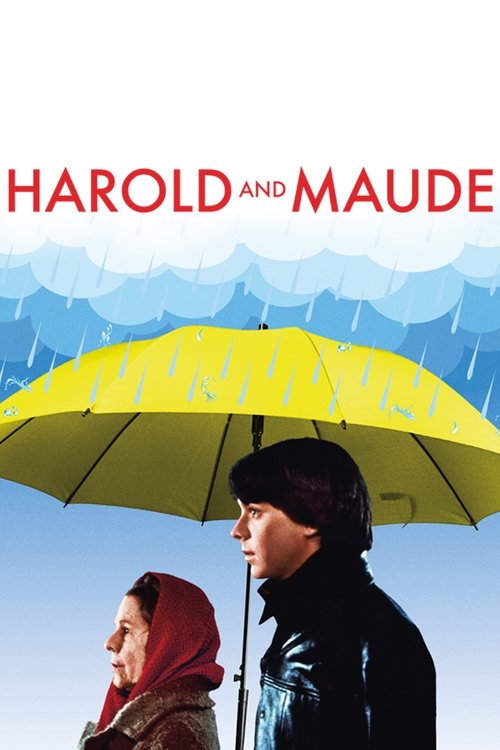
Harold and Maude1971
Hal Ashby's cult classic is a deadpan romance between a death-obsessed young man and a joyful elderly woman. It shares the Cowboys' commitment to awkwardness, offbeat characters, and finding beauty in the strange.
But The '70s aesthetic and indie sensibility won't resonate if you're after something more contemporary or conventionally structured.
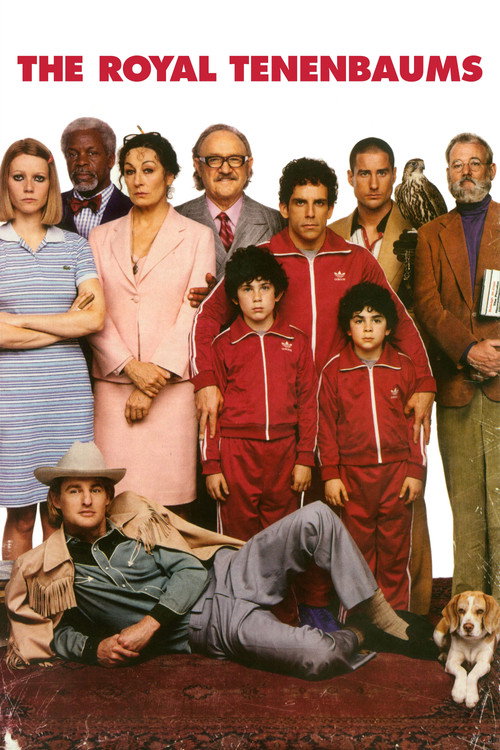
The Royal Tenenbaums2001
Wes Anderson's fractured family epic is built on the same foundation: meticulous production design, sympathetic weirdos, and an emotional core beneath the artifice. Both films feel handmade and oddly moving.
But Anderson's symmetrical, pastel-coloured world is the opposite of Kaurismäki's bleak realism. If the Cowboys' coldness appealed to you, this might feel too fussy and warm.
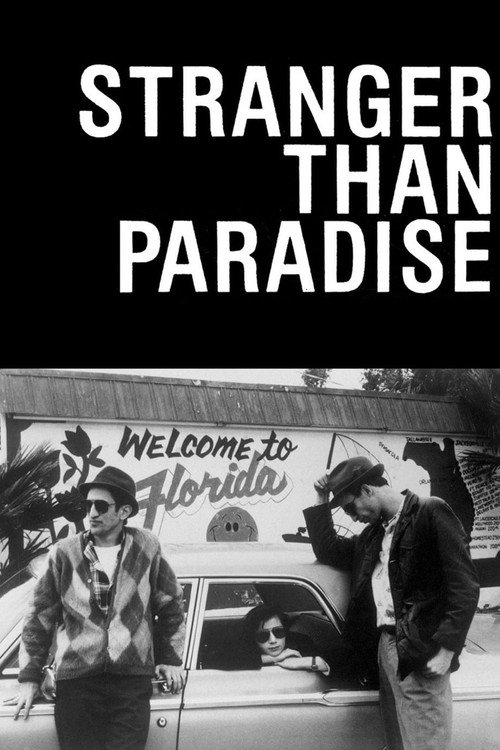
Stranger Than Paradise1984
Jim Jarmusch's debut is a spiritual ancestor of Kaurismäski's style—minimalist, funny, deeply sad, with characters drifting through America with no real purpose. Both films are black-and-white paintings of aimlessness.
But It's glacially paced and almost plotless. If you watch the Cowboys for narrative momentum, this will feel like watching paint dry in a New York apartment.
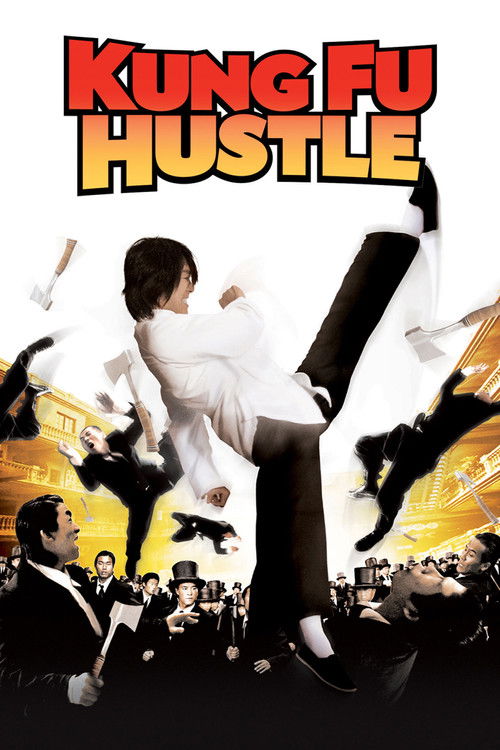
Kung Fu Hustle2004
Stephen Chow's action-comedy is a genre-bending delight with deadpan humour, surreal visual gags, and genuine heart. It shares the Cowboys' willingness to be ridiculous without apology while remaining oddly touching.
But It's loud, fast, and visually hyperactive—the opposite of Kaurismäski's austere approach. If quietness is what you loved, this will exhaust you.
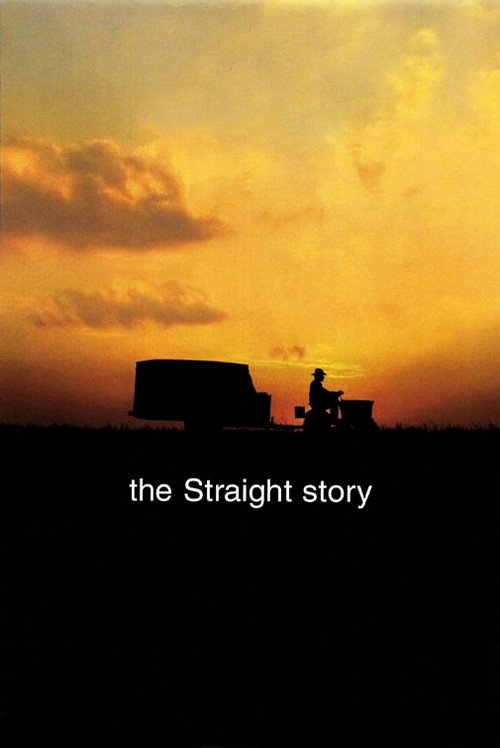
The Straight Story1999
David Lynch's gentle road movie follows an elderly man on a slow lawn-mower journey. It's sincere, unhurried, and filled with small human moments—Lynch stripped of artifice, finding dignity in ordinary people.
But It's almost aggressively wholesome and sentimental. Coming from the weird darkness of the Cowboys, it might feel too earnest and saccharine.
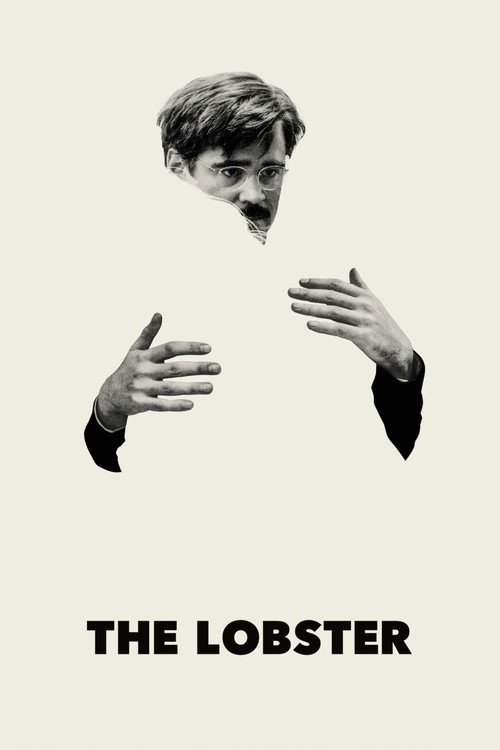
The Lobster2015
Both films create internally consistent worlds where the absurd is treated as mundane. Characters never acknowledge how weird things are, which makes the humour land harder and the sadness cut deeper.
Yorgos Lanthimos's surreal dystopia where single people are turned into animals shares the Cowboys' commitment to sustained absurdity played absolutely straight. It's funny because it never breaks character; deadpan pushed to philosophical extremes.
But The premise is bleak and existential, the tone glacial, and there's no catharsis—just strange, uncomfortable logic applied to a nightmare. Some will find it irritating rather than clever.
A Prophet2009
Both films present outsiders navigating brutal systems with quiet agency. They trust viewers to find humanity in marginalised characters without sentimentality, and both end with ambiguous grace rather than resolution.
Jacques Audiard's sprawling prison drama is a masterpiece of character and transformation. It shares Kaurismäski's ability to find dignity and unexpected grace in harsh, confined spaces. Not a comedy, but equally powerful in its restraint and emotional precision.
But It's a gritty French crime film, two and a half hours, with no laughs. If you came for the musical lightness and quirky humour of the Cowboys, this will feel like a complete genre shift into serious territory.

People
Cast
 Matti PellonpääVladimir (Manager)
 Kari VäänänenIgor (Village Idiot)
 Sakke JärvenpääThe Leningrad Cowboys
- Heikki KeskinenThe Leningrad Cowboys
- Pimme KorhonenThe Leningrad Cowboys
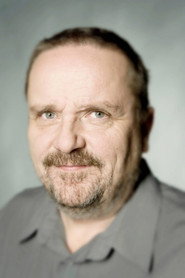 Sakari KuosmanenThe Leningrad Cowboys
- Puka OinonenThe Leningrad Cowboys
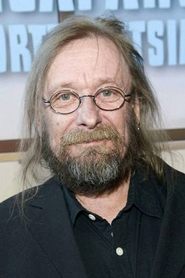 Silu SeppäläThe Leningrad Cowboys
 Mauri SuménThe Leningrad Cowboys
 Mato ValtonenThe Leningrad Cowboys
- Pekka VirtanenThe Leningrad Cowboys
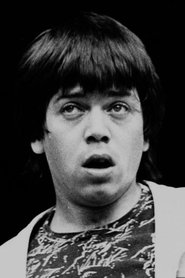 Nicky TescoLost Cousin
Directing
- Pauli PenttiAssistant Director
- Aki KaurismäkiDirector
- Malla HukkanenScript Supervisor
Writing
- Aki KaurismäkiScreenplay
- Aki KaurismäkiStory
- Mato ValtonenStory
- Sakke JärvenpääStory
Production
- Aki KaurismäkiProducer
- Katinka FaragóProducer
- Klas OlofssonProducer
- Dale AshmunProduction Assistant
- Ken SchmalzProduction Assistant
- Klaus HeydemannProduction Executive
- Jaakko TalaskiviProduction Manager
- Lisa Blok-LinsonProduction Manager
- Phil LinsonProduction Manager
- Haije AlanojaProduction Secretary
- Erkki AstalaPublicist
Recommended by
Shiny Happy People, Stranger Than Paradise, Mayor, A Place in the World