
Film
Housekeeping
- Drama
- Slow-burning
A quiet, strange film about two orphaned sisters whose unconventional aunt arrives to raise them in 1950s Idaho. Bill Forsyth directs with characteristic gentleness, finding both comedy and melancholy in small moments of domestic life. It's a film for people who notice things—the ones who prefer observing to explaining. Tender and odd in equal measure.
Should you watch it?
Watch it if you like quiet, drifting films where small domestic rituals and an odd, unhurried wisdom matter more than plot, and you don't mind being left alone with a mood.
Skip it if you need brisk momentum or a clear through-line, since this moves at a meandering, dreamy pace and can feel like it is circling its own thoughts.
What it asks of you: Settle in for just under two hours of patient, loosely stitched scenes, where the humor is dry and the sadness arrives sideways rather than all at once.
Not sure? Find tonight's pick in a minute.
If you liked this
Moonlight2016
Three chapters of a boy becoming a man, told with similar patience and attention to feeling. Like Housekeeping, it trusts you to understand emotion through image and silence rather than exposition.
But Spare and slow. If you need plot momentum or clear narrative beats, you'll find the pacing frustrating.

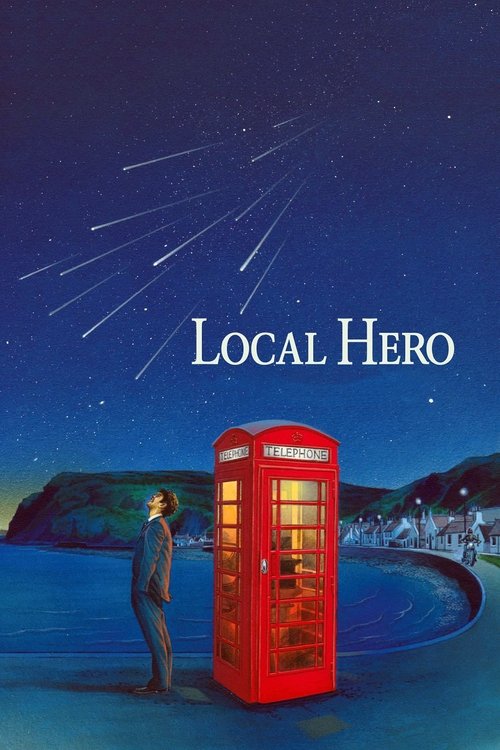
Local Hero1983
Bill Forsyth's other masterpiece, with the same wry humour and faith in oddness. A Scottish village and an American oil executive, gently unraveling assumptions about what matters. Pure warmth.
But Made in 1983 and shows it. Some may find the pacing leisurely to the point of testing.
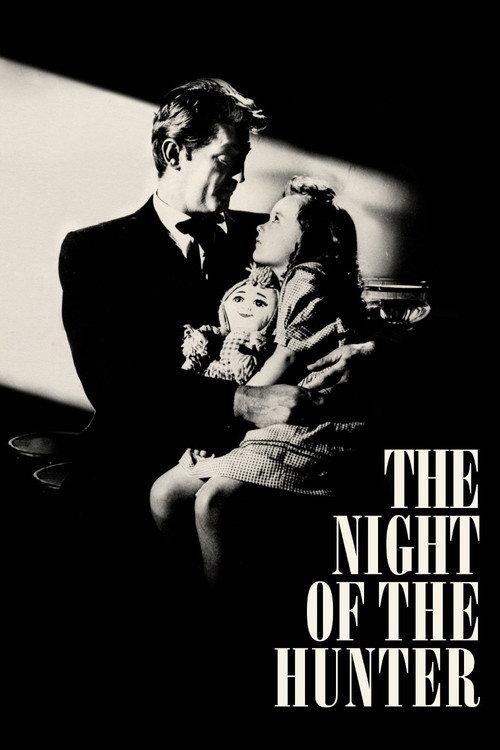
The Night of the Hunter1955
Two children fleeing danger, guided by circumstance and strangers. Charles Laughton's directorial debut is gorgeous and unsettling in ways that feel close to Housekeeping's own strangeness.
But It's darker and more expressionistic. Housekeeping is gentler; this one has genuine menace.
Not sure tonight? Get a pick in a minute, starting from Housekeeping
The wildcard
Something you would not have found on your own.
The Ballad of Little Jo1993
Both are about women who refuse conventional life and the younger people who learn to love them for it, not despite it. Both understand that true strangeness often comes from integrity, not cruelty.
Maggie Greenwalt's Western about a woman who passes as a man to survive. It's about unconventional people building lives on their own terms, and the cost of not fitting in. Based on a true story, directed by a woman who understands how to watch her characters with both humour and sympathy.
But It's a Western, and slow. Doesn't look or feel like Housekeeping at first. Requires patience and faith in the director.

More like this (8)
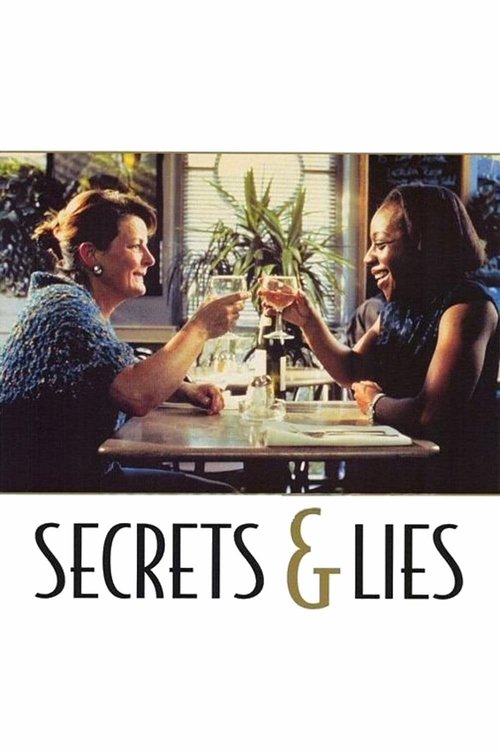
Secrets & Lies1996
Mike Leigh exploring family, shame, and the stories we tell ourselves. It has Housekeeping's gift for finding profound things in domestic awkwardness and conversation.
But Much longer at 142 minutes, and emotionally exhausting. Lahti's Aunt Sylvie is strange but loving; Leigh's characters are sometimes cruel.
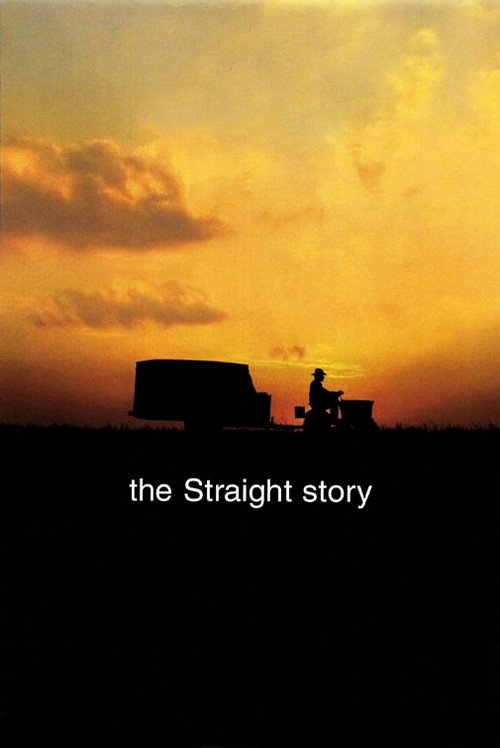
The Straight Story1999
David Lynch directing an old man on a ride-on mower across Iowa. Sounds absurd, is deeply moving. The same attention to how people live, how place shapes us, what small kindnesses mean.
But It's extremely slow. There is almost no conflict. If you need driving narrative, don't bother.
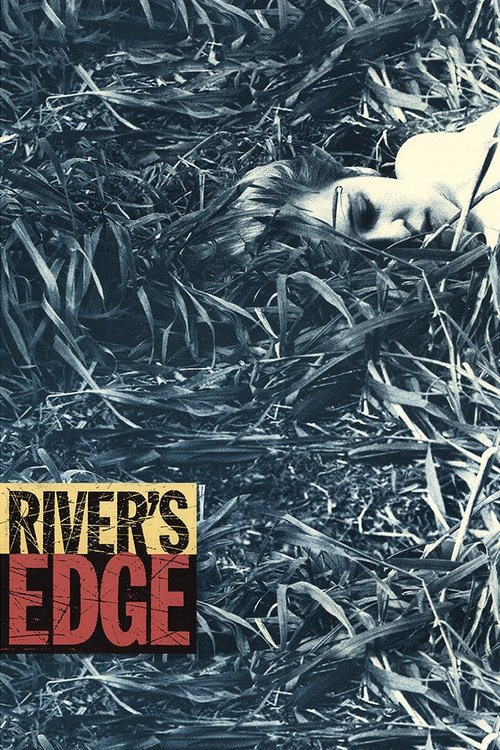
River's Edge1986
Keanu Reeves and Dennis Hopper in a film about misfits and small-town strangeness that doesn't judge. It shares Housekeeping's willingness to see beauty in damaged, unconventional lives.
But Tackles heavier subject matter—a real crime, real tragedy. Less whimsical, more brutal.
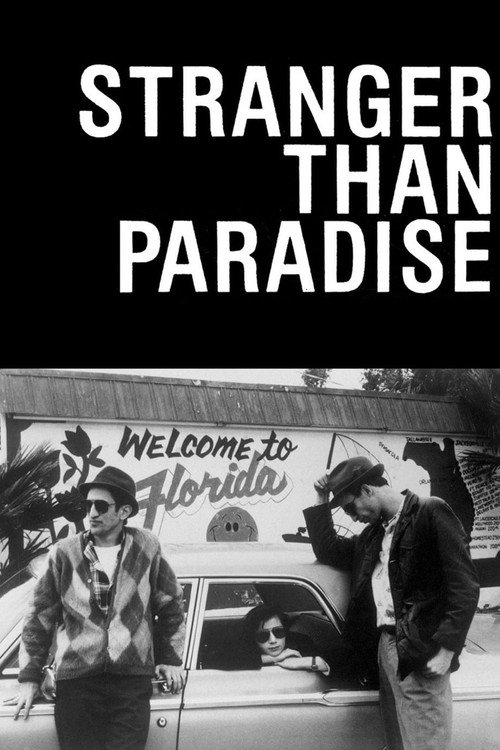
Stranger Than Paradise1984
Jim Jarmusch's deadpan comedy about drifters and connection. Like Housekeeping, it finds poetry in ordinariness and odd silences. Black and white, deliberately slow, quietly hilarious.
But It's deliberately anti-dramatic. Nothing happens. Some find that freedom; others find it tedious.
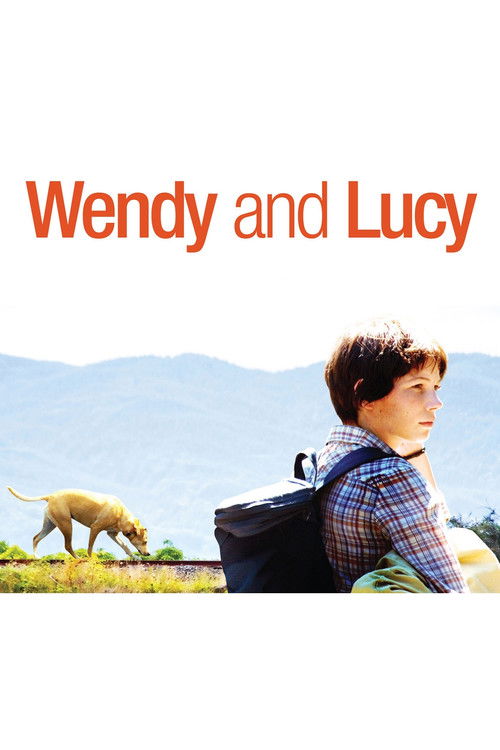
Wendy and Lucy2008
Kelly Reichardt observing a woman and her dog in Portland. The same commitment to watching how people survive, economically and emotionally. Small, precise, unexpectedly moving.
But Bleak and contemporary. Housekeeping has quirky charm; this has a harder edge and no real resolution.
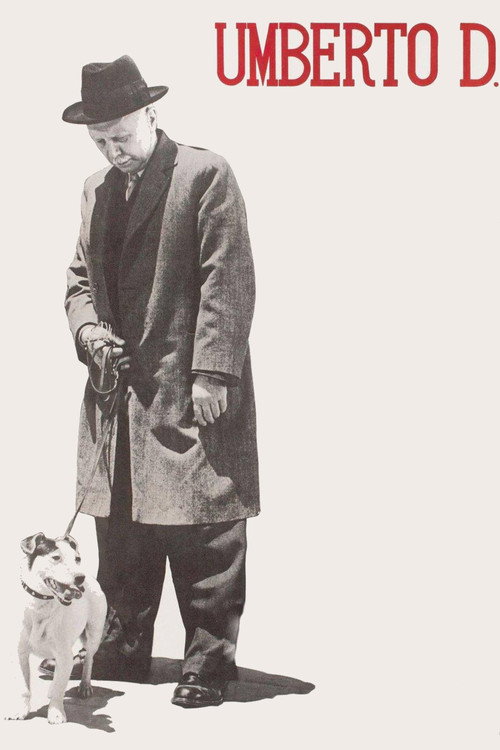
Umberto D.1952
Vittorio De Sica's film about an old man and his dog facing poverty and social indifference. Realist but never sentimental. Shows how people maintain dignity when systems fail them—close to Housekeeping's core question.
But Italian neorealism, subtitled, shot in 1952. If black-and-white and subtitles feel like homework, this will too.
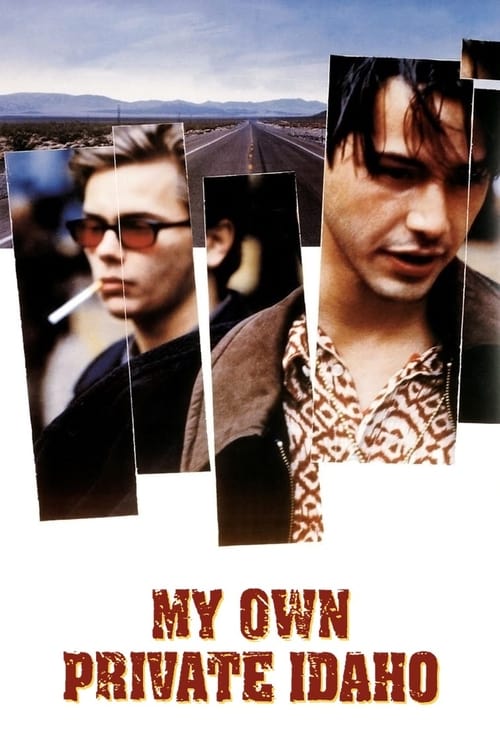
My Own Private Idaho1991
Both examine how marginal people create home and care for each other. Both are set in the Pacific Northwest and understand that landscape as a character that shapes outsider identity.
Gus Van Sant's film about street hustlers and chosen family in Seattle. It sounds worlds away from Housekeeping, but it shares the film's core belief: that love and belonging can be built outside convention, and that the people who don't fit in often understand the most.
But It's explicitly about sex work and survival in a criminal milieu. Visually experimental in ways Housekeeping never is. Much darker, much more raw.
Jiro Dreams of Sushi2011
Both are meditations on how people live, shot with visual precision and quiet affection. Both trust the audience to find meaning in small repeated actions and understand that mastery—or just showing up—is a form of love.
David Gelb's documentary about an elderly sushi master in Tokyo. It's about mastery, repetition, and the peculiar grace of someone committed entirely to one small thing. Not a narrative film, but it understands something Housekeeping does: how to make cinema from attention and presence.
But It's a documentary about sushi. If that sounds boring, it will probably feel boring. No plot, no characters in the conventional sense, just observation.

People
Cast
 Christine LahtiSylvie Fisher
- Sara WalkerRuth
- Andrea BurchillLucille
 Anne PitoniakAunt Lily
- Barbara ReeseAunt Nona
 Margot PinvidicHelen
- Bill SmillieSheriff
 Wayne RobsonPrincipal
 Betty PhillipsMrs. Jardine
 Karen Elizabeth AustinMrs. Paterson
 Dolores DrakeMrs. Walker
- Georgie CollinsGrandmother
Directing
- Bill ForsythDirector
- Pat RambautScript Supervisor
Writing
- Marilynne RobinsonNovel
- Bill ForsythWriter
Production
- Lynne CarrowCasting
- Margery SimkinCasting
- Robert F. ColesberryProducer
Recommended by
Enter the Void, Viceroy's House, Passion Fish, The Maid, Surviving Alaska: Women of the Wild