
Film
The Killer Is One of Thirteen
A Seventies locked-room thriller with a widow playing detective among thirteen suspects, mixing parlour-game mystery with genuine Italian giallo brutality. It's a tightly wound puzzle box where secrets compound and the body count rises. For fans of Agatha Christie who also appreciate inventive kills and moral murkiness.
If you liked this
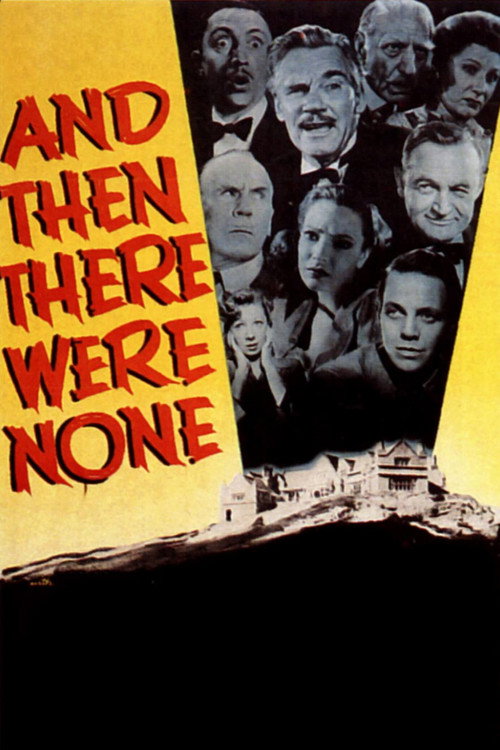
And Then There Were None1945
Agatha Christie's masterpiece of systematic elimination among strangers on an island. Every death narrows the suspect pool; every reveal reframes what you thought you knew. The template for everything that follows.
But The pacing is deliberate—it's about dread and deduction, not action. If you need constant momentum, it drags.
Tenebre1982
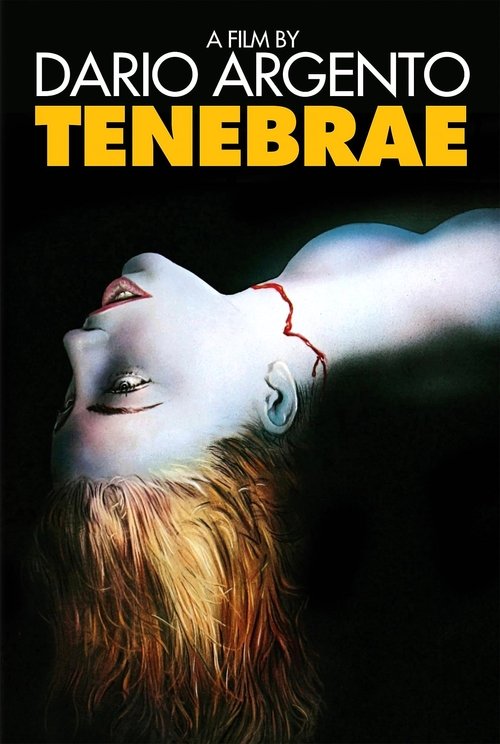
Dario Argento's giallo peak: a writer stalked by a copycat killer through Rome. Visually stunning, architecturally precise in its murders, with a twist that respects the puzzle you've been solving.
But Graphic violence against women is the film's vocabulary. If that's a boundary, don't go near it.
The Long Good Friday1980
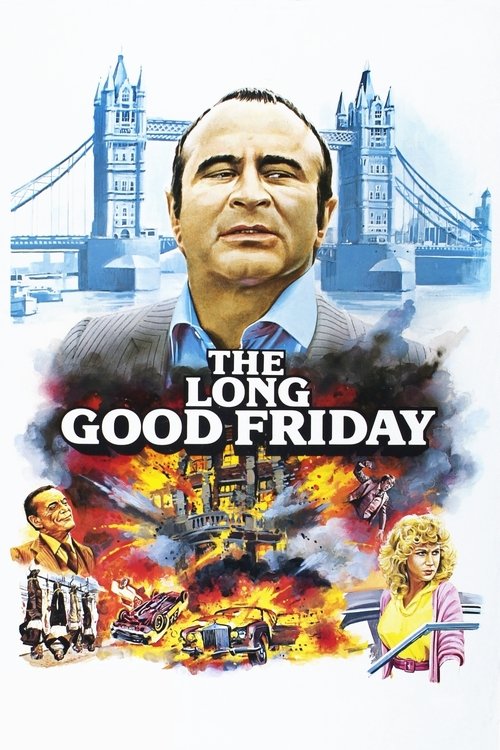
Bob Hoskins as a London gang boss trying to survive one weekend as his empire implodes. Tension that never releases, dialogue that crackles, a structure that mirrors our film's siege mentality.
But It's a crime thriller, not a mystery—you're not solving it, you're watching someone unravel. Slower in the middle than its reputation suggests.
Not sure tonight? Get a pick in a minute, starting from The Killer Is One of Thirteen
The wildcard
Something you would not have found on your own.
Carnival of Souls1962
Both films trap their protagonists in a situation they cannot escape and whose rules only become clear in retrospect. The real killer in both cases might be something larger than a person.
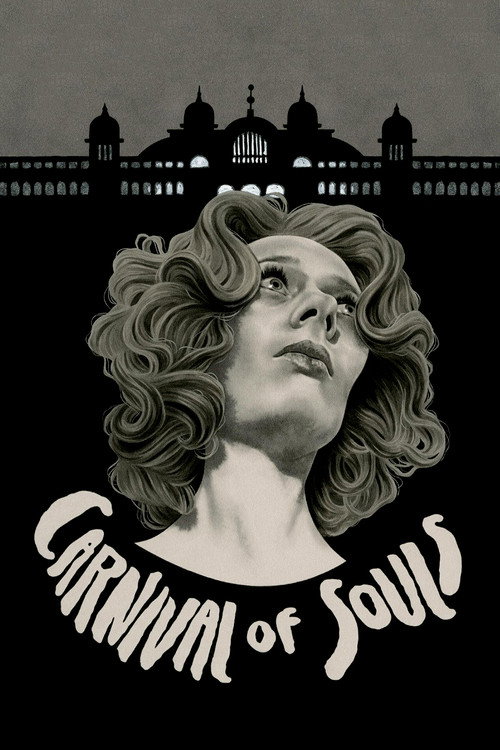
A woman survives a car crash and spends the film slowly realizing she didn't. It builds dread through repetition and wrongness, asks who you trust when reality itself is the antagonist—different from our film's whodunit but structurally identical: reality as locked room.
But Shot on 16mm on a threadbare budget. The image is grainy, the acting uneven, and the horror is subtext rather than spectacle.
More like this (8)
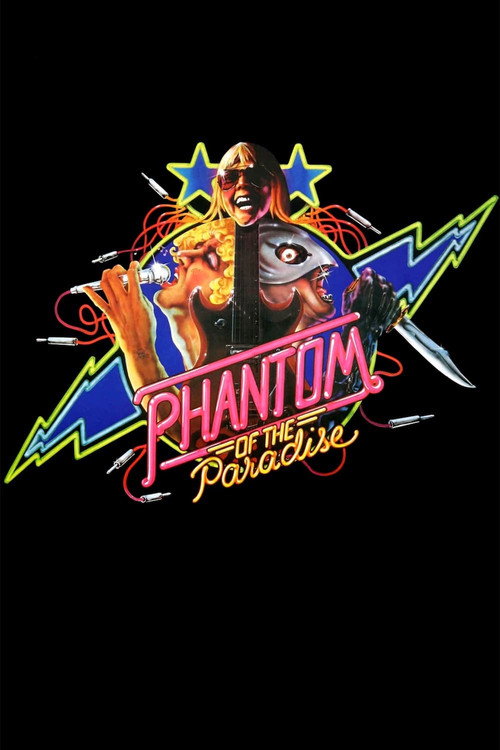
Phantom of the Paradise1974
Brian De Palma's operatic thriller: a composer haunts a rock palace, murders accumulate, and the visual language is pure cinema. Like our film, it treats murder as theatre and style as substance.
But It's campy and melodramatic in ways that feel arch. If you can't enjoy that tonal wobble, it's exhausting.
The Wailing2016
A South Korean mystery where the accused killer might not be the killer, suspicion metastasizes through a community, and paranoia becomes the real horror. Morally complex in the way our film's secrets are.
But Nearly three hours of interlocking testimonies and circular logic. By design it frustrates before it satisfies.

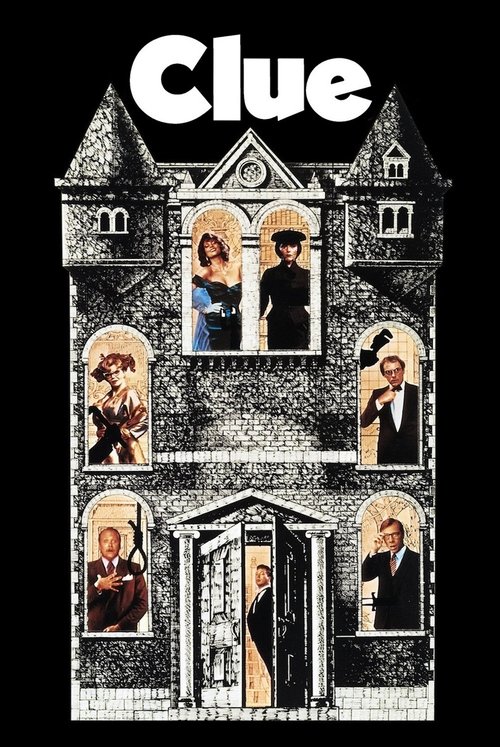
Clue1985
A murder mystery that embraces the game aspect: multiple endings, visual gags about narrative construction, Madeline Kahn unhinged. It's a love letter to the very formula our film plays straight.
But The jokes land unevenly. If you're in it for mystery, the comedy derails the tension.
Possession1981
Andrzej Żuławski's fever dream of a marriage dissolving while a creature lurks in the walls. It shares our film's claustrophobia and the sense that the real danger is the people you thought you knew.
But It's oblique and operatic to the point of illegibility. Plot takes a back seat to atmosphere and anguish.

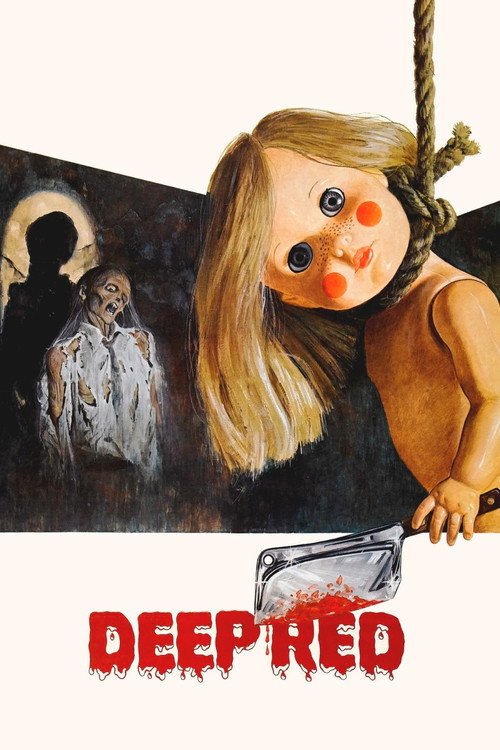
Deep Red1975
Dario Argento's earlier masterwork: a pianist witnesses a murder and hunts the killer through Turin. Geometric murders, a pulsing score, and a architecture of clues that rewards attention.
But Subtitled; the dubbing is legendarily bad, and the English versions trim scenes. Finding the right cut requires effort.
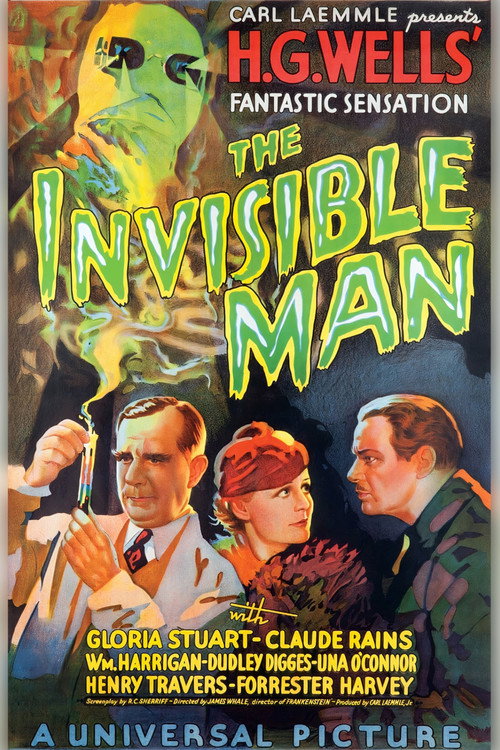
The Invisible Man1933
A man rendered invisible becomes a murderer, and the hunt for an unseen killer turns a village against itself. It's a closed-room thriller before the room was explicitly closed.
But Universal monster-movie pacing feels glacial now. The invisibility effects, while clever, are minimal by necessity.
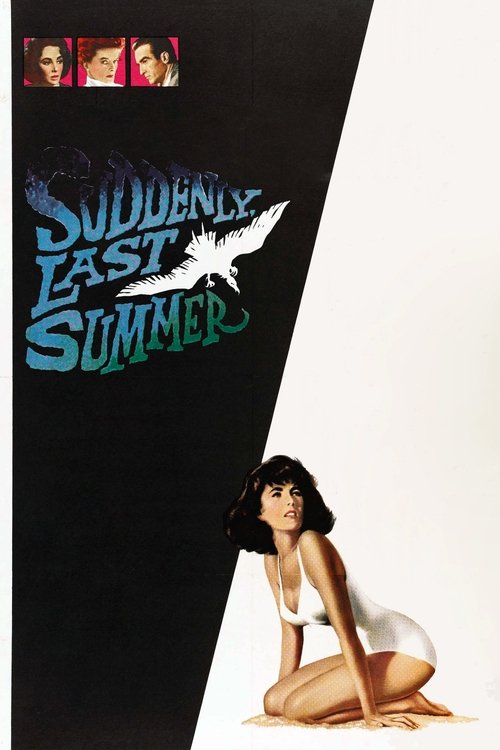
Suddenly, Last Summer1959
Both interrogate whether a crime's motive matters more than its commission. Both suggest that family secrets are more dangerous than strangers.
Tennessee Williams adapted: a widow and her niece face off over a dead man's reputation while a psychiatrist investigates cannibalism, madness, and complicity. Like our film, it's a mystery where everyone is guilty and the truth is far worse than murder.
But Theatrical and dense; it moves in conversation and revelation rather than incident. The horror is psychological, never explicit.
The Seventh Seal1957
Both are fundamentally about a group assembled by circumstance, each harboring secrets, each convinced that understanding the hidden rules will save them. Neither offers the comfort of justice—only reckoning.
Bergman's knight plays chess with Death across a plague-ravaged landscape. It's not a thriller, but it's the ultimate locked-room film: humanity cornered by an opponent who always wins. Visual poetry about finitude and the games we play to deny it.
But Black-and-white Swedish cinema from 1957. If you need plot propulsion or you're allergic to allegory, you'll be bored to tears.

People
Cast
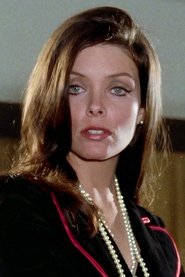 Patty ShepardLisa Mandel
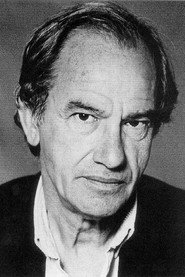 Simón AndreuHarry Stephen
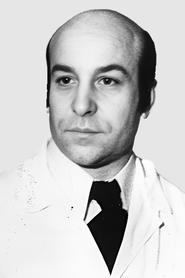 José María PradaMartin
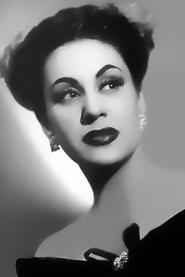 Trini AlonsoBertha
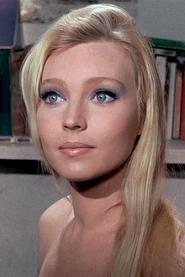 Dyanik ZurakowskaSrta. Hoven
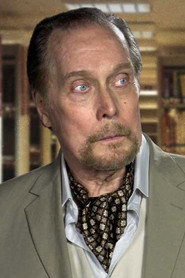 Jack TaylorHarlan
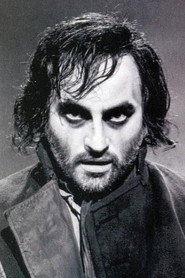 Paul NaschyErnest
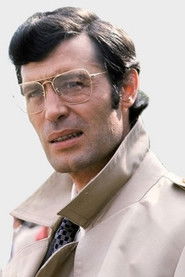 Ramiro OliverosHenry
 Doris CollCecilia Parolli
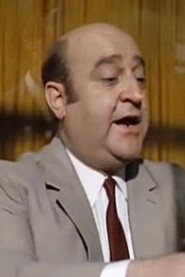 Alberto FernándezJorge
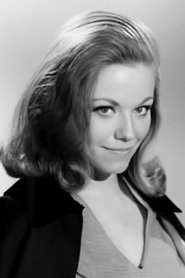 May HeatherlySylvia Martin
 Carmen MauraLaura
Directing
- Juan Antonio ArévaloAssistant Director
- Javier AguirreDirector
Writing
- Alberto S. InsúaScreenplay
- Javier AguirreScreenplay
Production
- José Antonio CascalesExecutive Producer