
Film
Baby Doll
Elia Kazan's 1956 provocation about desire, deception and the American South's rotting foundations. Carroll Baker as an arrested-development bride in a cotton-gin owner's house, Eli Wallach as the seducer circling. It's sensual and claustrophobic, funny in ways that make you uncomfortable, built on the idea that everyone in this room is lying to everyone else about everything.
Should you watch it?
Watch it if you enjoy sultry, talky Southern grotesques where cruelty and comedy sit uncomfortably together, and a sly sense of satire about money, desire and male pride.
Skip it if you want brisk plotting or a story that stays clear of leering; its heat is mostly talk, humidity and innuendo, and it can feel stagey and airless.
What it asks of you: A slow, sweaty simmer in one heat-blurred town, where long monologues and sidelong glances do the work, and discomfort must be sat through rather than escaped.
Not sure? Find tonight's pick in a minute.
If you liked this
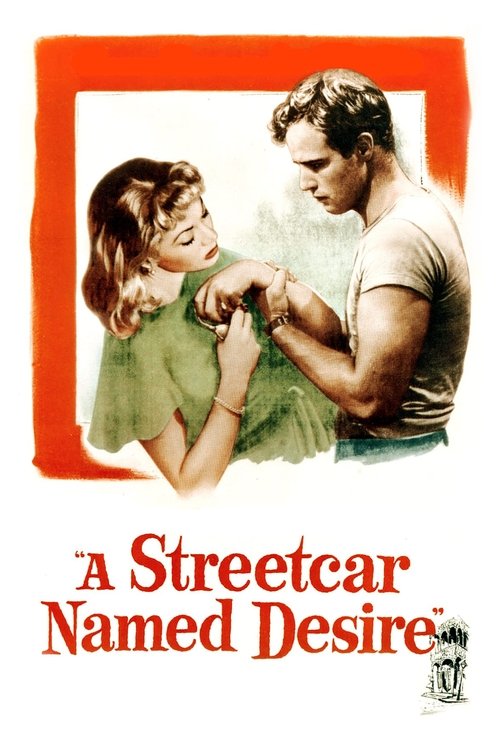
A Streetcar Named Desire1951
Tennessee Williams on screen at peak danger, Brando and Vivien Leigh in a pressure cooker of lust and class rage. The raw nerve that made Baby Doll possible—Kazan showing what happens when desire collides with poverty and old money.
But The acting style is mannered by modern standards, and watching Brando's method intensity can feel exhausting rather than revelatory after a while.
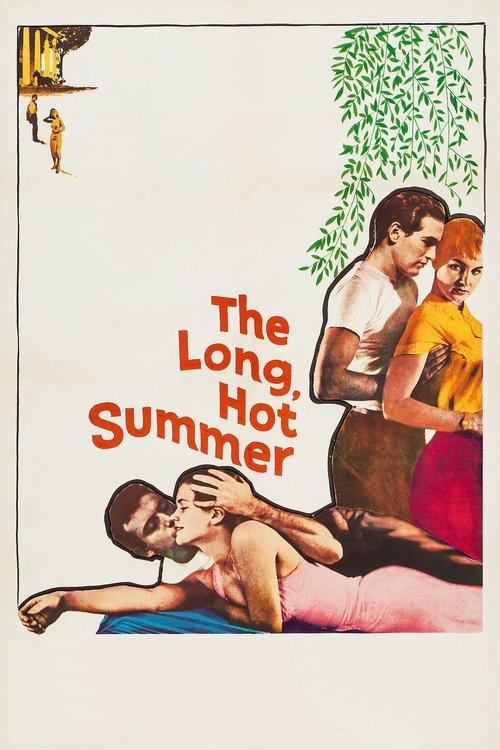
The Long, Hot Summer1958
Paul Newman and Joanne Woodward in Mississippi, same swampy Southern Gothic atmosphere, same simmering sexual tension and class collision. Orson Welles chewing scenery as a cotton baron. It's Baby Doll's slightly sunnier cousin.
But The plot resolves into something almost conventional, and the feminist edge is gentler than you might want from a film about power imbalances.
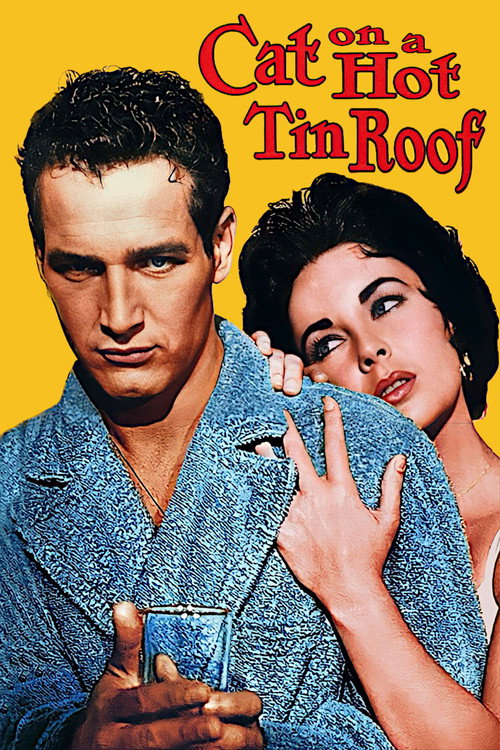
Cat on a Hot Tin Roof1958
Williams again, Elizabeth Taylor and Paul Newman as a couple strangled by desire, secrets, and inheritance. The hothouse intensity of people trapped in a room with truths they cannot say. Essential Tennessee cinema.
But The ending is a compromise with censorship that softens the play's tragic architecture. Some find the romanticism cloying.
Not sure tonight? Get a pick in a minute, starting from Baby Doll
The wildcard
Something you would not have found on your own.
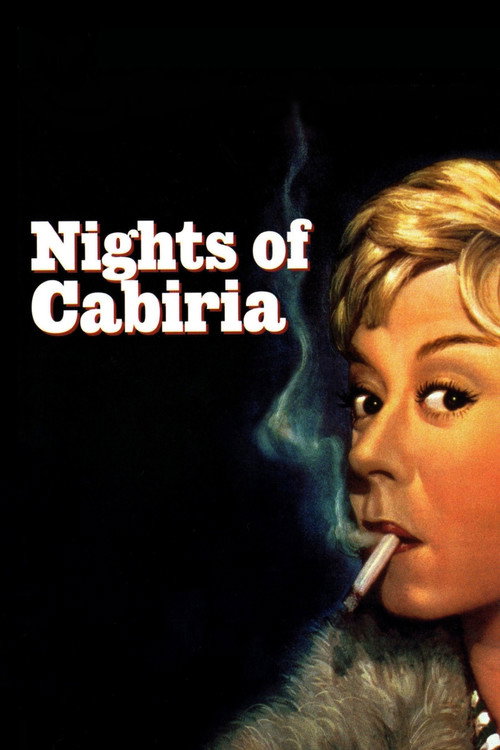
Nights of Cabiria1957
Both films center on young women whose sexuality makes them valuable property; both ask what happens to a person when that's the only worth anyone sees in them. Cabiria has something Baby Doll lacks: dignity.
Fellini's masterpiece about a woman of the streets, streetwise and romantic, cheated over and over but undefeatable. Like Baby Doll it's about a woman's body as currency, but seen through a completely different moral lens—tragic instead of comic, Italian neorealism instead of Southern Gothic.
But It's in Italian, it's melancholic rather than entertaining, and the ending is devastating. Fellini doesn't offer easy comfort.
More like this (8)
Fried Green Tomatoes1991
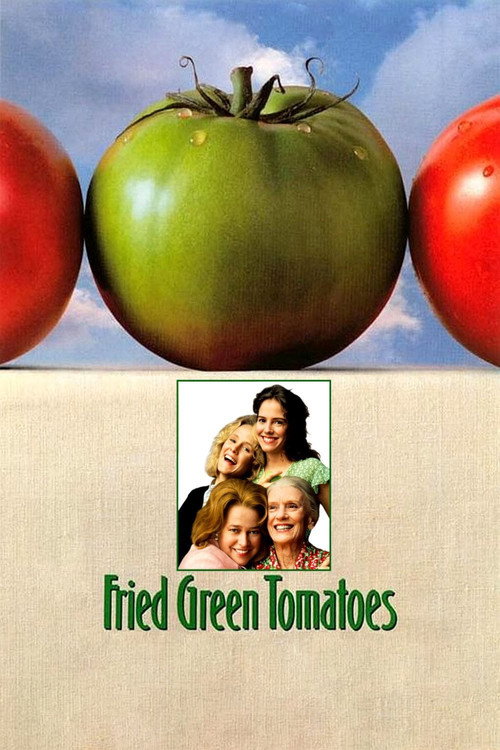
A different era's Southern women-centered story, but with that same feeling of secrets simmering beneath hospitality. Kathy Bates and Jessica Tandy, food, desire, and the structures that trap people. Warmer than Baby Doll but built on similar bones.
But The tonal shifts between past and present can feel uneven, and it's considerably softer in its treatment of transgression.
The Servant1963
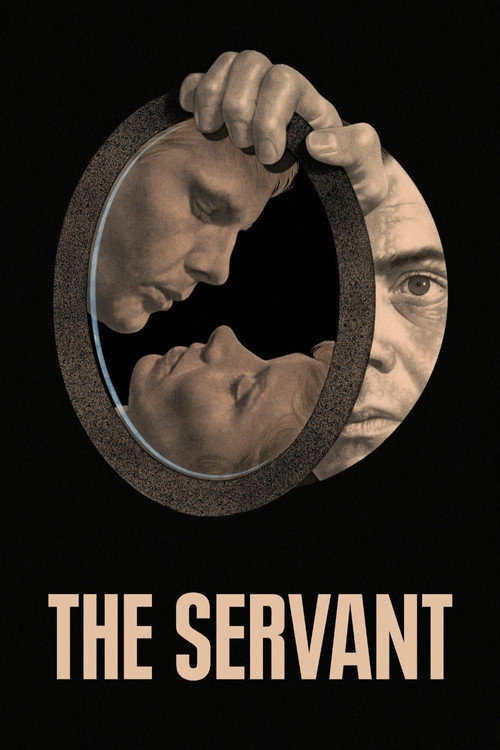
Losey's masterpiece of seduction and power games in a single house. A young man hires a servant; the servant gradually takes control through charm, sexuality, and manipulation. The same chess game as Baby Doll, but in London and far more sinister.
But It's glacially paced and entirely in black and white. The homoeroticism is coded rather than stated, which some find frustrating and others find more potent.
Splendor in the Grass1961
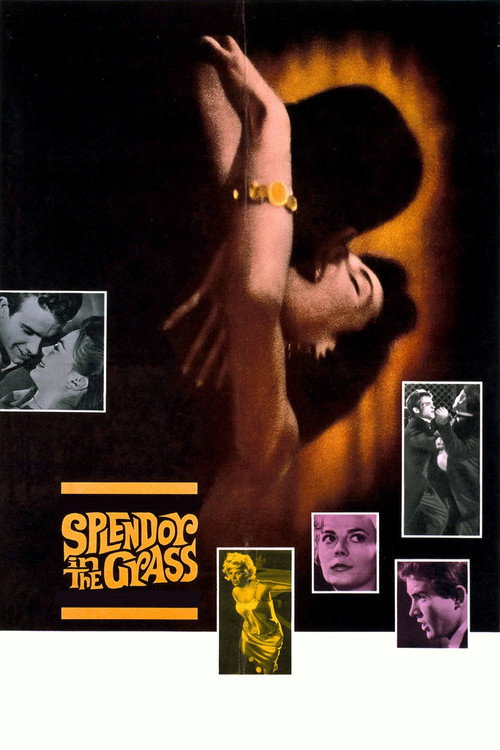
William Inge wrote it; it captures that same suffocating 1950s sexual hypocrisy with Warren Beatty and Natalie Wood. Desire colliding with social expectation, lives broken by what cannot be said. American Gothic in a different key.
But The second half pivots toward melodrama and psychiatric intervention in ways that feel dated and somewhat patronizing to its female lead.
The Grifters1990
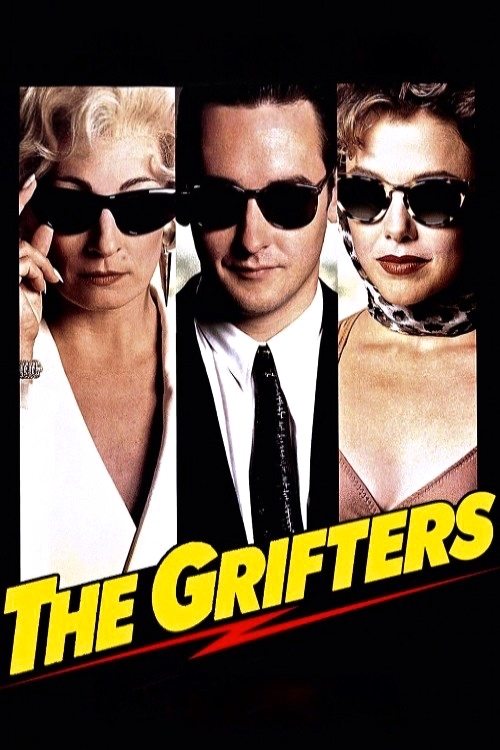
Kazan's great theme—con artists, seduction, people performing versions of themselves for profit—updated for neo-noir. John Cusack, Anjelica Huston, Annette Bening in a story where everyone is lying and nobody knows who's winning.
But It's cynical to the point of bleakness, and the sexual violence is graphic. There's no warmth anywhere in this world.
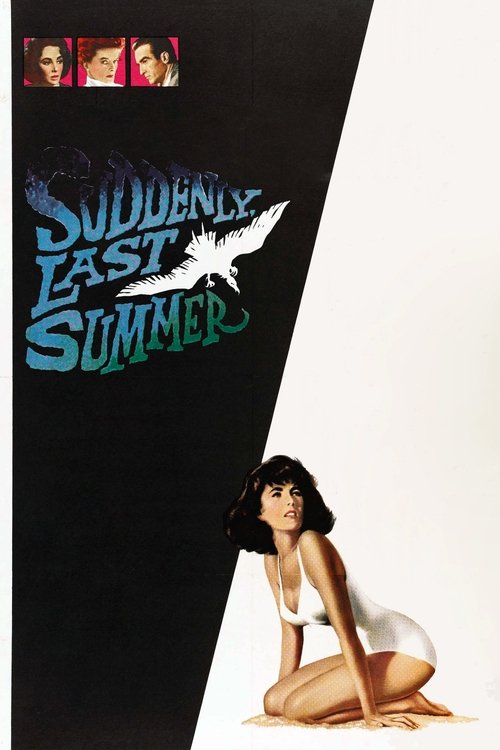
Suddenly, Last Summer1959
Williams again, Elizabeth Taylor and Montgomery Clift, a house full of secrets and a girl who won't tell the truth about what happened. Gothic, Freudian, obsessed with what people will do for money and survival.
But The plot hinges on a twist that feels sensationalist even by Williams standards, and some of the psychology plays as camp rather than tragic.
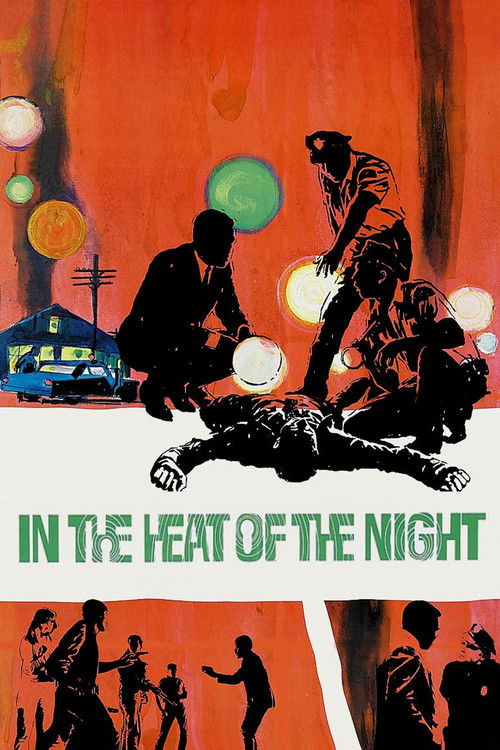
In the Heat of the Night1967
Sidney Poitier and Rod Steiger in a Mississippi town, solving a murder while circling around race, class, and power. Same geographical and moral landscape as Baby Doll, but as a procedural where everything unsaid becomes weaponized.
But The racial dynamics are complicated by Poitier's character accepting indignities that feel like they date the film, even if historically accurate.
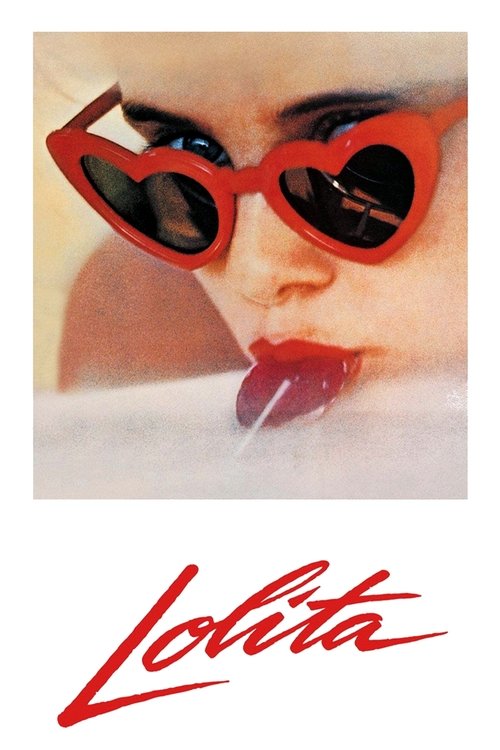
Lolita1962
Same machinery of desire wrapped around a power imbalance; different angle. Baby Doll lets you laugh at Vacarro's game. Lolita asks why you're laughing and makes you confront the answer.
Kubrick adapting Nabokov, Vladimir the unreliable narrator seducing himself with words while destroying a child. It shares Baby Doll's obsession with sexual predation and the lies men tell themselves, but it's told from the predator's perspective, making you complicit in his delusion.
But It's deeply uncomfortable by design and was scandalous for good reason. Some find it morally repugnant rather than illuminating, and its defense of its protagonist is deliberately nauseating.
Bitter Lake2015
Both argue that seduction is how power works. Kazan shows it in a cotton gin; Curtis shows it in geopolitics. Same engine, different scale.
Adam Curtis's four-hour documentary about oil, desire, imperialism, and how Western power operates through seduction and delusion. Not a narrative film at all—it's an essay with archival footage, but it's about the exact same thing: how economies run on fantasy, how powerful men seduce entire nations with stories.
But It's extremely long, deliberately difficult, asks you to sit with discomfort and uncertainty. It's not entertainment in any traditional sense. Curtis's editing style takes adjustment.
People
Cast
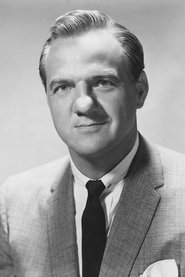 Karl MaldenArchie Lee Meighan
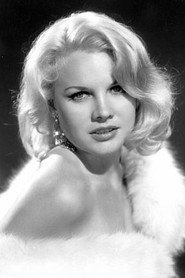 Carroll BakerBaby Doll Meighan
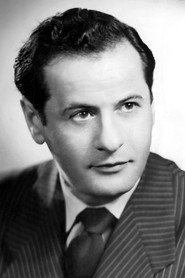 Eli WallachSilva Vacarro
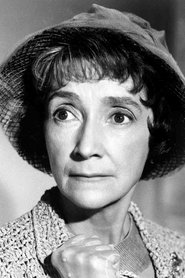 Mildred DunnockAunt Rose Comfort
 Lonny ChapmanRock
- Eades HogueTown Marshal
- Noah WilliamsonDeputy
 R.G. ArmstrongTownsman Sid (voice) (uncredited)
 Madeleine SherwoodNurse in Doctor's Office (uncredited)
 Rip TornThe Dentist (uncredited)
Directing
- Charles H. MaguireAssistant Director
- Elia KazanDirector
- Roberta HodesScript Supervisor
Writing
- Tennessee WilliamsScreenplay
- Tennessee WilliamsTheatre Play
Production
- Elia KazanProducer
- Forrest E. JohnstonProduction Manager
Recommended by
A Streetcar Named Desire, This Film Is Not Yet Rated, Landspeed presents: CKY