
Film
Studs Lonigan
Studs Lonigan adapts James T. Farrell's naturalist trilogy about a working-class Irish-American boy's coming-of-age on Chicago's South Side in the 1920s. It's a blunt portrait of dead-end streets, class immobility, and the narrowing of possibility—watched with unflinching focus on how environment shapes character. For readers of social realism and anyone curious about early 1960s American cinema addressing poverty without sentimentality.
If you liked this
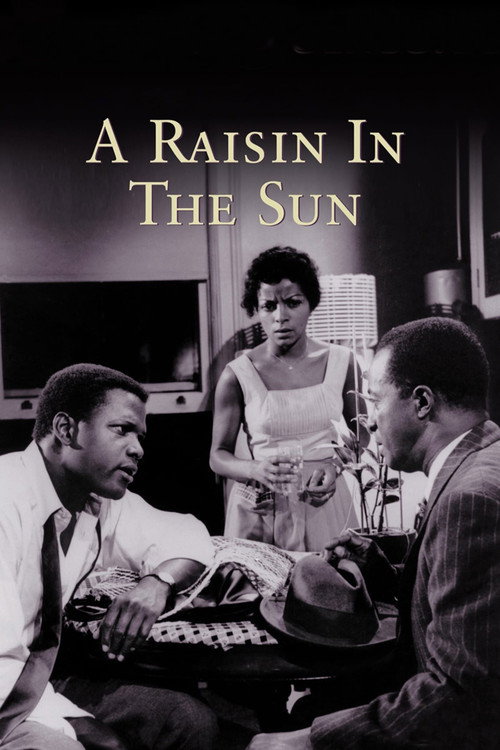
A Raisin in the Sun1961
Lorraine Hansberry's adaptation of her own play about a Black family in Chicago facing housing discrimination and constrained futures. It has the same unflinching social eye as Studs, asking what happens when systems close doors.
But The theatrical staging can feel mannered by modern standards, and some dramatic beats play broader than contemporary taste accepts.
The Naked City1948
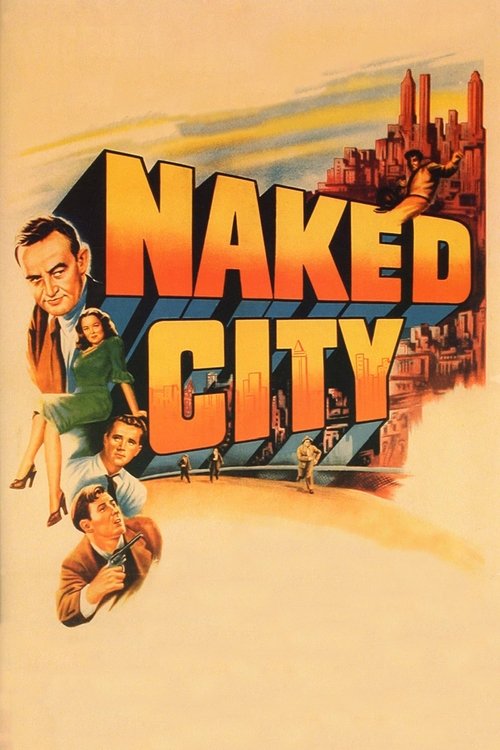
Jules Dassin's semi-documentary police procedural shot on New York streets. Same era, same working-class lens, same belief that location and circumstance are characters in themselves.
But The narration is intrusive and sometimes condescending; the pacing meanders in ways that test patience.
Imitation of Life1959
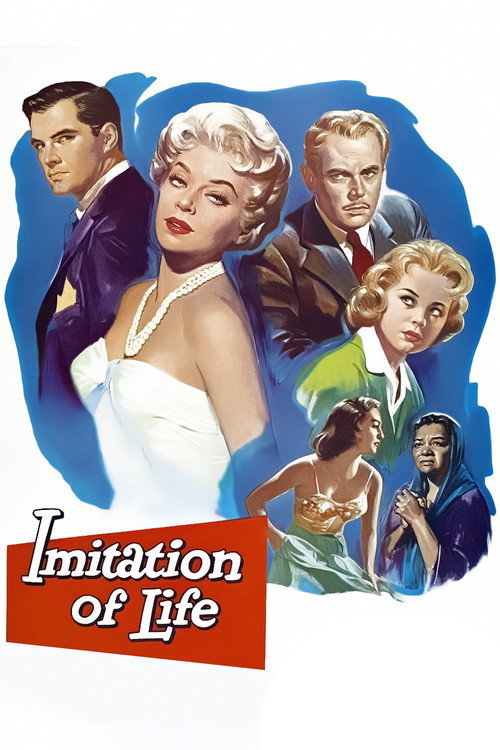
Douglas Sirk's melodrama about class, race, and impossible social mobility in America. Less gritty than Studs, but equally convinced that people's lives are constrained by forces larger than themselves.
But It's a Hollywood melodrama—emotional register swings wide, and some resolutions feel earned by soap opera logic rather than social fact.
Not sure tonight? Get a pick in a minute, starting from Studs Lonigan
The wildcard
Something you would not have found on your own.
The 400 Blows1959
Both follow a young man through a confined geography as systems (family, police, class) determine his options without him understanding why.
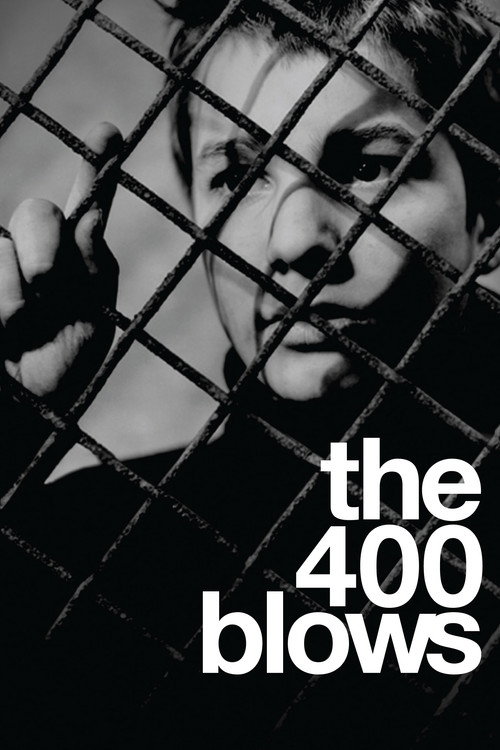
François Truffaut's gentle, unsentimental film about a Parisian working-class boy caught between school, his mother's indifference, and petty crime. Like Studs, it refuses to excuse the boy or blame him—it simply watches him narrowing into his fate. The camera is warmer, the tone less brutal, but the social mechanism is identical.
But It's French New Wave—if you're expecting the narrative propulsion of American social realism, the pacing will feel measured to the point of stillness.
More like this (7)
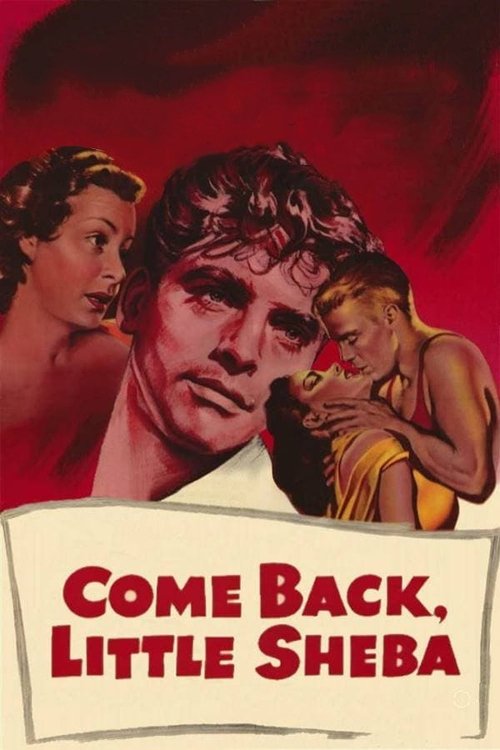
Come Back, Little Sheba1953
Daniel Mann's study of a failed, aging marriage in a working-class Kansas home. Same sense of quiet desperation, the same attention to how people live with disappointment.
But It's claustrophobic by design—one set, two actors in slow decay. If you need momentum, this drains it from you.
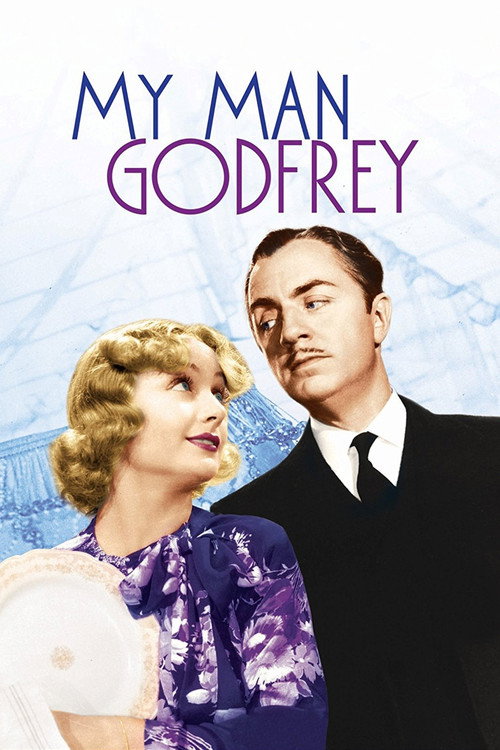
My Man Godfrey1936
William Powell in Preston Sturges's comedy about a wealthy family's collision with Depression-era poverty. Lighter than Studs, but asking serious questions about class and who really has agency.
But It's a screwball comedy—the tone is fundamentally flippant about hunger and homelessness in ways that can feel glib.
The Best Years of Our Lives1946
William Wyler's three-hour study of working and middle-class men returning to small-town America after World War II. Similar faith in social detail and the ordinary weight of circumstance.
But At three hours, it demands patience; some plot threads feel leisurely to the point of digression.

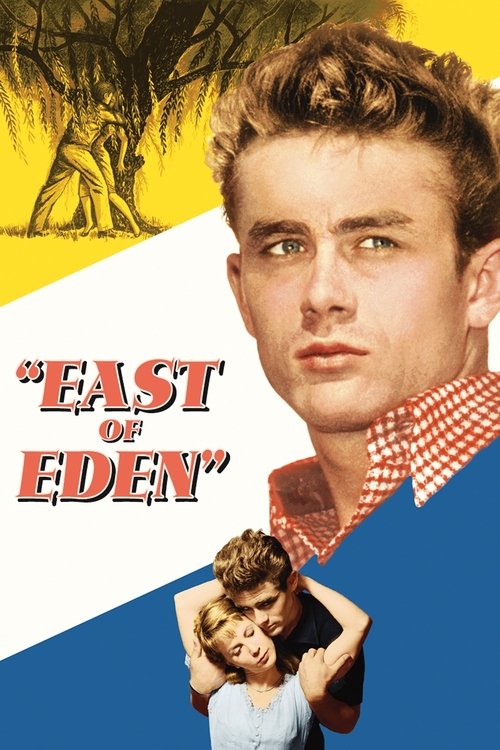
East of Eden1955
Elia Kazan directing James Dean as a boy trying to escape his father's shadow in rural California. Same story, really—class, masculinity, the failure of escape.
But It's more operatic than Studs, melodrama instead of naturalism; Dean's method intensity can eclipse the social argument.
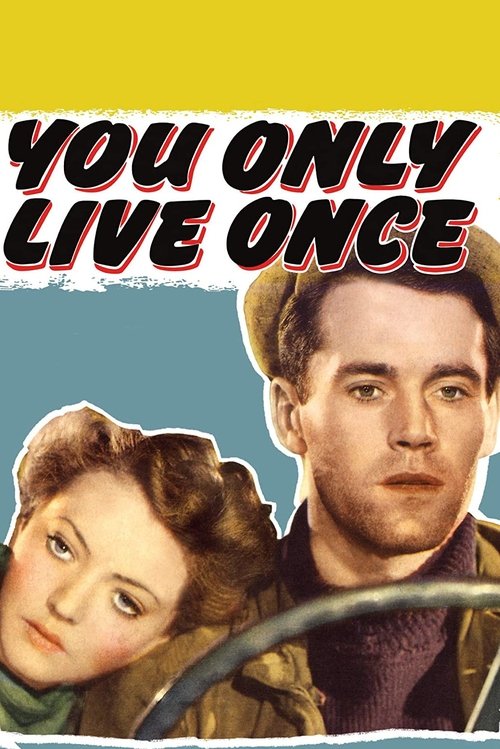
You Only Live Once1937
Fritz Lang's portrait of a working-class man destroyed by circumstance and small-town morality. The same fatalism, the same conviction that the system grinds people down.
But The dialogue is 1930s stagey; the film's visual style, while striking, can feel remote and cold.
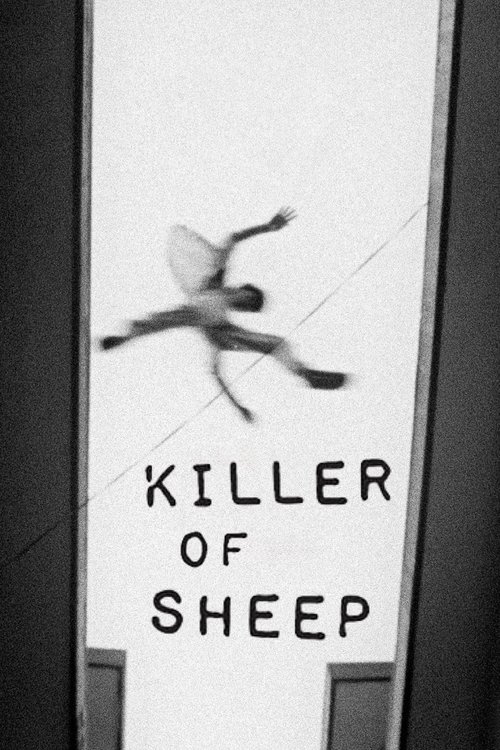
Killer of Sheep1978
Both are unsparing portraits of men whose class and geography have already written their futures before the film begins.
Charles Burnett's lyrical, fragmentary documentary-poem about a man working in a slaughterhouse in Watts, Los Angeles. Black and white, shot on 16mm, raw and hypnotic. It's Studs Lonigan thirty years later and in a different register—more poetic, more about endurance than defeat, but asking the same question: what does a man become when his work offers no dignity?
But There's almost no plot; it's visual and tonal rather than narrative. If you're looking for structure, you'll feel adrift.
Kes1970
Both measure a boy's life against the indifference of institutions (family, school, class) and both end in a kind of quiet ruin.
Ken Loach's film about a working-class Yorkshire boy and the one thing that loves him without condition: a kestrel hawk. Loach has the same social eye as Studs Lonigan, but inverts it—instead of a boy narrowed by his world, a boy briefly enlarged by a connection to something wild and free. When that's taken, the narrowing is unbearable. It's heartbreaking in a way Studs, in its naturalism, never quite reaches.
But The Yorkshire dialect is thick and sometimes hard to follow; the film's emotional stakes may feel like manipulation if you don't surrender to it.

People
Cast
- Christopher KnightStuds Lonigan
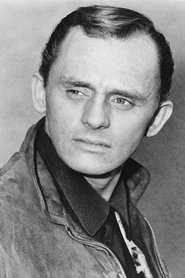 Frank GorshinKenny Killarney
 Venetia StevensonLucy Scanlon
 Carolyn CraigCatherine Banahan
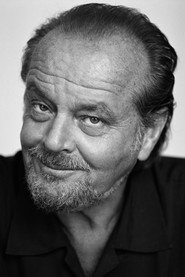 Jack NicholsonWeary Reilly
- Robert CasperPaulie Haggerty
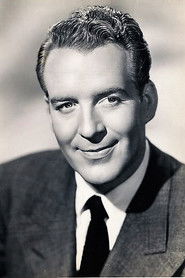 Dick ForanPatrick Lonigan
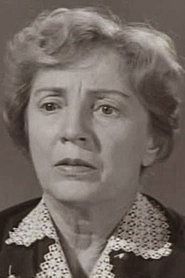 Katherine SquireMrs. Lonigan
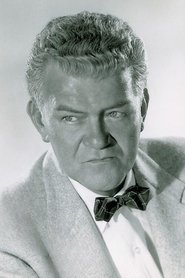 Jay C. FlippenFather Gilhooey
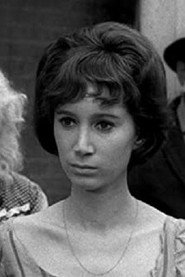 Josie LloydNew Year's Eve Party Girl (uncredited)
Directing
- Irving LernerDirector
Writing
- James T. FarrellNovel
- Philip YordanScreenplay
Production
- Leon ChooluckAssociate Producer
- Philip YordanProducer