
Film
The Intruder
A demagogue in a white suit arrives in a small Southern town to exploit racial tensions as integration looms. Roger Corman's searing 1962 drama watches a community fracture under manipulation, with William Shatner delivering a chilling performance as a man who thrives on division. Urgent and genuinely unsettling, it's an unflinching portrait of how easily hatred spreads.
Should you watch it?
Watch it if you want a stark, talky drama where one outsider's charm slowly poisons a community, and you're willing to sit with ugly truths about segregation rather than be comforted by them.
Skip it if you need brisk pacing or a lighter touch, since it moves at a deliberate, dialogue-heavy pace and its anger rarely lets up for relief.
What it asks of you: Under ninety minutes, but close attention throughout, with long stretches of talk in hot, airless rooms where the tension builds through what people leave unsaid.
Not sure? Find tonight's pick in a minute.
If you liked this
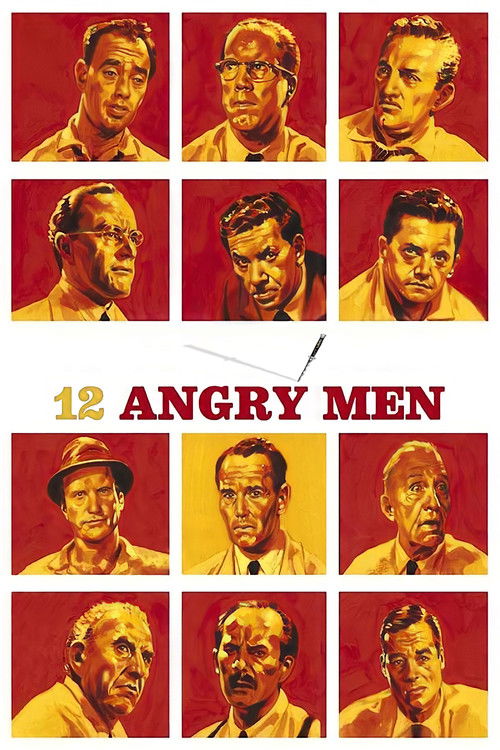
12 Angry Men1957
Examines how prejudice and persuasion corrupt judgment in a claustrophobic room. Sidney Lumet's masterpiece about reasonable people making unreasonable choices mirrors The Intruder's anatomy of mob mentality, but from inside the deliberation rather than the streets.
But Black-and-white courtroom drama with minimal action. If you need plot momentum over ideas, this will feel slow and stagey.
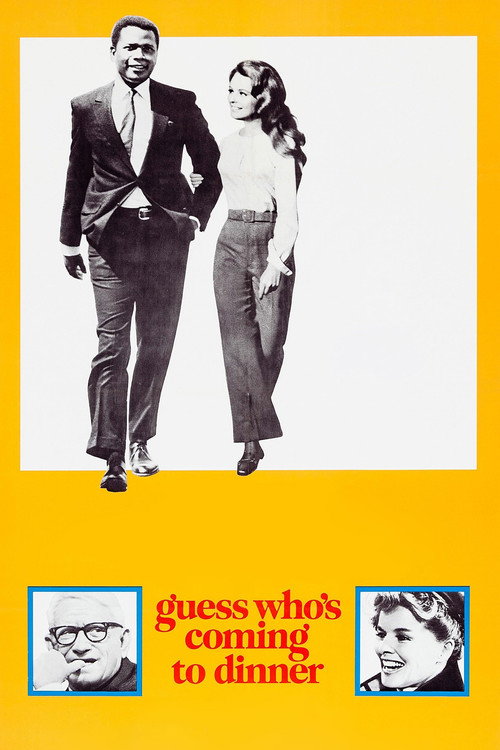
Guess Who's Coming to Dinner1967
A family confronts real prejudice when their daughter brings home her Black fiancé. Spencer Tracy and Sidney Poitier navigate the same integration-era tensions, but this time asking whether good people can evolve. A necessary counterpoint to The Intruder's despair.
But Earnest and a touch didactic by modern standards. The message can overshadow the drama, and it asks for a kind of faith in progress that The Intruder explicitly denies.
The Crucible1996
Arthur Miller's play about the Salem witch trials, reframed as allegory for McCarthyism and mass hysteria. Like The Intruder, it shows how fear and accusation can turn a community into its own executioner, with one man weaponizing collective paranoia.
But Period drama disguised as contemporary warning. If you prefer subtlety in your parallels, the message lands heavy-handed.

Not sure tonight? Get a pick in a minute, starting from The Intruder
The wildcard
Something you would not have found on your own.
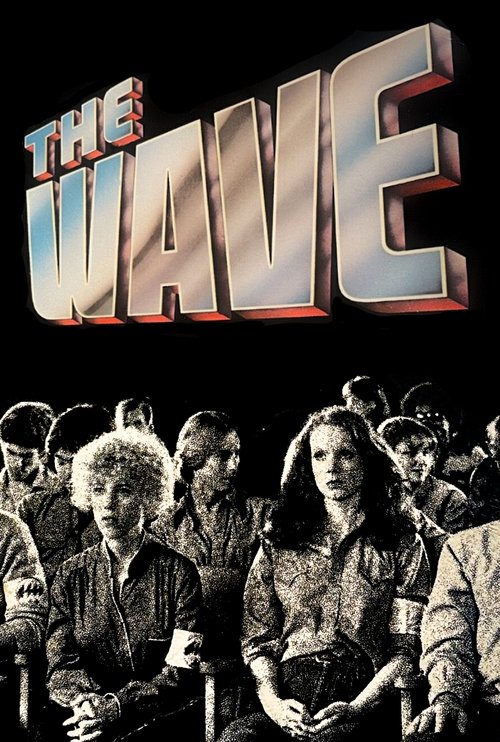
The Wave1981
Both are studies of how a charismatic figure weaponizes group psychology to override individual conscience. The Intruder operates through racial manipulation; The Wave through ideology and belonging. Same machine, different fuel.
A high school teacher recreates the Third Reich as a classroom experiment to demonstrate how easily authoritarianism spreads. Like The Intruder, it's a surgical dissection of conformity and the seduction of belonging—but here the audience watches the infection happen in real time, in a room full of teenagers.
But Based on a true experiment that raises ethical questions the film doesn't fully unpack. Some find it didactic, and the low budget shows.
More like this (8)
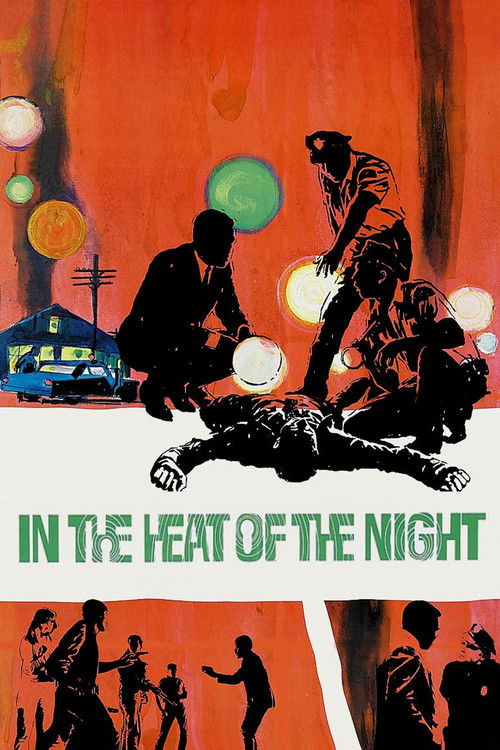
In the Heat of the Night1967
A Black detective and a white sheriff must work together in a Jim Crow town. Sidney Poitier and Rod Steiger navigate the same hostile Southern landscape as The Intruder, but this time focused on two men forced to recognize each other's humanity.
But The resolution feels tidy compared to The Intruder's bleak ending. If you want unflinching darkness, this offers redemption where you might want none.
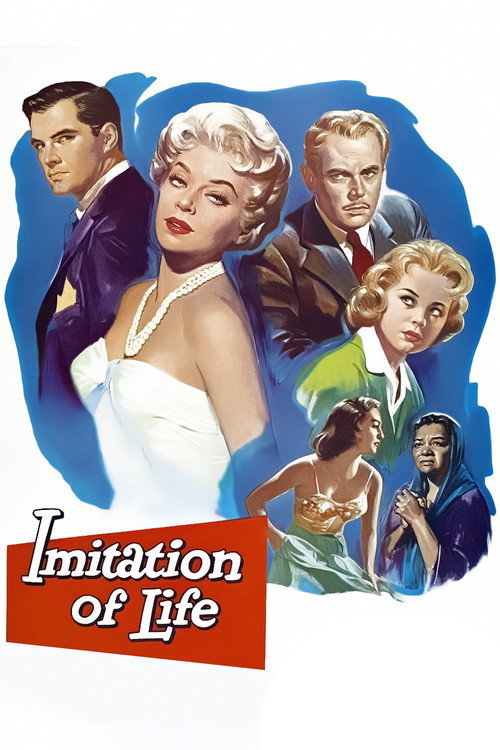
Imitation of Life1959
Douglas Sirk's melodrama exposes how racism corrodes from within a family, with a light-skinned Black woman passing as white. The film's emotional intensity and visual language mirror The Intruder's sense of infection spreading through a community.
But Sirk's melodrama can feel overwrought, and the tragedy is personal rather than societal. The scale is smaller than The Intruder's mob dynamics.
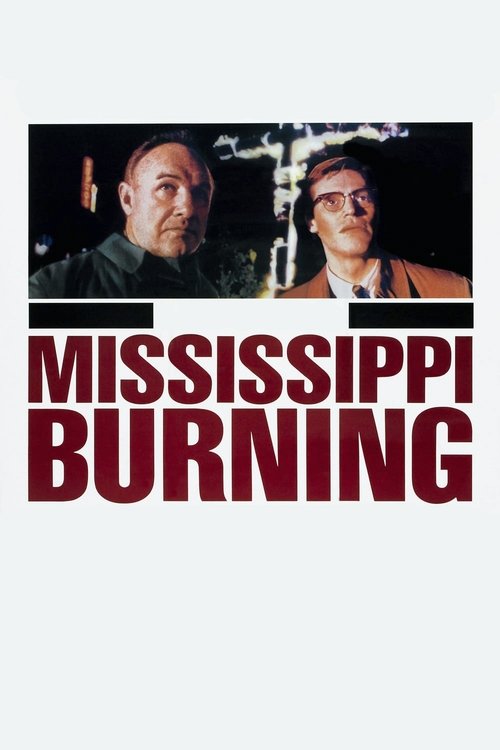
Mississippi Burning1988
FBI agents investigate the murder of civil rights workers in a 1964 Mississippi town. Like The Intruder, it anatomizes how hatred operates in a small Southern community, with violence simmering just beneath civility.
But Criticized for centering white heroes and sanitizing history. Some find it manipulative in its emotional register and simplistic in its moral framework.
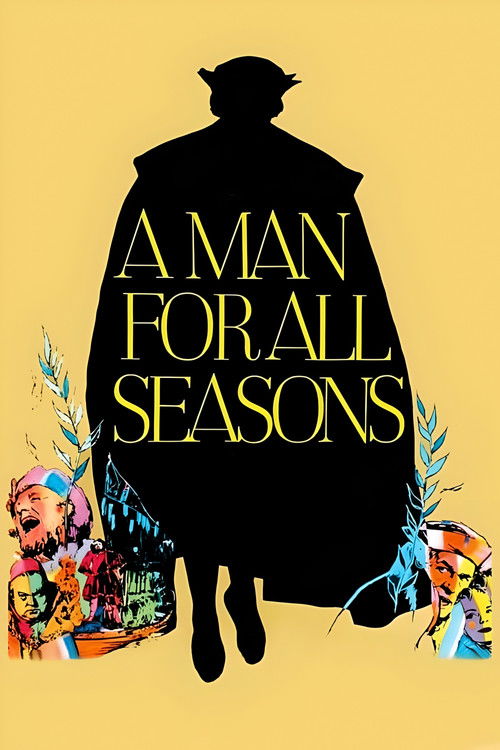
A Man for All Seasons1966
A quiet man refuses to bend to power. Paul Scofield's Thomas More resists manipulation and coercion with integrity intact—the inverse of The Intruder's community, but exploring the same question: how do you hold firm when pressure is totalizing?
But Period costume drama about religious principle. If you need contemporary relevance spelled out, this requires you to make the connection yourself.
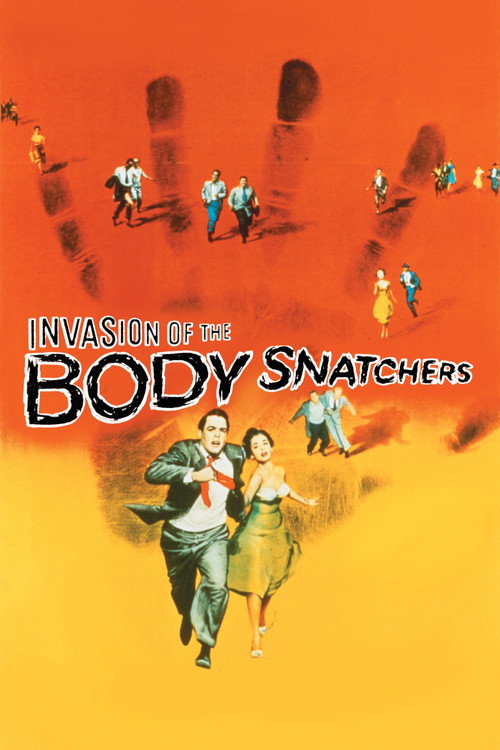
Invasion of the Body Snatchers1956
Pod people replace townspeople one by one; paranoia metastasizes through a community. The sci-fi framing creates distance, but the anatomy of distrust and conformity mirrors The Intruder's portrait of a town turning on itself.
But Science fiction allegory rather than social realism. The genre machinery can feel dated, and some prefer their paranoia without the pods.
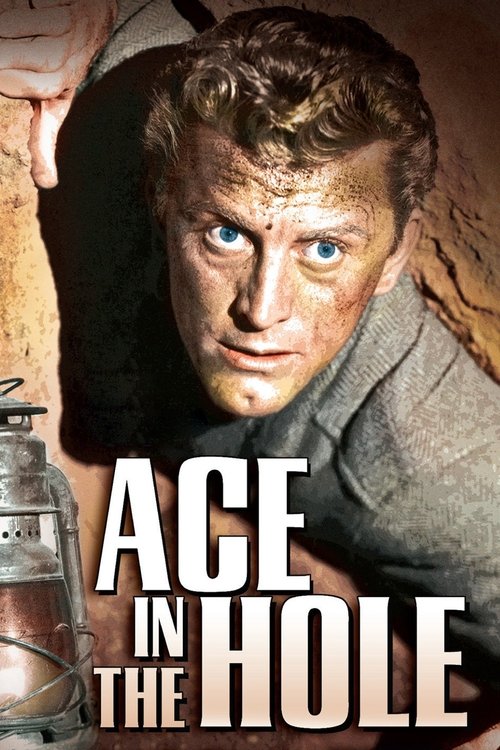
Ace in the Hole1951
Kirk Douglas plays a vulturous journalist who manipulates a small town's tragedy for his career. Billy Wilder's cynical masterpiece about exploitation and spectacle shares The Intruder's contempt for those who profit from division and fear.
But Bleak and almost hostile to its characters. Wilder's misanthropy can feel exhausting, and there are no heroes to root for.
Kes1970
Both films depict how power operates not through obvious villainy but through systems that grind the powerless. The Intruder's demagogue is a clear villain; Kes shows how villainy can be structural and impersonal. Different registers, same despair about who has agency.
A working-class British boy bonds with a hawk, finding transcendence in the natural world—only to have it destroyed by the systems around him. Ken Loach's film shares The Intruder's sense of how institutional power (class, here; race, there) crushes the vulnerable. The mood is quieter but no less devastating.
But Regional accent and dialogue require attention. It's slow and resists narrative satisfaction—you're watching someone lose, not overcome.

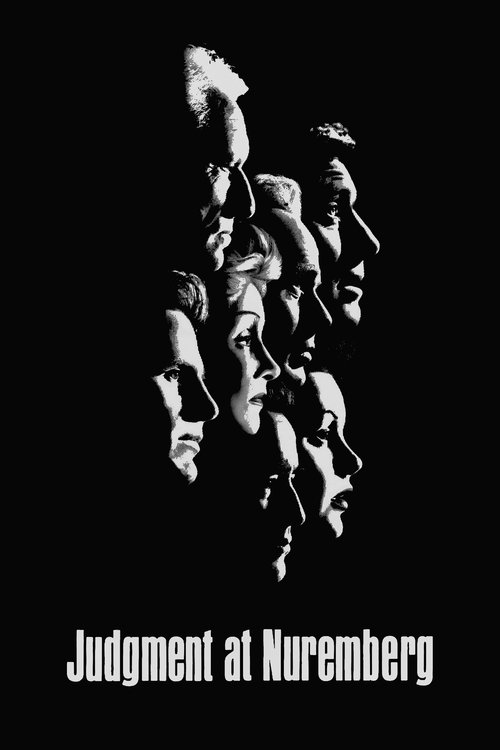
Judgment at Nuremberg1961
Both examine the banality of evil—how ordinary people in ordinary towns enable atrocity through passive acceptance or active participation. The Intruder asks: how does it happen? Judgment at Nuremberg asks: what happens after? They're the before and after of the same moral catastrophe.
A tribunal tries Nazi judges for enabling atrocity through bureaucracy and moral compromise. Spencer Tracy presides over a courtroom reckoning with how ordinary men in positions of authority enabled horror. It's The Intruder's scale expanded to historical reckoning, asking whether individuals can escape complicity.
But At 179 minutes, it's a sprawl. The courtroom drama can feel ponderous, and the 1961 perspective on the Holocaust now feels incomplete and sometimes naïve.
People
Cast
 William ShatnerAdam Cramer
 Frank MaxwellTom McDaniel
- Beverly LunsfordElla McDaniel
 Robert EmhardtVerne Shipman
 Leo GordonSam Griffin
- Charles BarnesJoey Greene
 Charles BeaumontMr. Paton
- Katherine SmithRuth McDaniel
 George Clayton JohnsonPhil West
- William F. NolanBart Carey
- Phoebe RoweMrs. Lambert
- Bo DoddSheriff
Directing
- Steven BernhardtAssistant Director
- Roger CormanDirector
Writing
- Charles BeaumontNovel
- Charles BeaumontWriter
Production
- Gene CormanExecutive Producer
- Roger CormanProducer
- Jack BohrerProduction Manager