
Film
All's Well That Ends Well
A 1981 BBC Shakespeare adaptation of one of the Bard's thorniest comedies, where a doctor's daughter pursues a reluctant nobleman across continents. It's intimate, occasionally awkward, and deeply invested in whether love can bridge class divides—or if it should. For viewers who want Shakespeare that feels lived-in rather than performed.
Should you watch it?
Watch it if you love Shakespeare's problem plays, where comedy and bitterness sit side by side and the wit stays sharp even when the people are unpleasant, and you want the 1981 BBC staging's stagey, actorly delivery rather than modern reinvention.
Skip it if you want a tight, fast comedy with easy likeable heroes; Bertram is hard to root for, and the plot's bargains and reversals move at the leisurely pace of a filmed stage play.
What it asks of you: Nearly two and a half hours of patient, talky theatre with long scenes and little visual flourish, so you need to sit with the language and let the ironies build slowly.
Not sure? Find tonight's pick in a minute.
If you liked this
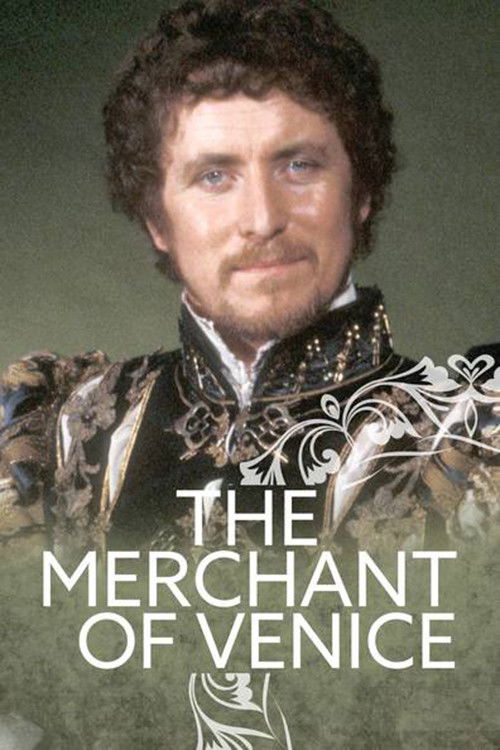
The Merchant of Venice1980
Another early-80s BBC Shakespeare with Charleson (in a different role) and the same ensemble feel. It's equally concerned with wealth, mercy, and whether justice and love can coexist. Rich, troubling, and gorgeously shot.
But The play has an uncomfortable relationship with its Jewish character that no production can quite resolve. Some will find that unwatch-able regardless of how thoughtfully it's handled.
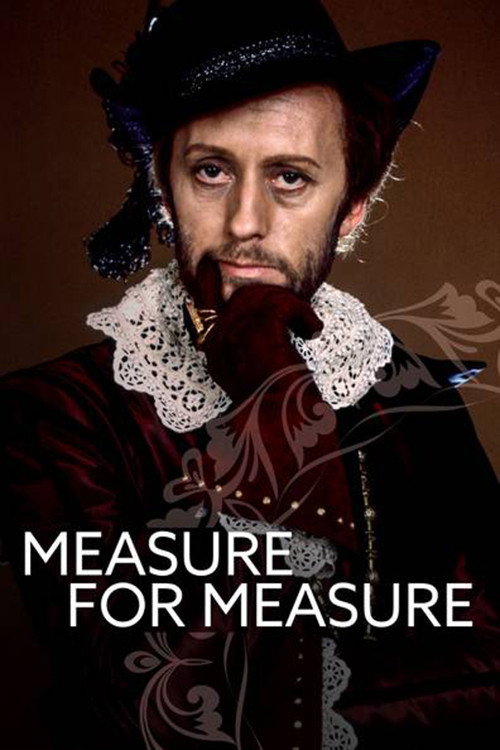
Measure for Measure1979
BBC Shakespeare that shares the same DNA: a woman using wit and knowledge to navigate a system rigged against her, questions about power and desire that refuse easy answers. Dark comedy with real stakes.
But It's more bleak than romantic. The resolution feels imposed rather than earned, and if you want catharsis, this won't give it to you.
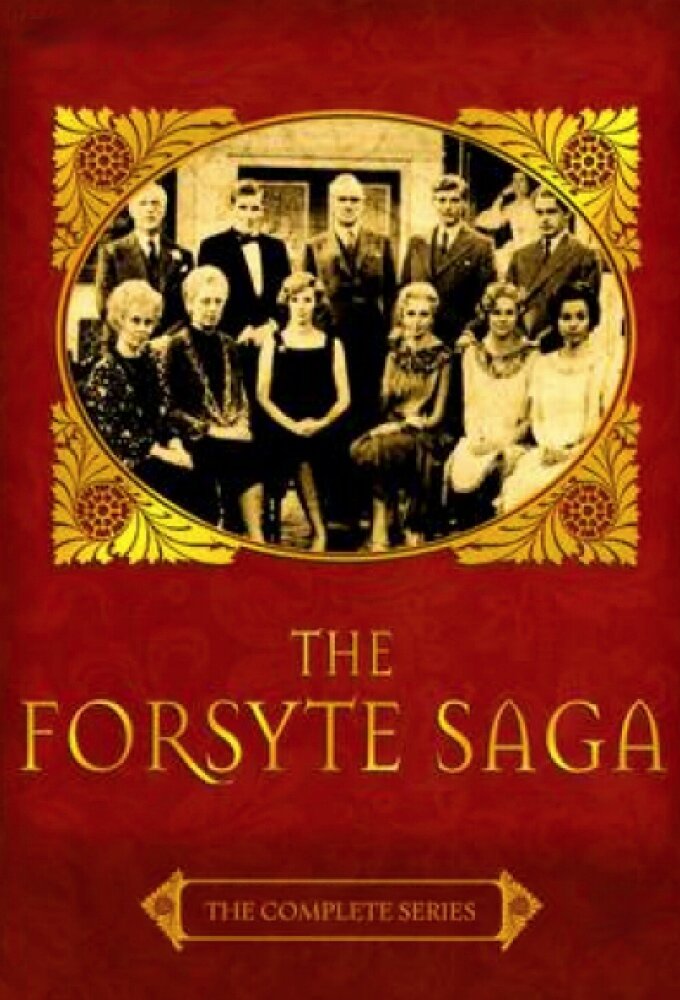
The Forsyte Saga1967
BBC period drama across decades tracking desire, class, and marriage through multiple generations. Same slow-burn investment in character over plot, and the same understanding that love and duty don't always align.
But It's 26 episodes. Even if you love it, you're committing to something vast. Patience required; rewards considerable.
Not sure tonight? Get a pick in a minute, starting from All's Well That Ends Well
The wildcard
Something you would not have found on your own.
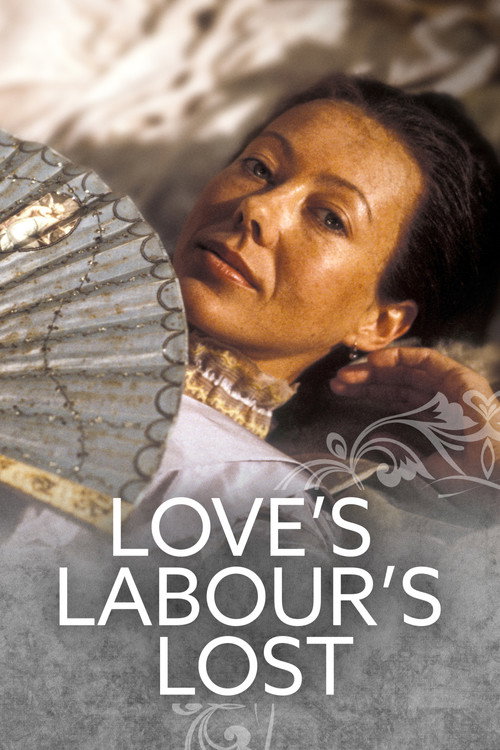
Love's Labour's Lost1985
Both plays are about people trying to engineer outcomes through will and intelligence—Helena through medicine and wit, the men in Love's Labour's through books and oaths—and both are fundamentally about the failure of that ambition in the face of actual feeling.
The inverse of All's Well: men trying to avoid love through philosophy and wit, undone by women with better plans. It's Shakespeare's most self-aware comedy about the gap between what we intend and what actually happens. Late career meditation on desire as inevitability.
But It's considered one of the least popular Shakespeare plays. The wordplay is dense, the structure is unusual, and if you don't find the humor, there's not much underneath to hold you.
More like this (8)
Pride and Prejudice
Same emotional engine: a woman from the wrong side of the social ladder chasing a man of higher rank who initially resists her. Austen does it with more wit, but the core question—can love bridge the gap?—is identical.
But It's entirely different in register and era. If you want more Shakespeare, this isn't it. And if you've already seen this version, there's nothing new here.
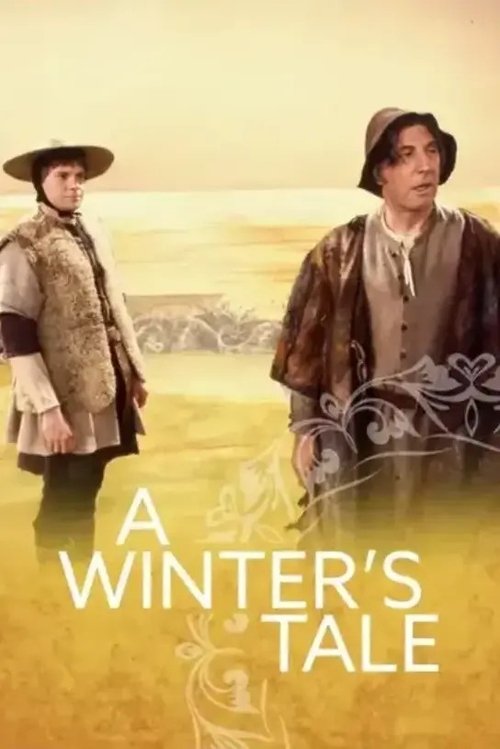
The Winter's Tale1981
From the same BBC cycle. Another late play about desire, misunderstanding, and time's power to heal what looks irreparable. Less comedy-romance than tragedy-romance, but the same emotional depth.
But It's slow in the middle stretch, and the symbolic weight can feel heavy-handed. The resolution asks you to accept magic as metaphor rather than plot.
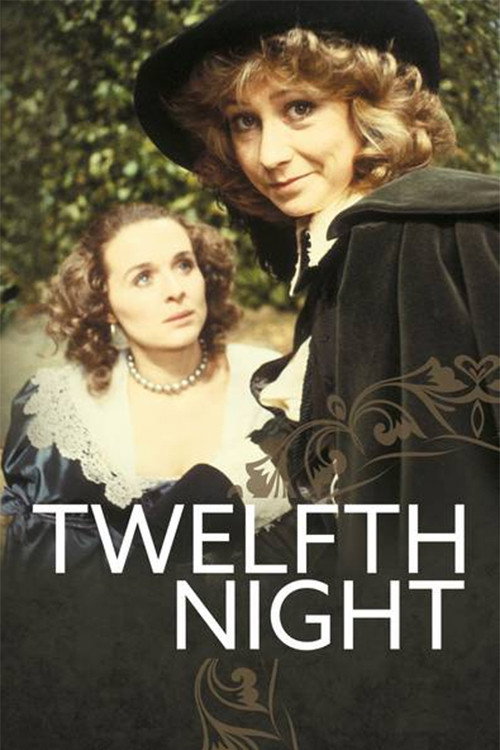
Twelfth Night1980
Lighter than All's Well, brighter in tone, but wrestling with similar questions about desire, identity, and whether love is a choice or a compulsion. Utterly charming and formally inventive.
But It's more crowd-pleaser than challenge. If you're drawn to All's Well because it's difficult, this might feel slight by comparison.
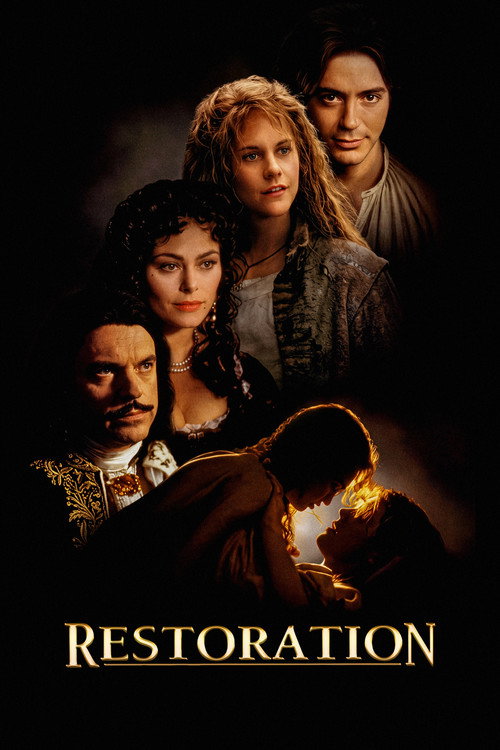
Restoration1995
A woman from humble birth entangles herself with a man of rank during a plague. Same sexual politics, same class anxiety, same wry tone about whether desire can survive social reality. Period-specific but thematically allied.
But It's considerably more explicit about sex and bodily matters than a 1981 BBC adaptation. The register shift might feel jarring if you're coming straight from this version.
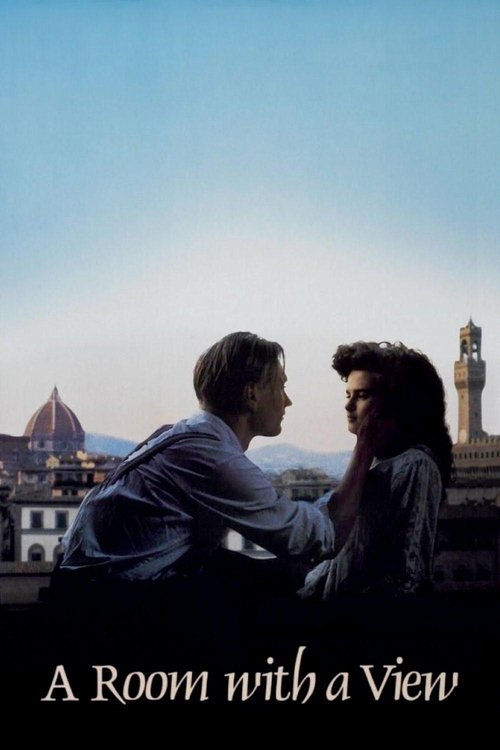
A Room with a View1986
Another ensemble period romance where a young woman navigates class expectations and genuine feeling. Forster's wit meets visual beauty, and like All's Well, it takes the internal conflict—duty versus desire—seriously.
But It's sunnier and less knotted than Shakespeare. If you want more moral ambiguity, you won't find it here.
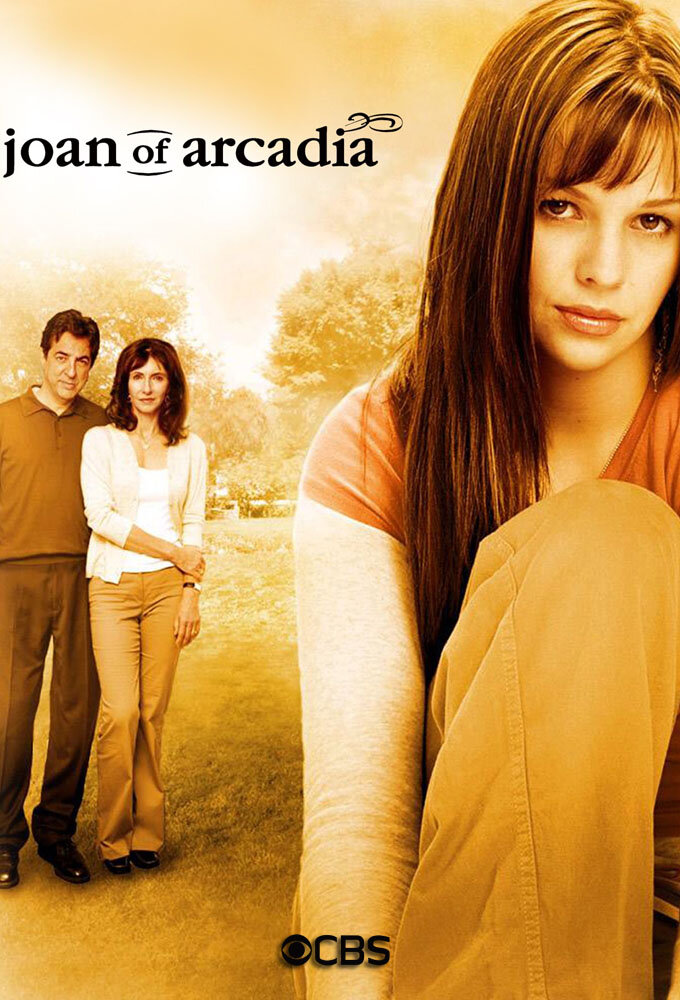
Joan of Arcadia2003
Tom Stoppard's play about time, desire, and the gap between what we want and what we get. It moves faster than All's Well and it's funnier, but it shares the same elegant intelligence and the same refusal to sentimentalize love.
But It's more cerebral than emotional. If you watch Shakespeare for the feelings rather than the ideas, this might leave you cold.
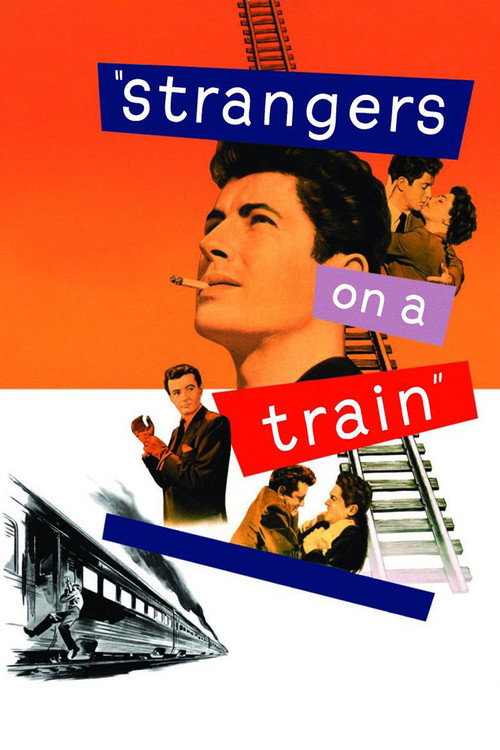
Strangers on a Train1951
Both explore the ethics of pursuit: the moment when persistence tips from romantic into coercive, and whether a person can be obligated to return a feeling they never invited.
Hitchcock's moral thriller about two men with opposed desires who become entangled in an obligation neither fully consented to. Like Helena's pursuit of Bertram, it's about the terrible weight of a claim one person makes on another and whether consent can be retracted once freely given.
But It's a genre film, not a romance. If you're watching for emotional intimacy, this is tense and clever but deliberately remote.
The Remains of the Day1993
Both are finally about the inescapable nature of class anxiety in questions of the heart: whether love can bridge it, whether it should, and what refusing to try costs you either way.
A man of lower rank who might have chosen love defers to duty, then spends decades reckoning with what the choice cost him. It's All's Well viewed through the opposite end of the telescope—Bertram's story if Bertram had actually rejected Helena and meant it. Quiet, devastating, about the ways class and habit can calcify into regret.
But There's almost no plot. Things are felt rather than acted. If you need events to happen, this will frustrate you.

People
Cast
 Celia JohnsonCountess of Rousillon
 Ian CharlesonBertram
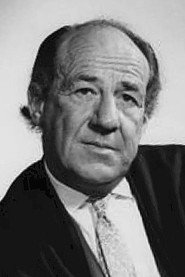 Michael HordernLafeu
 Angela DownHelena
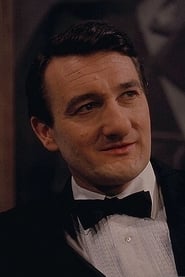 Peter JeffreyParolles
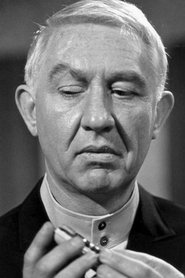 Kevin StoneyCountess's Steward
 Donald SindenKing of France
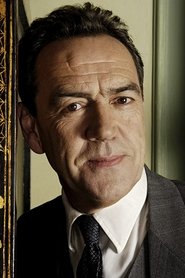 Robert LindsayFirst French Lord
 Dominic JephcottSecond French Lord
 Paul BrookeLavache
 James SimmonsBachelor
- John SegalBachelor
Directing
- Elijah MoshinskyDirector
Writing
- William ShakespeareTheatre Play
Production
- David Myerscough-JonesProduction Designer
Recommended by
The Merchant of Venice, Measure for Measure, Measure for Measure, The Winter's Tale