
Film
As You Like It
Other titles called As You Like It: the 2006 film.
Christine Edzard's 1992 adaptation transplants Shakespeare's romantic comedy to a gritty, post-industrial wasteland where class structures crumble and love blooms amid dereliction. Visually audacious and deliberately strange, it trades the Forest of Arden for a sprawling junkyard, making the pastoral a place of refuse and renewal. Ideal for viewers who want Shakespeare unmoored from tradition, willing to meet radical invention halfway.
If you liked this
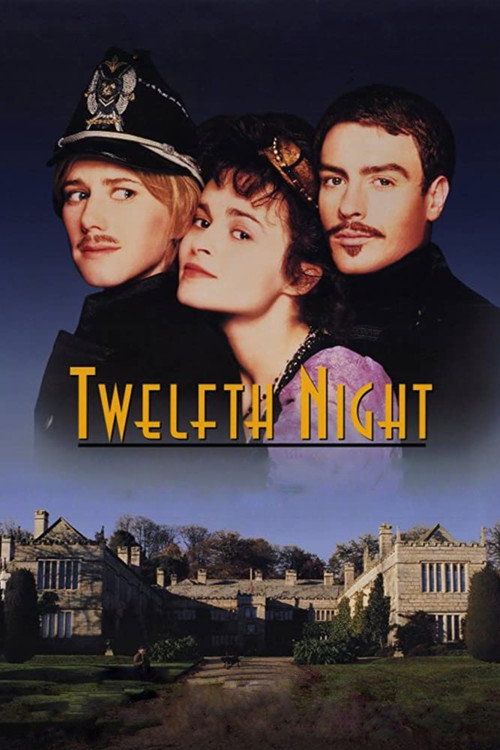
Twelfth Night1996
Neill's gender-bending comedy shares As You Like It's playful logic: identity is fluid, desire defies categories, and disguise reveals truth. Visually lush where Edzard is austere, but equally committed to the comedy's anarchic energy.
But The 90s production design feels dated now, and some of the broad comedy hasn't aged gracefully. It's also fundamentally lighter in mood.
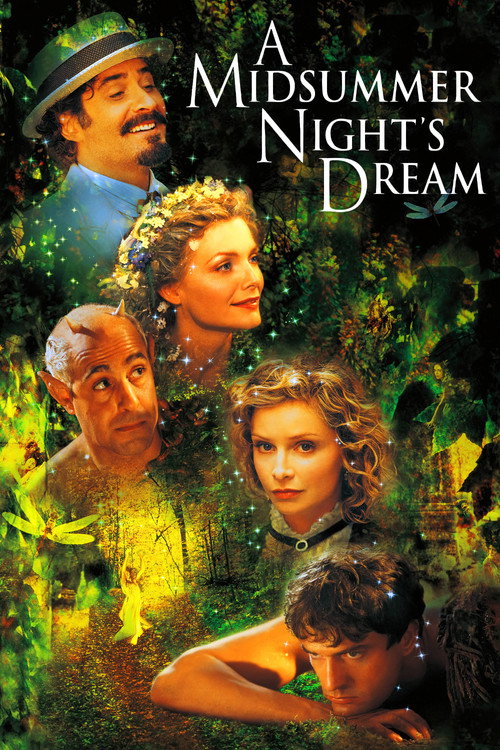
A Midsummer Night's Dream1999
Hoffman's version is equally unafraid of visual spectacle and emotional sincerity. Both films treat Shakespeare as a living text worth reimagining rather than preserving, with forests—magical or industrial—as spaces where normal rules suspend.
But Nearly three hours long, and the film occasionally disappears into its own production design. Some find it overwrought rather than magical.
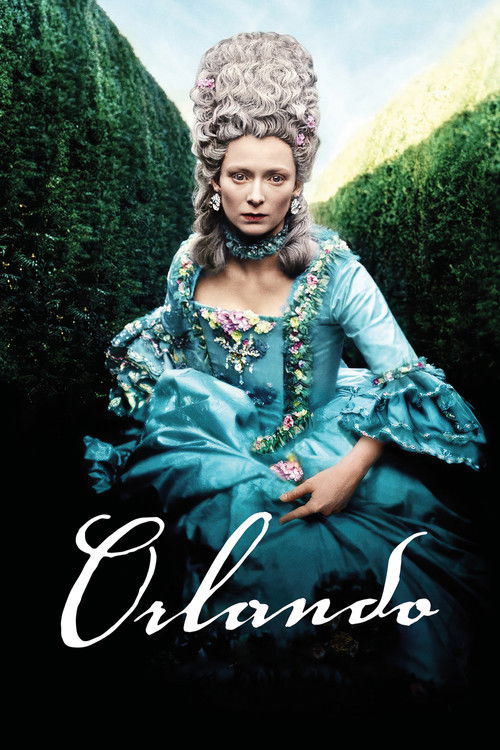
Orlando1992
Released the same year, this adaptation of Virginia Woolf is Edzard's spiritual twin: a radical rethinking that treats time, gender, and identity as malleable. Both reject period-costume reverence in favour of formal innovation.
But Its oblique pace and refusal of conventional narrative logic makes it a challenging sit. Not a film that builds momentum in the traditional sense.
Not sure tonight? Get a pick in a minute, starting from As You Like It
The wildcard
Something you would not have found on your own.
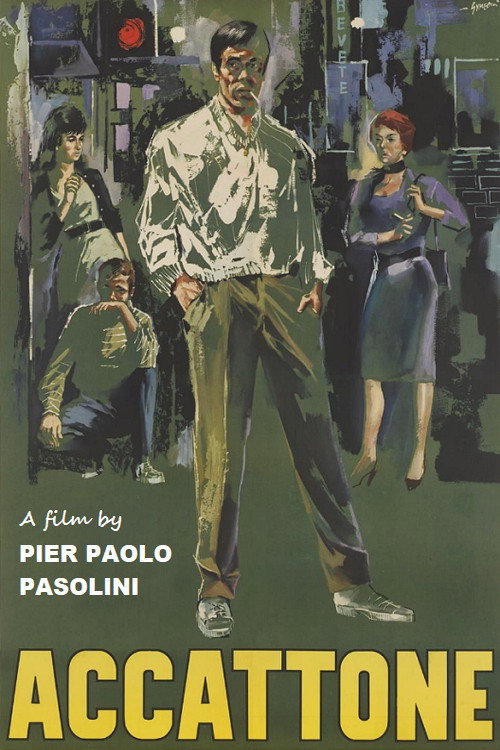
Accattone1961
Both locate romance and human dignity in industrial or impoverished margins rather than courts or forests; both are formally audacious works by directors treating their chosen spaces as characters.
Pasolini's directorial debut about survival in the Roman underclass shares Edzard's conviction that beauty and grace emerge from destitution. Both find poetry in marginal spaces and marginal people, treating them with absolute seriousness.
But It's slow, morally ambiguous, and offers no comfort. Shot in grainy black and white on the streets of Rome, it demands you look at poverty without flinching. The pacing will test you.
More like this (8)
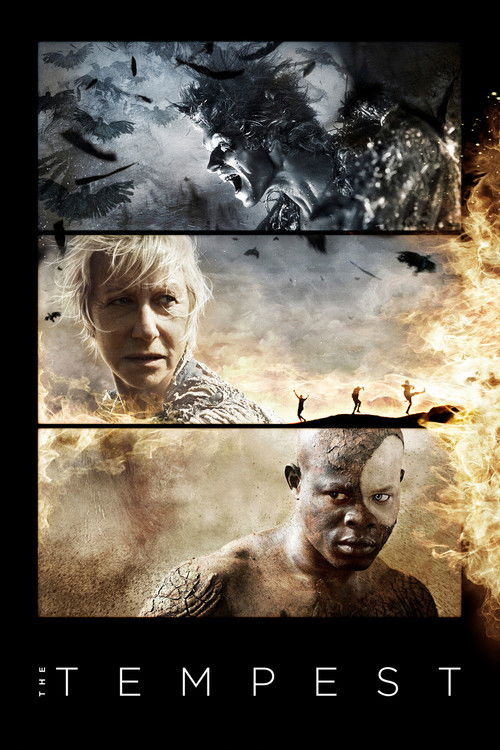
The Tempest2010
Taymor's version shares Edzard's willingness to completely reimagine setting and visual language while honouring the emotional core. Both directors trust the text enough to transform it radically.
But At two and a half hours, it demands patience. The spectacle can overwhelm the intimate moments that matter most.
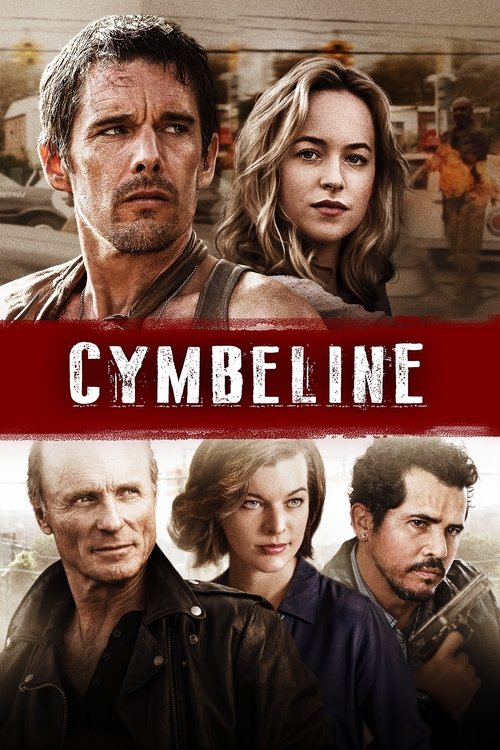
Cymbeline2014
Lex's post-apocalyptic reading of Shakespeare feels kindred: a late play relocated to a harsh, contemporary world where beauty persists in unlikely places. Both films argue that Shakespeare's language survives anything.
But It's genuinely bleak in a way that frustrates some viewers. Romance and beauty aren't enough to dispel the grimness of the setting.
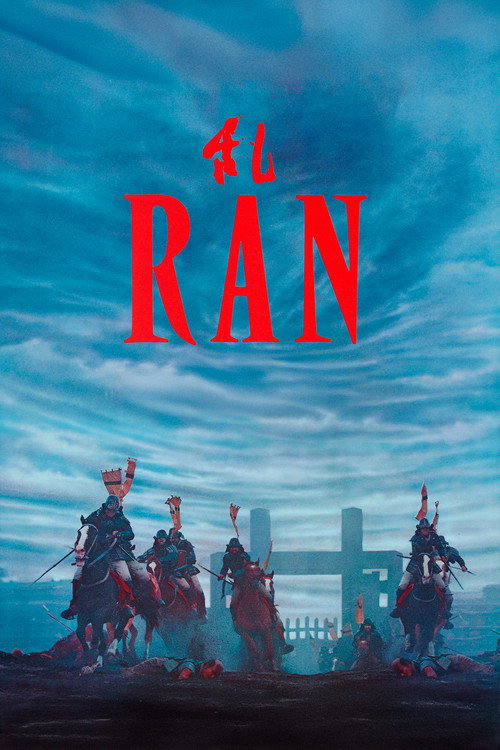
Ran1985
Kurosawa's adaptation of King Lear shares with Edzard a conviction that transposing Shakespeare into unfamiliar landscapes deepens rather than diminishes it. Both directors are visual artists first, using environment to tell the story.
But At three and a half hours, and dealing with betrayal and madness rather than romance, it's a very different emotional experience. The beauty is inseparable from the tragedy.
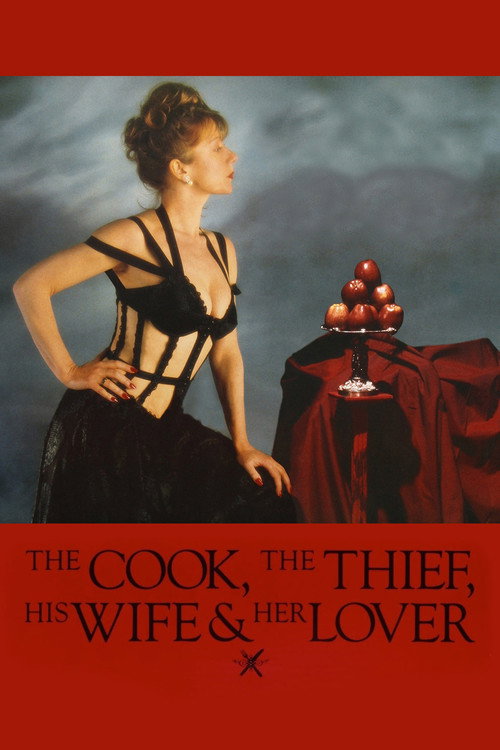
The Cook, the Thief, His Wife & Her Lover1989
Greenaway's baroque, deliberate style shares Edzard's refusal of naturalism. Both films use artificial, heightened visual composition and industrial or claustrophobic spaces to create an alternate world with its own logic.
But It's deeply unpleasant: violent, graphic, and designed to disturb. The beauty of the composition doesn't soften what's being depicted. Not a date night film.
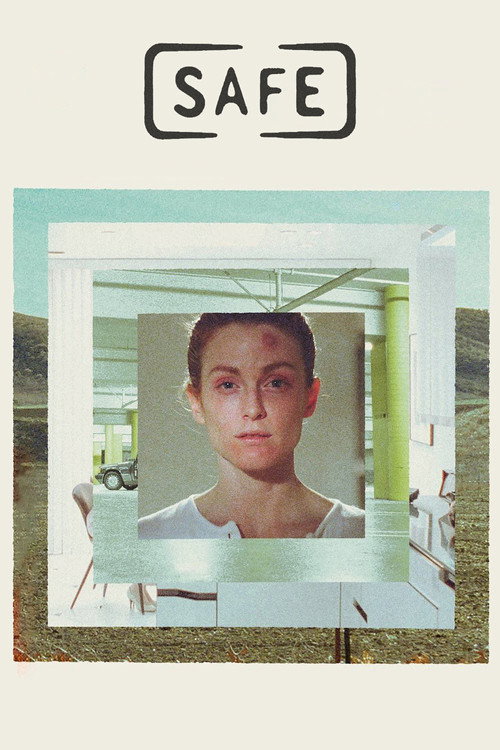
Safe1995
Haynes uses Americana and domestic spaces the way Edzard uses industrial wasteland: as a portrait of alienation and displacement. Both films suggest that the ordinary world is fundamentally strange and hostile.
But It's relentlessly depressing, offering no catharsis or resolution. The slowness and repetition are intentional but punishing for some audiences.
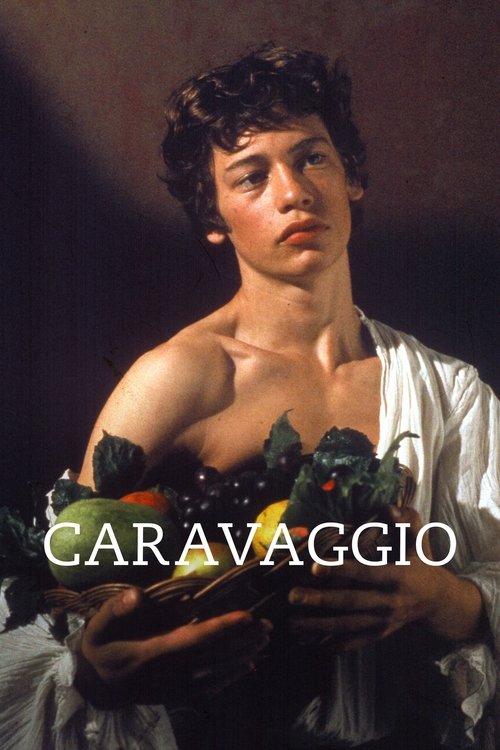
Caravaggio1986
Jarman's film shares Edzard's sensibility: artistic, formally daring, indifferent to period authenticity, treating the past as a space to explore contemporary questions about art, desire, and mortality.
But It's deliberately theatrical and artificial in a way that reads as affected to some. The low budget is visible, and the film doesn't pretend otherwise.
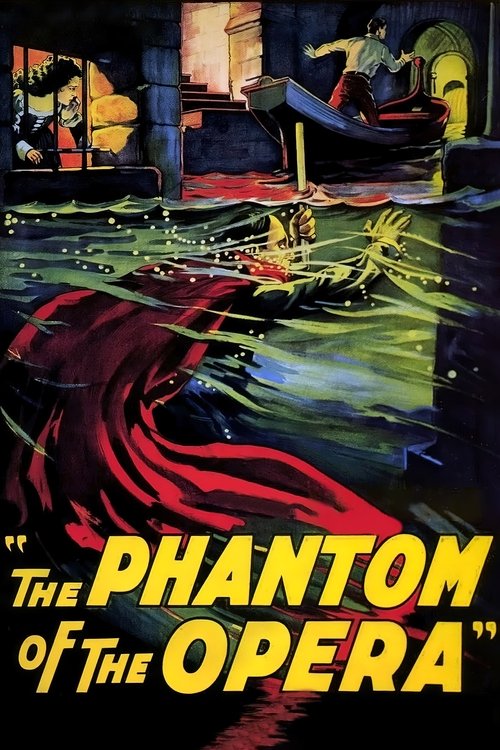
The Phantom of the Opera1925
Both treat architectural and industrial spaces as repositories of feeling; both use visual excess and formal invention to express psychological and romantic states that dialogue alone cannot reach.
Lon Chaney's silent masterpiece uses grotesque makeup, theatrical staging, and a cavernous industrial set (the Opera's catacombs) as Edzard uses her junkyard: as a space where beauty and monstrosity coexist, where love and horror are entangled.
But It's silent film: no dialogue, only intertitles. The pacing is glacial by modern standards. And the opera sequences, while visually sumptuous, go on. You have to surrender to its rhythm entirely.
Stalker1979
Both treat desolate, industrial or post-industrial landscapes as spaces where human longing plays out against environmental indifference; both privilege visual and spatial storytelling over conventional narrative logic; both suggest that desire itself is the only true drama.
Tarkovsky's three-hour meditation on desire and disappointment unfolds through a journey into a mysterious, desolate industrial zone—a landscape as much character as setting. Like Edzard's film, it trusts slowness and visual poetry to convey what plot cannot.
But This is maximum Tarkovsky: glacial pacing, long takes, philosophical digressions, almost no plot in the conventional sense. It's meditative to the point of inertia. Not for viewers looking for momentum or catharsis.

People
Cast
 James FoxJaques
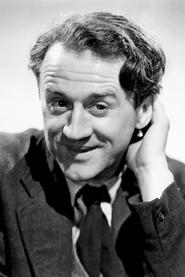 Cyril CusackAdam
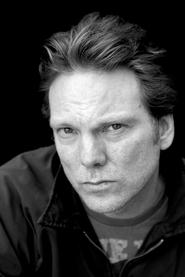 Andrew TiernanOrlando / Oliver
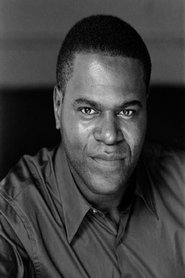 Tony ArmatradingCharles
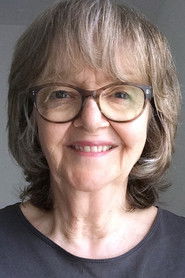 Celia BannermanCelia
- Emma CroftRosalind
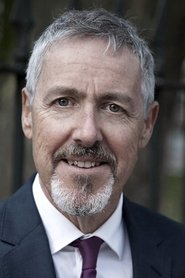 Griff Rhys JonesTouchstone
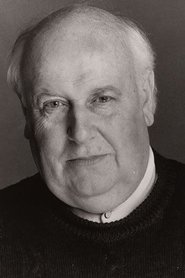 Roger HammondMr. Le Beau / Corin
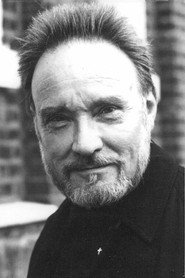 Don HendersonThe Dukes
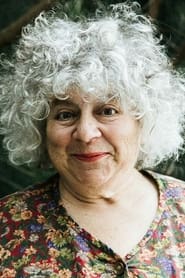 Miriam MargolyesAudrey
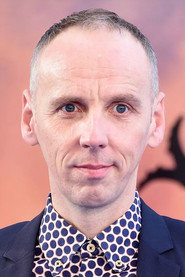 Ewen BremnerSilvius
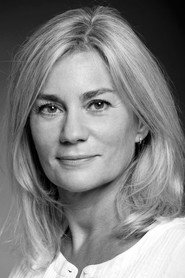 Valerie GoganPhoebe
Directing
- Christine EdzardDirector
Writing
- William ShakespeareTheatre Play
Production
- Celia BannermanAssociate Producer
- Celia BannermanCasting
- George ReinhartProducer
- Olivier StockmanProducer