
Film
The Wonderful Story of Henry Sugar
Wes Anderson's 39-minute adaptation of Roald Dahl's short story, staged like a storybook brought to life. A wealthy man pursues a mystical power to see without sight, chasing enlightenment and cheating in equal measure. Visually ornate, playfully deadpan, made for people who love Anderson's world and those curious about what happens when a maximalist filmmaker squeezes a small story into something miniature.
Should you watch it?
Watch it if you enjoy a story told in nested layers of narration, with stagey sets, deadpan wit and a fable's moral bite, and don't mind an artificial, theatrical surface.
Skip it if you want realism or a slow-burn character study, since this is a gleefully artificial tale that stays on the surface and moves in brisk chapters.
What it asks of you: Thirty-nine minutes of short sitting, quick shifts between framing devices, and a playful, stylised manner you must accept from the first frame.
Not sure? Find tonight's pick in a minute.
If you liked this
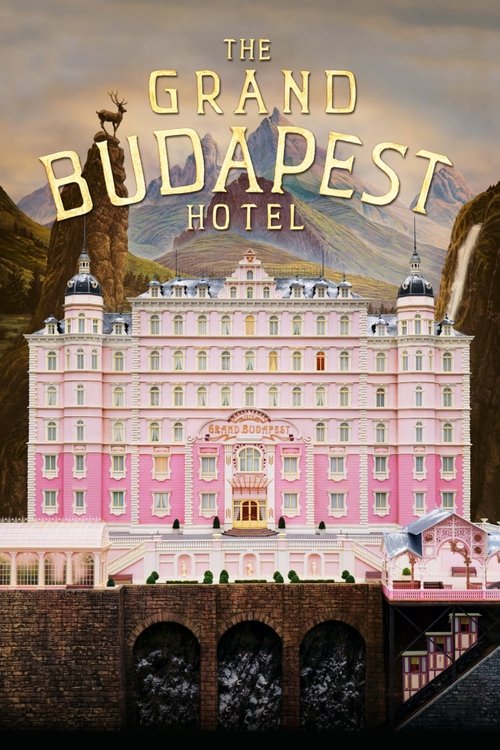
The Grand Budapest Hotel2014
Anderson at peak control: intricate, funny, melancholic, built from the same obsessive love of pattern and colour. If you love Henry Sugar's storybook artifice, this is where that sensibility reaches its fullest expression.
But Nearly three hours of self-conscious whimsy can feel airless if Anderson's rhythm doesn't click for you. Some find the formalism suffocating rather than beautiful.
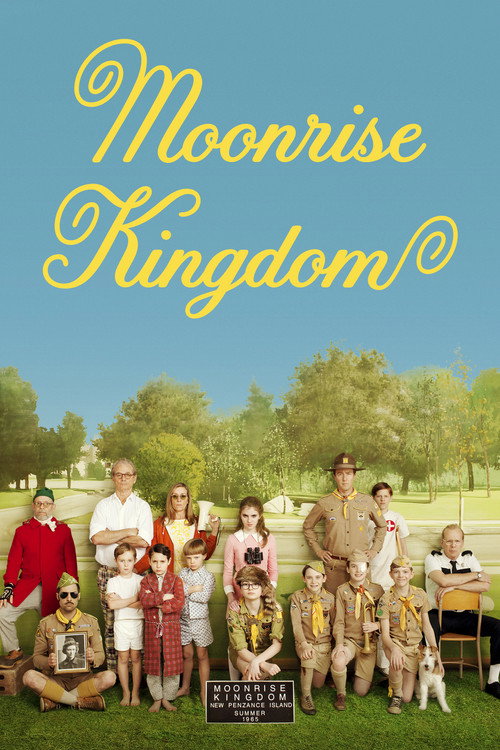
Moonrise Kingdom2012
Smaller in scale than Budapest but equally intricate, with the same blend of childlike wonder and adult melancholy. Anderson directing his most naked emotional core, wrapped in his trademark artifice.
But The twee factor is real. If you're allergic to Anderson's sensibility, this won't convert you—it doubles down on what he does.
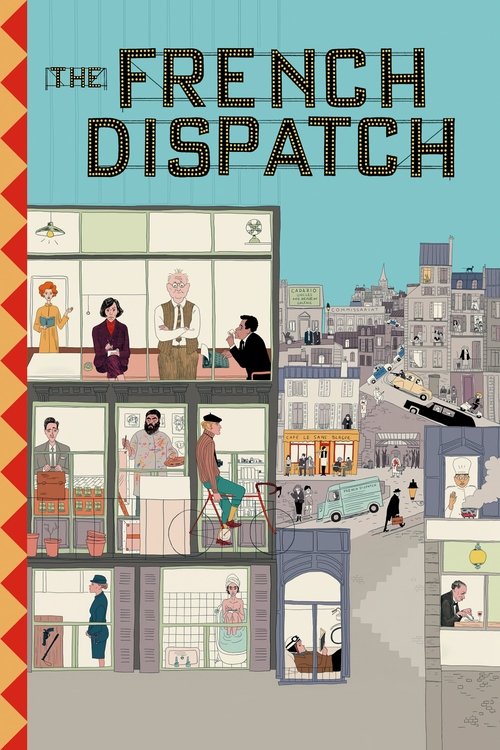
The French Dispatch of the Liberty, Kansas Evening Sun2021
Anderson's most formally experimental: a film made of films, a love letter to magazines and journalism and France. Dazzling, intricate, every frame a painting you want to pause on.
But It's gorgeous but airless—brilliant technique in service of a thin plot. Some viewers find it more impressive than moving.
Not sure tonight? Get a pick in a minute, starting from The Wonderful Story of Henry Sugar
The wildcard
Something you would not have found on your own.
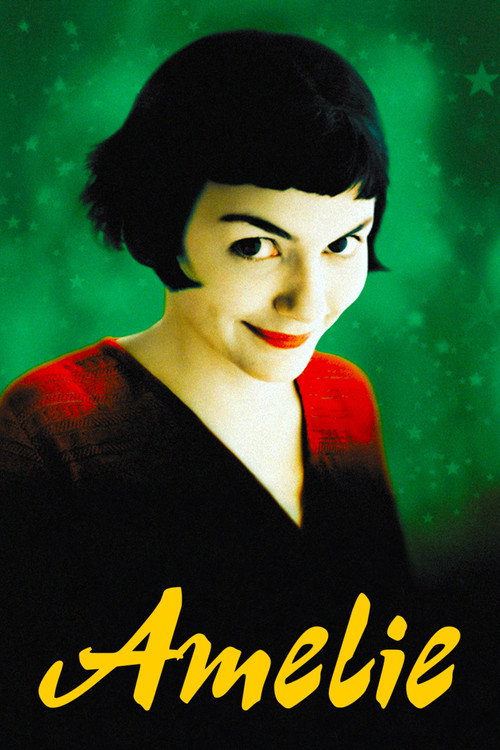
Amélie2001
Both build ornate, self-conscious worlds from real stories of isolated people trying to connect. Both use visual maximalism to convey emotional minimalism.
Jean-Pierre Jeunet's whimsical Paris is Anderson's closest spiritual sibling: world-building through design, colour-saturated frames, a mix of fairy tale and melancholy. Same gorgeous artifice, different sensibility.
But Nearly 25 years old and it wears its precocious quirkiness heavily now. What seemed charmingly eccentric reads as trying hard.
More like this (8)
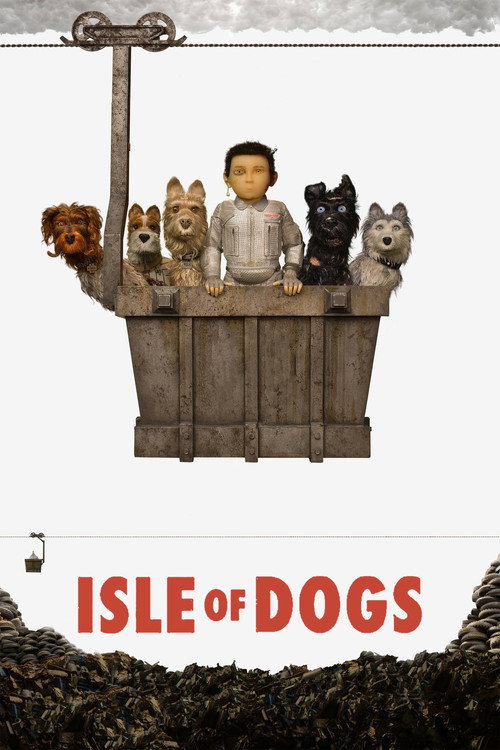
Isle of Dogs2018
Stop-motion allows Anderson to push his visual control even further. A film about loyalty, power, and belonging, wrapped in whimsy but with real emotional stakes underneath.
But The stop-motion puppetry is labour-intensive and sometimes that shows—movement can feel stiff. The Orientalism also hasn't aged well.
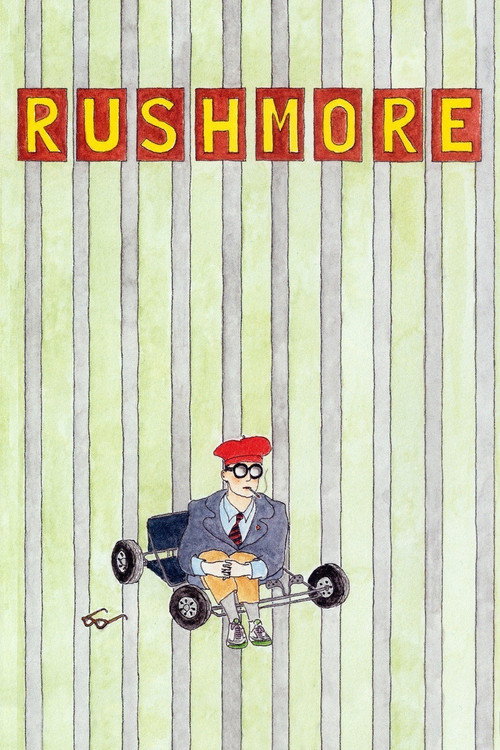
Rushmore1998
Anderson's breakout and still one of his most alive films. Younger, scrappier, funnier than later work, but already building his signature world. Jason Schwartzman is electric.
But It's 30 years old and feels of its moment. The style is less polished—if you need Anderson fully formed, this might look rough.
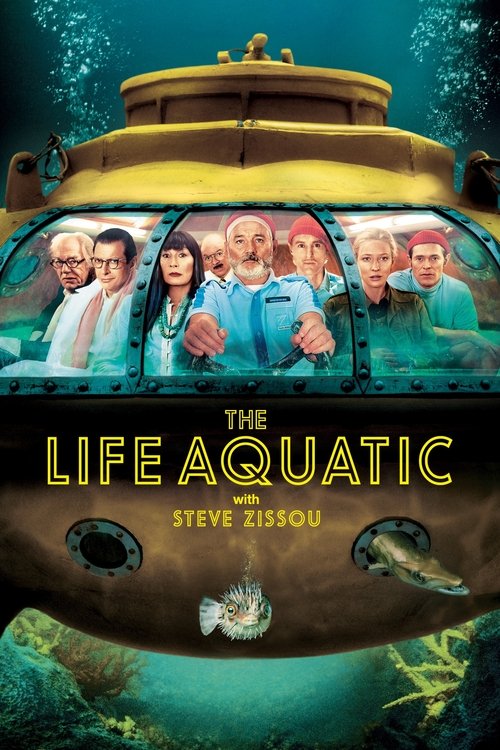
The Life Aquatic with Steve Zissou2004
Melancholy Anderson obsessed with fathers and failure and meaning. Bill Murray is heartbreaking. The artifice serves something real: a meditation on aging and regret and trying.
But It's slow, sometimes tedious, and Murray's depression can feel self-indulgent. The plot meanders deliberately and that's not always forgivable.
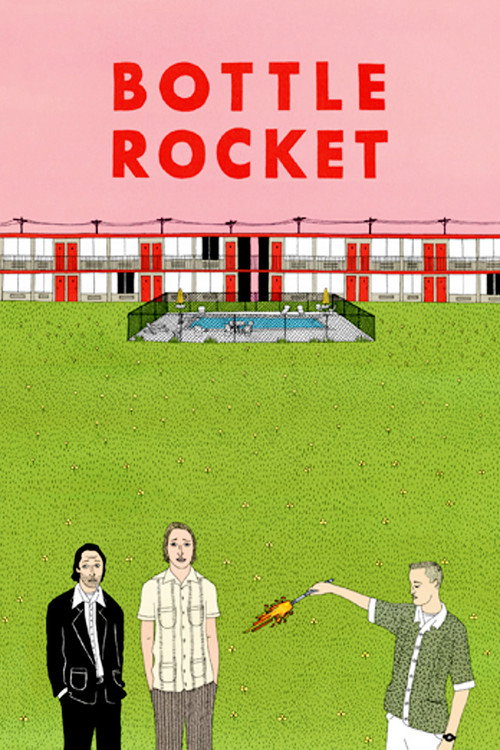
Bottle Rocket1996
Anderson's first feature. Raw, simple, still discovering his voice. Owen Wilson and Luke Wilson are loose and funny; there's an energy here that later work sometimes loses.
But It's genuinely rough around the edges. The style is barely there, the budget shows, and the story is thin. It's a curiosity piece for enthusiasts.
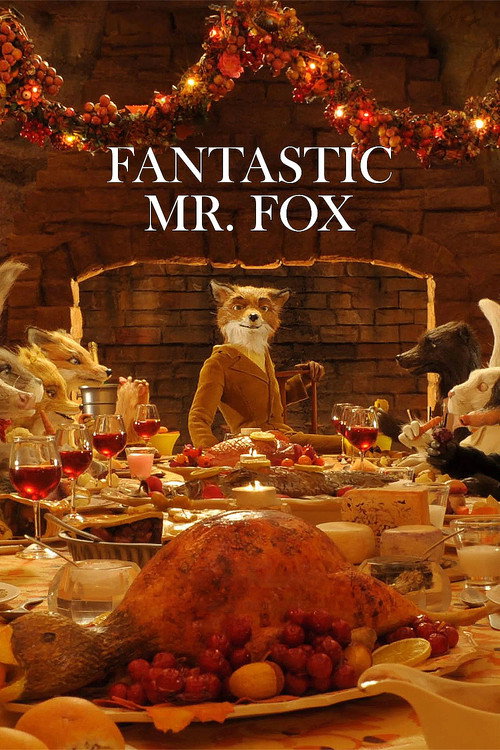
Fantastic Mr. Fox2009
Stop-motion Roald Dahl before Henry Sugar. Hilarious, emotionally true, perfectly paced. Anderson in miniature in every sense, and absolutely assured.
But At 87 minutes it's still quite long despite its toybox aesthetic. If you find stop-motion cold or twee, this won't help.
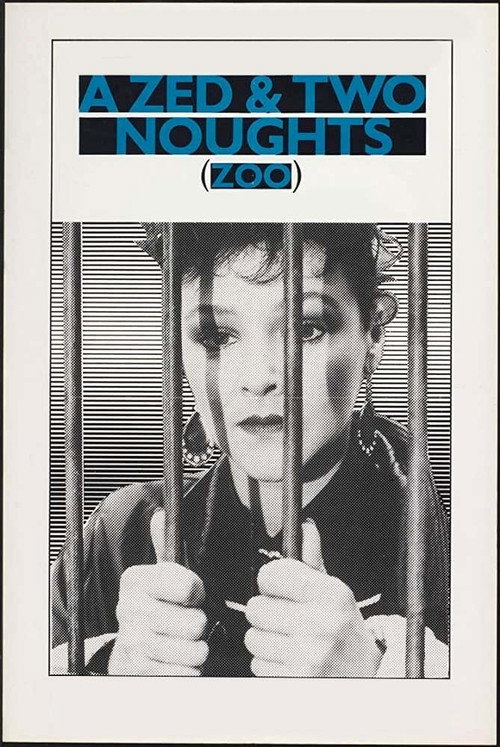
A Zed & Two Noughts1985
Peter Greenaway's rigorous, baroque visual obsession shares Anderson's love of pattern and artifice. Surreal, morbid, mathematically precise—what Anderson might be if he were working in darker territory.
But Greenaway is genuinely difficult. It's austere, slow, cryptic, and uninterested in whether you're enjoying yourself. His formalism can feel cold or pretentious.
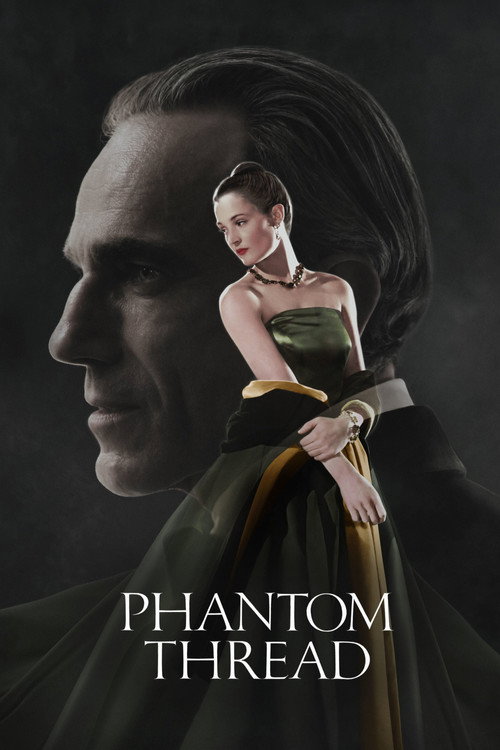
Phantom Thread2017
Both films are about men whose worlds are entirely self-created, perfect and isolated. Both suggest that obsession and enlightenment might be the same thing.
Paul Thomas Anderson (no relation) making a film about obsession, control, and the violence hidden in beautiful things. Hypnotic, sensual, architectural. The opposite register from Henry Sugar but the same precision.
But It's slow, airless, and claustrophobic by design. If you need story momentum or likeable characters, this suffocates you deliberately.
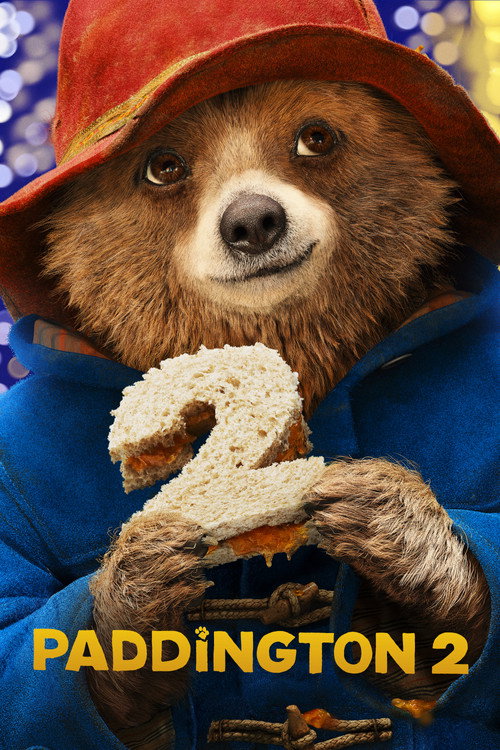
Paddington 22017
Both use fantastic premises (seeing without eyes, a sentient bear) to tell small stories about decency and how we treat outsiders. Both achieve emotional truth through formal precision rather than sentiment.
Paul King's live-action/CGI hybrid is Anderson-adjacent in discipline: every shot considered, every joke earned, a story about manners and kindness told with total formal control. Joyful where Anderson is arch, but equally intricate.
But It's a family film about a talking bear. If you need your cinema austere or serious, this cheerfulness might feel like condescension.
People
Cast
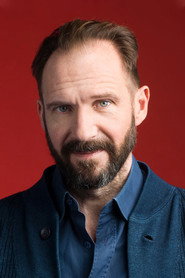 Ralph FiennesRoald Dahl / Policeman
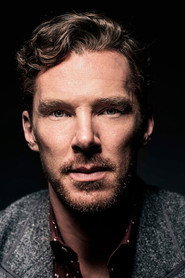 Benedict CumberbatchHenry Sugar / Make-Up Artist
 Dev PatelDr. Chatterjee / John Winston
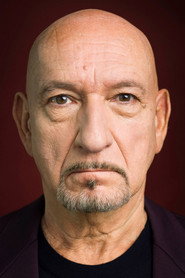 Ben KingsleyImdad Khan / Croupier
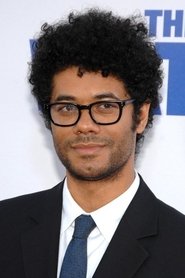 Richard AyoadeDr. Marshall / Yogi
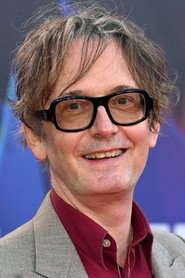 Jarvis CockerCanasta Player / Manor Guest / Friend of Henry Sugar / Casino Entrance Man
- Rebecca CornfordCanasta Player / Manor Guest / Friend of Henry Sugar / Casino Guest / Hospital Nurse
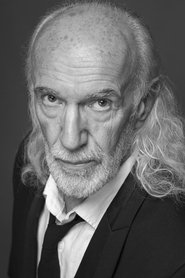 David GantCasino Croupier
- Martin ForemanCasino Guest
- Agatino TrimarchiCasino Guest
- Christopher J. LongCasino Guest
- Richard SissonCasino Guest
Directing
- Wes AndersonDirector
- Adam SomnerFirst Assistant Director
- Jennifer FurchesScript Supervisor
- Martin ScaliSecond Unit Director
Writing
- Roald DahlOriginal Film Writer
- Roald DahlShort Story
- Wes AndersonWriter
Production
- Molly RosenblattAssociate Producer
- Alice DawsonCo-Producer
- John PeetCo-Producer
- Octavia PeisselCo-Producer
- Jeremy DawsonProducer
- Steven M. RalesProducer
- Wes AndersonProducer
- Bertrand GirardUnit Manager