
Television series
A Perfect Planet
- Light-hearted
- Dip in and out
David Attenborough guides you through five elemental forces—sun, wind, water, weather, and human—that sustain all life on Earth. Visually stunning, scientifically rigorous, and deliberately hopeful rather than apocalyptic. This is planet Earth explained as a system, not just a collection of spectacles. For anyone who wants to understand how the world actually works.
Should you watch it?
Watch it if you love nature documentaries that treat the planet as a single machine, with tides, sunlight and volcanic heat explained as the gears that let animals live at all.
Skip it if you want close-up animal stories with characters and drama; this one keeps stepping back to explain physics and planetary systems, so the creatures often feel like supporting examples.
What it asks of you: Five hour-long episodes, unhurried and wide-angled, with patient narration and sweeping imagery that rewards sitting still rather than rushing through.
Not sure? Find tonight's pick in a minute.
If you liked this
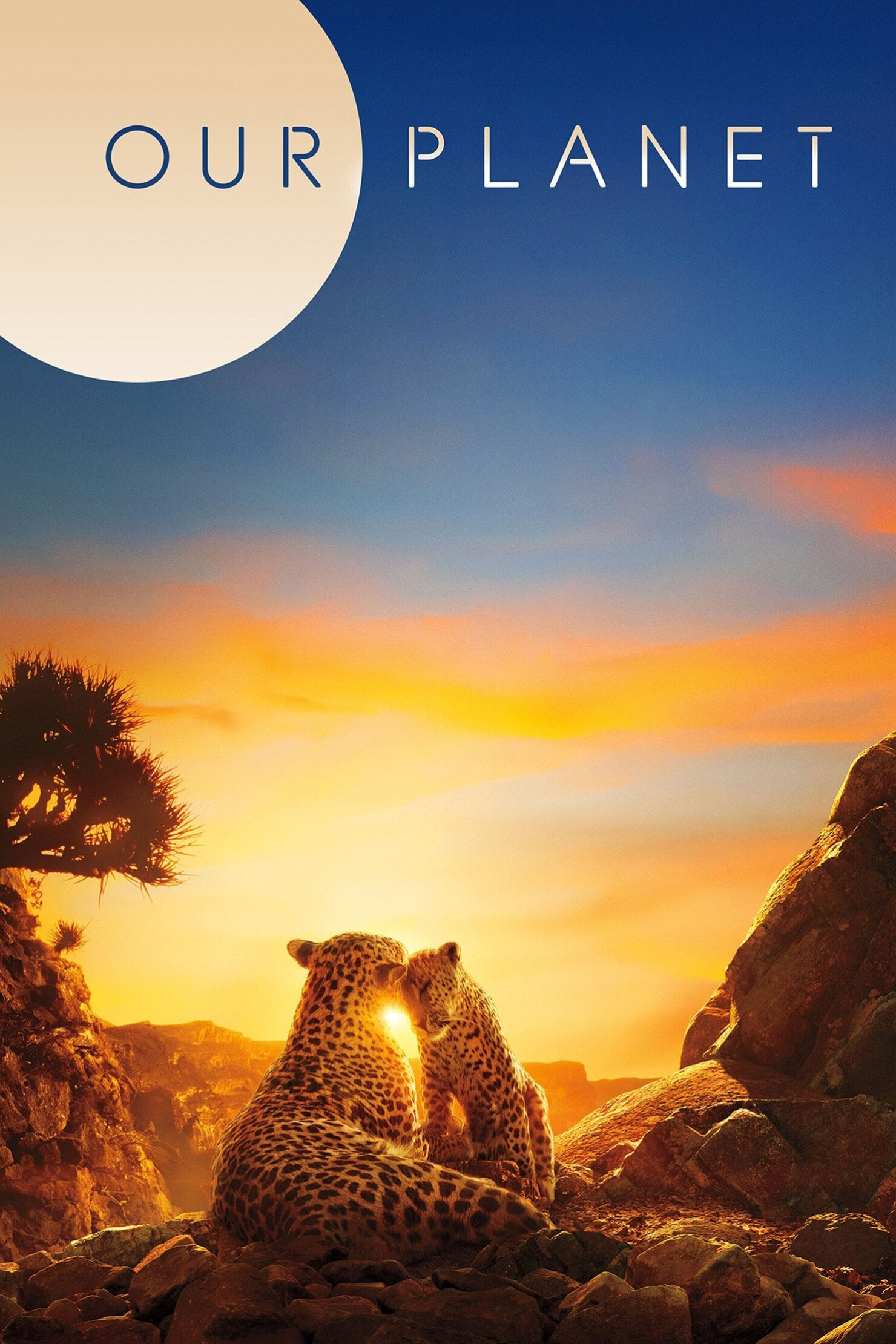
Our Planet2019
Attenborough narrates this four-part Netflix series about ecosystems under pressure. Staggering cinematography and the same scientific clarity, but focused squarely on what climate change is doing right now.
But Some sequences of animal suffering are genuinely difficult. The tone is graver than A Perfect Planet's measured optimism.
Life2007
BBC's earlier eleven-part masterpiece, also narrated by Attenborough. Goes deeper into individual survival strategies and evolutionary brilliance. The kind of thing you'll rewatch.
But Older cinematography and pacing. Some viewers find the episodic structure meandering compared to thematic organisation.

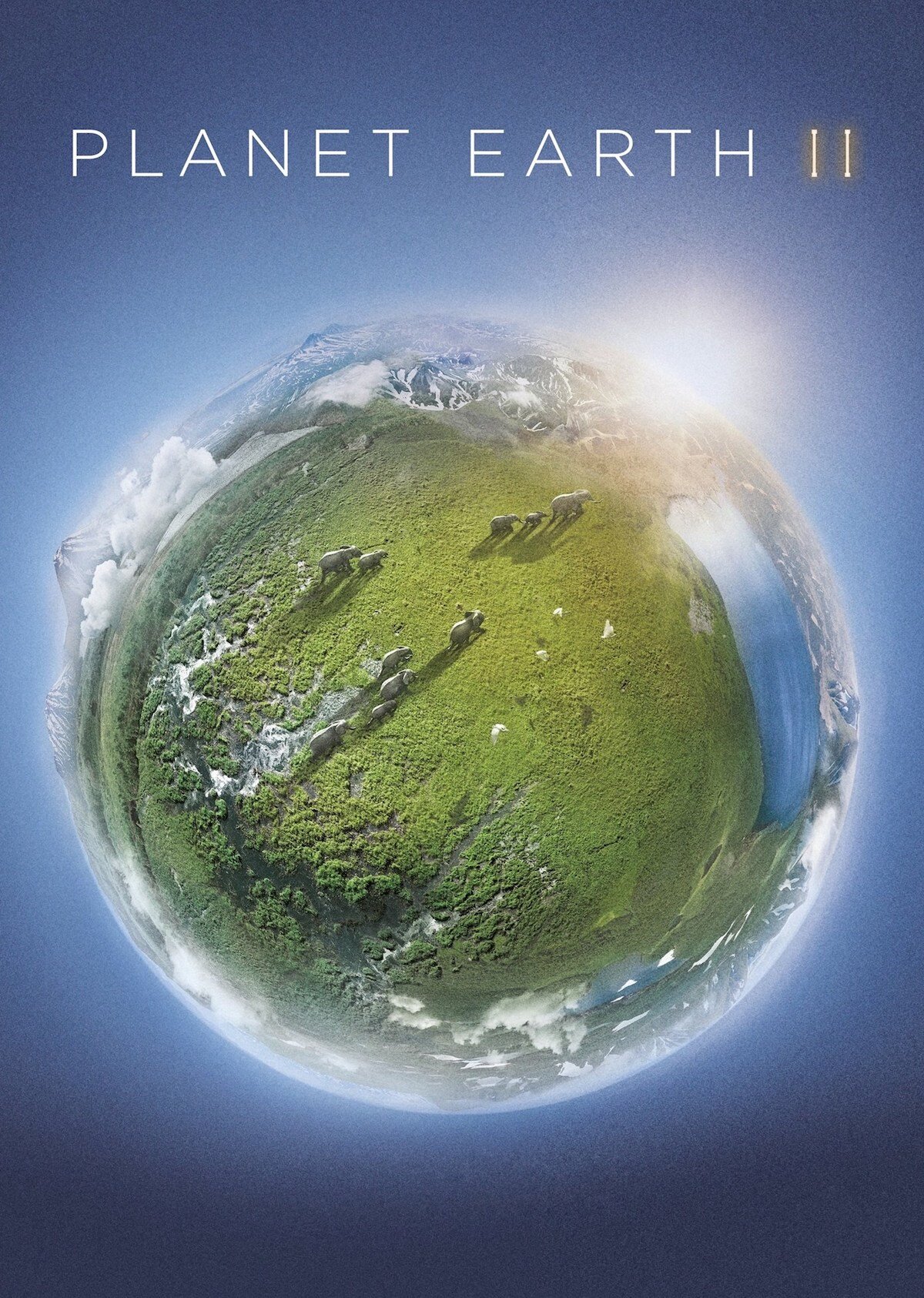
Planet Earth II2016
Attenborough again, four years of new filming, newer technology. Mountains, islands, cities, jungles, and deserts each get an hour. Visually, this may be the most beautiful nature series ever made.
But At this level of spectacle, you're paying for your jaw to drop. If you want narrative or argument, look elsewhere.
Not sure tonight? Get a pick in a minute, starting from A Perfect Planet
The wildcard
Something you would not have found on your own.
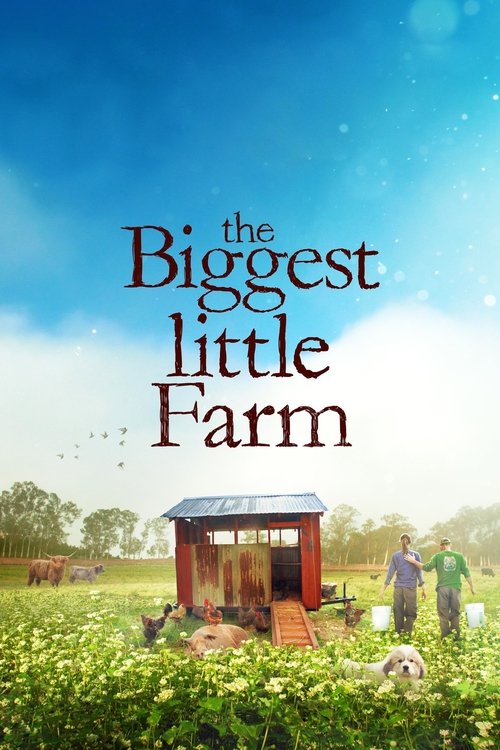
The Biggest Little Farm2019
Both show Earth as an interconnected system rather than separate problems. A Perfect Planet teaches the grammar; this film practices it.
A couple converts degraded land into a regenerative farm. It's not a nature documentary—it's a practical, year-by-year proof that planetary systems can heal through design. Where A Perfect Planet describes forces, this shows humans learning to work *with* them.
But The optimism might feel naive. It's one farm, not a solution. Some will see it as privilege disguised as environmentalism.
More like this (7)
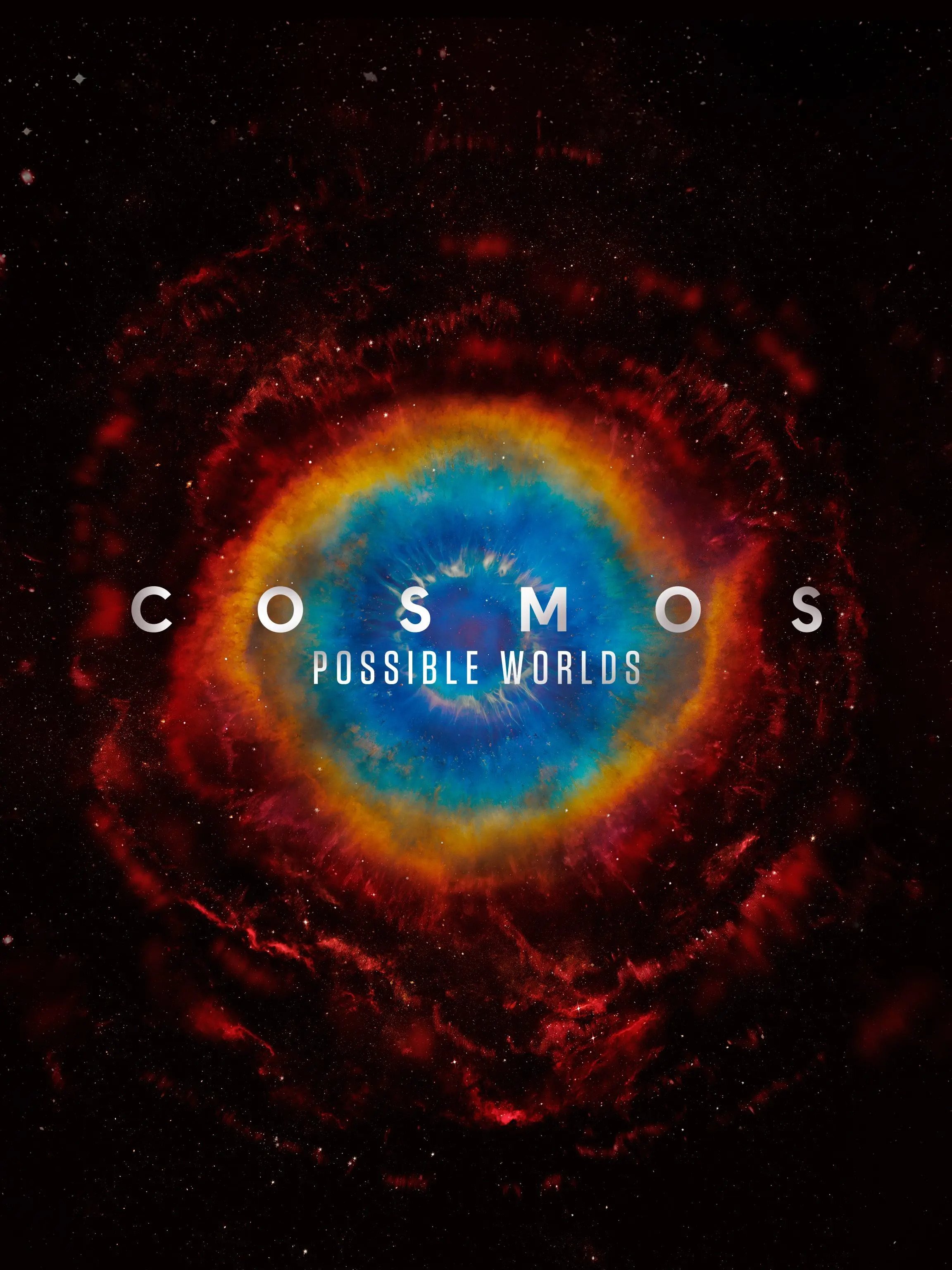
Cosmos1980
Carl Sagan's vision remade by Neil deGrasse Tyson. Thirteen hours explaining the universe's deep structure—same impulse to show how everything connects, but zoomed out to cosmology.
But CGI-heavy and occasionally saccharine in tone. The philosophy sometimes overwhelms the science.
Frozen Planet2011
Seven episodes on polar regions, narrated by Alastair Fothergill. Visually extraordinary and structurally sharp. Feels like A Perfect Planet's ice-focused sibling.
But The polar bears and penguins are gorgeous, but there's less systematic thinking about how these places function as systems.
Blue Planet II2017
Ocean life in seven episodes. Creature innovation is staggering; the underwater cinematography redefined what was possible. Attenborough's narration finds wonder without ever losing scientific precision.
But Almost entirely about animals. You won't understand ocean circulation the way A Perfect Planet teaches it—it's a creature showcase instead.
Landscape with Invisible Hand2023
A science-fiction film about how alien technology transforms Earth's ecosystems. It thinks seriously about planetary systems and human interference. Contemplative rather than action-driven.
But Deliberately paced and cerebral. The budget shows its limits. Some will find it too slow; others, too earthbound for sci-fi.
Waterlife2009
A documentary that follows water's journey through Canadian ecosystems. Poetic, scientifically sound, and surprisingly moving. Shows systems thinking applied to a single molecule's journey.
But Low profile, small budget, Canadian release. You have to seek it out. The pacing is meditative to the point of opacity for some viewers.
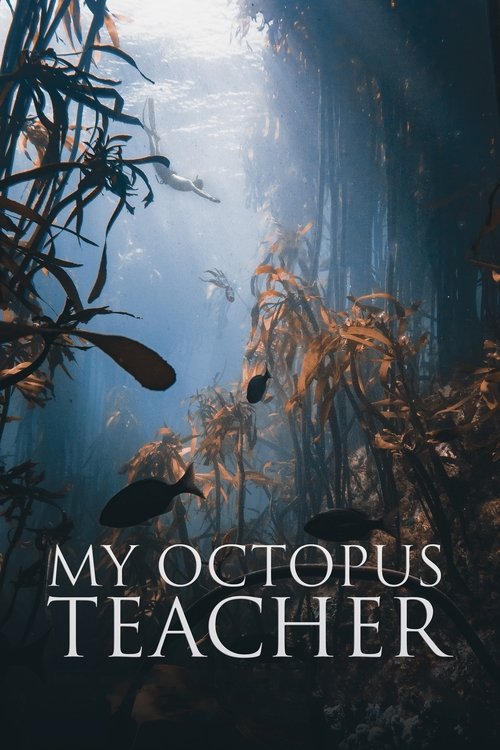
My Octopus Teacher2020
Like A Perfect Planet, it's about systems—but here the system is a single relationship. Both require you to sit with something until you understand it rather than consume it.
A filmmaker spends a year observing one octopus in a South African kelp forest. Meditative, strange, oddly profound. Less about spectacular nature than about attention itself—how understanding emerges from patient looking.
But Deliberately slow. No narrative arc, no climax, no character development in the traditional sense. The octopus dies; that is the entire emotional weight.
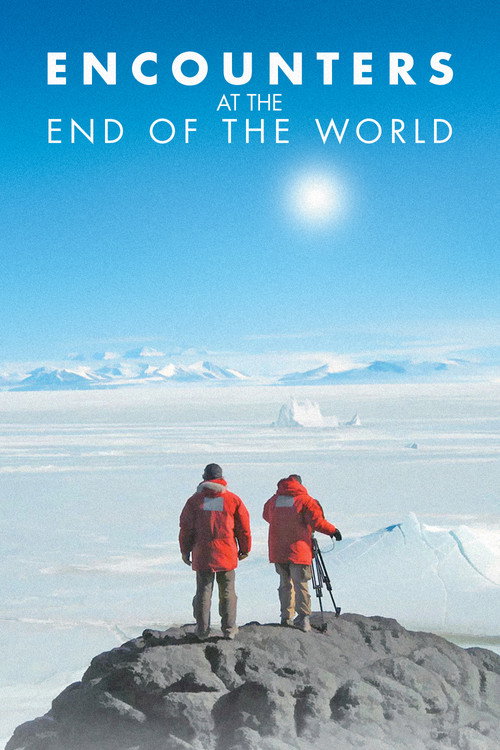
Encounters at the End of the World2007
Both use extreme environments to understand planetary systems. But where Attenborough explains how it works, Herzog asks what it means that we're here at all, destroying it.
Werner Herzog's Antarctica documentary, narrated by Herzog himself. Philosophical, strange, darkly funny. It uses the polar region not to celebrate nature but to ask what humans are doing at the edge of the liveable world.
But Herzog's voice and sensibility are an acquired taste. It's pessimistic where A Perfect Planet is measured. Deliberately unsettling rather than reassuring.
People
Cast
 David AttenboroughNarrator
Recommended by
Seven Worlds, One Planet, Down to Earth with Zac Efron, Departures, Prehistoric Park, Globe Trekker