
Television series
Departures
Other titles called Departures: the 2008 film.
Two friends abandon their ordinary lives to travel the world, documenting remote landscapes, unfamiliar cultures, and the friction between romantic wanderlust and practical reality. It's genuine adventure television—unscripted, unpolished, occasionally uncomfortable. For anyone who's fantasized about dropping everything but wondered what actually happens when you do.
Should you watch it?
Watch it if you like travel shows that linger on the friction between two companions more than the postcard scenery, and you enjoy watching people figure out who they are when the plan falls apart.
Skip it if you want a tidy adventure with clear stakes and frequent payoffs, since much of the time is spent on quiet conversation, logistics and the mood between the two travelers.
What it asks of you: Each episode runs about an hour and the pace is unhurried, so you need to settle in and let scenes breathe rather than expect a steady stream of highlights.
Not sure? Find tonight's pick in a minute.
If you liked this
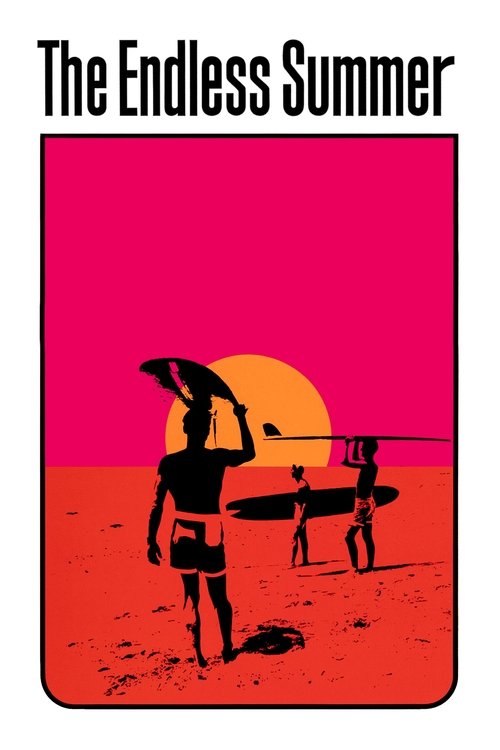
The Endless Summer1966
The original journey film: two surfers chase perfect waves across continents. It's the DNA of every travel documentary that followed—beautifully shot, genuinely curious about the world, and surprisingly moving about obsession and friendship.
But It's from 1966, which means it's in soft focus and moves at a meditative pace that modern viewers sometimes find slow. Also, surfing isn't for everyone.
Anthony Bourdain: Parts Unknown2013
Bourdain uses food and drink as a genuine gateway into conversation with strangers in difficult and fascinating places. It's intellectually restless, beautifully filmed, and he's genuinely present in a way that makes the travel feel earned rather than performed.
But Bourdain's voice can overshadow the places themselves—he's the main character, which some find self-indulgent. Later seasons became uneven before his death.

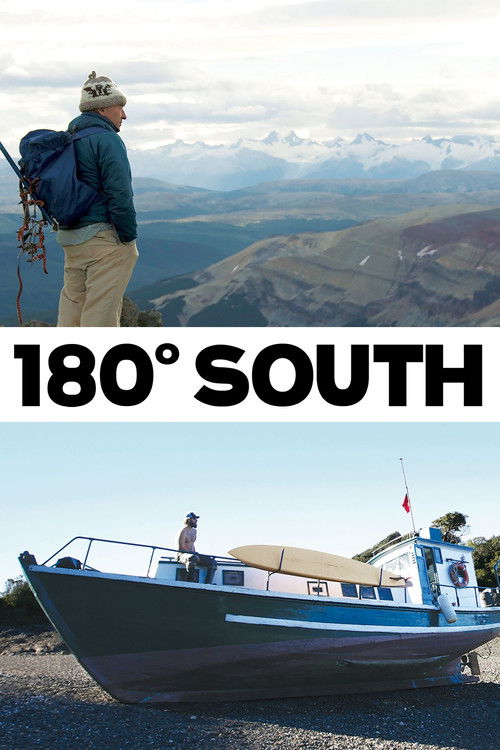
180° South2010
A documentary following one man retracing an adventure his hero took in the 1960s. It's about obsession, mentorship, and whether you can ever actually recapture the past. Stunning cinematography and genuinely philosophical without preaching.
But It's meditative and slow-moving, with very little plot momentum. Some viewers find it self-absorbed—it's one person's very personal project, not a broad travel survey.
Not sure tonight? Get a pick in a minute, starting from Departures
The wildcard
Something you would not have found on your own.
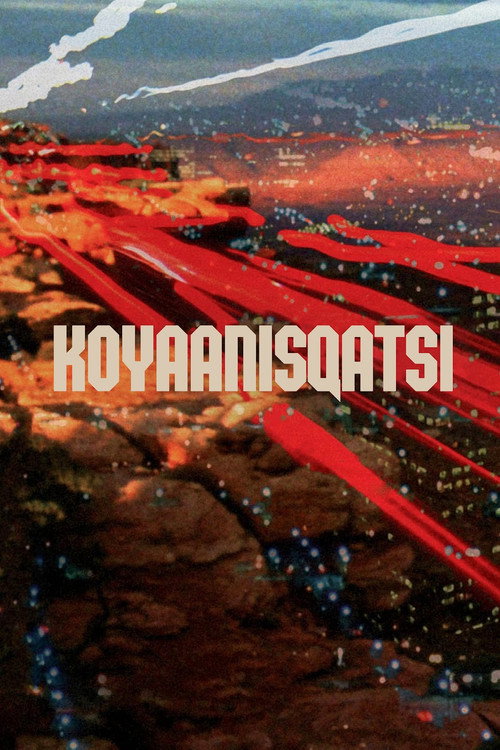
Koyaanisqatsi1983
Both ask what we're really looking for when we leave home. Departures documents the journey outward; Koyaanisqatsi interrogates the question of whether travel changes us or just moves us through a world we're too distracted to see.
No dialogue, no interviews, just images of the natural world and human civilization in collision, set to Philip Glass's hypnotic score. It's a visual essay about what we lose when we move through places without seeing them. Departures is about experiencing the world; this is about learning to truly look at it.
But It's abstract and requires patience. There's no narrative, no characters, no traditional 'story.' If you need something to happen and people to root for, this will feel like watching a screensaver, however beautiful.
More like this (5)
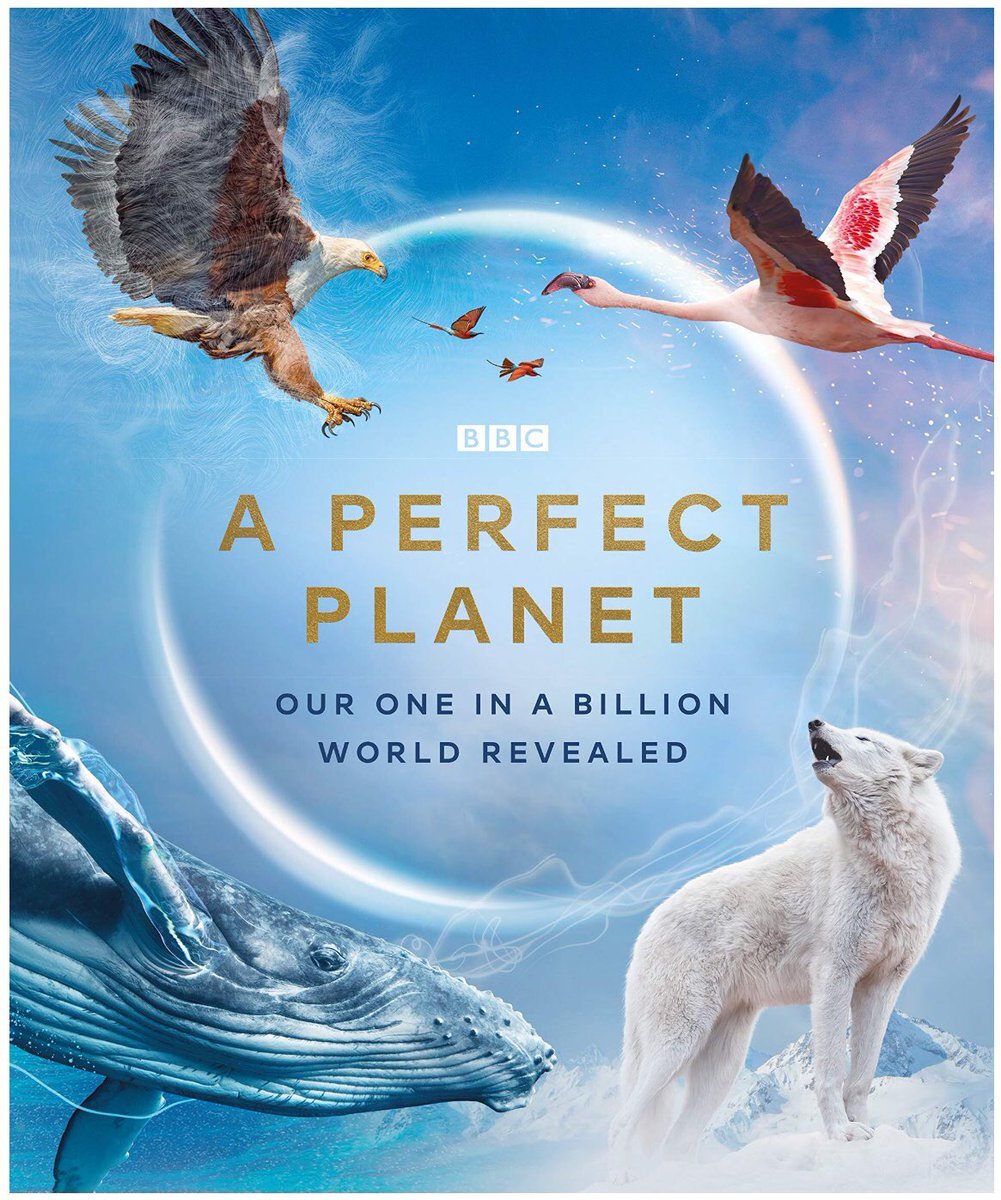
A Perfect Planet2021
David Attenborough examines how weather and natural forces shape life around the world. It's travel through a different lens—you see the systems underneath the landscapes that Departures shows you. Breathtaking cinematography and a deeply informed perspective.
But It's a nature documentary, not a travel show, so it lacks the human-centred narrative arc. If you want people and relationships, this pivots away from that.
The Minimalists: Less Is Now2021
Two men who left careers and possessions behind travel the world talking about intentional living. It echoes Departures' premise of abandoning the ordinary, but adds philosophical depth about what we're actually looking for when we travel.
But It's a TED talk filmed as a movie. If you find motivational speakers exhausting, this will feel like homework dressed as documentary.

Marco Polo2014
A dramatized account of the famous explorer's journey East. It's adventurous, visually sumptuous, and builds a narrative spine around the psychological cost of displacement and cultural collision. Worth watching for spectacle and ideas together.
But It's prestige Netflix drama, not documentary reality. If you want unvarnished truth rather than storytelling, this glamorizes and invents. It was also cancelled, so the ending is incomplete.

Stalker1979
The destination matters less than the journey inward. Both films are really about what the act of traveling reveals about the travelers themselves, and both suggest that transformation is possible but never simple.
Tarkovsky's slow, meditative science fiction follows three men on a journey through a mysterious zone. Formally, it's almost the opposite of adventure TV—static, hypnotic, deeply internal. But it shares Departures' core obsession: what do we become when we pursue something we believe will transform us?
But It's 163 minutes of deliberate, philosophical cinema. It moves at a crawl. If you need momentum, excitement, or conventional narrative, this will feel like punishment rather than art.

Grizzly Man2005
Like Departures, it documents someone abandoning conventional life for an idealized experience. But Herzog asks the question Departures dances around: what if your adventure narrative is actually a descent? What if the journey is self-destruction and we're calling it enlightenment?
Werner Herzog documents a man who lived among bears in Alaska and was eventually killed by them. It's ostensibly a nature film, but it's really about obsession, delusion, and the cost of pursuing an idealized version of connection. Shot with Herzog's philosophical rigor and genuine sadness for its subject.
But It depicts real death and ends in tragedy. The film asks uncomfortable questions about romantic idealization and privilege. It's not uplifting, and it won't make you want to travel—it might make you question why some people need to.

Recommended by
Anthony Bourdain: No Reservations, The Getaway, Joanna Lumley's Japan, Airline