
Television series
The Getaway
Other titles called The Getaway: the 1972 film.
- Light-hearted
- Dip in and out
The Getaway sends a rotating cast of celebrities to their favourite cities, letting them guide you through local restaurants, hidden spots, and genuine neighbourhoods rather than tourist traps. It's unpretentious, food-focused travel television made by the Bourdain camp—less about spectacle, more about actually wanting to know how people live somewhere. For viewers who'd rather eat real meals with real people than visit monuments.
If you liked this
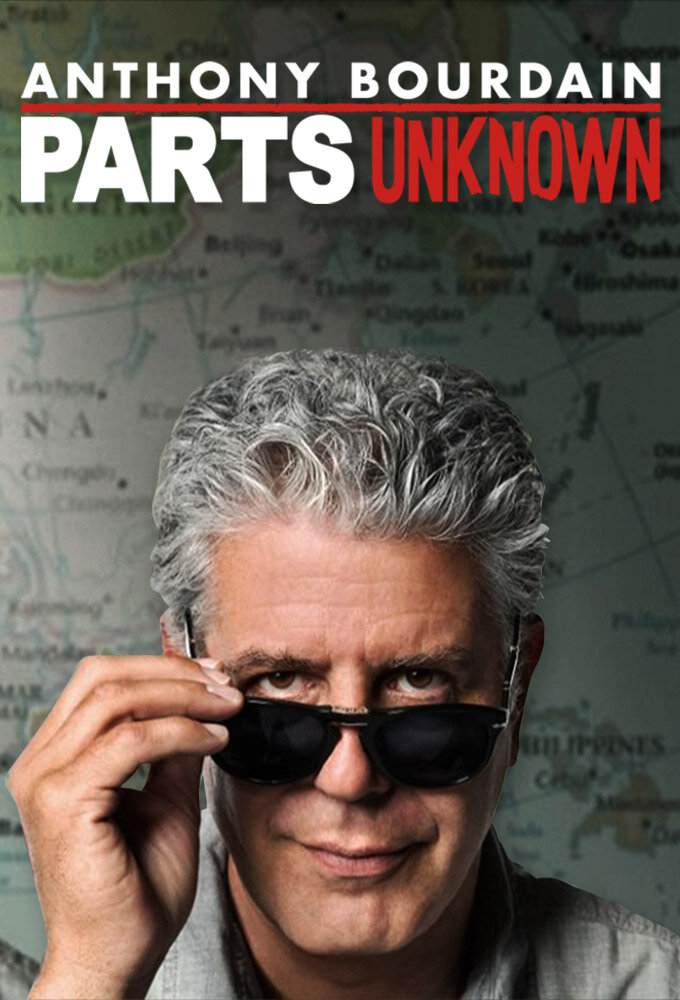
Anthony Bourdain: Parts Unknown2013
Anthony Bourdain's masterwork: unscripted, curious, deeply reported conversations in food and culture across the world. Bourdain himself is the guide, and his restless intelligence transforms every episode into something more than travel.
But It's meditative and slow-paced; there's no manufactured drama, which can feel thin if you want plot-driven television. Some earlier seasons have aged poorly in tone.
Street Food: Latin America2020
Gorgeous, intimate documentary series following street vendors in Southeast Asia and Mexico. Each episode is a love letter to food, craft, and survival. The photography alone justifies the watch.
But More documentary-like than entertainment; there's minimal narrative drive, just process and texture. Some patience required.

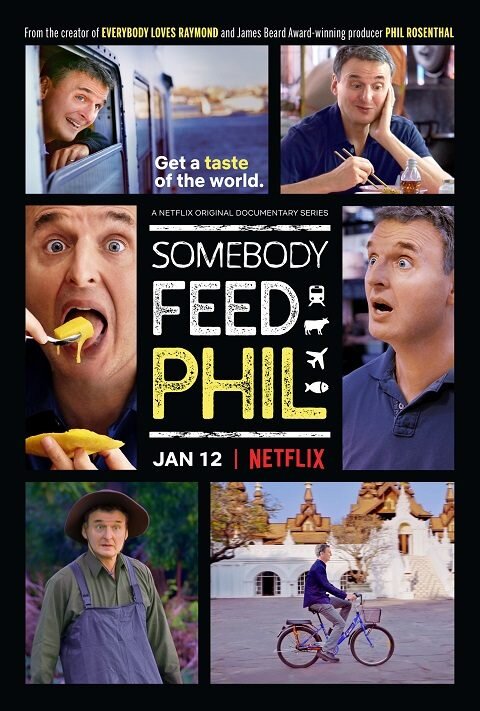
Somebody Feed Phil2018
Phil Rosenthal explores cities through their food with genuine curiosity and joy. It's warm, funny, and unpretentious—more interested in real conversations than performing for camera. Surprisingly moving.
But Phil's cheerfulness isn't for everyone; it borders on relentless positivity. Some find the format repetitive across episodes.
Not sure tonight? Get a pick in a minute, starting from The Getaway
The wildcard
Something you would not have found on your own.
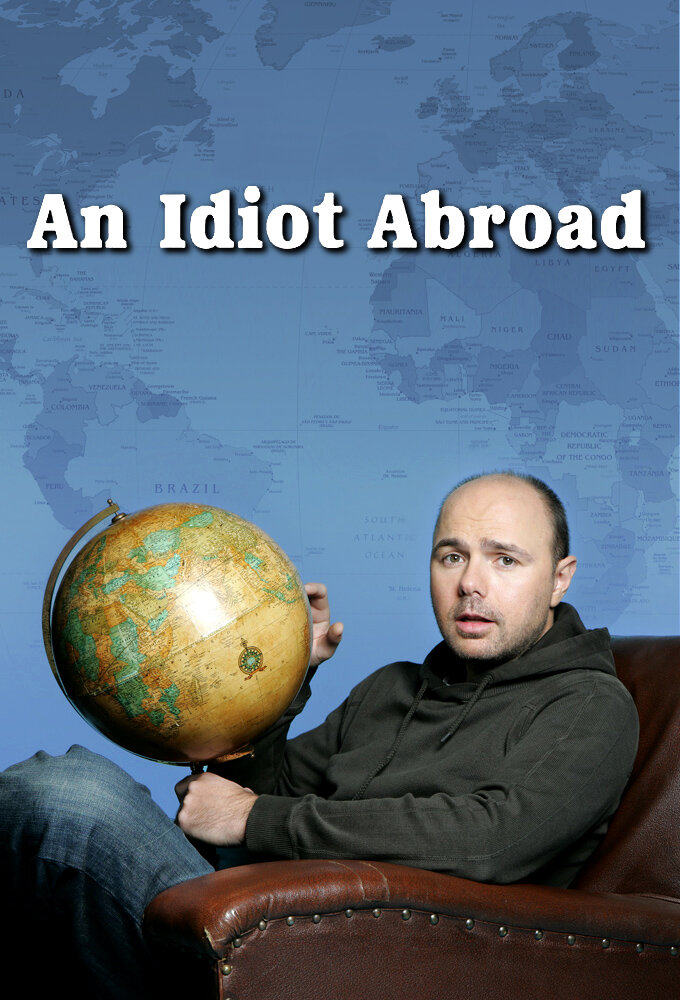
An Idiot Abroad2010
Both send a personality into foreign places to report back what they find, but where The Getaway trusts its guides' expertise, Idiot Abroad finds comedy in Karl's total bewilderment—the inverse of competent travel television.
Karl Pilkington is sent by Ricky Gervais and Stephen Merchant to visit the Seven Wonders and other far-flung places. His deadpan confusion and reluctant observations cut through travel television's usual reverence. Hilarious and oddly humane.
But Karl's consistent negativity and curmudgeonly refusal to enjoy things annoys many viewers. The comedy comes from his unhappiness, which some find mean-spirited rather than funny.
More like this (7)
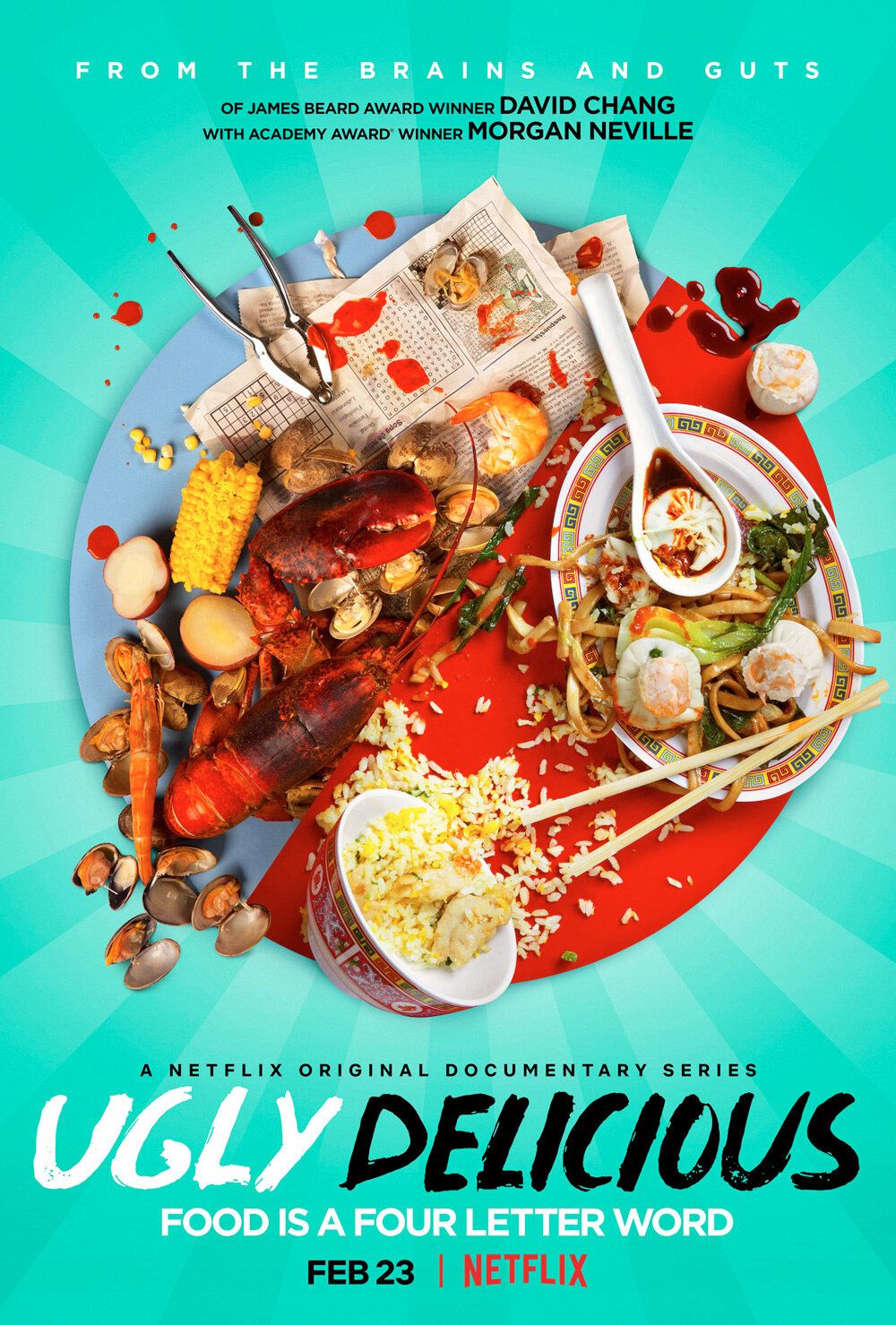
Ugly Delicious2018
David Chang riffs on food, culture, and meaning across various cities and contexts. It's less about eating and more about ideas—conversations with chefs, historians, and locals that dig deeper than usual food TV.
But Intellectually ambitious to the point of sometimes losing sight of appetite. Chang's persona can overshadow the cities themselves.
The Layover2011
Bourdain in 24 or 48 hours: a tighter, snappier take on city exploration. Focused and energetic, with the Bourdain sensibility distilled down to essential moves. Great if you want substance without slow-burn contemplation.
But The brevity means less depth; you're seeing highlights rather than textures. Feels slightly more performative than his longer-form work.

Globe Trekker1994
The OG travel series: documentarians spend real time in cities and countries, staying curious rather than pursuing a preset narrative. Genuinely adventurous without being stunt-based. Holds up surprisingly well.
But Production values are dated; pacing is leisurely by modern standards. Early episodes especially feel slow to contemporary viewers accustomed to quick cuts.
Chef's Table2015
Exquisitely filmed profiles of world-class chefs and their restaurants, many rooted in specific places. If you love food and aesthetics, it's cinema-grade. Each episode is a small event.
But It's about elite dining, not local eating. Some episodes feel inaccessible—these aren't meals you'll ever have. Can feel rarefied and detached.
Dark Tourist2018
David Farrier explores unusual and unsettling tourism—disaster sites, abandoned places, strange attractions. Genuinely curious and respectful while addressing darker impulses in travel and spectacle.
But It's uncomfortable by design; many episodes deal with real tragedy and suffering. Not light evening viewing, and some may find the premise exploitative.
Expedition Unknown2015
Josh Gates investigates legends, mysteries, and stories across different locations. It's enthusiastic and straightforward—adventure-minded travel television that values local input and history.
But It's more conventional than The Getaway and leans toward entertainment over insight. The mystery-box format can feel formulaic.
Departures2008
Both value deep engagement with places over tourism, but where The Getaway is episodic and star-driven, Departures is a continuous journey—fewer places, far more time in each, built on genuine displacement rather than guided shortcuts.
Two Canadian filmmakers spend four years backpacking through Asia, Africa, and the Americas. Shot entirely on miniDV, it's intimate and immersive rather than glossy. The scale is mammoth but the scale of ambition and duration makes other travel TV feel like snapshots.
But The handheld video aesthetic hasn't aged beautifully; some footage looks grainy and dated. The series spans many episodes and requires genuine commitment—this is a slow, cumulative experience, not snackable TV.

People
Production
- Anthony BourdainExecutive Producer