
Film
Waterlife
Waterlife traces the Great Lakes from source to sea, revealing an ecosystem of staggering beauty and complexity under siege. Director Jennifer Baichwal crafts a visual love letter that moves between wonder and urgency, letting the water itself tell the story. For anyone who cares about what we're losing, or what we might still save.
Should you watch it?
Watch it if you love slow, observational nature films that let a landscape and its water speak for themselves, and you don't mind the big picture arriving gradually.
Skip it if you need a clear story to follow; this is a wandering sensory tour where geography, not drama, is the thread, and it can feel meandering.
What it asks of you: Settle in for just under two hours of patient watching, with images doing most of the talking and an unhurried rhythm that rarely quickens.
Not sure? Find tonight's pick in a minute.
If you liked this
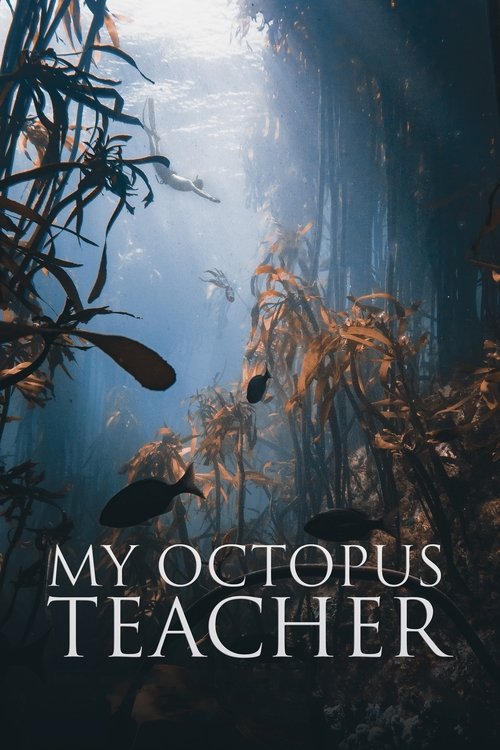
My Octopus Teacher2020
A filmmaker forms an intimate bond with a wild octopus off South Africa's coast. Like Waterlife, it's a portrait of an extraordinary creature facing an uncertain future, told with patience and visual grace.
But The emotional arc is gentle and slow. If you want conflict or narrative urgency, the meditative pace might feel thin.
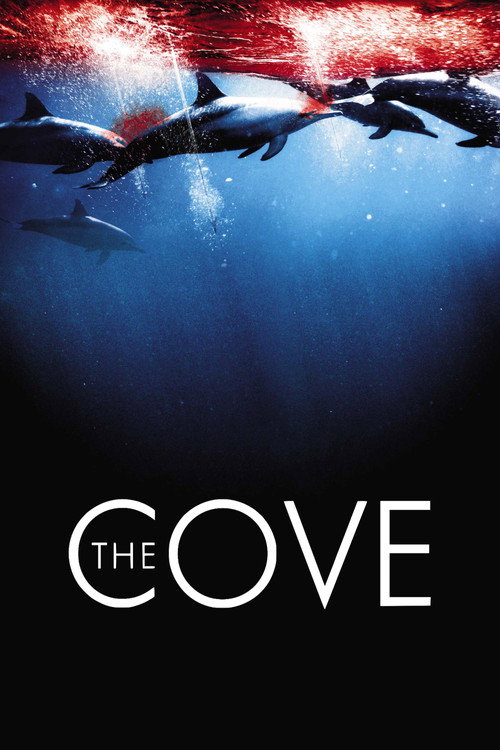
The Cove2009
An investigation into dolphin slaughter in Japan that builds into a gripping thriller. It has Waterlife's passion for aquatic life but adds suspense and moral clarity that drives the argument forward.
But The activism can feel heavy-handed, and some may find the covert operation framing manipulative. Also genuinely difficult to watch.
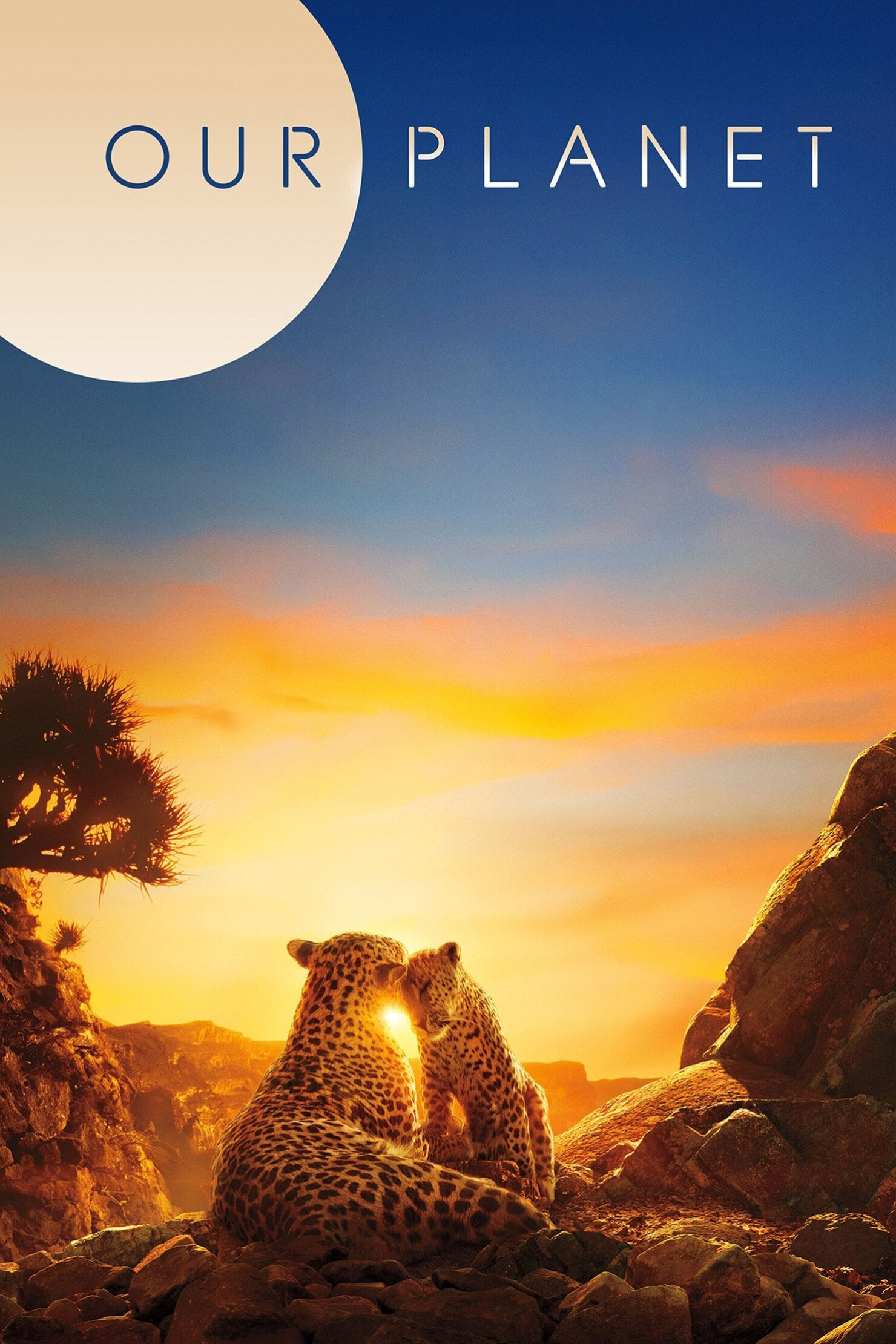
Our Planet2019
David Attenborough narrates a visually sumptuous survey of ecosystems under climate stress. Each episode holds its own, but together they're a reckoning. Waterlife's grand scope but across the entire world.
But The scale is almost paralyzing. You may feel despair rather than moved to action. Some sequences are genuinely distressing.
Not sure tonight? Get a pick in a minute, starting from Waterlife
The wildcard
Something you would not have found on your own.
Dekalog1989
Both move through a defined space (lakes, building) showing how everything connects to everything else, and how fragile that web is.
Kieslowski's 10-hour essay series meditates on morality and consequence through the lives of residents in a Warsaw apartment block. Like Waterlife, it observes the interconnectedness of things—how one person's choice ripples through a system. The water here is metaphorical, but the vision is just as vast.
But It's relentlessly slow and asks you to sit with ambiguity. Expect no resolution, no answers, no comfort. It's philosophy, not storytelling.

More like this (7)
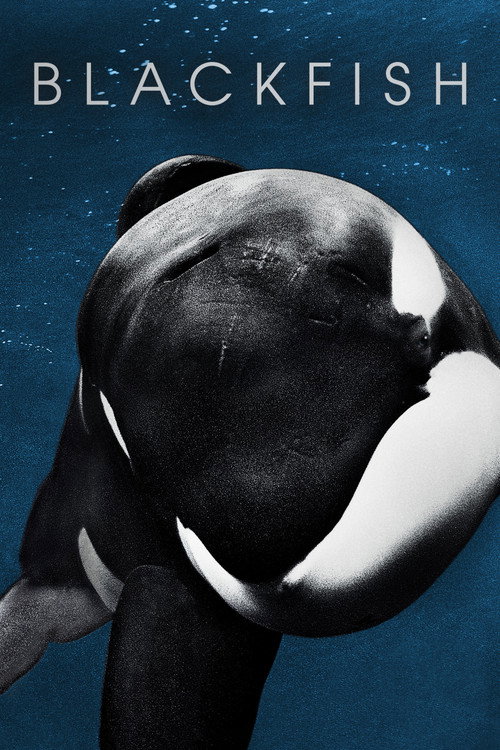
Blackfish2013
A documentary about orca captivity that uncovers corporate negligence through testimony and archival footage. It shares Waterlife's investigative spine and its refusal to look away from what profit can do to nature.
But The emotional manipulation is deliberate and sometimes overwrought. If you distrust advocacy filmmaking, this will feel like it.
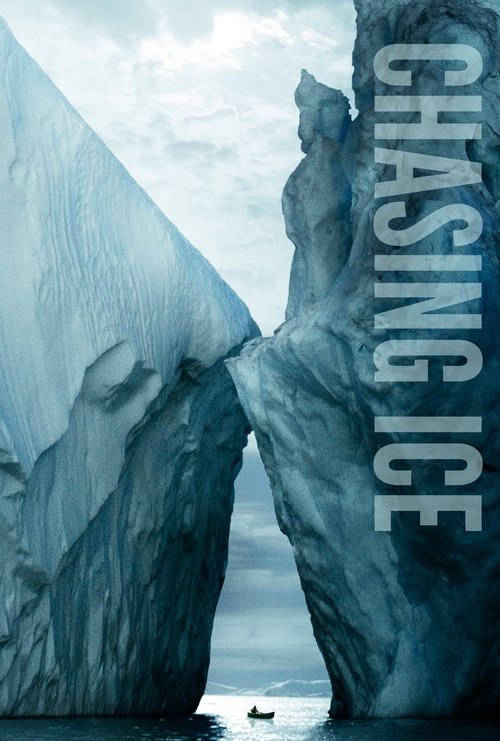
Chasing Ice2012
Photographer James Balog documents glacial collapse over a decade. Like Waterlife, it's visually stunning but anchored in crisis—a love letter to something disappearing.
But The science can feel secondary to the imagery. Climate grief without deep policy analysis may leave you wanting more substance.
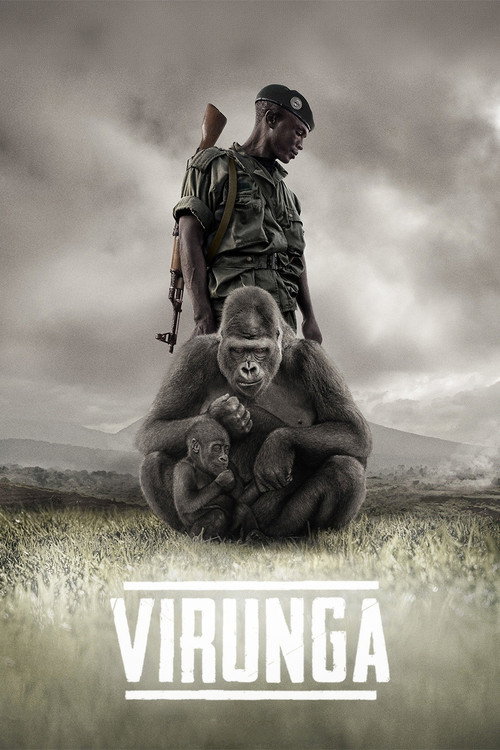
Virunga2014
A portrait of a national park in Congo and the rangers defending it against mining interests. It combines environmental urgency with human stakes, finding both beauty and danger in the same frame.
But The editing is sometimes abrupt, cutting between registers without warning. It can feel scattered when it's trying to do too much.
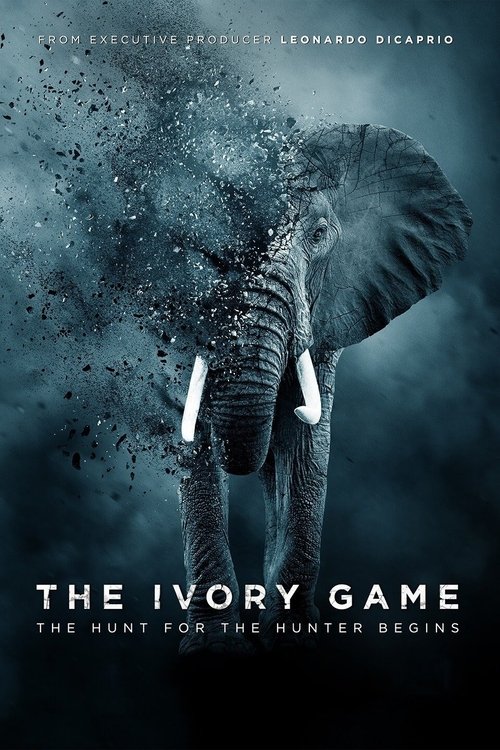
The Ivory Game2016
An access-driven look at elephant poaching and the people trying to stop it, from conservationists to reformed poachers. Waterlife's environmental concern but focused on the human choices at stake.
But The narrative feels constructed for drama, and some viewers may feel the film sides too easily with its subjects. Less layered than it appears.
Leviathan2013
A documentary essay on industrial fishing and maritime labour shot almost entirely at sea. It's oblique where Waterlife is direct, but equally urgent about human damage to aquatic life.
But It's deliberately difficult and abstract. There's no narrator, no clear argument, no emotional guidance. Some will find it pretentious.
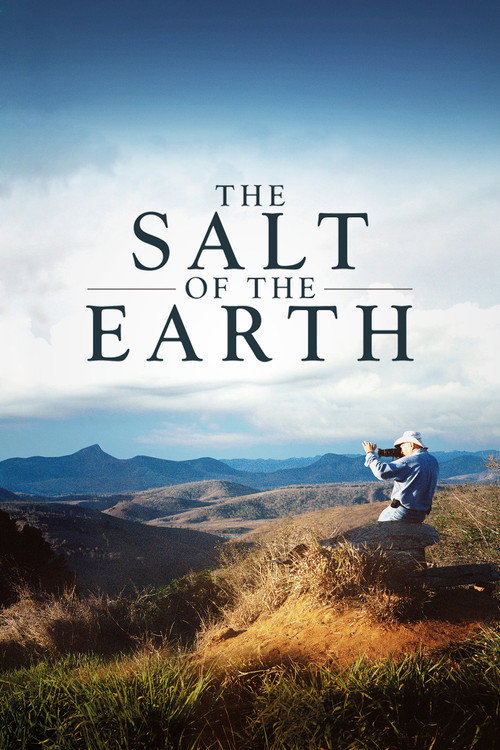
The Salt of the Earth2014
Both are about what happens when an artist falls in love with something—a lake, human suffering—and tries to make you feel it too through image alone.
A documentary portrait of photographer Sebastião Salgado, told partly through his own images of human suffering and environmental catastrophe. Where Waterlife frames the crisis as beauty under threat, this asks: what is beauty when humans are destroying each other? Both are about bearing witness.
But The film itself is gorgeous in a way that can feel at odds with the atrocities being shown. Some see that as profound; others find it obscene. Also slow, and requires sustained emotional presence.
Stalker1979
Both treat a landscape—contested, strange, possibly doomed—as a threshold to something human consciousness can barely grasp. Both move through space as meditation rather than plot.
Tarkovsky's sci-fi meditation on desire and loss, set in a mysterious zone rumoured to contain a wish-granting room. Waterlife is documentary rapture; this is narrative rapture—both using long takes and landscape to create a sense of approaching something sacred and unknowable. The spiritual weight is the same.
But It's 163 minutes of people walking through grass talking about philosophy. It moves at its own pace, indifferent to whether you're bored. Requires absolute commitment or feels like nothing.

People
Cast
- Bruce BaurSelf - Baur Farms
- Ernest BenedictSelf - Akwesasne First Nation
- John K. BruceSelf
- Robert BuddsSelf
- Jacob W. CassickSelf
- Pat Chow FrasierSelf
- Dan KouchieSelf
- Andrea CurtisSelf
Directing
- Kevin McMahonDirector
Writing
- Kevin McMahonWriter
Production
- Betsy CarsonExecutive Producer
- Mark AchbarExecutive Producer
- Silva BasmajianExecutive Producer
- Gerry FlahiveProducer
- Kristina McLaughlinProducer
- Michael McMahonProducer
- Ari MarkSupervising Producer