Television series
Stacey Dooley's Australia: Off the Beaten Track
Stacey Dooley ventures into Australia's remotest corners—cattle stations, rainforests, island communities—meeting the people who live far from the beaten path. It's intimate, curious travel documentary with real stakes: how do humans thrive in isolation? Dooley's gift is asking genuine questions without condescension, making this essential for anyone who loves immersive place-based storytelling.
If you liked this
Becoming2020
Michelle Obama's travel documentary finds depth in meeting everyday people in their own communities across countries. It balances the monumental and the personal with grace and real curiosity about how others live.
But Sometimes skews toward the aspirational and uplifting rather than the complex; occasionally feels shaped for broad appeal.
Our Planet2019
David Attenborough takes you to Earth's most extraordinary remote environments and the communities that inhabit them. Spectacular visuals paired with genuine engagement about how people coexist with their landscape.
But Heavy environmental angle means it can feel preachy; some viewers just want adventure without the climate message woven through.
Nomad2016no page yet
James Nestor follows nomadic peoples and remote communities worldwide with real anthropological interest. It's about how humans adapt and thrive in extreme conditions, not spectacle for its own sake.
But Quietly paced and philosophical; lacks the narrative drive some expect from travel TV. Can feel repetitive if you binge multiple episodes.
Not sure tonight? Get a pick in a minute, starting from Stacey Dooley's Australia: Off the Beaten Track
The wildcard
Something you would not have found on your own.
BRINK2024no page yet
Both use remote Australian communities as the real subject; the difference is Brink asks what it costs to live there now, while Dooley's approach is more celebratory of resilience.
A six-part nature series filmed entirely in Australia's remotest regions, featuring people living on the edge of survival—not for adventure tourism, but for genuine livelihood. Combines stunning landscape cinematography with unflinching portraits of modern isolation and climate pressure.
But Deliberately bleak and sometimes harsh; not comforting or uplifting, and real hardship isn't softened for comfort. Can feel like witnessing struggle rather than adventure.
More like this (5)
Globe Trekker1994
Off-the-radar destinations across continents, hosted by adventurers who actually engage with local culture rather than treat it as backdrop. Feels more like tagging along with knowledgeable friends than a polished tour.
But Production values are deliberately modest; if you're after cinematic beauty and dramatic scores, this reads as low-key and sometimes rough around the edges.
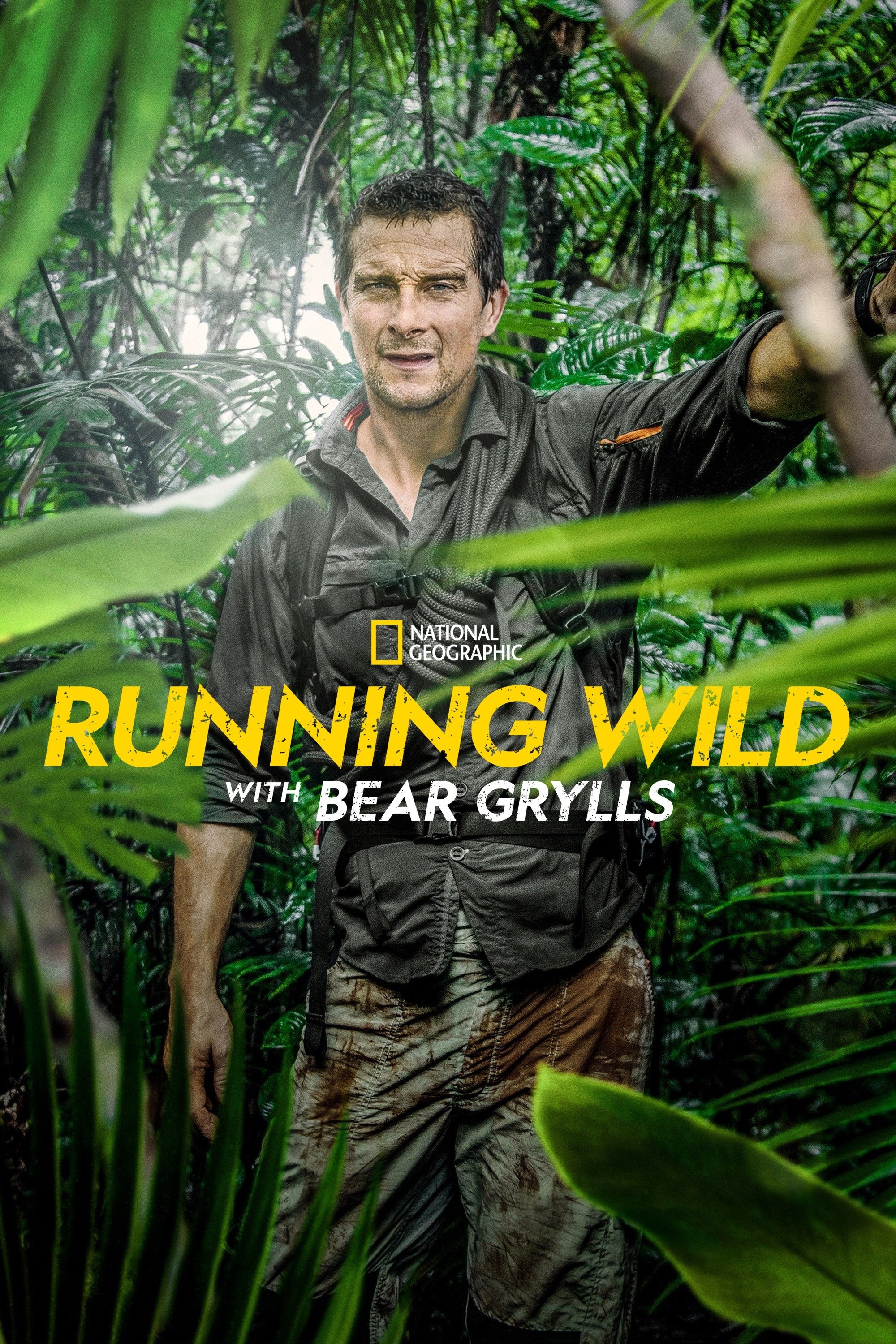
Running Wild with Bear Grylls2014
Grylls meets remote communities, sharing their daily lives and learning survival skills directly from them. It's genuinely about connection rather than Grylls proving himself, which makes the encounters feel real.
But Grylls' relentless enthusiasm can wear thin; some scenes feel staged despite the authentic setting. His commentary sometimes overshadows the people he's meeting.
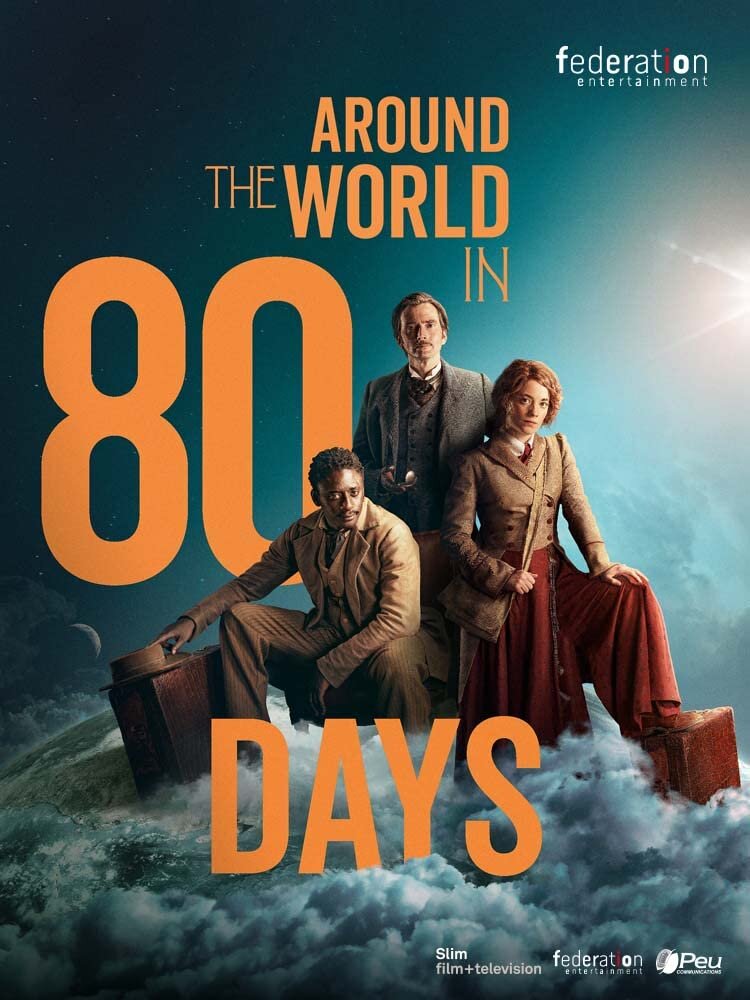
Around the World in 80 Days2021
Michael Palin returns to his travel format with genuine engagement in every place. His career-long gift for making remote places feel welcoming and the people in them feel valued feels timeless.
But Can feel like a farewell tour from an older generation of travel TV; some modern viewers find the pacing genteel rather than engaging.
The Outback2012no page yet
Same landscapes and communities, but inverted perspective—this is made through Aboriginal eyes about their own country, not a visitor's curious gaze. Complement rather than similar.
Lynne Gladden's experimental documentary follows Aboriginal communities in remote Australia with lyrical cinematography and minimal narration. It's a portrait of people and land as inseparable entities, asking what 'remote' even means to those who belong there.
But No conventional structure or clear narrative; if you want information or story beats, you'll find it frustratingly poetic and oblique. Demands patience and tolerance for ambiguity.
Cave of Forgotten Dreams2010
Both use remote, difficult-to-access places to ask how humans create meaning and community. Dooley's is contemporary and welcoming; Herzog's is archaeological and isolating—opposite registers, same core question.
Werner Herzog documents the oldest known cave paintings in France with an obsessive, almost mystical intensity. It's fundamentally about isolation—how humans make meaning and connection in remote, difficult places—told through Herzog's unique philosophical voice.
But Highly idiosyncratic filmmaking; Herzog's narration and sensibility dominate more than the subject itself. If you want objectivity or conventional documentary rhythm, his baroque intensity can feel pretentious.