
Film
The Unearthly
- Science fiction
- Body horror
- Very dark
A 1957 B-movie where a mad scientist installs artificial glands into hospital patients to unlock immortality. It's all Gothic shadows, overwrought dialogue, and bodies on tables—campy without meaning to be. For those who find 1950s sci-fi horror delightful partly because it's so earnest and creaky.
If you liked this
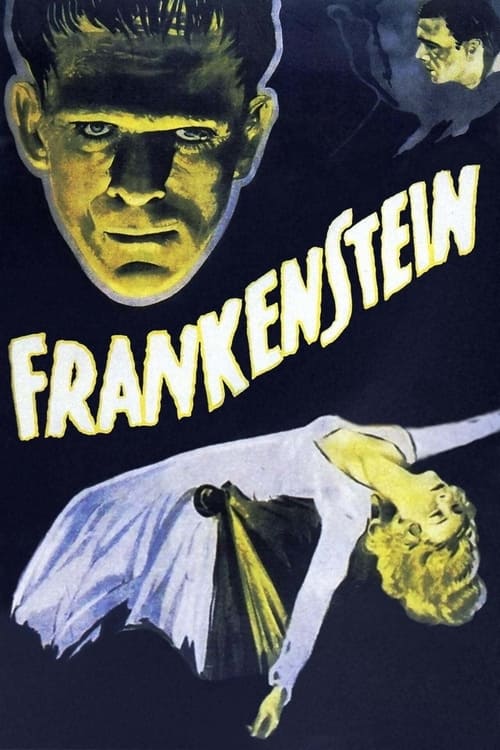
Frankenstein1931
The original mad-scientist blueprint: a tortured genius, forbidden ambition, and bodies assembled in the dark. Karloff's creature still carries real pathos beneath the horror. This is where it all begins.
But It moves slowly by modern standards, and the sympathetic monster might feel less shocking now than the film intended.
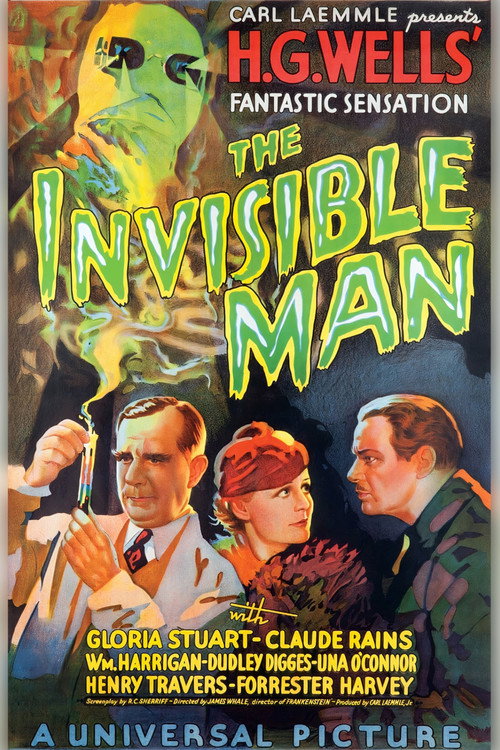
The Invisible Man1933
Another Universal classic where a scientist's hubris ruins everything. The power of invisibility corrodes the mind—it's really about what ambition does to the soul, wrapped in thrilling special effects.
But The social-commentary elements can feel heavy-handed, and some of the comedy hasn't aged as gracefully as the scares.
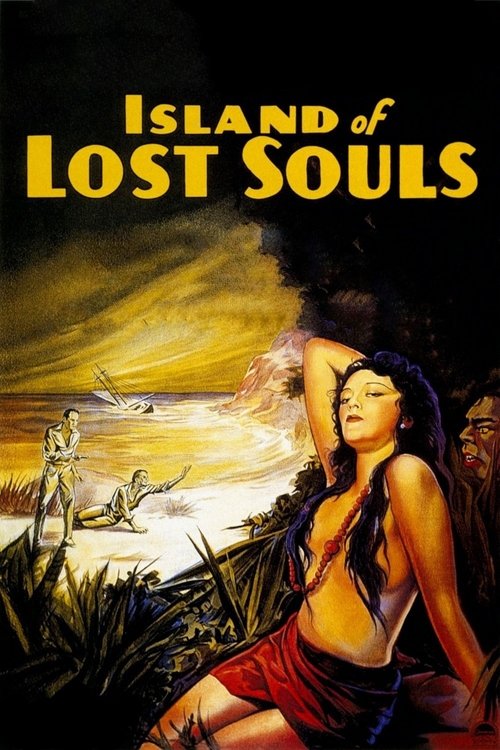
Island of Lost Souls1932
A surgeon plays god on a remote island, surgically reshaping animals into human form. The atmosphere is genuinely unsettling, and Charles Laughton's quiet menace is far scarier than any explosion.
But It's slow-burn dread rather than action, and some find the surgical body-horror concept more intellectually disturbing than viscerally frightening.
Not sure tonight? Get a pick in a minute, starting from The Unearthly
The wildcard
Something you would not have found on your own.
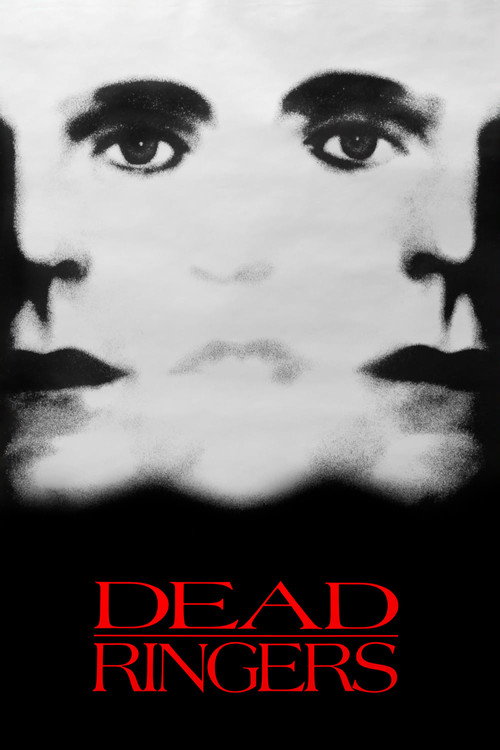
Dead Ringers1988
Both explore surgical intervention as the ultimate violation—the body as a workshop for obsessive men to remake reality. Both believe the horror is most real when the scientist still thinks he's helping.
David Cronenberg's film of body horror where identical twin gynecologists descend into psychosis and mutually assured destruction. It's elegant, disturbing, and utterly committed to its own diseased logic—science and flesh turned into nightmare.
But It's relentlessly bleak, sexually explicit, and the final sequence will stay with you in ways that might not be welcome.
More like this (8)
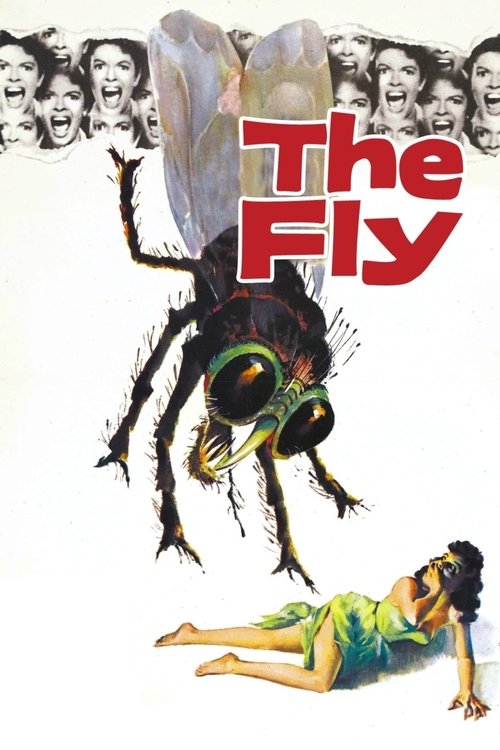
The Fly1958
A scientist's teleportation experiment fuses him with a fly—a premise equally ridiculous and horrifying. It's executed with genuine pathos and special-effects ingenuity that still impresses.
But The final act trades ambiguity for sentiment, which some find cheapens the nightmare logic that came before.
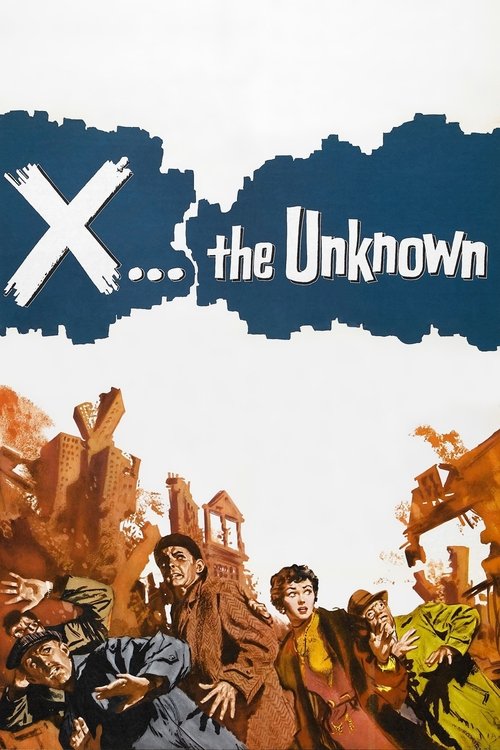
X: The Unknown1956
A radioactive creature emerges from the earth; scientists scramble to understand and contain it. British restraint and real tension, made on a budget that shows but never breaks the spell.
But The creature reveal is more suggested than seen, which works atmospherically but may frustrate those wanting clearer visuals.
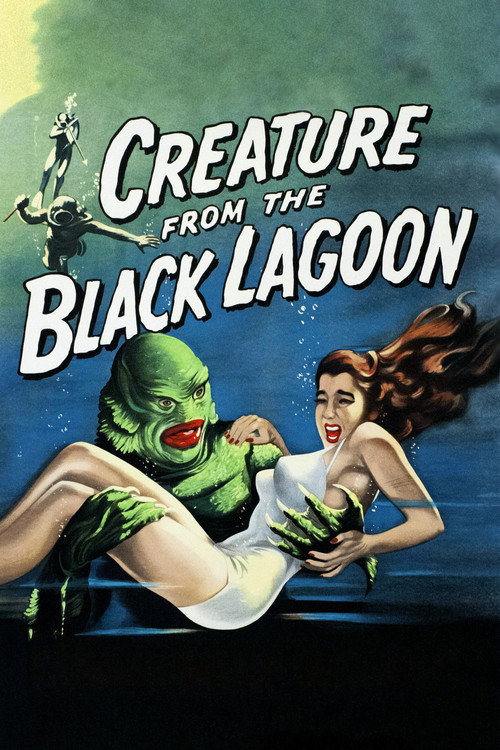
Creature from the Black Lagoon1954
A gill-man stalks scientists in the Amazon—it's a taut, atmospheric creature feature with a sympathetic monster and legitimate suspense. The underwater sequences are genuinely beautiful.
But The pace slackens in the middle act, and the romantic subplot distracts from what you came for.
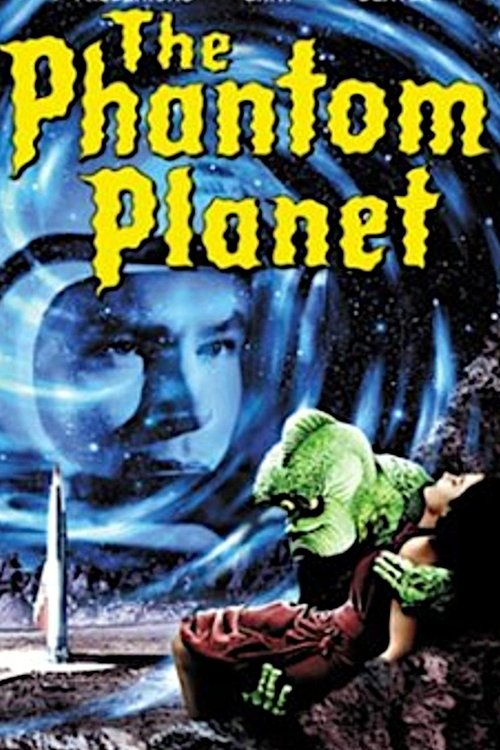
The Phantom Planet1961
An astronaut crashes on a tiny planet ruled by diminutive aliens. It's pure B-movie eccentricity—weird science, weird design, and commitment to its own logic despite a microscopic budget.
But The acting is stilted, the sets are cardboard, and the logic does not hold up to a moment's thought.
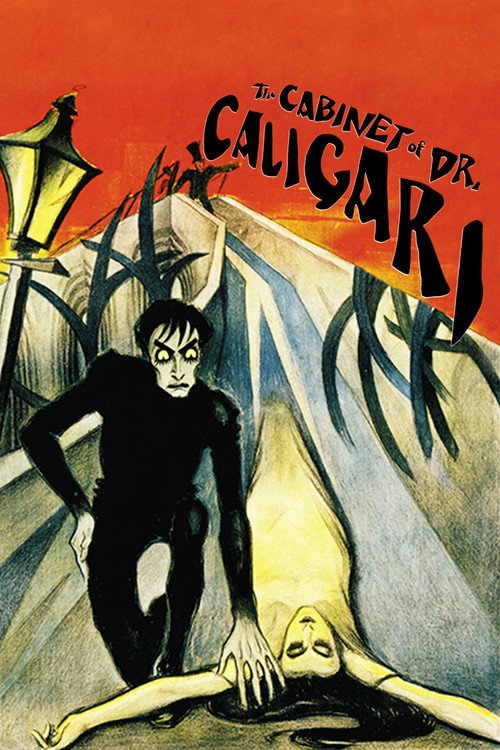
The Cabinet of Dr. Caligari1920
The expressionist grandfather of mad-scientist horror. Jagged shadows, crooked sets, and a doctor who controls a somnambulist—it's visually hypnotic and psychologically cruel.
But It's silent and nearly a century old; the pacing and storytelling follow rules that predate cinema as we know it.
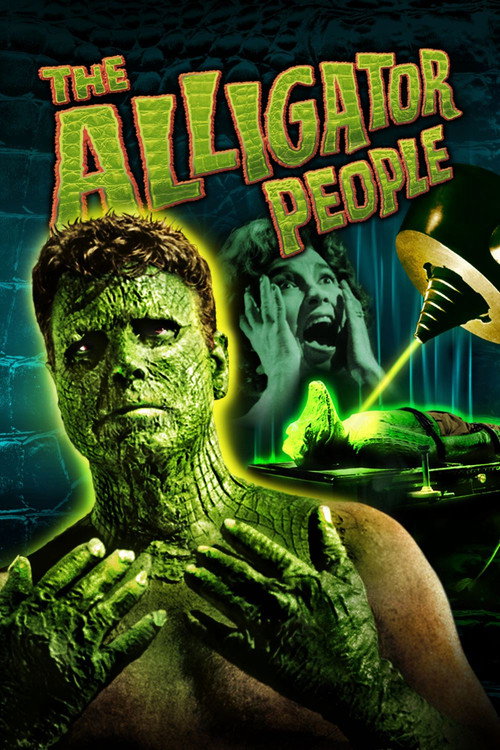
The Alligator People1959
A surgeon experiments with serum that turns humans into alligators. It's wonderfully weird, sincerely played, and the creature effects have a beguiling tackiness to them.
But The plot doesn't hold together, and once you've seen the alligator transformation, there's not much left to sustain interest.
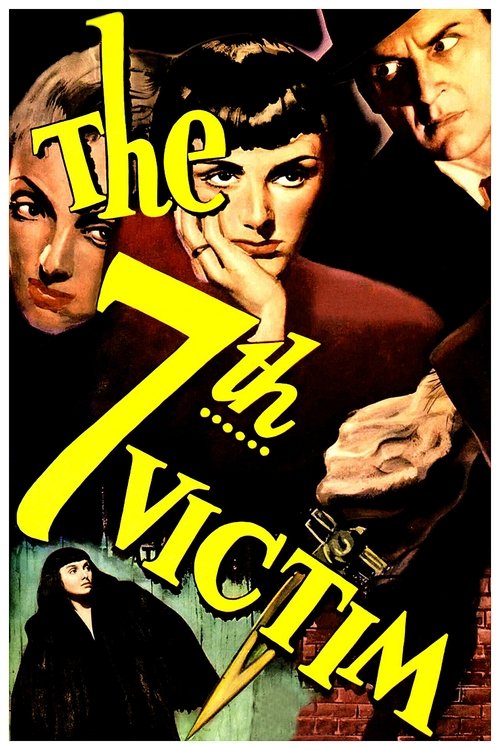
The Seventh Victim1943
Both are B-movies with Gothic undertones that privilege atmosphere over plot. Both understand that the real horror isn't the monster—it's the feeling of being trapped in someone else's experiment.
A psychological thriller where a young woman searches for her missing sister in a Manhattan of shadows and cults. It's less interested in jump scares than in dread and the architecture of paranoia—you never see the horror clearly.
But It's slow, oblique, and refuses conventional resolution. The ending is genuinely bleak without being sensational.
Eyes Without a Face1960
Both feature a surgeon who has rationalized atrocity as mercy. Both use clinical precision to make the irrational seem possible. Both are European films that took horror seriously when American B-pictures were still winking at the audience.
A French surgeon secretly removes faces from women to graft onto his disfigured daughter. It's visually austere and deeply unsettling—the horror comes from elegant precision and the unreality of it all.
But It's in French, it's deliberately distancing, and the ethics are morally nauseating in ways that feel more serious than exploitation.

People
Cast
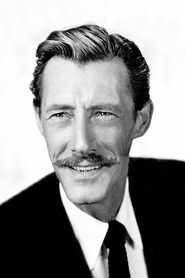 John CarradineDr. Charles Conway
 Myron HealeyMark Houston
 Allison HayesGrace Thomas
 Marilyn BuferdDr. Sharon Gilchrist
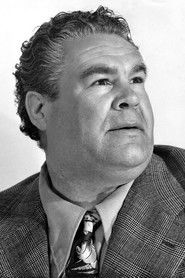 Tor JohnsonLobo
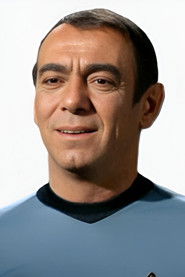 Arthur BatanidesDanny Green
 Sally ToddNatalie Andries
- Harry FleerHarry Jedrow
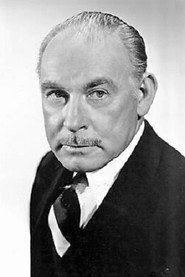 Roy GordonDr. Loren Wright
 Guy PrescottPolice Captain George Reagan
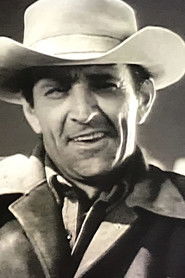 Raymond GuthPolice Officer Miller
- Paul McWilliamsPolice Officer Ed
Directing
- Boris PetroffDirector
Writing
- Jane MannOriginal Story
- Jane MannScreenplay
- John D.F. BlackScreenplay
Production
- Robert A. TerryAssociate Producer
- Boris PetroffProducer
- Betty SinclairProduction Manager