
Film
Apocalypse '45
- Horror
- Very dark
Apocalypse '45 pieces together the final months of World War II from 24 firsthand accounts and rarely seen archival footage. It's a visceral, unflinching portrait of ordinary soldiers confronting unimaginable horror—the firebombing of cities, kamikaze attacks, the atomic bombs. Essential viewing for anyone wanting to understand what those months actually felt like, rather than how they're usually taught.
Should you watch it?
Watch it if you want testimony from people who were there, delivered plainly and built around rare archival film, and you're willing to sit with the weight of firsthand memory rather than a sweeping historian's overview.
Skip it if you want a wide, analytical account of why the war ended as it did, since this stays close to individual memory and gives little room for broader context.
What it asks of you: Expect an unhurried sitting of about an hour and forty minutes, with long stretches of spoken recollection over archival footage that demand steady attention rather than background viewing.
Not sure? Find tonight's pick in a minute.
If you liked this
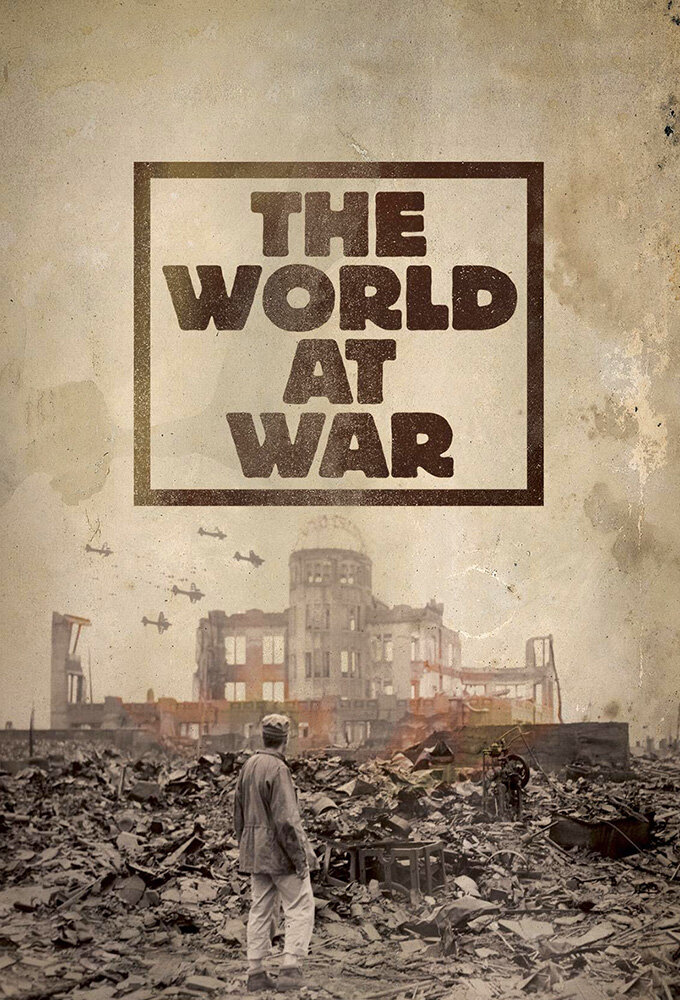
The World at War1973
Kenneth Clark's masterpiece remains the definitive televised history of WWII. Episode by episode, it builds a comprehensive, human-scaled portrait using interviews with survivors and pristine archival material that rewards close attention.
But At 26 episodes across multiple seasons, it demands serious time commitment. The pacing is deliberate, almost stately—not for viewers seeking quick answers or constant dramatic peaks.
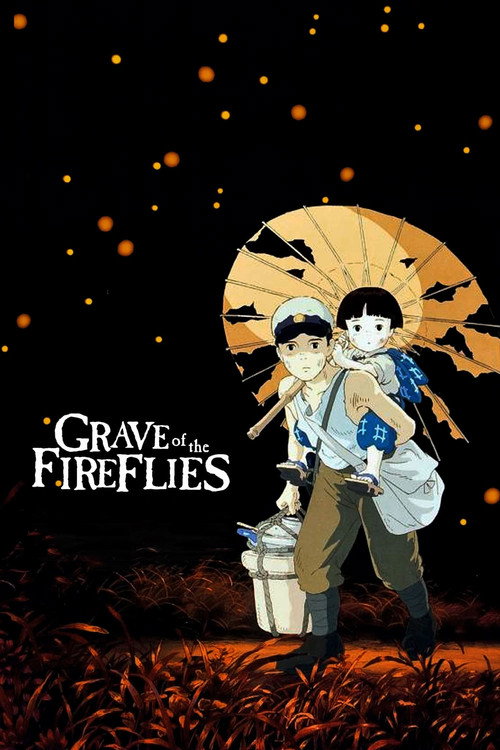
Grave of the Fireflies1988
Isao Takahata's animated film captures the emotional truth of war's end in Japan with devastating clarity. Two siblings navigating the firebombing of Tokyo; not a word is wasted. It achieves what documentaries sometimes cannot: pure, unmediated feeling.
But It's animated, which some dismiss as unsuitable for tragedy. More pressingly: it is almost unbearably sad. Not cathartic sad—the other kind.
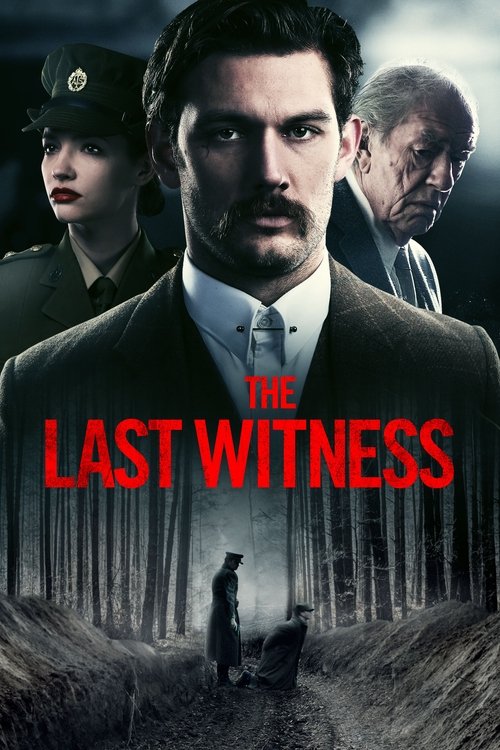
The Last Witness2018
A meticulous account of Jan Karski, a Polish courier who witnessed the Holocaust firsthand and warned the Allies. Like Apocalypse '45, it trusts testimony above all else, letting survivors speak without editorializing.
But It's dialogue-heavy and visually static. Some will find it tedious where others find it essential; the distinction matters.
Not sure tonight? Get a pick in a minute, starting from Apocalypse '45
The wildcard
Something you would not have found on your own.
Tokyo Story1953
Both trust silence and observation over explanation. Ozu shows us the weight of survival through daily life; Apocalypse '45 shows us the weight of catastrophe through witness. Together they frame the war's end from inside and outside.
Yasujirō Ozu's masterpiece was made eight years after the war, with Japanese civilians, about ordinary life after catastrophe. It is utterly quiet—no violence, no drama—yet it contains more truth about what 1945 meant to Japan than most war films ever capture.
But Nothing happens. A family visits Tokyo. The narrative is gossamer. If you need action or emotional crescendos, you will find this maddening.

More like this (7)
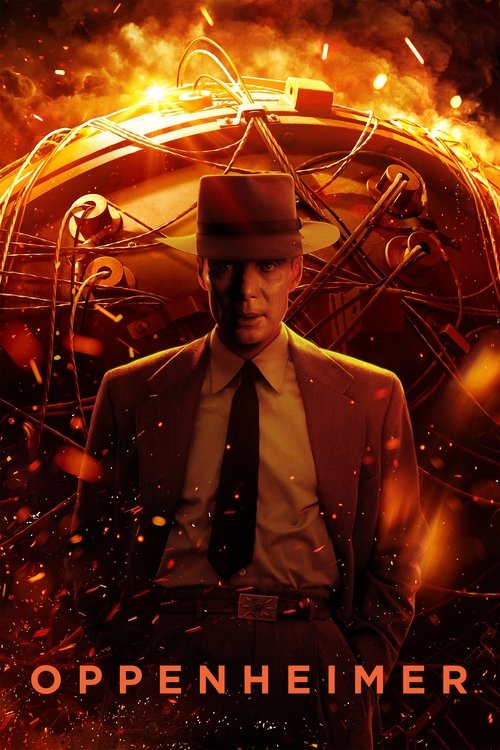
Oppenheimer2023
Christopher Nolan's film wrestles with the moral weight of the atomic bomb through the man who built it. Seen alongside Apocalypse '45, it becomes a conversation between the scientists and the soldiers who lived with the consequences.
But At over three hours, it's also about institutional power and American politics, not purely the human cost. Some viewers want the bomb's story; Oppenheimer wants the bomb-maker's.
Come and See1985
Elem Klimov's Soviet film follows a young partisan through the German invasion of Belarus. It's the closest cinema has come to capturing what industrial warfare actually does to a person—visceral and unforgettable.
But Brutally, relentlessly dark. It does not offer catharsis or redemptive arcs. It is not entertainment, which is precisely the point.

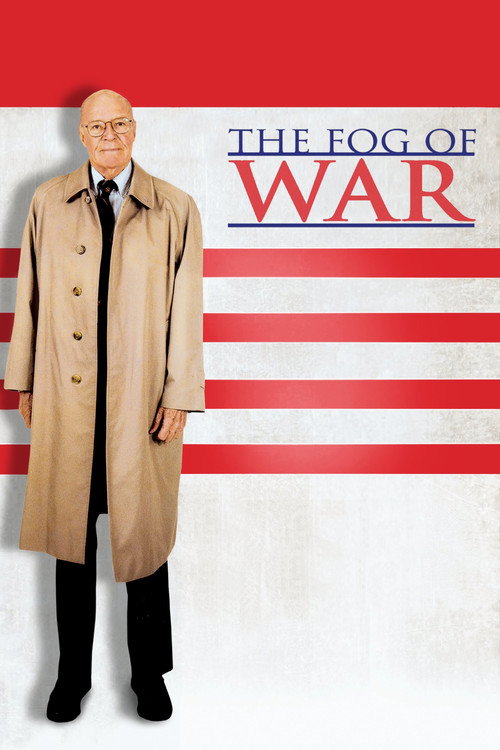
The Fog of War2003
Errol Morris's portrait of Robert McNamara, who lived through the Pacific War as a young officer, offers a fascinating counterpoint: a man grappling decades later with what he witnessed and what he ordered others to do.
But It's as much about Cold War politics and McNamara's later career as the war itself. Some will feel it dilutes the WWII focus; others will find that context essential.
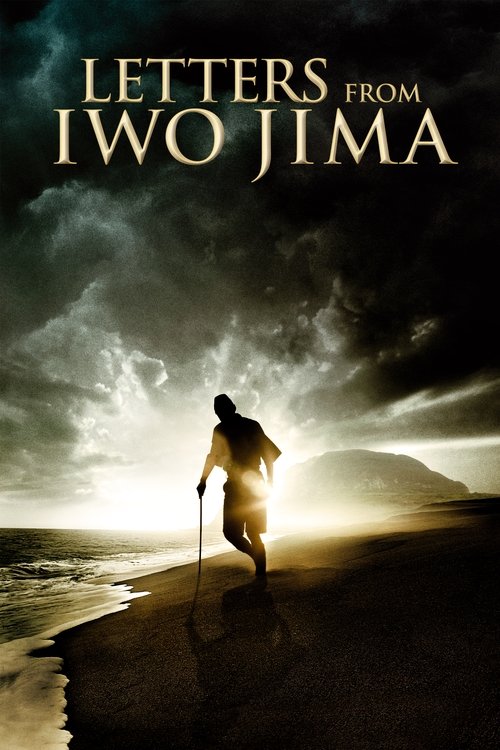
Letters from Iwo Jima2006
Clint Eastwood's film tells the island battle from the Japanese perspective, showing enemy soldiers as human beings facing certain death. It's a powerful corrective to the standard Allied-centric narrative.
But Some find it feels like a pendant to Flags of Our Fathers rather than standing fully alone. Eastwood's elegiac style won't appeal to those wanting raw urgency.
Shoah1985
Claude Lanzmann's nine-hour epic is built almost entirely on survivor testimony and the logistics of genocide, with almost no archival footage. It's a different approach to witnessing than Apocalypse '45, but equally committed to letting people speak their truth.
But Nine hours is a genuine ask, and its refusal of conventional documentary techniques can feel austere or tedious. Not a film; a commitment.

Hiroshima Mon Amour1959
While Apocalypse '45 reconstructs the factual truth of war through testimony, Resnais interrogates the emotional and psychological truth of aftermath—how memory fragments and distorts when confronted with atrocity.
Alain Resnais and Marguerite Duras's experimental love story is fractured, poetic, built from memory and newsreel footage. It's about how the bomb breaks consciousness itself—how we hold catastrophe and tenderness at once.
But It is deliberately disorienting. If you watch it expecting narrative or clarity, you will be frustrated. The form itself *is* the content.
Night and Fog1956
Both are archival-based reckonings with atrocity made in the immediate postwar years by filmmakers wrestling with how testimony and footage can coexist. Both refuse easy comfort.
Alain Resnais's 32-minute short uses color footage of empty concentration camps alongside testimony and archival images. It's haunting, precise, and asks profound questions about how we remember genocide. Essential viewing.
But At 32 minutes it feels slight until it doesn't. Some find its poetic approach to Holocaust documentation uncomfortable or evasive; it asks viewers to work.

People
Cast
- Issei NakagawaSelf
Directing
- Erik NelsonDirector
Production
- Dave HardingExecutive Producer
- Howard SwartzExecutive Producer
- Nancy DanielsExecutive Producer
- W. Clark BuntingExecutive Producer
- Lisa HartjensProducer
- Peter HankoffProducer