
Film
Lest We Forget
- Crime
- Very dark
Thirty French filmmakers, including Resnais and Godard, each made a short film for Amnesty International about a different political prisoner. The result is a mosaic of styles and approaches—some abstract, some intimate, some angry—unified by urgency and witness. It's formally restless and emotionally direct, demanding your attention as an act of solidarity.
Should you watch it?
Watch it if you like short, essayistic films where a famous face and a single idea do more than a plot would, and you're curious how different directors handle the same urgent request.
Skip it if the stitched-together format means it never settles into one story, so if you want a single arc and emotional momentum, the pieces will feel uneven and a little scattered.
What it asks of you: Brief segments, one after another, each with a new filmmaker and visual language, so you keep reorienting while the appeals gather weight quietly and steadily.
Not sure? Find tonight's pick in a minute.
If you liked this
Sans Soleil1983
Chris Marker's meditation on memory, colonialism, and human suffering across continents. If Lest We Forget moved you, this is where that sensibility comes from—elliptical, profound, insisting that images carry moral weight.
But Structurally experimental and deliberately resistant to easy interpretation. Demands active engagement rather than passive viewing.

The Act of Killing2012
Joshua Oppenheimer's devastating documentary about Indonesian mass murderers confronting their own crimes. Like Lest We Forget, it uses cinema as a tool for accountability and truth-telling, but in a more confrontational register.
But Extremely difficult to watch. The perpetrators' casual boasting about atrocity creates moral vertigo that lingers long after the credits.

Shoah1985
Claude Lanzmann's nine-hour document of Holocaust testimony. Pure cinema as witness—no archive footage, no music, just voices and faces. A masterwork about the necessity of bearing witness, directly related to Amnesty's mission.
But Its length and refusal of conventional dramatic structure will exhaust many viewers. Patience is not optional.

Not sure tonight? Get a pick in a minute, starting from Lest We Forget
The wildcard
Something you would not have found on your own.
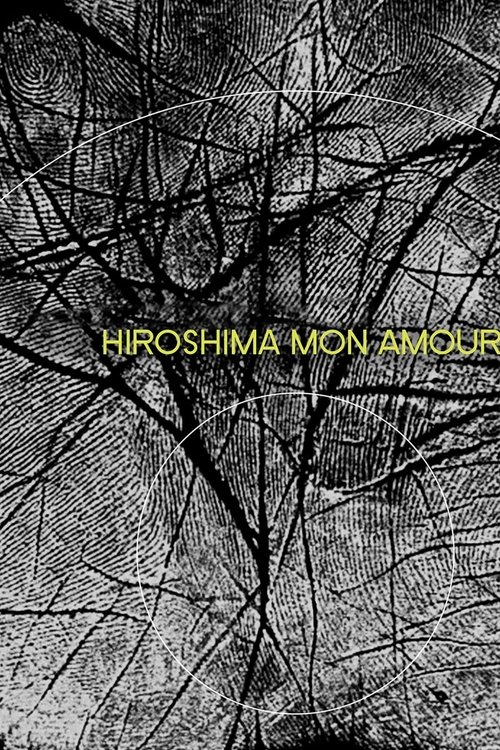
Hiroshima Mon Amour1959
Both Resnais and Godard appear in Lest We Forget, and both were shaped by this film's argument that cinema must witness atrocity without explaining it away.
Alain Resnais's radical love story interweaves Hiroshima's trauma with intimate human connection. It's a memorial film that understands how personal and political grief are inseparable—exactly Lest We Forget's governing insight.
But Its fractured narrative and philosophical abstraction can feel evasive if you want straightforward storytelling. Some find it self-indulgent.
More like this (7)
Stalker1979
Andrei Tarkovsky's philosophical science-fiction masterpiece about desire, faith, and the cost of searching. Shares Lest We Forget's contemplative approach to weightier themes and trust in cinema's capacity for depth.
But Glacially paced and abstract. The philosophical inquiry may feel indulgent compared to Lest We Forget's political urgency.

The Battle of Algiers1966
Gillo Pontecorvo's incendiary film about anti-colonial resistance, made in the immediate aftermath of the Algerian War. Politically urgent in ways that resonate with Lest We Forget's solidarity with the oppressed.
But Formally austere and propagandistic. Some viewers may find its political commitment overwrites nuance.

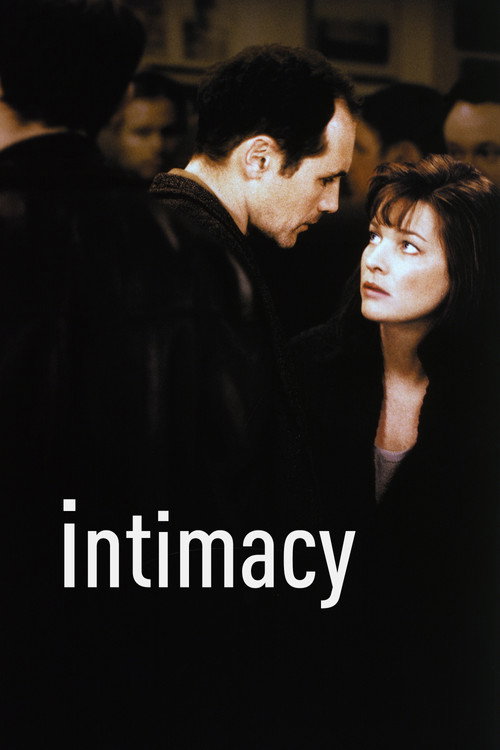
Intimacy2001
Jerzy Skolimowski's fragmented, elliptical exploration of disconnection and human need. Shares Lest We Forget's formal restlessness and refusal of conventional narrative to express something deeper.
But Its fragmentation can feel like evasion rather than innovation. Plot and character development are deliberately minimal.
Night and Fog1956
Alain Resnais's 32-minute essay on Auschwitz, one of the foundational works of memorial cinema. Economical where Lest We Forget is plural, but equally committed to making forgetting impossible.
But Its brevity contains such density that viewers often need to sit with it for days. Not a casual watch.

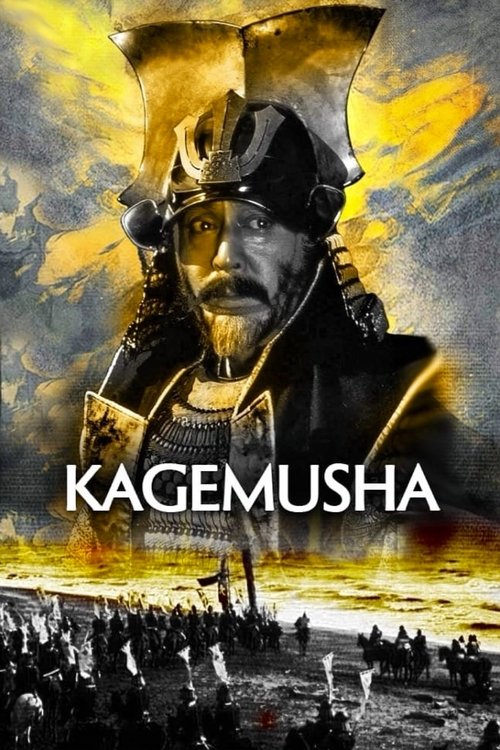
Kagemusha1980
Kurosawa's meditation on identity and deception during Japan's civil war. A narrative film that shares Lest We Forget's concern with how we represent truth and the fragility of witnessed reality.
But Its historical setting and formal complexity may feel distant from the contemporary political urgency of Amnesty's work.
Come and See1985
Both use cinema to make cruelty morally inescapable. Where Lest We Forget addresses specific prisoners, Come and See makes all suffering concrete and individual.
Elem Klimov's harrowing Soviet war film follows a boy's descent into horror during Nazi occupation. It's cinema as trauma, refusing to aestheticize suffering—Lest We Forget's moral seriousness pushed to devastating extremity.
But Genuinely unwatchable for many. It deploys violence and despair not to thrill but to condemn war itself. The damage is intentional.

A Woman's Face1938
Both understand that bearing witness to human suffering doesn't require abstraction. A single face, transformed by what it has endured, can carry the weight of testimony.
Ingrid Bergman in a Swedish melodrama about transformation and moral reckoning. A wildcard because it shows how political and human truth can live inside genre storytelling—grief, injustice, and redemption as emotional narrative rather than documentary.
But Its melodramatic register feels remote from Amnesty International's activism. The connection to Lest We Forget is tonal and thematic, not immediately obvious.

People
Cast
 Emmanuelle BéartSelf (segment "Pour Nguyen Chi Thien, Vietnam")
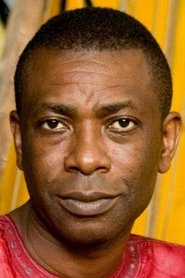 Youssou N'DourSelf (segment "Pour Augustine Eke, Nigeria")
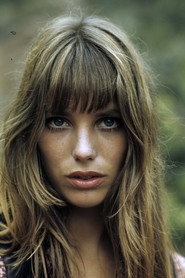 Jane BirkinSelf - Narrator (segment "Pour Maria Nonna Santa Clara, Philippines")
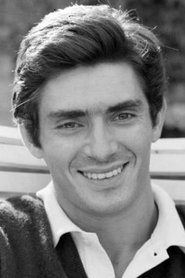 Sami FreySelf (segment "Pour Alirio de Jesús Pedraza Becerra, Colombie")
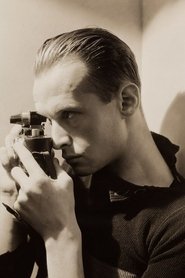 Henri Cartier-BressonSelf - Narrator (segment "Pour Mamadou Bâ, Mauritanie")
- Gérald ThomassinSelf (segment "Pour Anstraum Aman Villagrán Morales, Guatemala")
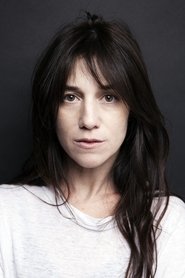 Charlotte GainsbourgSelf (segment "Pour Crisanto Mederos, Venezuela")
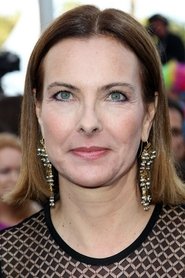 Carole BouquetSelf (segment "Pour Andreas Christodoulou, Grèce")
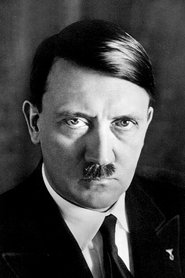 Adolf HitlerSelf (segment "Pour Andreas Christodoulou, Grèce") (archive footage) (uncredited)
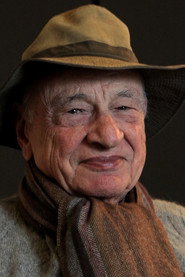 Edgar MorinSelf - Narrator (segment "Pour 'Ali Muhammad al-Qajiji, Lybie")
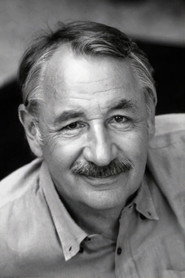 Philippe NoiretSelf (segment "Pour Joaquim Elema Boringue, Guinée Équatoriale")
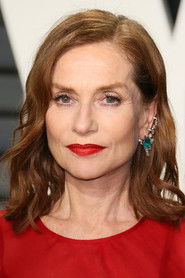 Isabelle HuppertSelf (segment "Pour Archana Guha, Inde")
Directing
- Alain CorneauDirector
- Alain ResnaisDirector
- Anne-Marie MiévilleDirector
- Bernard GiraudeauDirector
- Bertrand TavernierDirector
- Chantal AkermanDirector
- Claire DenisDirector
- Coline SerreauDirector
- Costa-GavrasDirector
- Denis AmarDirector
- Dominique DanteDirector
- Francis GirodDirector
- Gérard Frot-CoutazDirector
- Jacques DerayDirector
- Jacques DoillonDirector
- Jane BirkinDirector
- Jean BeckerDirector
- Jean-Loup HubertDirector
- Jean-Luc GodardDirector
- Jean-Michel CarréDirector
- Martine FranckDirector
- Michel DevilleDirector
- Michel PiccoliDirector
- Nadine TrintignantDirector
- Patrice ChéreauDirector
- Patrice LeconteDirector
- Philippe MuylDirector
- Raymond DepardonDirector
- René AllioDirector
- Robert KramerDirector
- Romain GoupilDirector
- Sarah MoonDirector
Writing
- Alain SouchonLyricist
- Robert BadinterLyricist
- Edgar MorinWriter
- Michel GrisoliaWriter