
Film
The Rape of the Vampire
Jean Rollin's 1968 debut is a fever dream of gothic eroticism and philosophical dread. Four sisters believe themselves to be centuries-old vampires; a psychiatrist insists otherwise. The film unfolds in languid, dreamlike sequences—less interested in scares than in exploring identity, desire, and the boundary between delusion and truth. It's for viewers who prize atmosphere and strangeness over narrative clarity.
If you liked this
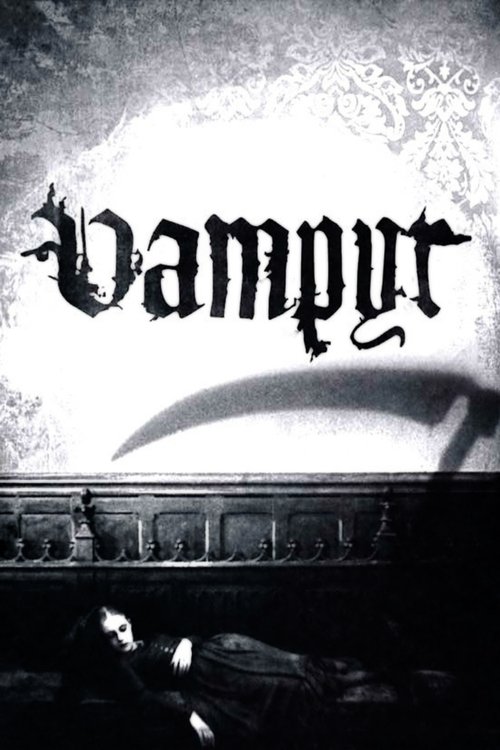
Vampyr1932
Dreyer's masterpiece moves like a nightmare, all shadow and suggestion. It shares Rollin's sense that vampire films needn't be about plot—they're about dread, about the slow dissolution of the rational world into something older and stranger.
But It's almost entirely without dialogue, which can feel glacial even by silent-film standards. Modern viewers often find it impenetrably slow.
Suspiria1977
Argento's witchcraft nightmare has the same commitment to pure atmosphere over sense-making. Both films prioritize color, sound design, and the texture of wrongness over logical plot progression. Hypnotic and disorienting in the best way.
But It's baroque and operatic to the point of absurdity. If you need a plot that holds together, this will frustrate you.

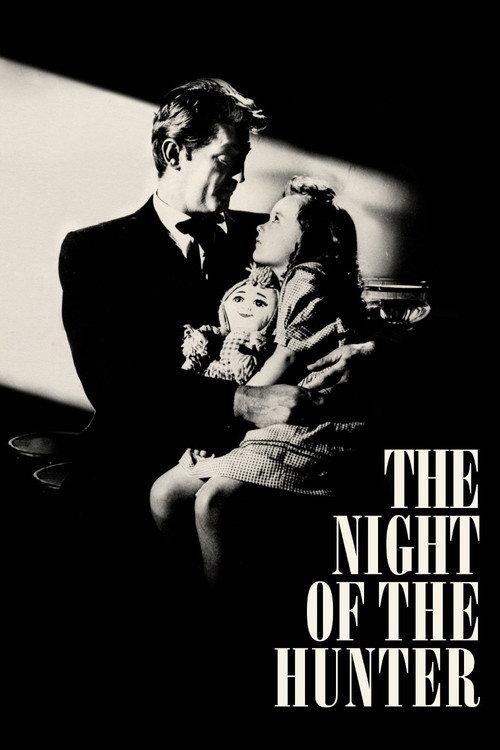
The Night of the Hunter1955
Laughton's only directorial effort is a Gothic fever-poem about evil wearing a human face. Like Rollin, it trusts nightmare logic over realism and finds horror in atmosphere and symbolism rather than gore or explanation.
But It's a portrait of America's dark underbelly that can feel claustrophobic and bleak. The pacing is deliberate, almost hypnotic; it asks patience rather than excitement.
Not sure tonight? Get a pick in a minute, starting from The Rape of the Vampire
The wildcard
Something you would not have found on your own.
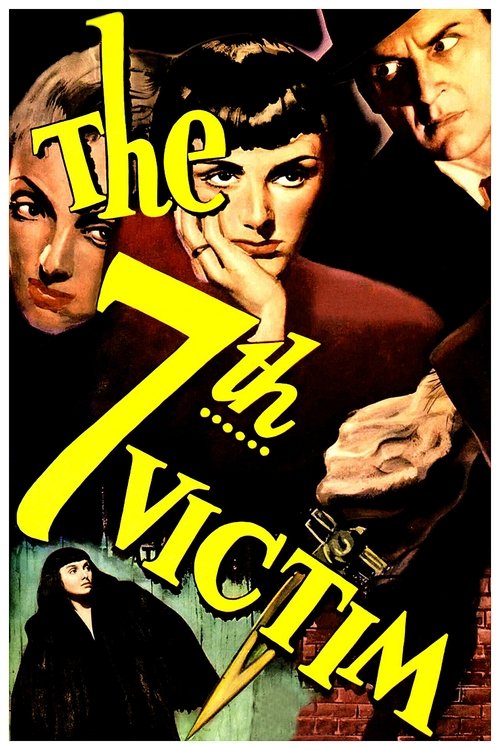
The Seventh Victim1943
Both films treat invisible or psychological evil as more unsettling than any creature. Both prioritize the texture of paranoia over the fact of danger.
Robson's 1940s RKO B-movie is a proto-Rollin: it treats Satanism as a urban, philosophical threat rather than a supernatural one. A woman investigates a secret society of witches; the film cares more about dread and suggestion than revelation. It's where Rollin learned the language.
But It's a product of 1940s censorship and budget constraints. The satanism is mostly implied conversation; nothing happens until the final minutes. Patience is mandatory.
More like this (6)
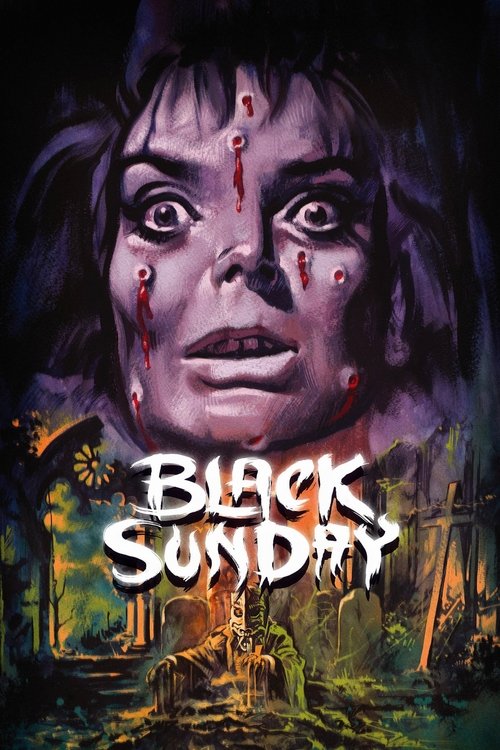
Black Sunday1960
Bava's Italian Gothic about a witch returning from the dead shares Rollin's visual lushness and interest in female monstrosity. Both films are painterly, sensual, and deeply unconcerned with making logical sense.
But It's sometimes poorly dubbed, which can undercut the mood. The plot is also genuinely confusing and often ignored in favor of pure visual storytelling.
Possession1981
Andrzejewski's Berlin-set nightmare about a marriage dissolving into body horror and metaphysical terror shares Rollin's willingness to let the narrative fracture. Both blur the line between psychological breakdown and supernatural invasion.
But It's genuinely upsetting, sexually graphic, and narratively chaotic in ways that feel less like style and more like damage. Not escapist in any sense.

Mulholland Drive2001
Lynch's LA nightmare shares Rollin's sense that cinema works best when logic dissolves. Both films treat the distinction between dream and reality as meaningless, and both are structured like poetry rather than plot.
But It's three hours of deliberate incoherence. Even fans disagree about what it means. If you need narrative closure, this will leave you furious.

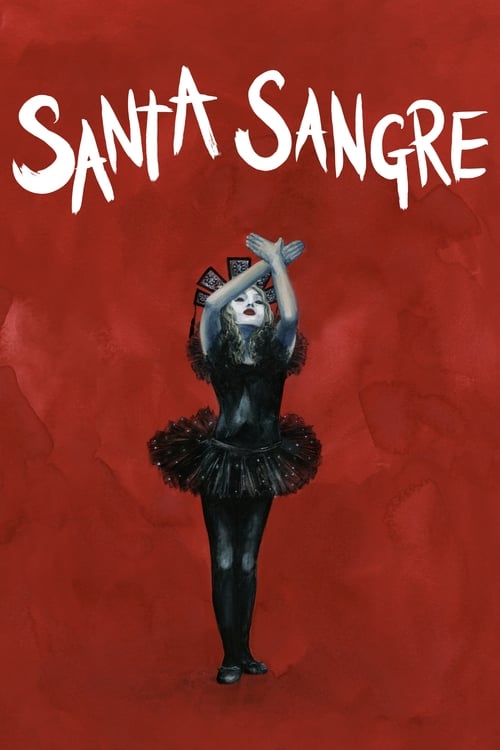
Santa Sangre1989
Jodorowsky's grotesque masterpiece about a boy and his armless mother shares Rollin's commitment to surreal imagery over conventional storytelling. Both are interested in trauma, desire, and the strange logic of dreams.
But It's genuinely disturbing, featuring animal cruelty, castration, and visceral body horror. Even for art-horror fans, it can feel gratuitously unpleasant.
Under the Skin2014
Glazer's science-fiction study of a predatory alien moves at Rollin's pace—slow, hypnotic, more interested in mood and image than explanation. Both films trust silence and strangeness more than dialogue.
But There's almost no plot and almost no dialogue. It's glacially paced. If you need your cinema to be legible and entertaining, you will hate this.

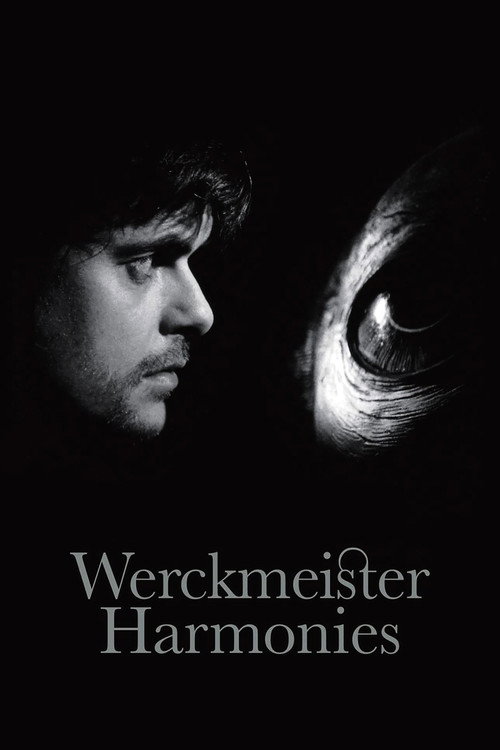
Werckmeister Harmonies2001
Both use slow, dreamlike pacing to make the viewer inhabit a logic that isn't rational. Both treat the collapse of meaning as the real horror.
Béla Tarr's glacial Hungarian apocalypse has Rollin's commitment to abstraction and atmosphere. A whale arrives in a provincial town; society begins to collapse. Nothing is explained. Everything is dread. It's a film about how the world ends not with action but with the slow erosion of meaning.
But It's 145 minutes in black and white with minimal dialogue and no conventional plot. It moves at the speed of grief. Most viewers will find it unbearably boring.
People
Cast
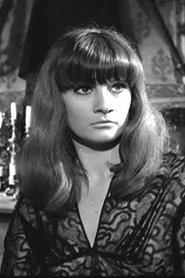 Solange PradelBrigitte
- Bernard LetrouThomas
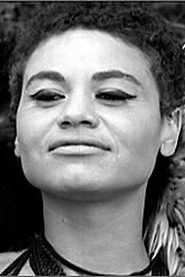 Jacqueline SiegerQueen of the Vampires
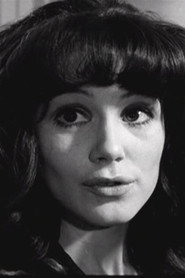 Catherine DevilleBrigitte
 Ursule PaulyLa soeur vampire rousse
- Nicole RomainLa soeur vampire aveugle
- Louise D'hourLa soeur vampire blonde
- Marquis PolhoMarc
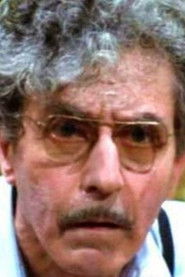 Jean AronVillager
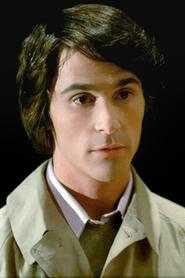 Olivier RollinA henchman of the Queen
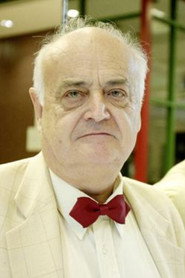 Jean RollinVillager
- Ariane SaprielLa femme de Samsky
Directing
- Jean RollinDirector
Writing
- Jean RollinScreenplay
- Alain Yves BeaujourWriter
Production
- Jean RollinProducer
- Sam SelskyProducer