
Film
Knife of Ice
A 1972 Italian giallo about a traumatized mute woman drawn into a murder investigation when her cousin is killed. Stylish, twisted, and deliberately obscure about who to trust—it's for fans of Argento-era crime thrillers who don't need everything explained. Atmosphere over clarity; dread over comfort.
Should you watch it?
Watch it if you love Italian giallo sleaze with a gothic chill, where a suspicious house and a pulpy whodunit matter more than tidy logic.
Skip it if you want a tight, fast thriller, since this one lingers in its moody, hushed stretches and its plotting can feel loose and repetitive.
What it asks of you: Ninety-one minutes, unhurried in the middle, with long quiet passages of watching and waiting before the violence arrives in bursts; patience counts for more than close attention to clues.
Not sure? Find tonight's pick in a minute.
If you liked this
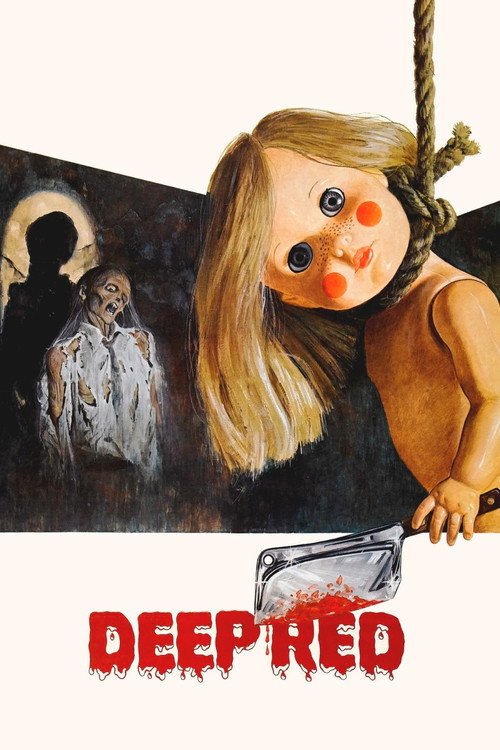
Deep Red1975
Argento's masterpiece of visual storytelling and mystery. A pianist witnesses a murder and digs into a conspiracy. The cinematography alone is breathtaking, the kills are inventive, and the puzzle genuinely grips.
But The logic sometimes takes a back seat to style. If you need every plot thread tied neatly, you'll be frustrated. Subtitled too.
Suspiria1977
Pure atmosphere and dread. A dancer enrolls at a prestigious ballet academy that harbors an ancient evil. Argento uses color, sound, and space to create unease that conventional scares can't touch. Hypnotic and strange.
But There's barely a conventional plot. It's a mood machine, not a mystery box. If you're plot-hungry, this will feel hollow.

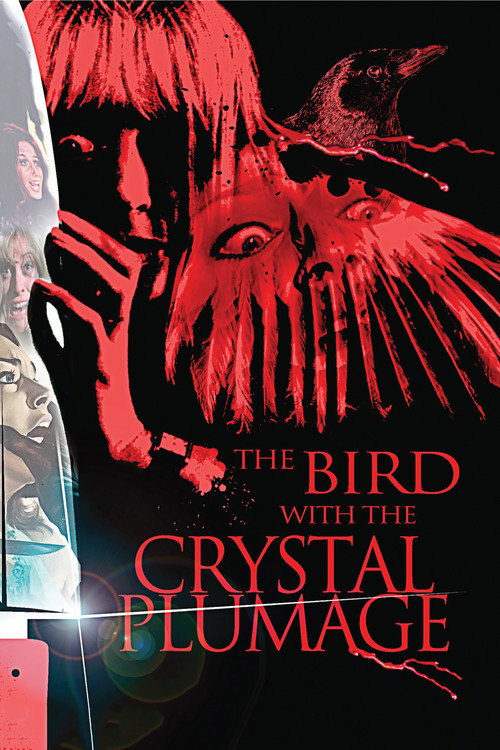
The Bird with the Crystal Plumage1970
The giallo template perfected. A man witnesses an attempted murder and becomes obsessed with solving it. Tense, inventive, and genuinely clever—it builds dread scene by scene and actually rewards close attention.
But Some of the dialogue feels wooden in translation. The pacing in the middle sags slightly. It's foundational rather than flashy.
Not sure tonight? Get a pick in a minute, starting from Knife of Ice
The wildcard
Something you would not have found on your own.
The Vanishing1988
Both use disability or trauma as a window into a warped world. Both are interested in what people don't know about the people close to them. Both subvert the expectation that the protagonist will solve or survive.
A man becomes obsessed with discovering what happened to his girlfriend, who vanished at a rest stop. Dutch director Sluizer builds psychological horror from everyday locations. The ending is genuinely devastating—it refuses all false comfort and breaks the unspoken contract between film and audience.
But It's bleak and methodical rather than thrilling. The final revelation might feel like a betrayal of genre convention. No heroism, no justice, just silence.
More like this (8)
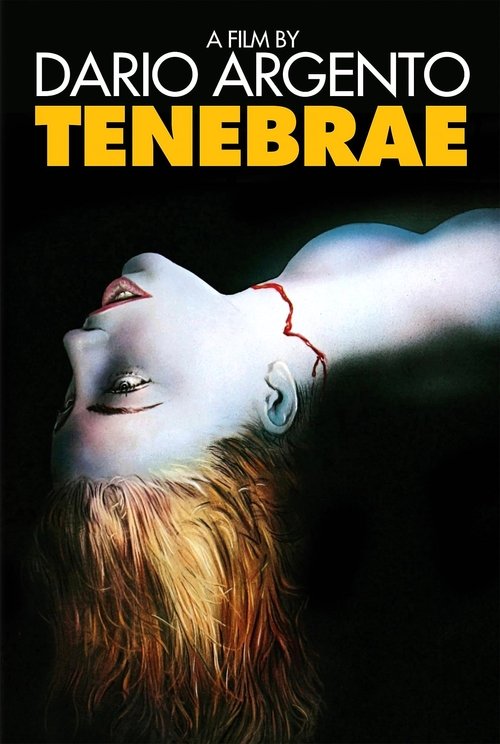
Tenebre1982
Argento's most controlled work. A writer returns home to find himself the target of a serial killer. Methodical, vicious, visually stunning. The kills are setpieces of sick genius. This is the giallo at its peak.
But It's genuinely unpleasant. The violence is graphic and dwelt upon. If you're here for camp or pulp, the tone is too serious and cold.
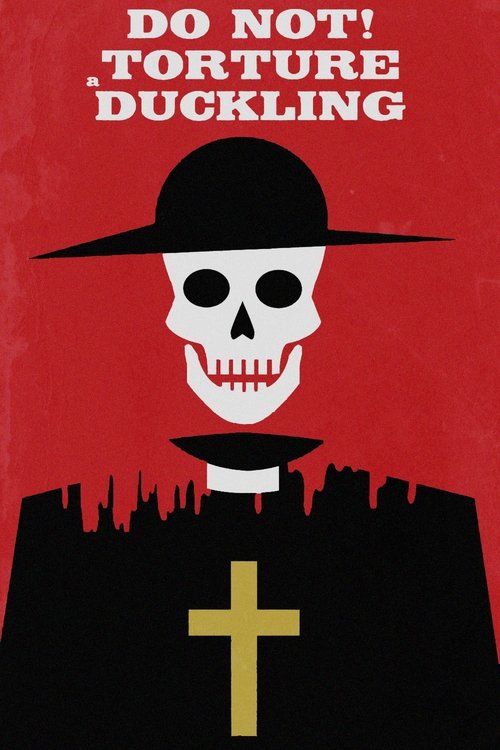
Don't Torture a Duckling1972
A woman alone in a house, stalked by an intruder. It's lean, economical, and unbearably tense. The confined space and lack of safety valve keep the pressure building. Real suspense, rarely seen.
But The dialogue is minimal. It's more of a siege than a story. If you need character development and motivation spelled out, this won't work.
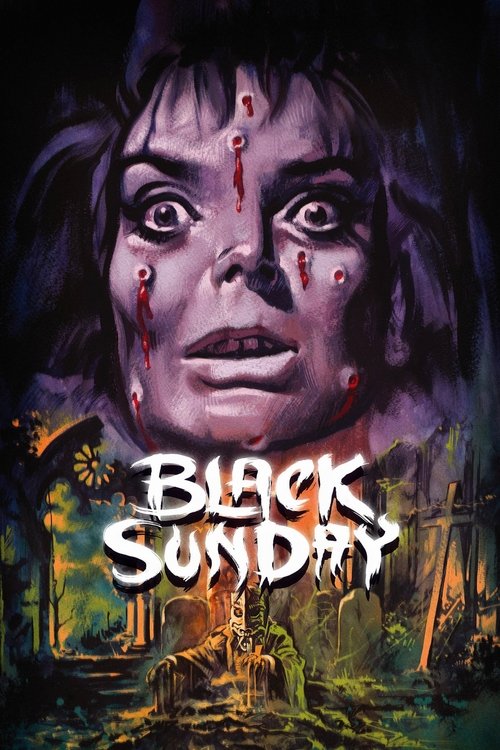
Black Sunday1960
A woman, scarred and vengeful, returns to terrorize the family that destroyed her. Gothic, operatic, genuinely disturbing. Bava's control of shadow and composition is unmatched. It feels like a fever dream.
But The print quality can be rough. The pacing is deliberate to the point of slowness. It's beautiful but not always kinetic.
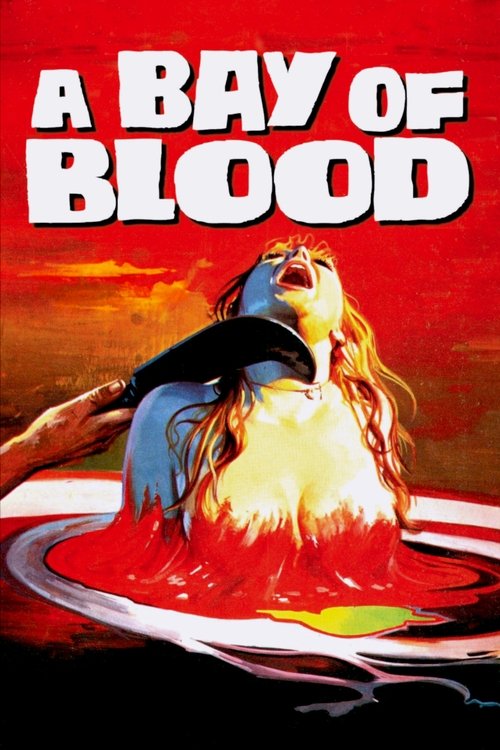
A Bay of Blood1971
Proto-slasher by Bava. Multiple people scheme to own a patch of waterfront; bodies pile up. It's blackly comic, inventive with kills, and surprising in tone. Influences every slasher that came after.
But The tone lurches between comedy and violence uncomfortably. The plot is genuinely hard to follow. It can feel more like sketches than a coherent film.
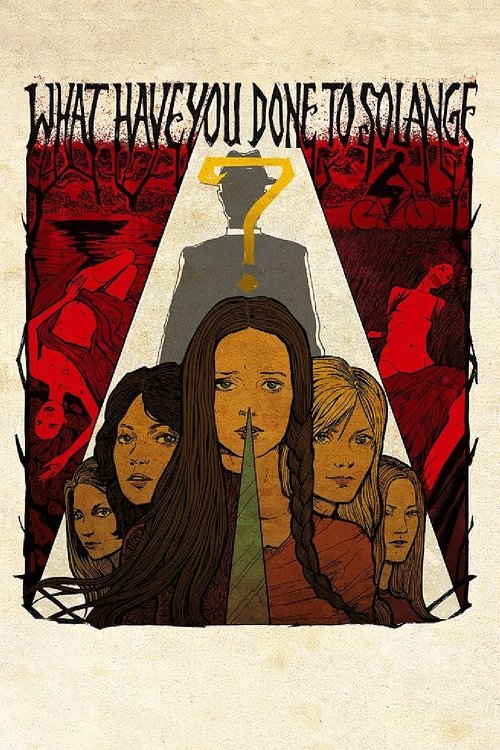
What Have You Done to Solange?1972
A teacher witnesses a crime but can't identify the victim. Complex, morally ambiguous, and genuinely surprising. The script is intelligent and the mystery is earned. It plays fair with the audience.
But It's talky and cerebral rather than visceral. The pacing is deliberate. If you want propulsive momentum, you won't find it here.
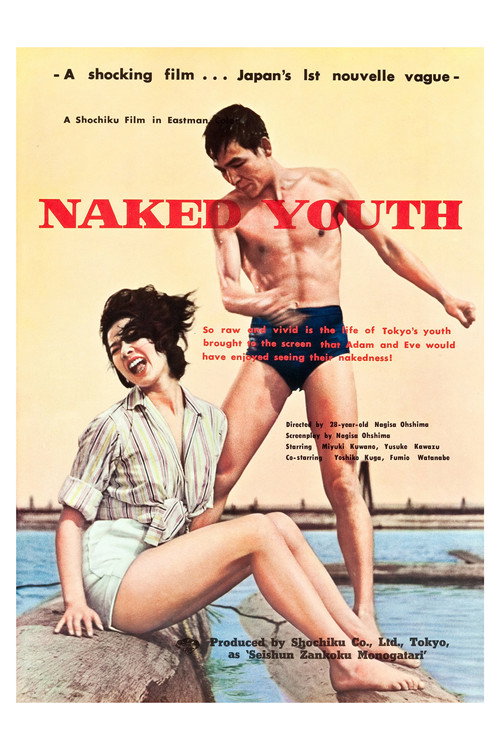
Cruel Story of Youth1960
A young couple descends into blackmail and betrayal. Raw, morally frank, and deeply unsettling in how it depicts predation. Oshima's visual style is striking and the emotions are genuine, not exploitative.
But It's bleaker and more serious than giallo usually gets. Sexual violence is depicted plainly. The ending offers no catharsis or comfort.
Possession1981
Both are European thrillers that value mood and visual language over plot clarity. Both feature women at the center of male violence and obsession. Both use physical spaces—rooms, apartments—as extensions of psychological torment.
A marriage dissolves into nightmare as a wife's affair spirals into something metaphysical and obscene. Andrzej Żuławski marshals absolute chaos—the cinematography is frantic, the emotions raw, the images unforgettable. It's genuinely unhinged in the best way.
But It's aggressively difficult. The plot is opaque by design. The violence is shocking and the sexuality is frank. This is not comfort watching.

Memories of Murder2003
Both are about obsession and the gap between what seems true and what is. Both implicate the viewer in violence and complicity. Both refuse to deliver the satisfaction of a solved case—the mystery remains open, maddening, and real.
A serial killer haunts a small Korean town in the 1980s. A cop's obsession with solving it consumes him. Bong Joon-ho's filmmaking is brilliant—tense, heartbreaking, and structurally perfect. The ending is a gut-punch of moral ambiguity and police futility.
But It's long and methodical. The violence is sudden and disturbing. Korean cinema, so some viewers bounce off the pacing or the subtitles.

People
Cast
 Carroll BakerMartha Caldwell
 Alan ScottDr. Laurent
 Ida GalliJenny Ascot
 Eduardo FajardoMarcos
 Silvia MonelliAnnie Britton
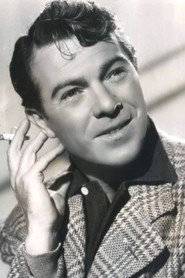 George RigaudRalph
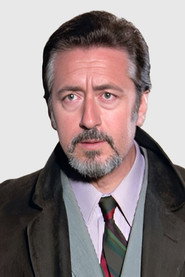 Franco FantasiaInspector Duran
- Dada GallottiMayor's Wife
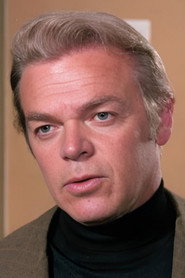 Lorenzo RobledoVice Commissioner
 Olga GherardiRosalie
 José MarcoFather Martin
- Luca SportelliCapo Stazione
Directing
- Franco FantasiaAssistant Director
- Umberto LenziDirector
Writing
- Umberto LenziScreenplay