
Film
What Have You Done to Solange?
A 1972 Italian giallo that traps its protagonist in a nightmare of guilt and suspicion. When schoolgirls are murdered in baroque, ritualistic ways, a teacher embroiled in a forbidden affair becomes implicated—but the film's real interest is psychological torment, not whodunit mechanics. Visually sumptuous and morally queasy, it's for viewers who want style and dread over clarity.
If you liked this
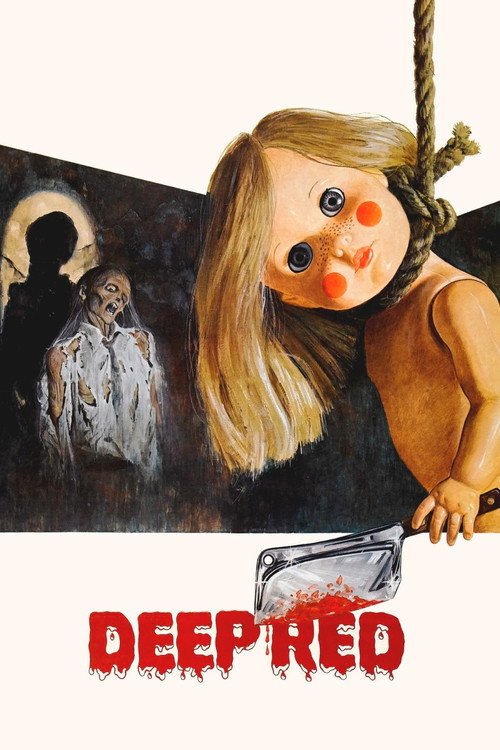
Deep Red1975
Argento's masterpiece of giallo craft: a composer witnesses a murder and becomes entangled in a conspiracy that grows more labyrinthine and violent. Dazzling cinematography and a synth score that burrows into your skull.
But The plot strains under its own complexity by the end, and the English dubbing (on most prints) can feel distant from the on-screen intensity.
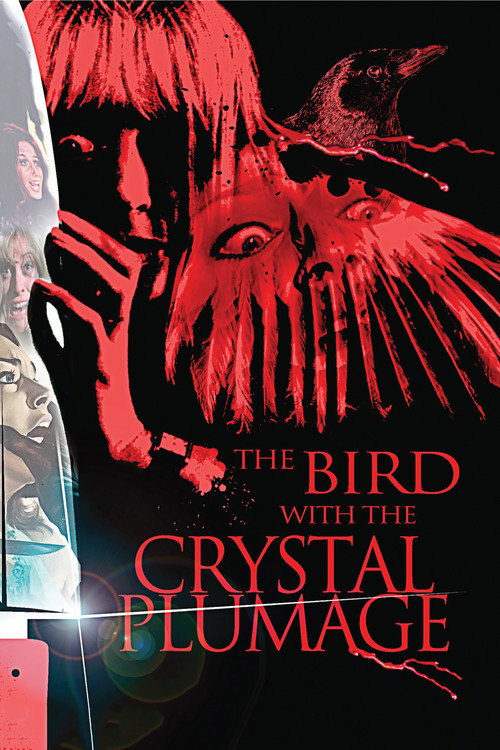
The Bird with the Crystal Plumage1970
Argento's debut, which essentially codified the modern giallo. An American witness to a brutal attack becomes hunted by both the killer and the investigation. Taut, ingenious, visually restless.
But The sexual violence is casual and disturbing in a way that feels very much of its era—some will find it intolerable rather than transgressively honest.
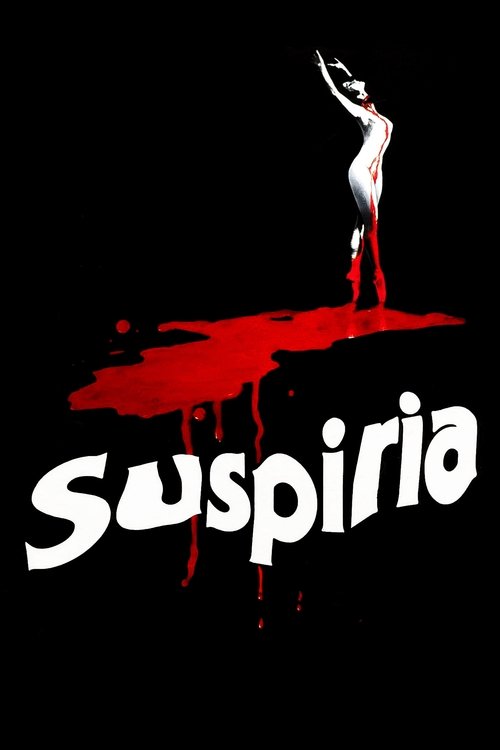
Suspiria1977
A ballet student arrives at a German academy that harbours something ancient and malevolent. Pure atmosphere and dread; Goblin's score is hypnotic. A masterclass in controlled, mounting unease.
But The plot is skeletal and the logic dreamlike rather than rational. If you need narrative coherence, this will frustrate you.
Not sure tonight? Get a pick in a minute, starting from What Have You Done to Solange?
The wildcard
Something you would not have found on your own.
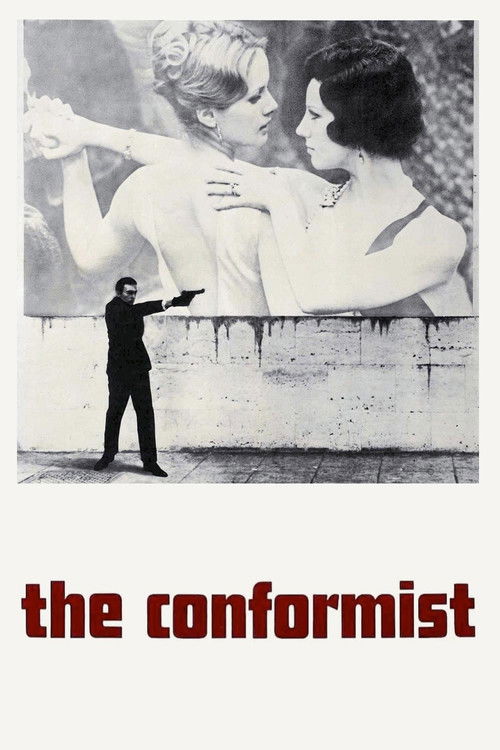
The Conformist1971
Both films use the forbidden affair as a moral sinkhole that swallows the protagonist; both are obsessed with surfaces, light, and the gap between how things look and what they mean. Both trust visual language over exposition.
Bertolucci's masterwork: a fascist bureaucrat is sent to commit murder and falls into an affair. Like *Solange*, it's about guilt, seduction, and moral vertigo—but it's a political thriller wrapped in Renaissance symmetry and colour. Transcendent filmmaking.
But It's a three-hour film that moves with operatic slowness and requires active attention. The politics are embedded, not explicit.
More like this (8)
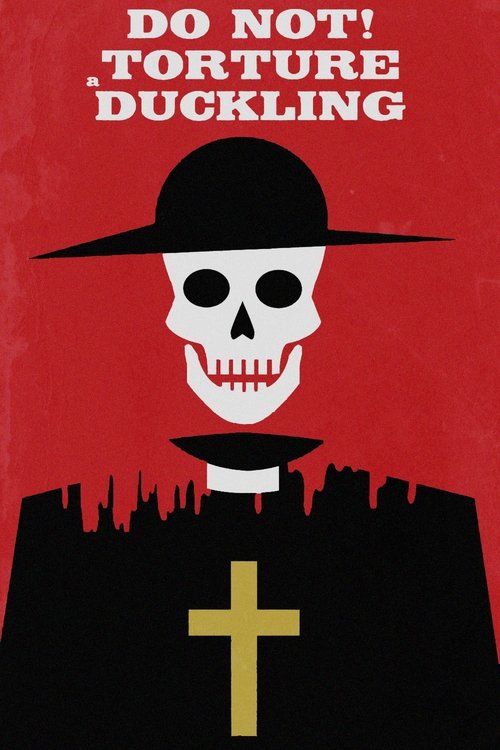
Don't Torture a Duckling1972
Another Italian thriller of the same era: a man accused of murder holes up in a hotel while the real killer hunts him. Tense, claustrophobic, with excellent use of confined spaces and shadow.
But It's less visually distinctive than the best gialli, and can feel like a solid B-picture when you want something transcendent.
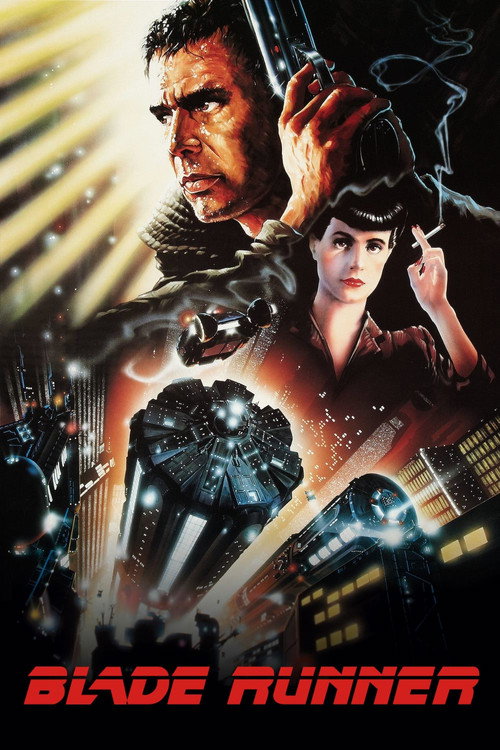
Blade Runner1982
A detective hunts artificial beings indistinguishable from human. Like *Solange*, it's concerned with guilt, identity, and whether the hunter might be the thing being hunted. Hypnotic sci-fi noir.
But The philosophical weight can overshadow momentum; it's meditative in a way that tests patience if you want forward motion.
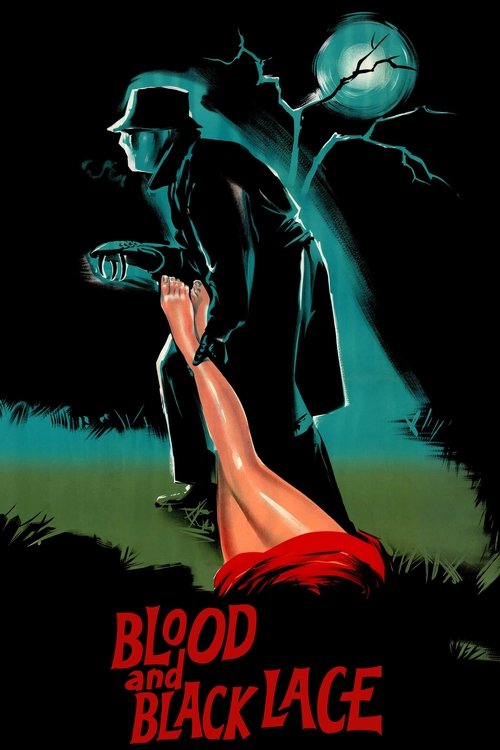
Blood and Black Lace1964
An earlier giallo that influenced everything that came after. A masked killer stalks models; the film is more interested in visual spectacle and suspense than logic. Technicolor gore in a high-fashion setting.
But Narratively it's almost a skeleton—characters exist mainly to be killed—and misogyny is woven into the fabric rather than questioned.
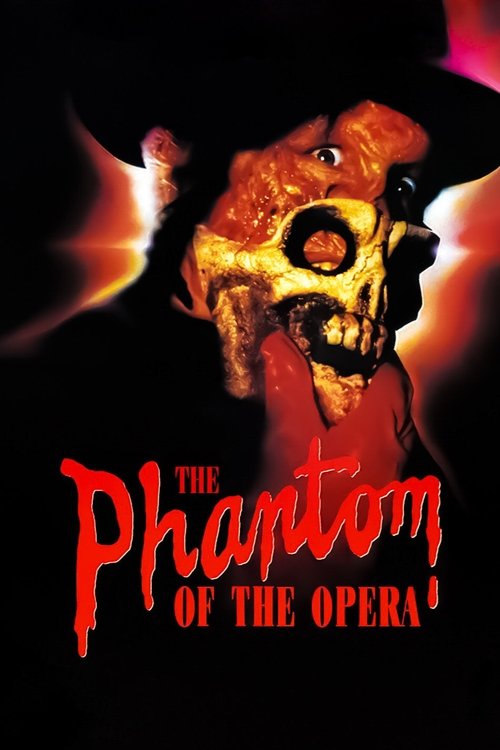
The Phantom of the Opera1989
A rock opera adaptation that pairs operatic grandeur with slasher mechanics. It's visually baroque and genuinely unsettling, with a score that doesn't quit. Bill Nighy is unforgettable.
But The genre-blending works beautifully or feels self-conscious depending on your tolerance for maximalism. Some find it ridiculous.
The Wailing2016
A South Korean mystery-horror where a detective's investigation into a series of deaths spirals into moral and metaphysical uncertainty. Operates on multiple levels and stays with you long after.
But It's deliberately ambiguous and punishing—closure is withheld by design, which some experience as rewarding and others as withholding.

Mulholland Drive2001
A dreamlike Los Angeles thriller where identity fractures and guilt (real or imagined) warps reality. Stunning cinematography and a narrative that rewards rewatching.
But Its non-linear structure and refusal to clarify can feel like obfuscation rather than artistry if the mood doesn't grab you early.

Strangers in the Night2015
Both are about ordinary men drawn into nightmare scenarios they can't fully understand. Both use class anxiety and the uncanny disruption of domestic spaces. Both trust atmosphere over plot.
A two-part British TV thriller about a doctor and his family moving into a sinister house. It has the giallo's visual precision and European sensibility but the intimate scale of television—creeping unease instead of operatic violence.
But TV-movie pacing and production values; the scares work through suggestion rather than spectacle. It won't give you the adrenaline hit of a cinema thriller.
Possession1981
Like *Solange*, it spirals inward from a simple transgression (infidelity) into psychological annihilation. Both films are interested in guilt as a corrosive force that reshapes reality. Both leave you disturbed rather than satisfied.
Andrzej Żuławski's hallucinatory Berlin-set horror about a marriage collapsing into madness and occult terror. It plays like a giallo written by someone on a fever dream: surreal, visceral, anguished. Absolutely committed to feeling over logic.
But It's relentlessly ugly and exhausting, with extended scenes of shrieking and degradation. The sexual and bodily horror is extreme and not cathartic. This is not entertainment; it's endurance.

People
Cast
 Fabio TestiEnrico Rosseni
 Karin BaalHerta Rosseni
 Cristina GalbóElizabeth Seccles
 Joachim FuchsbergerInspector Barth
 Günther StollProfessor Bascombe
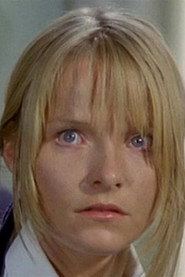 Claudia ButenuthBrenda Pilchard
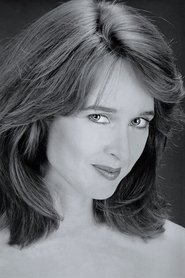 Camille KeatonSolange Beauregard
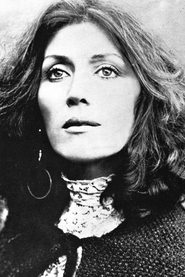 Maria MontiMrs. Erickson
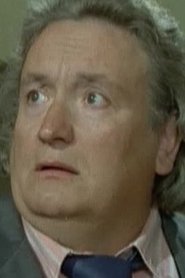 Giancarlo BadessiMr. Erickson
 Pilar CastelJanet Bryant
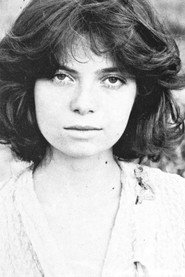 Giovanna Di BernardoHelen Edmonds
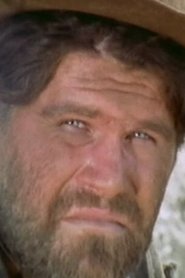 Vittorio FanfoniEnrico's Landlord
Directing
- Massimo DallamanoDirector
Writing
- Edgar WallaceNovel
- Bruno Di GeronimoScreenplay
- Massimo DallamanoScreenplay
- Peter M. ThouetScreenplay
- Bruno Di GeronimoStory
- Massimo DallamanoStory
Production
- Fulvio LucisanoProducer
- Horst WendlandtProducer
- Leo PescaroloProducer
- Enrico MelonariProduction Manager
- Wolfgang FritscheProduction Manager
- Giuliano PrincipatoUnit Manager
Recommended by
The Night Evelyn Came Out of the Grave, Knife of Ice, Strip Nude for Your Killer