
Film
X: The Man with the X-Ray Eyes
A scientist gains X-ray vision through experimental eye drops and discovers that seeing through everything—walls, clothes, flesh—is a curse rather than a gift. Roger Corman's 1963 film is a B-movie with genuine dread, pulp thrills, and an ending that still haunts. It's for anyone who loves vintage sci-fi with real stakes and a conscience.
Should you watch it?
Watch it if you enjoy lean, B-movie science fiction where a single bold idea is pushed hard and the imagery does the unsettling work, much like Roger Corman's Poe films.
Skip it if you want a polished, fast-moving thriller; at 79 minutes it is brisk, but its pulpy dialogue, stagey performances and low-budget effects can feel creaky.
What it asks of you: It runs under eighty minutes and moves in a steady, escalating line, so you need to accept dated acting and an unhurried build toward its strange, grim final stretch.
Not sure? Find tonight's pick in a minute.
If you liked this
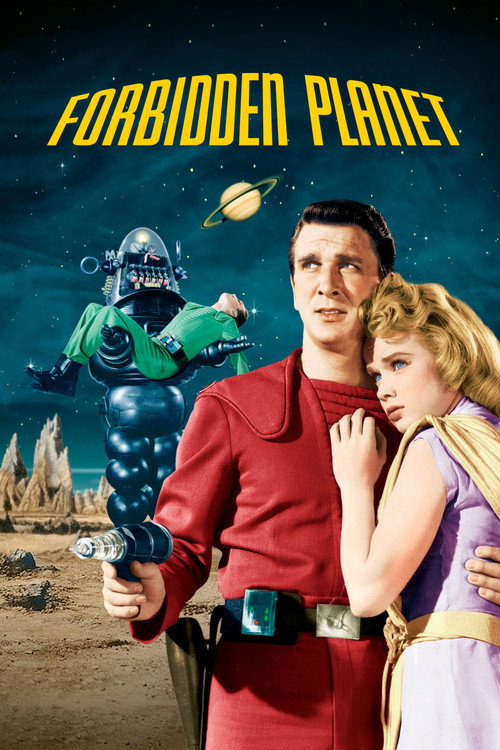
Forbidden Planet1956
A smart, ambitious sci-fi film from the 1950s that takes its premise seriously. The monster, the isolation, the psychological unravelling—it's got the same DNA as X, but with more budget and romance.
But The pacing is slower, the dialogue more theatrical. If you want pure visceral thriller, this leans harder into spectacle.
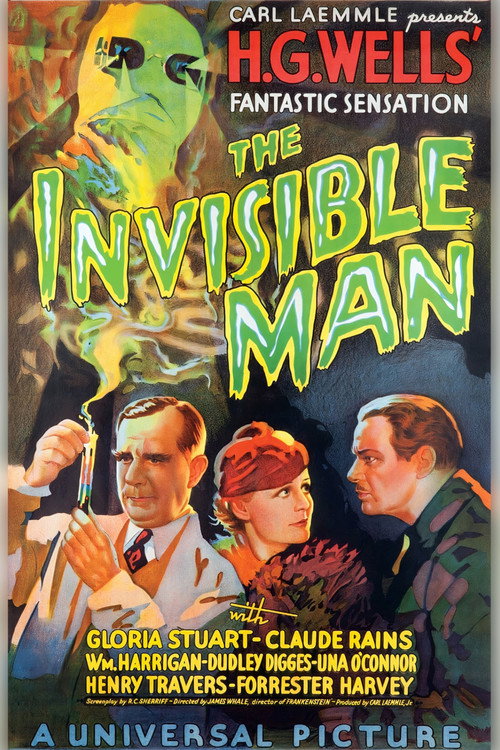
The Invisible Man1933
The original invisibility-curse story, and it does exactly what X does: uses the power as a mirror for human corruption. James Whale's film is faster, funnier, and sees the body horror in superpowers decades early.
But It's a 1933 Universal picture—creaky, melodramatic dialogue and all. The special effects are dated even by genre standards.
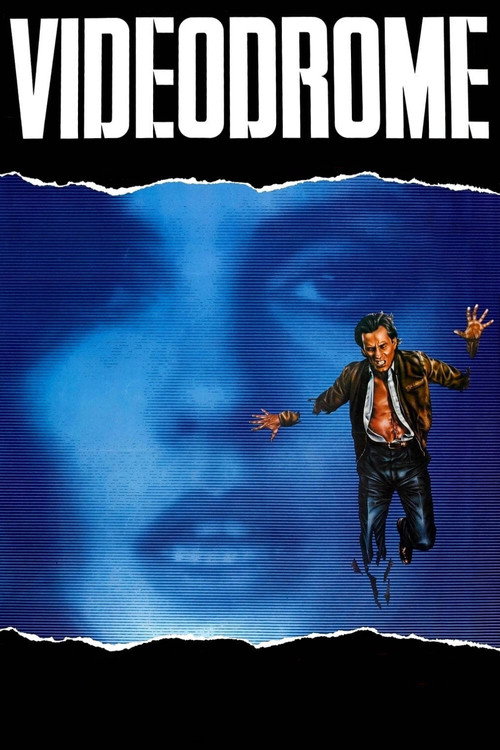
Videodrome1983
Cronenberg's nightmare about perception and reality going wrong. Like X, it's about a man whose sense organs become weapons against him, and it's genuinely unsettling without ever winking.
But It's graphically body-horror focused and philosophically bleak. Videodrome wants to disturb you; it's not here to entertain.
Not sure tonight? Get a pick in a minute, starting from X: The Man with the X-Ray Eyes
The wildcard
Something you would not have found on your own.
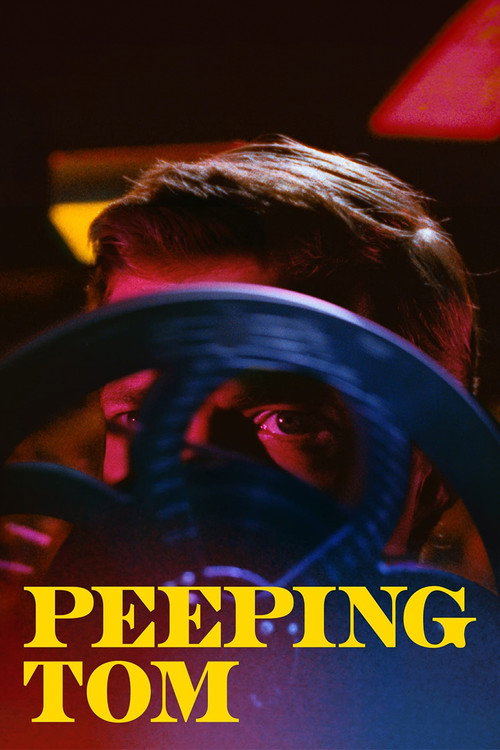
Peeping Tom1960
Both films use perceptual powers as a metaphor for masculine domination and its inevitable collapse. Both make you complicit in the protagonist's vision, and both end in psychological devastation.
Michael Powell's film is about a man whose vision literally kills—a camera replaces the eye, photography replaces sight. It's the spiritual inverse of X: instead of seeing too much, he makes others see through his lens. Banned and reviled on release, it's now recognized as a masterpiece about the male gaze and its violence.
But It's disturbing in ways that feel personal and modern. The premise involves the sexual exploitation and murder of women, treated unflinchingly. Not a comfortable film.
More like this (7)
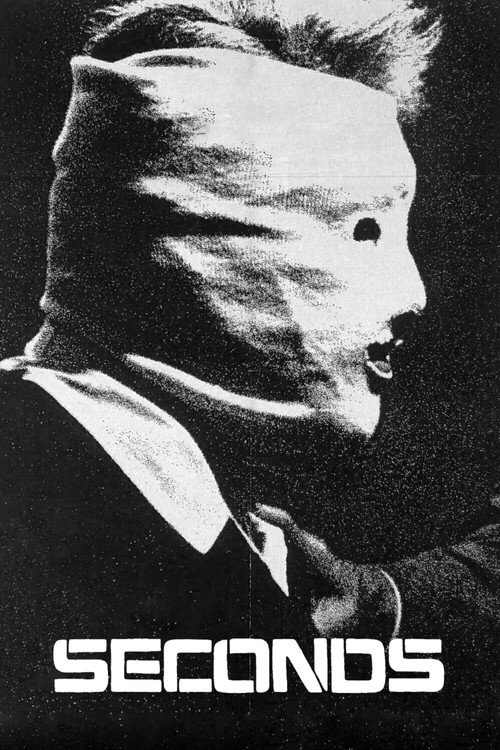
Seconds1966
A paranoid thriller about a man given a second chance at life. It shares X's fascination with transformation as punishment, and John Frankenheimer shoots it with creeping dread.
But The plot moves slowly and the tone is relentlessly grim. There are no moments of levity, just existential horror.
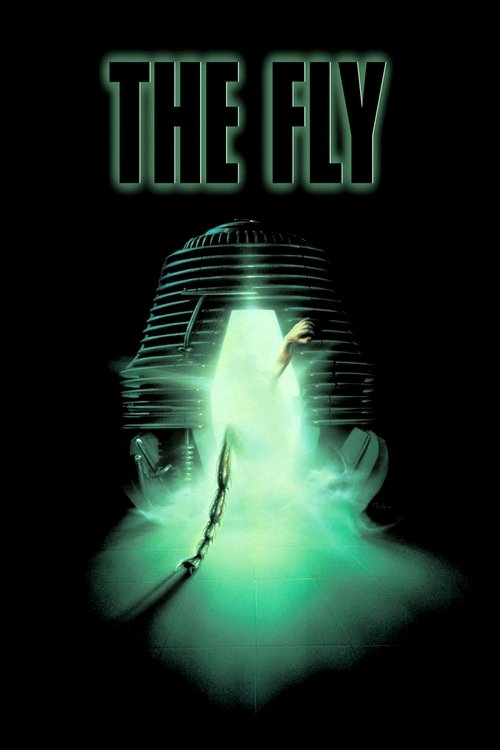
The Fly1986
Cronenberg again, but this time the transformation is physical and tragic. Like X, it's a scientist's hubris wrapped in body horror, and it builds toward genuine tragedy with Jeff Goldblum giving one of his best performances.
But The third act is grotesque and the transformation scenes are unpleasant to watch. It's a film that wants to make you uncomfortable.
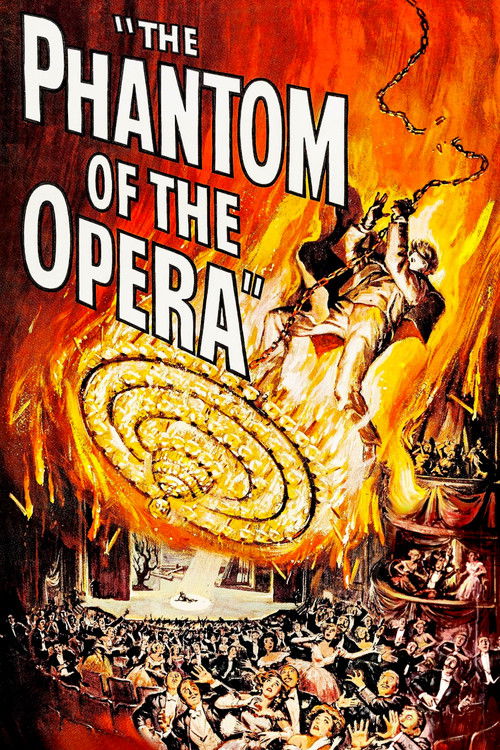
The Phantom of the Opera1962
Hammer's lurid take on the Gothic classic, with all the color and melodrama you'd expect. Ray Milland himself plays the phantom—this is worth watching for the star power and the sheer operatic excess.
But It's camp by modern standards, sometimes unintentionally funny. The plot is familiar and the pacing meanders.
The Twilight Zone1959
Serling's anthology series does exactly what X does in 22 minutes: takes a simple supernatural premise and mines it for philosophical horror. Episodes like 'Eye of the Beholder' and 'The Midnight Sun' have the same claustrophobic dread.
But Uneven by design—some episodes are excellent, others are slight. You have to hunt for the great ones.

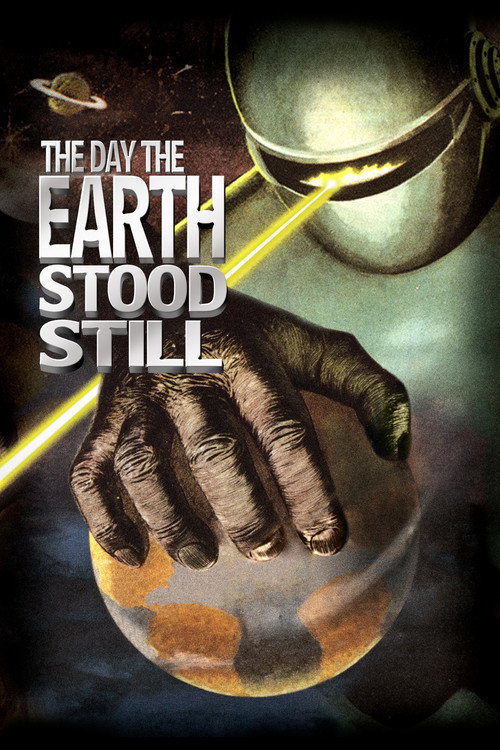
The Day the Earth Stood Still1951
A 1950s sci-fi classic that treats its premise with intelligence and restraint. It's the gold standard of thoughtful sci-fi from the era, and it shares X's concern with the moral weight of power.
But It's cerebral and slow-burn. If you want action or visual spectacle, this will feel like watching a stage play.
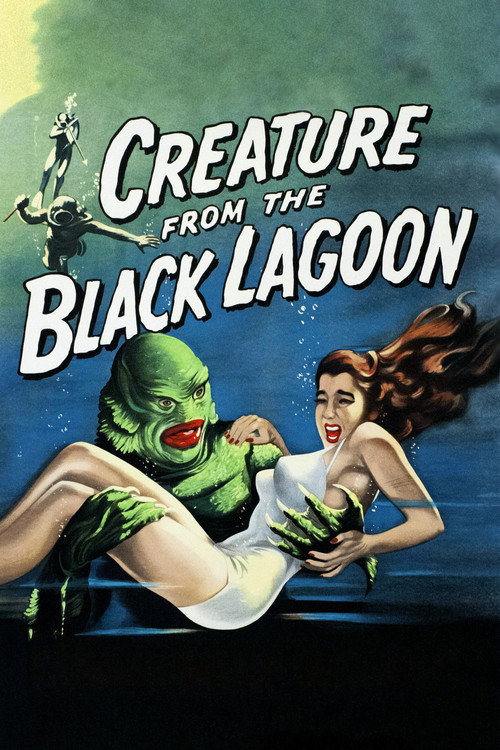
Creature from the Black Lagoon1954
Universal's creature feature has atmosphere, practical effects that still impress, and a genuine sense of menace. The creature is sympathetic in ways the humans aren't—a thematic cousin to X's tragic hero.
But The human drama is thin and the female lead is a damsel. The monster scenes are good, but there's padding between them.
The Killing of a Sacred Deer2017
Both X and Sacred Deer are about how power and knowledge become prisons. A man has something he shouldn't, sees or knows something he can't unsee, and the only way out is surrender or annihilation. Both are genuinely tragic.
Yorgos Lanthimos's film about a surgeon whose act of negligence comes back to haunt him through a mysterious boy. It's clinical, precise, deeply uncomfortable—a modern tragic drama that uses sci-fi logic (cause and effect as curse) without being sci-fi. Remarkable performances from Colin Farrell and Barry Keoghan.
But The pacing is glacial and the tone is cold. It's a film that punishes you for empathy. Nothing is explained and the ending offers no catharsis.

People
Cast
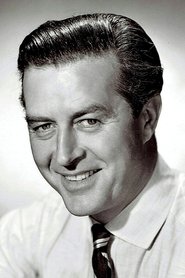 Ray MillandJames Xavier
 Diana Van der VlisDiane Fairfax
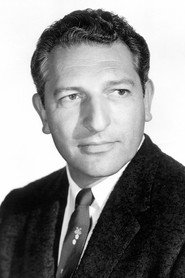 Harold J. StoneSam Brant
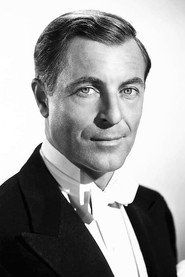 John HoytWillard Benson
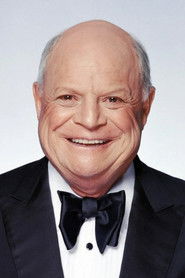 Don RicklesCrane
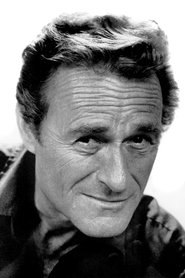 Dick MillerJohn Trask (uncredited)
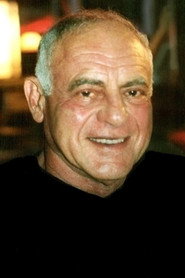 Jonathan HazeHeckler (uncredited)
- Kathryn HartMrs. Hart (uncredited)
 John DierkesPreacher (uncredited)
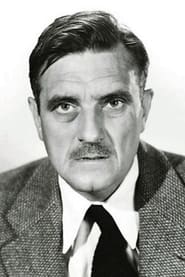 Morris AnkrumMr. Bowhead (uncredited)
 Barboura MorrisNurse (uncredited)
- Stuart HallCasino Patron (uncredited)
Directing
- Roger CormanDirector
Writing
- Ray RussellScreenplay
- Robert DillonScreenplay
- Ray RussellStory
Production
- Bartlett A. CarréAssociate Producer
- James H. NicholsonExecutive Producer
- Samuel Z. ArkoffExecutive Producer
- Roger CormanProducer